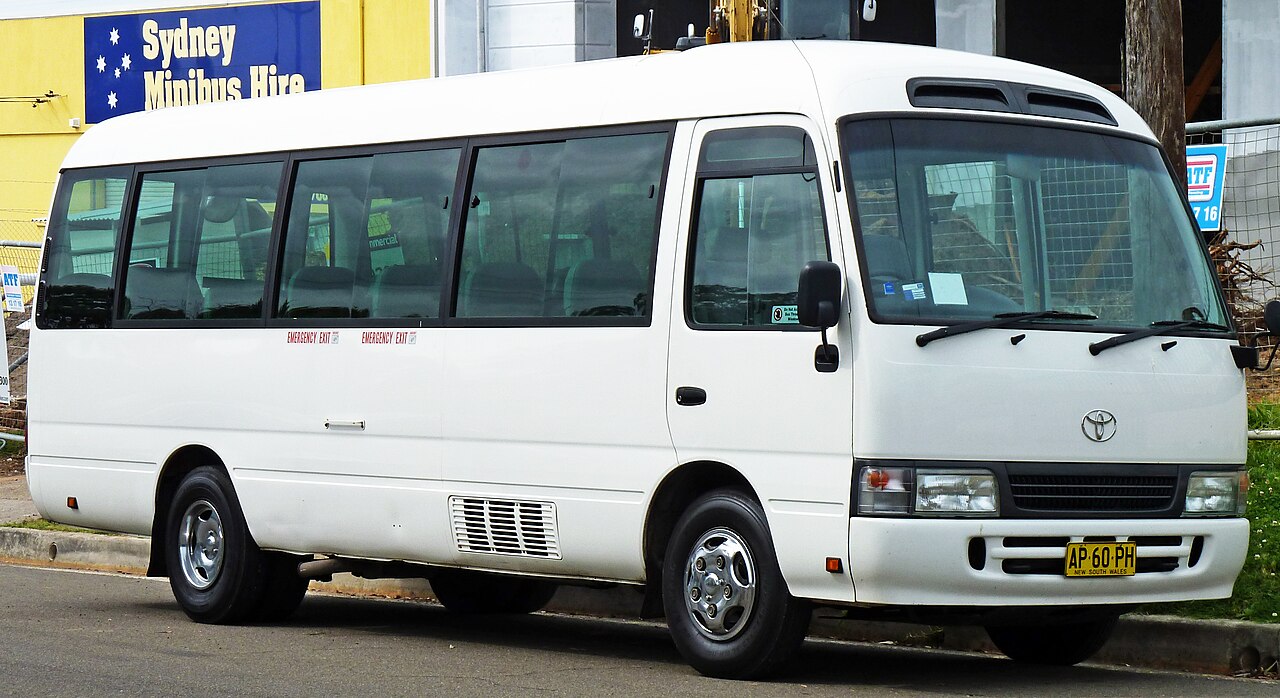
toyota coaster 2005-2015 Common Problems & Issues
The Toyota Coaster is a robust light to medium-duty minibus designed for passenger and commercial transport, widely recognized for its durability and versatility. This report focuses on the third-generation derivatives and their close successors manufactured and sold internationally from approximately the 2002 through 2015 model years. These models are predominantly diesel-powered, available in various wheelbase configurations, and can accommodate up to around 30 passengers. The Coaster's platform is specific to commercial buses, sharing many engine and driveline components with Toyota's light-truck range, such as the 1HD engine family found in the Land Cruiser and heavy-duty Hiace models. This cross-compatibility simplifies parts sourcing and maintenance, a significant advantage for owners. Engine options across the 2005 to 2015 model years typically include diesel units like the 3B (3.4L), 14B series (3.7L), 15B/15B-FTE (4.1L), and the 1BZ, 1HD, 1HD-T, 1HZ, and 1HD variants (4.1–4.2L inline-6 diesel, both naturally aspirated and turbocharged). These engines generally produce between 98 to 170 horsepower and 250 to 400 Nm of torque, depending on their specific configuration and market tuning. Manual transmissions, primarily 5- or 6-speed, are common, though some markets offer automatic or specialized gearboxes. While the Toyota Coaster 2005 and its contemporaries are known for their longevity and reliability, like any vehicle, they are subject to common mechanical issues, particularly those related to diesel fuel systems, drivetrain wear, and cooling under heavy use. Understanding these potential problems, along with proactive maintenance and appropriate parts sourcing, is crucial for maximizing the lifespan and operational efficiency of these dependable buses. The information presented here is compiled from Toyota technical specifications, service documents, owner reports, and regional market insights, aiming to provide a comprehensive guide for owners and prospective buyers. This includes detailed breakdowns of common issues, parts pricing in USD and NGN, maintenance schedules, and accessory recommendations, with specific attention to factors relevant in markets like Nigeria, such as fuel quality and parts availability. The Toyota Coaster 2010, for instance, shares many of these inherent characteristics and potential concerns with other models in this generation. Understanding the specific needs of these vehicles, especially in demanding commercial applications, is key to their sustained performance.
3
Critical
2
Moderate
0
Minor
Known Issues
Diesel Injection and Fuel Delivery Issues
CriticalOwners frequently report hard starting, intermittent loss of power, and noticeable white or black smoke during acceleration, often stemming from fuel system problems. The root causes can range from worn or failed fuel injectors and injection pumps to poor fuel quality, such as water contamination or sediment. Clogged fuel filters and lift pump failures, or air ingress into the fuel lines, are also common culprits. Diagnosis involves fuel pressure and return flow tests, injector balance and leak-off tests, and inspection of the fuel filters, water separator, and lift pump for air leaks. Simple DIY fixes include replacing the fuel filter, draining the water separator, and correctly bleeding the fuel system. More complex professional repairs involve servicing or replacing injectors, diagnosing electronic control units if fitted, and overhauling or replacing the injection pump. Injector replacement can cost $150–$350 each, while injection pump overhauls can range from $800 to $3,500, depending on the engine. These issues are classified as widespread complaints, though specific technical service bulletins (TSBs) may exist for certain injection components depending on the market and engine.
Clutch and Transmission Wear
ModerateManual transmission Coasters can experience gear selection difficulties, noticeable gearbox noise, and clutch slip, particularly under heavy loads or after high mileage. These issues are often driven by the demanding nature of commercial use, including frequent stops and starts, and overloading. Wear on the clutch disc, pressure plate, or dual-mass flywheel (if equipped) is a primary cause, alongside synchro wear within the gearbox itself in high-mileage units. Diagnosis typically involves testing clutch pedal travel, performing a load-based slip test, and analyzing gearbox noise during a road test. Minor DIY fixes might include adjusting the clutch linkage or replacing clutch fluid if the system is hydraulic. Professional repairs usually involve replacing the clutch kit, which includes the disc, pressure plate, and throw-out bearing, costing between $350 and $900 for parts and labor. A full gearbox rebuild can range from $1,000 to $4,000, depending on the extent of internal damage and parts required. This is considered a widespread, usage-driven wear issue.
Brake System Wear and Fade
CriticalThe Coaster's braking system, particularly the rear drum brakes, can experience accelerated wear and fade when operating under heavy loads. Symptoms include reduced stopping power, especially when descending grades with a full load, and potentially squealing or grinding noises from the front disc brakes, along with pedal pulsation. Causes relate to the thermal stress on drum linings from heavy use, glazed friction surfaces, warped rotors, and inadequate cooling for the mass being carried. Diagnosis involves brake performance tests under load and measuring the thickness and runout of drums and rotors. Basic DIY maintenance includes replacing brake shoes or linings and bleeding the hydraulic system. For front brakes, pad and rotor replacement is common. Professional services may extend to inspecting and servicing wheel cylinders, or diagnosing ABS module issues if present. Replacing rear brake shoes per axle can cost $120–$400, while front disc pads and rotors might range from $200 to $600. ABS module repairs can significantly increase costs, from $800 to $2,000. This is a critical safety issue, especially under load, and is classified as a widespread complaint sensitive to maintenance.
Cooling System Leaks and Overheating
CriticalOverheating and coolant loss are common issues in the Toyota Coaster, often caused by aging rubber hoses, radiator corrosion, thermostat failure, or water pump wear. Neglected cooling systems can eventually lead to more serious problems like head gasket failure. Symptoms typically include a rising temperature gauge, visible coolant loss, a distinct coolant smell, or malfunctioning heating systems. Diagnosis involves pressure testing the system, checking coolant conductivity, and visually inspecting hoses, clamps, the radiator, and the water pump for leaks. Simple DIY repairs involve replacing worn hoses, clamps, and the thermostat. Professional services may include radiator repair or replacement, water pump replacement, or, in severe cases, head gasket repair. Replacing hoses and thermostats might cost $100–$350 professionally, while a new radiator can range from $350 to $1,200. A head gasket job is significantly more expensive, typically $1,000–$3,500. Overheating poses a high risk of severe engine damage and is classified as a widespread complaint often linked to maintenance neglect.
Electrical System Gremlins
ModerateVarious electrical issues can affect the Toyota Coaster, including no-start conditions, intermittent power loss, battery drain, and dim lighting. These problems often arise from the stresses of heavy-duty use, poor grounding connections, corroded wiring terminals, or aging components like the alternator and starter motor. Diagnostic steps include performing battery load tests, checking starter current draw, testing alternator output, and thoroughly inspecting grounding points. Basic DIY fixes involve cleaning and tightening ground connections and battery terminals, or replacing battery cables. Professional repairs typically focus on replacing the starter motor or alternator, or repairing damaged wiring harnesses. A replacement battery can cost $120–$250, while a new starter might be $200–$650, and an alternator $250–$900. While these issues can strand the vehicle, they are often relatively straightforward and less expensive to resolve compared to major mechanical failures, making them a medium severity concern with common frequency.
What to Check Before Buying
The Toyota Coaster is widely regarded as a durable and long-lasting vehicle, especially when subjected to consistent and proper maintenance. Its robust diesel engines and heavy-duty chassis are built for demanding commercial applications and can achieve high mileage. However, the reality of heavy-duty usage, combined with potential issues like poor fuel quality and inadequate cooling system upkeep, are common drivers of component failures. Owners should be aware that high-cost repairs, such as those involving the injection pump, turbocharger, full gearbox rebuilds, or engine head gasket replacements, can occur. The most frequently replaced parts over the lifespan of a Coaster typically include fuel filters, injectors (over time), clutches, brake shoes and linings, batteries, cooling system hoses, and starter or alternator components. To ensure long-term ownership and reliability, it is crucial to maintain a documented service history, with particular attention paid to the fuel system and cooling system maintenance. This proactive approach helps preserve engine life and significantly reduces the risk of costly failures like injector or pump issues. Planning for periodic replacement of wear items such as clutches and brakes is also essential for operational safety and efficiency. In markets like Nigeria, owners must factor in the impact of heavy import duties and the logistics of spare parts availability when calculating the total life-cycle costs of operating a Coaster. The resale value and overall reliability of a used Coaster are heavily influenced by its maintenance history. Vehicles with documented, consistent servicing of the fuel system, cooling system, and regular oil changes demonstrate a markedly lower risk profile for major component failures. Buyers in used markets, especially in Nigeria, place a strong emphasis on evidence of injector and turbocharger service. Therefore, keeping meticulous records of all maintenance and repairs is not only good practice for reliability but also enhances the vehicle's market value. Before purchasing a used Toyota Coaster from the 2005–2015 generation, a thorough inspection is vital. Buyers should verify the service history, paying close attention to records of fuel system maintenance and coolant/oil changes. A test drive should reveal how the vehicle performs under load, observing for any unusual smoke, clutch operation issues, or signs of overheating. A detailed examination of the brake drums, steering play, and overall condition of the chassis is also recommended. For diesel engines, consider performing a compression test or an injector leakage/return flow test to assess their condition. Proactive maintenance is the cornerstone of Coaster ownership. This includes regular oil changes using appropriate heavy-duty diesel oil and OEM filters, especially for turbocharged engines where oil supply and cleanliness are critical. Fuel filters and water separators should be serviced frequently, particularly in regions with variable fuel quality like Nigeria, to prevent contamination that leads to injection system failures. Inspecting cooling system hoses and clamps biannually and ensuring the correct coolant concentration with corrosion inhibitors helps prevent overheating and potential head gasket damage. Protecting electrical connectors with dielectric grease and addressing any signs of corrosion early can prevent electrical gremlins and no-start situations. Adhering to the factory maintenance schedule, which typically includes oil changes every 5,000–10,000 miles, fuel filter checks every 10,000–20,000 miles, and more comprehensive inspections at major mileage intervals (30k, 60k, 90k, 120k miles), is highly recommended. For commercial vehicles, especially those operating in harsh conditions, performing these services more frequently than the standard schedule is often prudent. For example, clutch life is heavily dependent on load and driving style, with commercial Coasters potentially needing replacements every 80,000–160,000 km under heavy-duty use. Similarly, brake hardware requires more frequent inspection on routes with frequent stops or heavy loads. Neglecting these maintenance tasks can lead to significantly higher repair costs and reduced vehicle lifespan.
Where to Buy Parts
Frequently Asked Questions
Is the 2007 Toyota Coaster reliable for passenger transport?+
The 2007 Toyota Coaster is generally considered reliable for passenger transport when properly maintained. Key areas to focus on are the fuel system, ensuring frequent filter changes and draining of water separators, along with regular clutch service and coolant system checks. Neglecting these critical components can lead to expensive failures such as injector or pump issues, or head gasket repairs, impacting overall reliability.
What are the most expensive repairs for a 2010 Toyota Coaster?+
Major engine repairs like head gasket replacement, turbo rebuilds, or full engine overhauls are among the most expensive. Additionally, replacing or rebuilding the injection pump and performing a complete gearbox rebuild represent significant costs for a 2010 Toyota Coaster. Owners should anticipate repair costs ranging from $2,000 to $6,000 for these major engine or drivetrain overhauls, depending on parts and labor rates.
How often should I change fuel filters on a Coaster operating in Nigeria?+
Given the typical fuel quality in Nigeria, it is highly recommended to replace the primary fuel filter and drain the water separator every 8,000 to 16,000 kilometers, or approximately every 3 to 6 months. Inspect and replace them even more frequently if you suspect poor fuel quality. Consistent fuel filter maintenance is crucial for preventing costly failures in the injector and injection pump systems.
Can I use aftermarket injectors and turbo parts without major risk?+
Using quality aftermarket or rebuilt injectors and turbo parts can be a cost-effective solution. However, it is essential to ensure proper fitment, calibration, and cleanliness during installation. Substandard injectors can lead to rough running and potential engine damage. It is advisable to purchase these components from reputable suppliers and, if possible, have injectors flow-tested and calibrated before fitting them.
What routine checks should a buyer inspect before purchasing a used 2005–2015 Coaster?+
Before buying a used Toyota Coaster from the 2005–2015 range, thoroughly check its service history, focusing on fuel system and coolant/oil change records. During a test drive, observe for smoke, clutch operation, and any signs of overheating. Inspect brake drums, steering play, and the overall chassis condition. For diesel engines, a compression test or injector leakage test can provide valuable insight into their health.