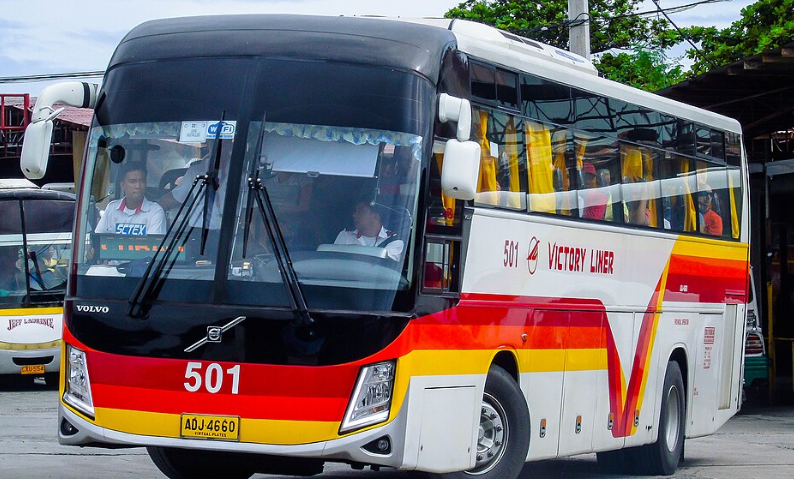
volvo b7r 2005-2015 Common Problems & Issues
The Volvo B7R is a robust, high-floor bus chassis primarily designed for intercity, coach, and regional transport applications. It is characterized by its rear-mounted, longitudinally positioned 7.1-liter diesel engine, a sophisticated air suspension system on both axles, and a reliable braking system featuring ABS and EBS. The chassis is typically built on a body-on-frame structure, allowing various specialized bodybuilders to construct the final bus body, leading to diverse configurations and features depending on the operator's needs and geographical market. Production of the first-generation B7R spanned from 1997 to 2019, with the period between 2005 and 2015 representing its mature phase. During these years, Euro 3, 4, and 5 compliant engine variants, such as the D7C and D7E, were dominant, offering power outputs typically ranging from 250 to 310 horsepower and substantial torque. Transmission options commonly included ZF 6-speed automatic gearboxes (like the 6HP554C Ecomat or 6AP1400B ECOLIFE), though some manual and Voith 4-speed automatic options were available, particularly for city bus variants (B7RLE). While direct comparisons to passenger cars are limited due to its dedicated commercial vehicle platform, the B7R is part of Volvo's broader B-series bus chassis family. Its reputation is that of a durable and capable workhorse, but like any commercial vehicle, it is subject to specific wear-and-tear issues, particularly concerning its air suspension, electronic braking systems, and susceptibility to fuel quality variations in certain markets. Understanding these common problems, maintenance requirements, and parts availability is crucial for operators aiming for longevity and operational efficiency with their Volvo B7R buses.
1
Critical
4
Moderate
0
Minor
Known Issues
Air Suspension System Leaks and Valve Failures
ModerateThe air suspension system on the Volvo B7R, while providing a comfortable ride, is prone to leaks and component failures over time, especially in challenging climates. Symptoms include the bus sagging on one side or overall, an unreliable kneeling function, the air compressor running continuously, and dashboard warning lights related to suspension or air pressure. Causes often stem from aging air bags (bellows) developing cracks, worn suspension valves or height control valves, and corrosion of air lines in humid or tropical environments. Diagnosis involves listening for leaks, using soapy water, and checking suspension control valve outputs. Simple DIY fixes include replacing cracked air bags or sections of air lines. Professional repairs may involve a full air suspension kit replacement, compressor refurbishment, or ECU diagnostics. A single air bag can cost between $100-$250 aftermarket to OEM, with full system replacements ranging from $1,200-$2,200 plus labor. Severity is medium to high due to impacts on safety and ride quality.
ZF Automatic Gearbox Oil Leaks and Overheating
ModerateZF automatic gearboxes used in the Volvo B7R can suffer from oil leaks and overheating, leading to performance issues and potential damage. Symptoms include visible oil on the underbody near the gearbox, warning lights, delayed or harsh shifts (especially when hot), and high gearbox oil temperature alerts. These problems are often caused by aging seals (input/output shaft, torque converter), clogged oil coolers, or low/contaminated oil levels. Diagnosis involves checking for external leaks, inspecting the oil cooler for blockages, and monitoring oil temperature. DIY fixes might include replacing the oil filter and flushing the system with the correct ZF oil. Professional repair often involves replacing the full seal kit, cleaning or replacing the oil cooler, and potential ECU reprogramming. A seal kit replacement with fluid and labor can range from $900-$1,600. This issue is medium to high in severity as it can lead to complete gearbox failure if not addressed.
EBS/ABS Electrical and Sensor Faults
CriticalThe Electronic Braking System (EBS) and Anti-lock Braking System (ABS) on the Volvo B7R are critical for safety but can experience electrical and sensor faults. Common symptoms include ABS/EBS warning lights on the dashboard, inconsistent braking feel, or "brake fault" messages. These issues often arise from corroded wheel speed sensor connectors, particularly in humid or dusty climates, failed ABS/EBS modulators or control units, or wiring harness damage. Diagnosis requires reading fault codes with a diagnostic tool, checking sensor resistance, and inspecting wiring and connectors. DIY solutions include cleaning and sealing sensor connectors or replacing individual wheel speed sensors. Professional repairs might involve replacing the EBS modulator or control unit, rewiring harnesses, and system recalibration. A wheel speed sensor costs $60-$120, while an EBS modulator can range from $300-$550 aftermarket, with full system repairs reaching $1,100-$2,000. Severity is high due to the direct impact on braking safety.
Diesel Fuel System Contamination and Filter Issues
ModerateContamination in the diesel fuel system is a recurring problem for Volvo B7R buses, especially in regions with variable fuel quality. Symptoms include rough engine running, loss of power, engine limp mode or shutdown, and frequent fuel filter clogging. The primary causes are poor fuel quality, failure to regularly drain the water separator, or contaminated fuel tanks. Diagnosis involves checking the water separator for water and sludge, inspecting fuel filters for excessive debris, and scanning for fuel system fault codes. Regular draining of the water separator and timely replacement of fuel filters (typically every 30,000 km) are crucial DIY preventative measures. Professional services include fuel tank cleaning and injector testing if contamination is severe. A fuel filter costs $25-$45, and a water separator $40-$80. Fuel system cleaning and filter replacement can range from $400-$800. This issue is medium in severity, as it can lead to significant engine damage if neglected.
Cooling System Leaks and Overheating
ModerateThe cooling system of the Volvo B7R can develop leaks and lead to overheating, particularly under load or in hot weather. Symptoms include low coolant level warnings, engine overheating, visible leaks from hoses, the radiator, or the water pump, and the smell of coolant. Aging hoses and gaskets, corrosion in the radiator, or wear in the water pump are common causes. Diagnosis involves pressure testing the cooling system and visually inspecting components for leaks. Simple DIY fixes include replacing cracked hoses and topping up coolant. Professional repairs often involve radiator replacement or repair, water pump and gasket replacement, and a full system flush. A radiator can cost $200-$400 aftermarket, and a water pump $120-$220. A full cooling system repair, including labor, can range from $600-$1,200. This problem is medium to high in severity due to the risk of severe engine damage from overheating.
What to Check Before Buying
The Volvo B7R bus chassis, particularly models from 2005 to 2015, is recognized globally as a durable and capable platform for intercity and coach operations. Its reputation for reliability is strong, largely due to its robust engine and transmission options, typically paired with a well-engineered air suspension system. However, like any commercial vehicle, its longevity and operational efficiency are heavily dependent on consistent and appropriate maintenance, especially when operated in demanding environments such as those found in tropical climates or areas with variable fuel quality.
Owners and operators should pay close attention to the air suspension system. While it provides excellent ride comfort, it is susceptible to leaks from aging air bags (bellows), worn height control valves, and corrosion in air lines, particularly in humid conditions. Regular inspections for cracks in the air bags and listening for leaks are essential. Proactive replacement of air bags before they fail completely can prevent more costly secondary damage and ensure the bus maintains its proper ride height and kneeling function. Full system overhauls, while expensive, can restore optimal performance.
The ZF automatic gearboxes, while generally reliable, require diligent attention to oil quality and temperature. Using the correct ZF-specified fluid and adhering to the recommended oil and filter change intervals (typically every 60,000 km, or sooner in harsh conditions) is paramount. Overheating or using incorrect oil can lead to seal failures and expensive repairs. Operators should monitor gearbox warning lights and shift quality closely.
Electrical systems, specifically the EBS/ABS components, are critical for safety. Wheel speed sensors and their connectors are vulnerable to corrosion and moisture ingress, leading to warning lights and potential braking issues. Regular inspection and cleaning of these connectors, especially in damp climates, can prevent failures. If an EBS modulator or control unit fails, it represents a significant expense, underscoring the importance of preventative electrical maintenance.
Fuel quality is another significant factor impacting the B7R's reliability. In markets where fuel quality is inconsistent, the diesel fuel system is prone to contamination. This necessitates frequent draining of the water separator and timely replacement of fuel filters. Neglecting this can lead to rough running, power loss, and potentially severe damage to injectors and the engine itself. Using fuel additives in such conditions can be beneficial.
Cooling system maintenance is vital, especially in hot climates. Hoses and seals can degrade over time, leading to leaks and overheating. Regular pressure testing of the cooling system and inspection of hoses can catch potential issues before they cause engine damage.
For long-term ownership, maintaining a detailed service history is invaluable. This not only helps in diagnosing issues but also significantly impacts the resale value of the bus. Buses with documented maintenance, particularly for the critical systems like the gearbox, air suspension, and engine, command higher prices and are more desirable to potential buyers.
In summary, the Volvo B7R 2005–2015 is a solid investment for bus operators. Its inherent durability is undeniable, but realizing its full potential requires a proactive approach to maintenance, with a keen focus on its known weak points: air suspension, EBS electronics, gearbox care, and fuel system integrity, particularly when operating in challenging environmental conditions. Regular inspections, timely part replacements, and using quality consumables are the keys to maximizing the lifespan and minimizing the operational costs of these capable buses.
Where to Buy Parts
Frequently Asked Questions
Is the 2008 Volvo B7R bus reliable for long-haul intercity operations?+
The 2008 Volvo B7R, equipped with the D7C or early D7E engine, is generally considered reliable for long-haul intercity use if maintenance is strict. Owners report good engine durability and gearbox performance, but air suspension and EBS electronics are the main weak points. In tropical climates, suspension bags and wiring connectors may need earlier replacement. With proper service history, a 2008 B7R can still operate efficiently for many more years.
What are the most common problems with the 2012 Volvo B7R bus?+
Common problems on 2012 B7R buses include air suspension leaks (sagging, kneeling issues), EBS/ABS warning lights due to sensor or modulator failures, and gearbox oil leaks or overheating. Fuel system contamination is also frequent in markets with poor fuel quality. These issues are mostly wear-related and maintenance-dependent rather than design defects.
How often should the gearbox oil be changed on a Volvo B7R bus?+
Factory schedule recommends gearbox oil and filter every 60,000 km. In hot, dusty, or high-load conditions (common in Nigeria and similar climates), many operators shorten this to 45,000–50,000 km. Using the correct ZF oil class and monitoring gearbox temperature are critical to avoid seal failures and shift problems.
Are Volvo B7R bus parts available in Nigeria, and what are the price ranges?+
Yes, Volvo B7R parts are available in Nigeria through imported truck/bus parts suppliers in Lagos (e.g., Idi-Araba, Mile 12), Abeokuta, and Abuja. Prices vary by origin (OEM vs aftermarket) and supplier. Basic items like filters and brakes are relatively affordable, while electronics (EBS modulators, control units) and suspension components are more expensive due to import costs.
What is the expected lifespan of a Volvo B7R bus chassis with good maintenance?+
With disciplined maintenance and reasonable operating conditions, a B7R chassis can reach 600,000–1,000,000 km before major engine or gearbox work. Air suspension and electronics may require more frequent replacement, especially in tropical climates. Longevity depends heavily on fuel quality, route conditions, and adherence to service intervals.
Also worth reading
volvo b7r 2005-2015 Spare Parts & Pricing