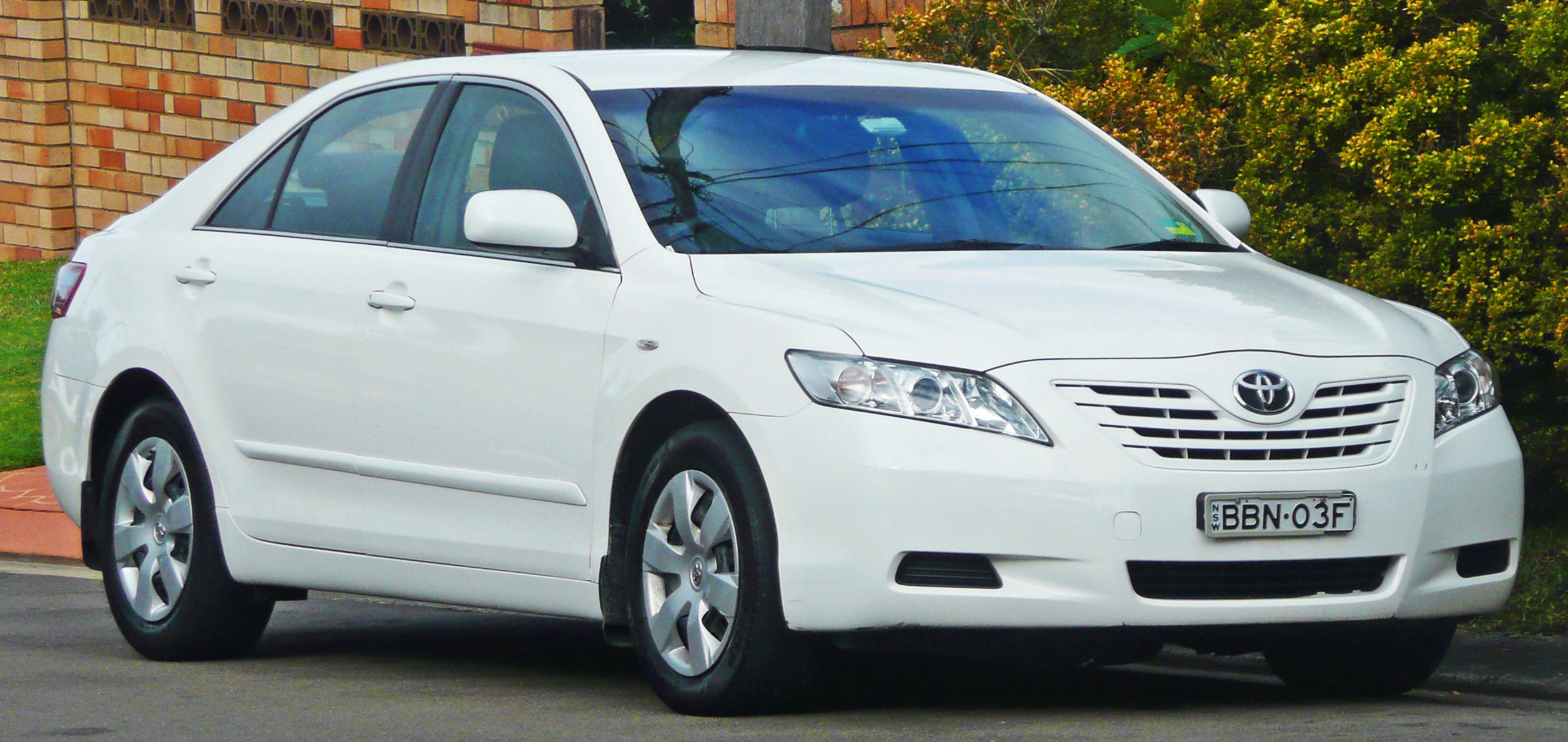
toyota camry 2007-2011 Common Problems & Issues
The sixth-generation Toyota Camry, internally designated as the XV40, made its debut in 2006 as a 2007 model year vehicle. This iteration represented a significant design evolution from its predecessor, the XV30, featuring a more aggressive exterior aesthetic, an extended wheelbase, and notable enhancements in interior quality and refinement. While primarily engineered with the North American market in mind, the XV40 Camry's manufacturing footprint was global, with production facilities spanning Japan, China, Australia, and Russia, alongside its primary assembly in the United States. This generation of the Camry was offered with a range of powertrain options to suit diverse market needs and preferences. The most common engine was the 2.4-liter 2AZ-FE inline-four, delivering between 158 and 167 horsepower and 218–224 Nm of torque, typically paired with a 5-speed automatic or 5-speed manual transmission. For those seeking more robust performance, the 3.5-liter 2GR-FE V6 engine was available, producing 268–277 horsepower and 334–346 Nm of torque, exclusively mated to a 6-speed automatic transmission. A hybrid variant, combining the 2.4-liter 2AZ-FXE inline-four with an electric motor for a combined output of 187 horsepower, utilized a continuously variable transmission (CVT), offering impressive fuel efficiency. In the US market, the Camry XV40 was available in various trim levels, including the CE, LE, SE, and XLE for the 2.4L models, with dedicated SE V6 and XLE V6 trims for the V6 engine, and an XLE Hybrid trim for the electrified version. The XV40 platform showcased Toyota's engineering versatility, sharing components and architectural principles with other vehicles in its lineup, such as the Toyota RAV4 (XA30) for certain suspension elements, and being related to the Lexus ES330/ES350, albeit with different tuning. It also formed the basis for the Toyota Aurion, a variant marketed in Australia and parts of Asia. Production for the XV40 generation generally ran from 2006 to 2011, covering the 2007 to 2011 model years in the US and many global markets. However, in some regions like Japan, Thailand, China, Australia, and Russia, production or sales continued beyond 2011, indicating its enduring popularity and adaptability across different automotive landscapes. This guide aims to provide prospective buyers and current owners of the 2007-2011 Toyota Camry with comprehensive insights into its common problems, maintenance requirements, and associated repair costs.
1
Critical
4
Moderate
0
Minor
Known Issues
Excessive Oil Consumption (2AZ-FE 2.4L)
CriticalOwners of the 2.4L 2AZ-FE engine often report that their oil level drops much faster than anticipated, sometimes consuming as much as one quart every 1,000–1,500 miles. This can lead to low oil warning lights illuminating and, in severe cases, audible engine knock or lifter tick. The root cause is attributed to defective piston rings that have poor seating and weak tension, allowing engine oil to bypass into the combustion chamber. Diagnosing this involves frequently checking the oil level, meticulously monitoring consumption over time, and observing for blue smoke from the exhaust. Internal inspection of piston ring condition and cylinder wear can confirm the issue. While temporary DIY measures like more frequent oil changes (every 3,000–5,000 miles) and using a slightly higher viscosity oil (e.g., 10W-30 instead of 5W-30) can mitigate symptoms, the professional fix typically involves replacing the piston rings or, in extreme cases, a complete engine replacement.
Dashboard Melting / Sticky Instrument Panel
ModerateA common aesthetic issue observed in the Camry XV40 is the degradation of the dashboard surface, which becomes sticky, shiny, or develops cracks. When the interior cools, the surface may appear chalky, but it returns to a sticky state when exposed to heat. This problem stems from the degradation of the instrument panel safety pad material, particularly in environments with high heat and humidity. Diagnosis is straightforward, requiring only a visual inspection to confirm the sticky or shiny condition. There are no effective DIY fixes, as cleaning only offers temporary relief from the stickiness. The only permanent professional repair involves replacing the entire instrument panel safety pad sub-assembly. Toyota issued a Technical Service Bulletin (T-SB-0039-15) regarding this issue, and while not a safety recall, it was covered under the basic warranty period for affected vehicles.
Transmission Hesitation / Shifting Issues
ModerateOwners may experience various transmission-related problems, including a delayed engagement when accelerating from a stop, harsh or slipping shifts between gears, or an intermittent shudder sensation at cruising speeds. These symptoms can be indicative of worn internal transmission components, issues with the transmission solenoids, or simply old, degraded, or contaminated transmission fluid. Diagnostic steps include checking the condition and level of the transmission fluid and scanning the vehicle's computer for any stored transmission-related diagnostic trouble codes. A potential DIY fix for minor issues might be a transmission fluid change and filter replacement if the filter is easily accessible. However, more severe problems typically require professional intervention, such as replacing the solenoid pack, servicing the clutch packs, or performing a full transmission rebuild.
V6 Timing Chain Rattle (2GR-FE 3.5L)
ModerateOwners of the 3.5L 2GR-FE V6 engine may notice a distinct rattling noise emanating from the front of the engine, particularly during cold starts. This noise often diminishes or disappears as the engine warms up. The underlying causes typically involve wear in the timing chain tensioners, which can lead to excessive chain slack, or wear in the timing chain guides. Diagnosis primarily relies on listening for the characteristic rattle during cold start-ups. A more thorough inspection by a professional can assess the condition of the tensioner and the timing chain itself. There are no effective DIY fixes for this issue, as it requires internal engine access. Professional repair entails replacing the timing chain, along with its tensioners and guides, to restore proper operation and eliminate the noise.
AC Evaporator Leak / Poor Cooling
ModerateA common complaint among XV40 Camry owners is a failing air conditioning system that blows warm air instead of cool. This often points to a leak in the AC system, specifically a corroded or leaking evaporator. Other potential issues include problems with the compressor or condenser. Symptoms typically include a noticeable reduction in cooling performance, low refrigerant pressure readings, or signs of moisture (refrigerant dye) around AC components. Diagnosis involves performing a pressure test on the AC system and conducting a dye inspection to pinpoint the exact location of any leaks. Unfortunately, there are no effective DIY fixes for an evaporator leak, as it requires specialized tools and expertise. Professional repair usually involves replacing the evaporator or, in some cases, a more comprehensive repair of the entire AC system to restore optimal cooling function.
What to Check Before Buying
The 2007-2011 Toyota Camry (XV40) generally holds a strong reputation for reliability across global markets, particularly the V6 and hybrid variants. However, it is crucial for prospective buyers and current owners to be aware of the specific challenges associated with this generation. The 2.4L 2AZ-FE engine, in particular, has a well-documented and widespread issue with excessive oil consumption, which can significantly impact its overall reliability perception and lead to costly repairs if not addressed promptly and properly.
When considering long-term ownership of an XV40 Camry, expect certain high-cost repairs to potentially arise. The most significant is addressing the 2AZ-FE engine's oil consumption, which could necessitate piston ring replacement or even a full engine replacement, costing anywhere from $2,400 to $2,700 (₦3.5M–₦4.5M). Transmission rebuilds are another substantial expense, ranging from $1,500 to $2,500 (₦2.2M–₦3.5M). For V6 models, replacing the timing chain and associated components could cost $1,200 to $2,000 (₦1.8M–₦3.0M). Lastly, replacing a melting or sticky dashboard, though largely an aesthetic issue, can still set owners back $500 to $700 (₦750k–₦1.1M).
Beyond these major repairs, certain parts are frequently replaced as part of routine maintenance or due to wear and tear. These include oil filters and oil (especially critical for 2AZ-FE engines due to consumption), brake pads and discs, front struts and shocks for suspension integrity, and spark plugs as per the service schedule. Components like alternators and starter motors may also require replacement after the 100,000-mile mark.
For optimal longevity and to preserve resale value, a comprehensive maintenance history is paramount. Camrys with well-documented service records tend to command significantly higher resale values. Owners of the 2.4L 2AZ-FE should be vigilant about oil levels, while V6 owners generally report fewer major engine issues but face higher fuel costs. Hybrid models offer excellent fuel economy but introduce the complexity and potential future cost of battery replacement after 10+ years of service.
In regions with hot and dusty climates, such as many parts of the world, including Nigeria, specific maintenance adjustments are highly recommended. Shorten oil change intervals to every 3,000–5,000 miles (or 3-4 months), rather than the extended factory intervals, due to increased heat and dust exposure. Always use high-quality filters and fluids that are rated for tropical conditions. Regularly inspect and maintain the cooling system, ensuring it is clean and free of leaks to prevent overheating. Suspension and steering components should be checked more frequently due to varied road conditions. It is also advisable to avoid prolonged idling in high heat and ensure that the AC and cooling systems are always functioning optimally.
Be attentive to warning signs of overdue maintenance. A low oil warning, increased consumption, or unusual engine noises point to oil-related issues. Transmission slipping, hesitation, or strange noises signal transmission problems. A high-temperature gauge, steam from the engine bay, or a sweet smell indicate cooling system distress. Rough idling, misfire codes, or poor acceleration suggest spark plug issues. Finally, clunks, wandering steering, or uneven tire wear are indicators of suspension problems.
With diligent care, the 2AZ-FE and 2GR-FE engines can last 200,000–300,000 miles, though the 2AZ-FE is more sensitive to oil management. Transmissions can reach 150,000–250,000 miles with regular fluid service. Suspension components typically last 100,000–150,000 miles before major wear. Batteries usually require replacement every 3–5 years. While electronics are generally robust, sensor failures can become more common after 150,000 miles. Following these best practices will help ensure your Toyota Camry XV40 remains a reliable and valuable asset for many years.
Where to Buy Parts
Frequently Asked Questions
Is the 2007 Toyota Camry 2.4L reliable?+
The 2007 Toyota Camry with the 2.4L 2AZ-FE engine is generally considered reliable for its overall build quality. However, it has a notable issue with excessive oil consumption due to defective piston rings. In hot and dusty climates, this problem can be exacerbated if oil changes are infrequent. Owners should monitor oil levels monthly and adhere to a 3,000–5,000 mile oil change interval. If the issue is not addressed, it can lead to internal engine damage. With diligent maintenance, it can still be a dependable car, but pre-purchase inspections for oil consumption signs are crucial.
What is the most common problem with the 2008 Toyota Camry?+
The most common problem with the 2008 Toyota Camry, especially the 2.4L 2AZ-FE engine, is excessive oil consumption. Many owners report needing to add oil between scheduled changes, sometimes as much as one quart every 1,200 miles. This is caused by defective piston rings that allow oil to pass into the combustion chamber. Over time, this can lead to engine knock, lifter noise, and even engine failure. Toyota issued a Technical Service Bulletin (TSB) for this issue. The recommended fix, piston ring replacement or a full engine replacement, can cost between $2,400 and $2,700 (₦3.5M–₦4.5M).
How reliable is the 2010 Toyota Camry V6 compared to the 2.4L?+
The 2010 Toyota Camry with the 3.5L 2GR-FE V6 engine is generally more reliable than the 2.4L 2AZ-FE, particularly concerning major engine issues like oil consumption. The V6 typically does not suffer from this widespread problem, though it can develop a timing chain rattle on cold starts due to worn tensioners. Overall, the V6 is a robust engine capable of reaching 200,000–300,000 miles with proper maintenance. Its main drawback is higher fuel consumption. For buyers prioritizing long-term reliability over fuel economy, the V6 Camry is often a better choice, provided the transmission and suspension have been well-maintained.
What are the typical repair costs for a used Toyota Camry?+
For a used 2007–2011 Toyota Camry, common repair costs include: oil consumption repair (piston rings) at ₦3.5M–₦4.5M, transmission rebuild at ₦2.2M–₦3.5M, V6 timing chain at ₦1.8M–₦3.0M, and dashboard replacement at ₦750k–₦1.1M. Routine maintenance like oil changes is much cheaper, around ₦60k–₦120k per service. Buyers should budget for at least ₦500k–₦1M for initial repairs and inspections when purchasing a used Camry, especially if its maintenance history is unclear, to ensure peace of mind and address any latent issues.
How often should I service a 2007–2011 Toyota Camry in hot and dusty conditions?+
In hot and dusty environments, it is advisable to service the 2007–2011 Toyota Camry more frequently than the standard factory schedule. Oil and filter should be changed every 3,000–5,000 miles (or every 3–4 months), not every 10,000 miles. Transmission fluid should be replaced every 40,000–60,000 miles, and coolant flushed every 4 years. Spark plugs, air filters, and suspension components should be inspected every 30,000 miles and replaced as needed. This accelerated schedule significantly reduces the risk of oil consumption, transmission failures, and cooling system problems, helping the Camry achieve its full lifespan.
What is the expected lifespan of a 2007-2011 Toyota Camry?+
With proper maintenance, the 2007-2011 Toyota Camry is known for its impressive longevity. The 2AZ-FE and 2GR-FE engines can typically last between 200,000 and 300,000 miles, though the 2AZ-FE requires vigilant oil monitoring. The automatic transmissions, with regular fluid service, often reach 150,000–250,000 miles. Suspension components usually last 100,000–150,000 miles before needing major replacements. Regular inspections and timely repairs are key to maximizing the lifespan of all components, ensuring the Camry remains a reliable vehicle for many years.
How does maintenance history affect the resale value of an XV40 Camry?+
Maintenance history plays a critical role in the resale value of a 2007-2011 Toyota Camry (XV40). Vehicles with comprehensive and documented service records can command a 10–20% higher resale price, as buyers have greater confidence in the car's condition and reliability. Conversely, a neglected 2AZ-FE engine with unresolved oil consumption issues can significantly deter buyers and drastically reduce the vehicle's market value. A clear history of regular oil changes, transmission fluid services, and timely repairs demonstrates responsible ownership and ensures peace of mind for future owners.
Also worth reading
toyota camry 2007-2011 Spare Parts & Pricing