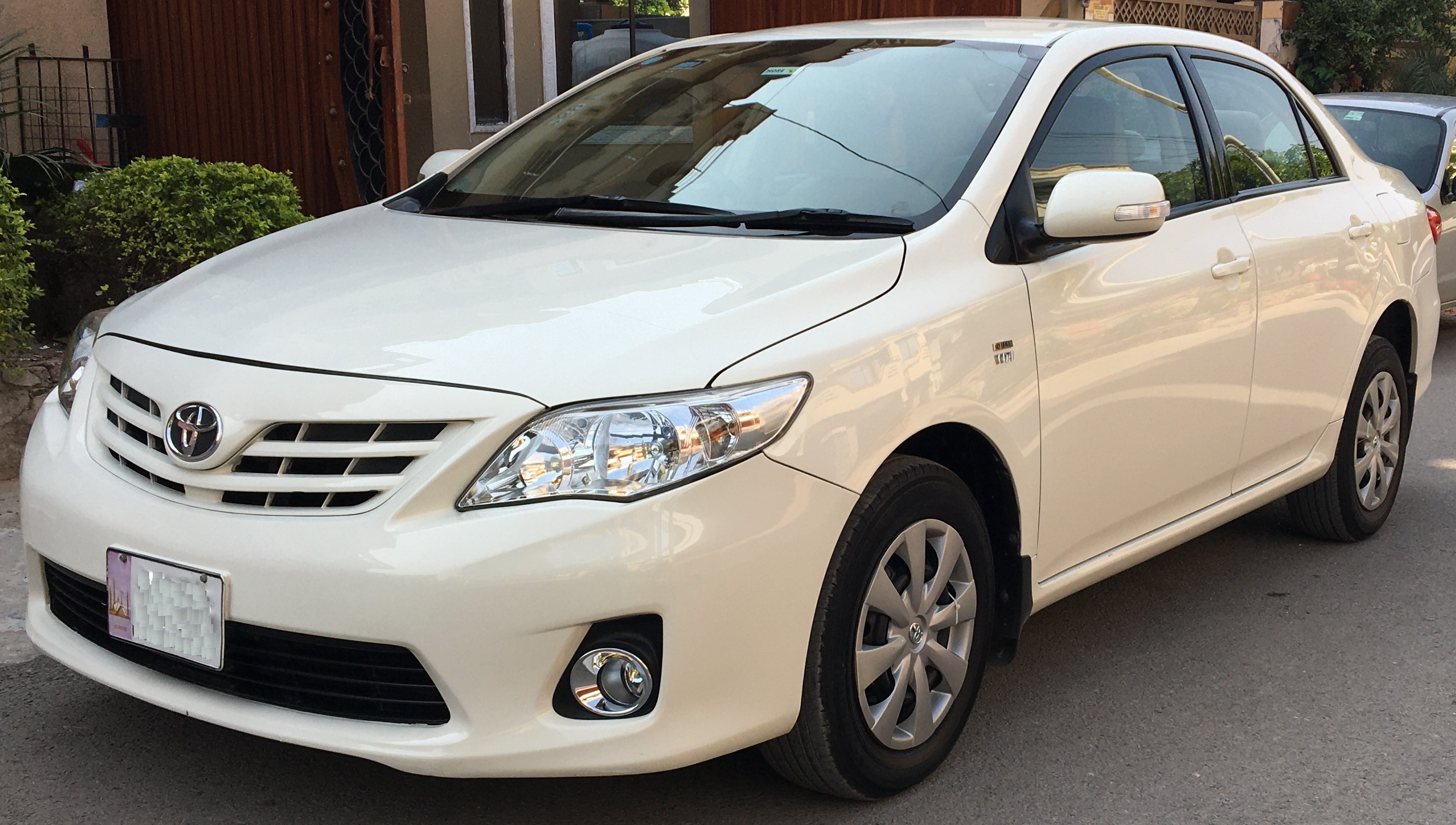
toyota corolla 2009-2013 Common Problems & Issues
The 2009–2013 Toyota Corolla falls within the tenth-generation Corolla family, often referred to as E140/E150. This compact sedan was sold globally, featuring various market-specific engines and equipment. While the full generation technically spanned from around 2006 to 2012 in many regions, the 2009–2013 range specifically covers the most relevant late-generation cars and facelifted versions that were widely available worldwide during that period. This guide focuses on these specific model years, providing insights into their common issues, maintenance, and ownership. Engine choices for this generation typically included a 1.3L, 1.6L, and 1.8L gasoline lineup across many markets. Diesel variants were also available in Europe and other regions. Power outputs commonly ranged from approximately 90 hp to 126 hp, depending on the specific engine and market. For instance, facelifted 1.6-liter versions often featured the 1ZR-FE family engine in various specifications. Broader listings also indicate 1.3, 1.6, and 2.0 diesel options within the same body generation. Transmission options varied by market and trim level. The Corolla was commonly offered with both manual and automatic gearboxes. Some markets also utilized Toyota’s MMT (MultiMode Manual Transmission) automated manual transmission. This car is a front-wheel-drive compact sedan built on Toyota’s global compact platform architecture. This shared engineering approach contributed to commonality of parts and generally straightforward repairs across the broader Toyota ecosystem. Globally, and particularly in markets like Nigeria, the Corolla’s enduring reputation is built on its simple mechanical design, widespread parts availability, and high familiarity among automotive technicians. This is a crucial factor, as the best ownership experience often depends less on the brand badge itself and more on whether a particular vehicle has been correctly maintained throughout its life and repaired with appropriate, quality parts. The Corolla E140/E150 generation is best understood as a global vehicle family with distinct regional differences, rather than a single, identical car sold everywhere. Technical databases confirm the sedan body style was paired with multiple engine options and both manual and automatic configurations across the generation. The facelift period, which includes the 2009-2013 models, continued to offer 1.3, 1.6, and diesel engines in different markets. Common trim nomenclature varies by country, but buyers typically encounter base, mid-range, and higher-end trims. These distinctions usually manifest in differences such as wheel designs, infotainment systems, seat fabric, the inclusion of fog lights, alloy wheels, and safety equipment. In practical terms, a higher-trim Corolla from this era often shares the same core engine and suspension components as a base model, which is beneficial when sourcing replacement parts. Because the Corolla was manufactured for such a diverse range of markets, it is critically important for owners and prospective buyers to verify the exact engine code and transmission code before purchasing parts. This is particularly relevant in regions where imported used cars may originate from various parts of the world, including the U.S., Europe, the Middle East, or Asia. Visual similarity alone does not always guarantee parts interchangeability.
3
Critical
1
Moderate
0
Minor
Known Issues
Excessive Oil Consumption
CriticalThis is one of the most frequently reported issues for the 2009 Toyota Corolla, often cited as a significant problem. Owners commonly experience frequent low-oil warnings, may observe blue exhaust smoke, and find oil-soaked spark plugs or oily deposits in the intake system. The primary symptom is the necessity to regularly top up engine oil between scheduled services. Drivers might not initially notice dramatic mechanical noises, which can lead to the issue being overlooked until more extensive and costly damage occurs. The root causes often include worn piston rings, general cylinder wear, issues with the PCV (Positive Crankcase Ventilation) system, or the cumulative effect of extended oil change intervals. In the used car market, particularly with auction imports, an uncertain maintenance history can exacerbate this problem. Diagnosis involves monitoring oil levels over several hundred miles, thoroughly inspecting for external leaks, examining spark plugs for oil fouling, and performing compression or leak-down testing if consumption is severe. A mechanic should also check the PCV valve and the entire intake system before concluding the engine is condemned. While DIY steps like using the correct oil viscosity, maintaining oil levels, replacing the PCV valve, and shortening service intervals can mitigate symptoms, they do not resolve underlying internal wear. Professional repair may involve valve-cover gasket replacement, PCV system service, engine resealing, or a complete engine rebuild or replacement if the wear is advanced.
Transmission Hesitation Or Failure
CriticalOwner complaint databases for the 2009 Corolla frequently highlight transmission issues as a top concern, which is significant given that transmission repairs are among the most expensive unexpected costs for a compact sedan. While the Corolla's automatic gearboxes are generally durable, factors such as age, neglected fluid changes, and previous abuse can lead to symptoms like delayed movement when shifting into Drive or Reverse, slipping under acceleration, erratic shift timing, shuddering during engagement, harsh shifts, or the presence of discolored ATF (Automatic Transmission Fluid) with a burning smell. In some instances, the transmission may perform adequately when cold but fail once it reaches operating temperature. The common causes include degraded or old transmission fluid, clogged valve body passages, worn clutch packs, failing solenoids, and inadequate cooling of the transmission. In regions with prolonged stop-and-go driving or suboptimal servicing practices, wear can accelerate significantly. Diagnosis involves scanning for diagnostic trouble codes, meticulously checking the transmission fluid's condition and level, performing a road test to identify slip or unusual behavior, and inspecting the transmission pan if applicable. A reputable shop should first rule out engine misfires or engine mount issues before concluding that the gearbox is the root cause. A DIY fluid service is only advisable if the fluid is still healthy and the transmission is not already exhibiting severe slipping. Once damage has occurred, a fluid change will not rectify the issue. Professional repair options include fluid service, solenoid replacement, valve body repair, torque converter repair, or a complete transmission rebuild or replacement.
Cooling System Failures
ModerateCarComplaints data consistently ranks cooling system issues among the significant complaint categories for the 2009 Corolla, making this a critical area to inspect on any used example. Overheating in a Corolla often begins with a minor leak or a failing plastic component, rather than an immediate catastrophic event. Owners may notice symptoms such as a rising temperature gauge, a distinct smell of coolant, puddles forming under the car, the heater blowing cold air intermittently, or illuminated warning lights. Often, the first sign is a gradual loss of coolant rather than an outright overheating incident. Common causes include cracks in the radiator end tanks, aging and degradation of coolant hoses, thermostat malfunction, wear in the water pump, or a leaking radiator cap and reservoir system. It is important to remember that plastic cooling components naturally degrade and become brittle over time due to repeated heat cycles, even in well-maintained vehicles. Diagnosis involves performing a pressure test on the cooling system, visually inspecting the radiator end tanks and all hose connections for any signs of leakage, checking the water pump for seepage around its shaft, and verifying the proper operation of the cooling fan. For mechanically confident DIYers, replacing obvious hoses, clamps, or a thermostat can be done. It is crucial to refill the system only with the correct coolant mixture and to carefully bleed any trapped air. Professional repair may involve radiator replacement, water pump replacement, thermostat service, or repairs to the cooling fan system. Costs can increase significantly if prolonged overheating has already caused damage to the head gasket.
Airbag And Spiral Cable Recall
CriticalToyota's NHTSA recall documentation specifically for certain 2009–2010 Corolla vehicles details a defect within the steering column spiral cable assembly. This particular flaw could potentially damage the electrical connection for the driver's airbag, leading to the deactivation of the airbag warning system. Toyota estimated that approximately 399,000 Corolla vehicles were included in this recall group. The underlying condition, if left unaddressed, could increase the risk of injury to the driver in the event of a crash. Symptoms that might indicate this issue include the illumination of the airbag warning lamp on the dashboard, and in some cases, a loss of functionality for the horn or other steering-wheel-mounted controls, or an intermittent electrical problem localized around the steering wheel area. The primary cause of this defect is the wear on the spiral cable assembly due to the repeated rotation of the steering wheel over time. Diagnosis should begin by confirming whether the vehicle's VIN (Vehicle Identification Number) is included in the specific recall campaign. Further diagnostic steps involve inspecting the airbag system for fault codes and testing the electrical functions of the steering wheel. There are no appropriate DIY fixes for safety-critical airbag circuitry. Professional repair involves having the recall performed by an authorized Toyota dealership. If the car is covered by the recall and the campaign is still active or retroactive, the repair is typically conducted at no charge to the owner. If the vehicle is not covered by a recall or the campaign is no longer active for the specific VIN, the repair costs would fall to the owner.
What to Check Before Buying
Maintaining a 2009–2013 Toyota Corolla is straightforward, and the vehicle generally rewards owners who adhere to a disciplined service schedule. Given the car's simple mechanical nature, following recommended service intervals for essential fluids like oil, coolant, brake fluid, and transmission fluid is crucial and should never be delayed. Diligent maintenance is key to maximizing the lifespan and reliability of your Corolla.
For engine oil and filter changes, it is recommended every 5,000–7,500 miles or approximately every 6 months. This interval should be shortened if the car is regularly driven in heavy traffic, dusty environments, or hot climates, as these conditions place additional stress on the engine and oil. The engine air filter should be inspected during every service and typically replaced every 15,000–30,000 miles. The cabin air filter, which ensures clean air inside the passenger compartment, should be replaced every 15,000–20,000 miles or annually, especially if you live in dusty urban areas.
Brake fluid should be flushed and replaced every 2–3 years to maintain optimal braking performance and prevent moisture contamination. For long-life coolant, replacement is recommended every 5 years or 100,000 miles. However, if the cooling system is not in perfect condition or if any repairs have been made, more frequent coolant changes might be advisable. Transmission fluid service intervals vary based on usage and transmission type, but a general guideline is around every 30,000–60,000 miles. Spark plugs typically last between 60,000–100,000 miles, depending on the specific plug type and engine version installed in your Corolla. The serpentine belt should be inspected regularly for signs of wear or cracking and replaced if it becomes noisy or shows signs of age. Finally, once the car is over 10 years old, a thorough suspension inspection should be performed at every oil change to catch any developing issues early.
Several preventive tips can significantly extend the life and reliability of your Corolla. Due to the known oil consumption issue in some models, it is vital to check the engine oil level regularly between scheduled services. Relying solely on dashboard warnings can be too late, potentially leading to expensive engine damage. Similarly, frequently inspect cooling hoses, radiator end tanks, and the underside of the engine for any signs of leaks. Small coolant losses can quickly escalate into larger, more critical failures if ignored.
Always use quality brake fluid, transmission fluid, and coolant that meet Toyota's specifications, rather than opting for the cheapest available products. While the Corolla is known for its robustness under normal driving conditions, it is not forgiving of substandard fluids or excessively long service intervals. Investing in good quality fluids is a small cost that can prevent much larger repair bills down the line.
The most frequently replaced items on aging Corollas are typically wear-and-tear components such as brake pads, brake rotors, the battery, starter motor, various sensors, suspension bushings, shock absorbers, and cooling system components. If the car has accumulated high mileage or has been driven extensively on rough roads, owners should anticipate routine expenses for replacing control arms, struts, engine mounts, and wheel bearings as well.
A well-maintained Toyota Corolla engine can reliably last well beyond 150,000 miles, with many examples reaching significantly higher mileages with consistent routine care. While the engine and drivetrain are robust, suspension components often wear out sooner, particularly in regions with poor road infrastructure. Therefore, owners should be prepared to refresh shocks, bushings, and mounts as part of normal high-mileage ownership.
Where to Buy Parts
Frequently Asked Questions
What generation is the 2009-2013 Toyota Corolla?+
The 2009-2013 Toyota Corolla models fall within the tenth-generation family, commonly referenced as the E140/E150. While the broader generation spanned 2006-2012 in some markets, these specific years cover the most relevant late-generation and facelifted versions sold globally. This generation is known for its robust and straightforward engineering.
What engines were available in this Corolla generation?+
Typical engine choices included 1.3L, 1.6L, and 1.8L gasoline engines in many markets, with power outputs ranging from approximately 90 hp to 126 hp. Diesel variants were also offered in Europe and other regions. The 1.6-liter versions, especially facelifted models, often featured the reliable 1ZR-FE engine.
Is the 2009-2013 Toyota Corolla generally reliable?+
Yes, the 2009-2013 Toyota Corolla is widely regarded as a reliable compact sedan due to its simple mechanicals and widespread parts availability. However, like any vehicle, it is not entirely trouble-free. Common issues include excessive oil consumption in some engines, transmission concerns, and cooling system failures, which owners should be aware of.
What are the most common problems with the 2009-2013 Toyota Corolla?+
Owner reports frequently highlight several recurring issues. These include excessive engine oil consumption, often linked to piston ring wear, and transmission hesitation or failure, which can be due to neglected fluid or component wear. Cooling system failures, such as radiator cracks or water pump issues, are also common. Additionally, certain 2009-2010 models were subject to an airbag spiral cable recall.
How often should I change the oil in my 2009-2013 Toyota Corolla?+
Toyota generally recommends changing the engine oil and filter every 5,000–7,500 miles or about every 6 months. However, if your driving conditions involve heavy traffic, dusty environments, or hot climates, it's advisable to shorten these intervals to ensure optimal engine health and longevity.
Are parts for the 2009-2013 Toyota Corolla expensive?+
Compared to many newer vehicles, parts for the 2009-2013 Corolla are generally considered affordable, especially aftermarket options. Common wear items like brake pads, filters, and many sensors are relatively inexpensive. However, genuine OEM parts or major components like an engine or transmission can still represent a significant investment.
What should I check before buying a used 2009-2013 Toyota Corolla?+
Before purchasing, thoroughly inspect the vehicle for signs of excessive oil consumption (blue smoke, low oil levels) and transmission issues (hesitation, harsh shifts). Check the cooling system for leaks or previous overheating. Verify if any airbag recalls have been addressed. A full pre-purchase inspection by a trusted mechanic is highly recommended.
How long can a well-maintained 2009-2013 Toyota Corolla last?+
With diligent maintenance and regular servicing, a Toyota Corolla from this generation can last well beyond 150,000 miles. Many owners report their vehicles reaching significantly higher mileages. While the engine and drivetrain are robust, suspension components may require replacement sooner, especially if driven on rough roads.
Also worth reading
toyota corolla 2009-2013 Spare Parts & Pricing