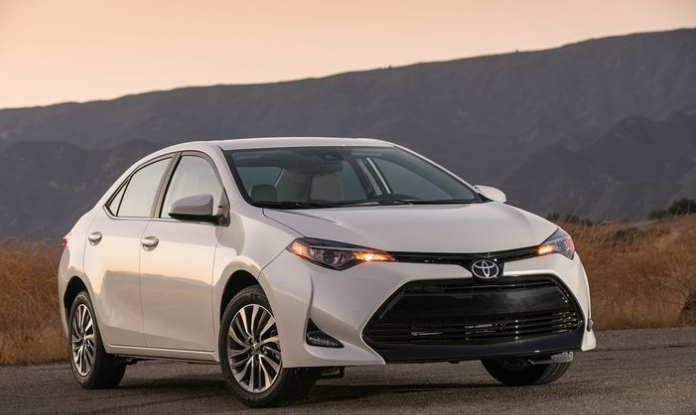
toyota corolla 2014-2019 Common Problems & Issues
The 2014–2019 Toyota Corolla, designated as the E170 generation, represents the eleventh iteration of one of the globe's most popular compact sedans. Built upon the robust Toyota New MC platform, this model first made its debut in North America in mid-2013 as a 2014 model year vehicle. Its global rollout continued through 2019, with manufacturing operations spanning numerous countries, including the U.S., Canada, Thailand, Taiwan, South Africa, India, Pakistan, and China, among others. While the E170 nameplate is often associated with the 'Altis' sedan found predominantly in Asian, African, and Middle Eastern markets, North America received a version under the familiar Corolla badge featuring subtly different styling cues. Despite these regional aesthetic variations, both iterations share the same fundamental structural components, suspension systems, and a range of powertrains across many international markets. The E170 generation was engineered with a greater emphasis on global appeal, offering enhanced interior space and improved fuel efficiency compared to its E140/E150 predecessors. It boasts a longer wheelbase, measuring 2,700 mm (106.3 in), contributing to better ride comfort and stability, alongside advancements in safety and overall passenger comfort. Powertrain options for the E170 Corolla varied significantly by market, reflecting diverse consumer preferences and regulatory requirements. Globally, the most common petrol engines included the 1.6 L 1ZR-FE (Dual VVT-i) producing around 125 PS, popular in Asia, the Middle East, and parts of Latin America. The 1.8 L 2ZR-FE (Dual VVT-i), offering 132–140 PS, was widespread in North America, Australia, India, and Southeast Asia. A 1.8 L 2ZR-FAE (Valvematic) with 140 PS was available in the U.S. 'LE Eco' trim and some European/Asian variants. Higher trims in markets like Malaysia, Thailand, and Indonesia also featured a 2.0 L 3ZR-FE engine delivering approximately 145 PS. For European, South African, and Indian markets, diesel engine options were available, notably the 1.4 L 1ND-TV (D-4D turbo) with about 90 PS, and other 1.8–2.0 L diesel variants. Transmission choices included 5- or 6-speed manuals, a 4-speed conventional automatic in some older 1.6/1.8 models, and the highly prevalent 5- or 7-/8-step Super CVT-i, which became the standard automatic from 2014 onwards. Hybrid variants, particularly in China, utilized an ECVT system. Trim levels were also market-specific. North America saw L, LE, LE Eco, and S trims initially, evolving to L, LE, SE, XLE, and XSE after the 2017 facelift. Asian markets like Thailand offered J, E, G, V, ESport, and S trims. The E170/E180 family's Toyota New MC platform is also shared with other Toyota models, including the Auris hatchback and certain RAV4 variants, underscoring its versatile engineering. All E170 sedan variants feature a front-engine, front-wheel-drive layout with MacPherson strut front suspension and a torsion-beam rear setup.
0
Critical
8
Moderate
1
Minor
Known Issues
Faulty Oxygen (O₂) Sensor / Check Engine Light (P0138, P0171, P0455/P0456)
ModerateOwners of 2014-2019 Toyota Corollas frequently report the Check Engine light illuminating, often accompanied by diagnostic trouble codes such as P0138 (rear O₂ sensor high voltage), P0171 (system lean), P0455, or P0456 (fuel system evaporative leaks). Symptoms can include a rough idle, slight engine hesitation under acceleration, and a noticeable decrease in fuel economy. In some cases, a 'fuel cap not sealing' warning may appear. The primary causes are typically a failing rear oxygen sensor, a dirty or faulty Mass Airflow (MAF) sensor leading to a lean condition, or, specifically for P0455/P0456 codes, a mispositioned fuel tank filler neck, addressed by Toyota TSB T-SB-0086-16. Diagnosis involves scanning for specific codes, visually inspecting O₂ sensor wiring, cleaning the MAF sensor with specialized cleaner, and verifying fuel cap integrity. For the filler neck issue, a professional inspection per the TSB is recommended. DIY fixes include replacing the rear O₂ sensor, which involves disconnecting the battery and carefully removing/installing the new sensor, or cleaning the MAF sensor. Professional repair involves sensor replacement or filler neck repositioning. Costs range from $150 to $350, or approximately ₦225,000 to ₦525,000.
Ignition Coil Failures / Misfires (P0301–P0304)
ModerateMany 2014-2019 Corolla owners experience engine misfires, often manifesting as shaking or rough running, particularly under load. This is usually indicated by a flashing or steady Check Engine light and specific diagnostic codes like P0301, P0302, P0303, or P0304, pinpointing the misfiring cylinder. Reduced engine power and a rough idle are common accompanying symptoms. The root cause is typically the degradation of individual ignition coils over time, especially after approximately 80,000 to 120,000 kilometers (50,000 to 75,000 miles). Worn spark plugs can exacerbate this by increasing stress on the coils, accelerating their failure. Additionally, moisture or corrosion within the coil connectors can also lead to issues. Diagnosis involves scanning for misfire codes, inspecting coils and spark plugs for physical damage, or swapping coils between cylinders to isolate the faulty unit. DIY replacement of ignition coils is straightforward, requiring removal of the air intake duct (if necessary), unplugging the coil, removing a retaining bolt, and installing the new part. It is also highly recommended to replace spark plugs if they are nearing their service interval. Professional repair typically involves replacing the faulty coil(s) and potentially the spark plugs. The estimated repair cost ranges from $150 to $300, or roughly ₦225,000 to ₦450,000.
Infotainment / Touchscreen Glitches
MinorA recurring issue for 2014-2019 Toyota Corolla owners, particularly in models from 2014-2017, involves glitches with the infotainment system and touchscreen. Common symptoms include unresponsive areas on the touchscreen, the audio system freezing or spontaneously rebooting, and malfunctions with Bluetooth pairing or the Entune system. These problems are often attributed to software bugs within the Toyota Entune multimedia unit. Less frequently, corrosion or water ingress into the connectors behind the dashboard can cause these issues. Diagnosis involves testing all touch areas to identify dead zones, checking for available software updates from Toyota, and inspecting for any signs of water damage if other electrical components are also failing. A simple DIY fix is to perform a system reset by powering off the unit and disconnecting the battery for a few minutes. If only specific touch zones are affected, skilled DIYers can replace just the touchscreen digitizer. Professional repair can involve replacing the digitizer or, in more severe cases, the entire head unit. The estimated repair cost varies significantly, from $200 to $600 for a digitizer replacement, up to $600 to $1,200 for a full unit replacement. In local currency, this translates to approximately ₦300,000 to ₦900,000 for a digitizer, and ₦900,000 to ₦1,800,000 for a complete unit.
Front Wheel Bearing Noise
ModerateOwners of higher-mileage 2014-2019 Toyota Corollas may encounter a persistent growling, humming, or clicking noise emanating from the front wheels, which typically intensifies with vehicle speed. This can sometimes be accompanied by a noticeable vibration felt in the steering wheel at higher speeds. The primary cause of these symptoms is the natural wear and tear of the front wheel bearings over time, particularly after accumulating 100,000 kilometers (60,000 miles) or more. Diagnosis involves carefully jacking up the front wheels, spinning them by hand to listen for abnormal bearing noise, and checking for any excessive play or roughness when manipulating the wheel. Due to the specialized tools required, such as a press to remove and install the bearing, this repair is generally not recommended as a DIY task for most owners. Professional repair involves replacing the entire front wheel bearing or hub assembly. The estimated repair cost for a front wheel bearing replacement typically ranges from $250 to $550, which includes both parts and labor. This would be approximately ₦375,000 to ₦825,000 in local currency.
Suspension Bushing Wear (Rear Trailing Arm Clunks)
ModerateA common complaint among owners of 2014-2019 Toyota Corollas, particularly those with higher mileage or driven on rough roads, is a distinct clunking or knocking noise originating from the rear of the vehicle when driving over bumps or uneven surfaces. This can also lead to a sensation of a loose or vague rear end and potentially contribute to uneven tire wear. The underlying cause is the hardening, cracking, or tearing of the rubber bushings within the rear trailing arms. These bushings are critical for maintaining proper suspension geometry and absorbing road impacts. Diagnosis involves a thorough visual inspection of the rear trailing arm bushings for any signs of cracks, tears, or excessive movement when the vehicle's suspension is loaded or unloaded. While experienced DIYers might attempt this repair with appropriate jacking equipment and specialized bushing press tools, it can be challenging. Professional repair typically requires about 1 to 1.5 hours of labor per side to replace the worn bushings. The estimated repair cost, including parts and labor, generally ranges from $200 to $400 for a comprehensive service involving both sides. In local currency, this translates to approximately ₦300,000 to ₦600,000.
Water Pump / Cooling System Leaks
ModerateSome 2014-2019 Toyota Corolla owners, particularly those with diesel variants or high-mileage petrol models, may encounter issues with the water pump and cooling system. Common symptoms include a visible coolant leak near the front of the engine, a rising temperature gauge indicating overheating, a whining or grinding noise emanating from the water pump itself, and potentially steam or a sweet smell from under the hood. The primary causes are often the wear and tear of the water pump's internal seals or bearings over time. Neglected cooling system maintenance can also lead to corrosion, exacerbating these issues. Certain diesel variants, such as the 1.4 D-4D, have a slightly higher reported rate of water pump failures. Diagnosis involves a visual inspection for coolant leaks at the water pump, listening for abnormal noises with a mechanic’s stethoscope while the engine is running, and performing a pressure test on the cooling system. Checking for corrosion or sludge in the coolant can also provide clues. Water pump replacement is an advanced DIY task, requiring coolant drainage, removal of timing covers on some engines, proper installation, and refilling. Professional repair for a water pump typically takes 2 to 3 hours of labor. The estimated repair cost, including parts and labor, ranges from $290 to $480, or approximately ₦435,000 to ₦720,000.
Alternator Failure / Battery Charging Issues
ModerateWhile not as frequent as some other issues, alternator failure is a significant high-cost repair that can affect 2014-2019 Toyota Corollas, especially as they accumulate mileage. Symptoms typically include the illumination of the battery warning light on the dashboard, dimming headlights and interior lights, a sluggish engine crank, or the battery failing to hold a charge despite being relatively new. The root causes usually involve the internal components of the alternator, such as worn bearings, rectifier diode failure, or degradation of the stator/rotor windings. Diagnosis primarily involves a comprehensive battery and charging system test performed by a technician, which can confirm if the alternator is producing the correct voltage. Replacing the alternator is generally an advanced DIY task due to its location and the need to disconnect various electrical components. Professional repair ensures proper installation and testing. The estimated repair cost, encompassing both the replacement part (aftermarket or OEM) and labor, typically ranges from $240 to $440. In local currency, this translates to approximately ₦360,000 to ₦660,000.
Starter Motor Failure
ModerateA less common but critical issue that can affect 2014-2019 Toyota Corollas is starter motor failure. The most obvious symptom is the vehicle's inability to start, often accompanied by a rapid clicking sound when the ignition key is turned, or a slow, labored crank that fails to engage the engine. In some cases, there might be no sound at all. The underlying causes typically involve worn internal components of the starter motor, such as worn brushes, a faulty solenoid, or other electrical connection issues. Diagnosis involves testing the starter motor, the battery, and all associated electrical connections to isolate the fault. Replacing a starter motor can be a moderately complex DIY task, depending on its accessibility in the engine bay, usually requiring the vehicle to be lifted and various components to be removed. Professional repair ensures correct installation and proper electrical connections. The estimated repair cost, including the part and labor, generally falls within the range of $380 to $510. In local currency, this would be approximately ₦570,000 to ₦765,000.
Worn Brake Components (Pads, Rotors, Drums)
ModerateAs a regular wear item, worn brake components are a common concern for 2014-2019 Toyota Corolla owners, especially as mileage increases. Symptoms include squealing or grinding noises when applying the brakes, a pulsating feeling in the brake pedal or steering wheel during braking, and a noticeable reduction in overall braking performance. The primary causes are normal friction material wear on brake pads and shoes, corrosion, or warped rotors due to heat exposure or aggressive driving habits. Diagnosis involves a visual inspection of the brake pads, rotors, and rear drums (where applicable) to check their thickness, condition, and for any signs of uneven wear or damage. Measuring the rotor run-out can also identify warping. DIY replacement of brake pads is feasible for many owners, but replacing rotors or drums often requires more specialized tools and knowledge. Professional repair ensures all components are replaced or resurfaced correctly and that the braking system is bled properly. The estimated repair cost for a common brake service, such as replacing front pads and rotors, typically ranges from $200 to $400, including parts and labor. In local currency, this would be approximately ₦300,000 to ₦600,000.
What to Check Before Buying
The 2014–2019 Toyota Corolla E170 has earned a stellar reputation as one of the most reliable compact sedans globally. This reliability is consistently highlighted in owner surveys, consumer reports, and official safety data, which frequently place it among the top vehicles for dependability and low complaint rates. Its key strengths lie in its simple yet durable 1.8 L and 1.6 L petrol engines, a robust CVT transmission that generally performs well, and strong safety ratings, including a 5-star NHTSA overall rating for U.S. models from 2014–2018. Owners also benefit from low routine maintenance costs and excellent resale value, making it a sound long-term investment.
To ensure your Corolla continues to perform optimally and to maximize its lifespan, adherence to recommended service intervals is crucial. Engine oil and filter changes are recommended every 5,000–10,000 miles (8,000–16,000 km) or every 6–12 months, using SAE 0W-20 oil. For severe driving conditions, such as towing, constant idling, or dusty environments, a more frequent interval of every 5,000 miles or 6 months is advisable. The engine typically holds about 4.4 US quarts (4.2 L) of oil. The engine air filter should be replaced every 30,000 miles (48,000 km) or sooner if it appears dirty, costing around $25–$45. The cabin air filter should be changed every 15,000–30,000 miles. For the CVT transmission fluid, while many markets suggest inspection rather than a scheduled change under normal use, severe conditions warrant a change every 60,000 miles (96,000 km). Spark plugs are a long-life item, typically requiring replacement at 120,000 miles (190,000 km). The drive (serpentine) belt should be inspected every 60,000 miles and replaced if cracked. Brake fluid should be flushed every 2–3 years or 30,000–45,000 miles, and coolant replaced every 5 years or 60,000–100,000 miles, depending on market recommendations.
Preventive maintenance is key to avoiding larger repair bills. Regularly check your oil level, especially on vehicles with over 80,000 km, as some engines may consume a small amount of oil between changes. Keep the cooling system clean by using proper coolant and flushing it as recommended. Replacing spark plugs at the 120,000-mile mark is vital to prevent misfires and reduce stress on the ignition coils. Inspect CV boots and wheel bearings at intervals exceeding 100,000 km. For diesel variants, always use high-quality fuel and replace the fuel filter regularly to protect the turbocharger and injectors. Finally, keep your infotainment system updated and perform a reset if it experiences freezing issues.
With proper care, the engine of a 2014-2019 Corolla can easily last over 200,000 miles (320,000 km), with many examples reaching 250,000–300,000 miles. The CVT transmission is generally reliable, and its lifespan can be significantly extended with fluid changes under severe use. Suspension components like struts and wheel bearings often last 100,000–150,000 km, though trailing arm bushings might need earlier replacement on rougher roads. Rear brake drums, common on many E170s, can last over 150,000 miles (240,000 km) if not subjected to severe use.
While the Corolla is largely reliable, owners should be prepared for a few higher-cost repairs as the vehicle ages. These include water pump replacement ($290–$480 or ₦435,000–₦720,000), front wheel bearing/hub replacement ($250–$550 or ₦375,000–₦825,000), and potentially full infotainment unit replacement ($600–$1,200+ or ₦900,000–₦1,800,000). Starter motor or alternator replacements are also infrequent but can cost $380–$510 (₦570,000–₦765,000) and $240–$440 (₦360,000–₦660,000) respectively. The most frequently replaced parts, aside from routine maintenance items like oil filters and brake pads, include spark plugs, oxygen sensors, MAF sensors, ignition coils, wheel bearings, and trailing arm bushings at higher mileages, and infotainment screens/digitizers on some units. When buying a used Corolla, it is advisable to test touchscreen responsiveness, check for any active misfire codes, and thoroughly inspect the cooling system. In certain regions, like Nigeria, it is crucial to source parts from reputable suppliers to avoid counterfeit components, especially for electronics and sensors, as prices can be 20–50% higher than global averages due to import duties and logistics.
Where to Buy Parts
Frequently Asked Questions
Is the 2014 Toyota Corolla reliable?+
Yes, the 2014 Toyota Corolla (E170) is widely considered one of the most reliable compact sedans in its class. Owner surveys and reliability studies consistently show low complaint rates, durable engines, and a robust CVT transmission. Most issues are minor, such as oxygen sensor failures, infotainment glitches, or suspension wear at higher mileage. With regular maintenance, many 2014 Corollas exceed 200,000 miles (320,000 km) without major engine or transmission problems, making it an excellent choice for long-term ownership.
Is the 2015 Toyota Corolla reliable?+
The 2015 Toyota Corolla continues the E170’s strong reliability reputation. It uses the same 1.8 L 2ZR-FE engine and CVT as the 2014 model, with only minor updates. Common issues include Check Engine lights due to oxygen sensor or MAF sensor problems, occasional misfires from worn ignition coils, and infotainment screen glitches. These are typically low-to-moderate severity and can be fixed with relatively modest repair costs. Overall, the 2015 Corolla remains a dependable choice for long-term ownership, consistently performing well in reliability ratings.
Is the 2016 Toyota Corolla reliable?+
The 2016 Toyota Corolla is also reliable, though some models (especially 2014–2016) had a known issue with the fuel tank filler neck that could cause P0455/P0456 codes and a Check Engine light. Toyota issued a technical service bulletin (T-SB-0086-16) to reposition the filler neck. Aside from this, the 2016 Corolla shares the same durable engine and transmission as earlier E170 models. Common problems remain oxygen sensors, ignition coils, and infotainment issues, which are generally manageable and not indicative of major reliability concerns for this dependable vehicle.
What are the most common problems with the Toyota Corolla E170?+
The most common problems on the E170 Corolla include faulty oxygen sensors causing Check Engine lights (P0138, P0171, P0455/P0456), ignition coil failures leading to misfires (P0301–P0304), infotainment/touchscreen glitches (dead zones, rebooting), front wheel bearing noise, rear suspension clunks from trailing arm bushes, and water pump leaks or noises leading to cooling system issues. These issues are typically moderate in severity and can be addressed with repair costs ranging from $150 to $600 for most items, with higher costs mainly for infotainment unit replacement or major cooling system work.
Where can I buy a Toyota Corolla E170 and how do parts prices compare?+
Used Toyota Corolla E170 models are commonly available in major auto markets globally. Prices for Corolla E170 units vary based on year, mileage, and condition, but regular maintenance and parts are generally affordable compared to many other imports. Parts prices are typically 20–50% higher than global averages in some regions due to import duties and logistics, but used parts from reputable dealers can reduce costs. For example, an ignition coil may cost $30–$100, a water pump $100–$300, and a front wheel bearing assembly $80–$250, depending on source and quality.
What is the expected lifespan of a 2014-2019 Toyota Corolla?+
The 2014-2019 Toyota Corolla is known for its exceptional longevity. With consistent and proper maintenance, including regular oil changes and timely servicing, the engine can reliably last over 200,000 miles (320,000 km). Many owners report their Corollas reaching 250,000 to 300,000 miles or more, making it a highly durable and long-term ownership choice. The robust engineering contributes significantly to its impressive endurance on the road.
What type of transmission does the 2014-2019 Corolla E170 commonly use?+
The 2014-2019 Toyota Corolla E170 primarily uses a Super CVT-i (Continuously Variable Transmission with intelligence) in most markets, especially with the 1.8L and 2.0L petrol engines. Some base models or specific regional variants might have a 6-speed manual or an older 4-speed automatic transmission. The CVT is generally reliable and designed for smooth operation, but severe usage conditions may warrant periodic fluid inspection or changes to ensure its long-term performance and reliability.