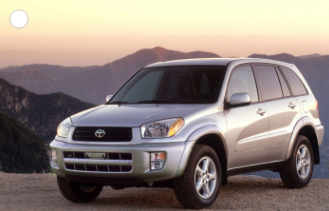
toyota rav4 2001-2005 Spare Parts & Pricing
The 2001–2005 Toyota RAV4, also known by its platform code XA20, represents the second generation of Toyota's popular compact crossover SUV. Launched globally in 2000 as a 2001 model, this iteration successfully built upon the original RAV4's winning formula. It maintained the concept of a smaller, car-based SUV, offering a compelling blend of fuel efficiency, manageable dimensions ideal for urban driving, and commendable capability when equipped with its all-wheel-drive system. Production of the XA20 generation spanned from 2000 to 2005. The pre-facelift models were produced from 2000 to 2003, while a facelifted version, still on the XA20 platform, was manufactured from 2003 to 2005. Across many international markets, these vehicles are commonly referred to as 2001–2005 model years, signifying their widespread availability and sales period. Under the hood, the XA20 RAV4 offered a range of engine options to suit various global markets. The most common gasoline engines included the efficient 1.8L 1ZZ-FE VVT-i four-cylinder, producing around 125 horsepower, and the more powerful 2.0L 1AZ-FE four-cylinder, delivering approximately 150 horsepower. In certain markets, a 2.0L 1AZ-FSE D-4D direct injection diesel engine, with 116 horsepower, was also available, providing a torquey and economical alternative. Transmission choices primarily consisted of a 5-speed manual for those who prefer more direct control, and a 4-speed automatic. It is important for potential owners to note that the automatic transmissions in 2001–2003 models are particularly known for certain reliability concerns, often linked to the Engine Control Module (ECM). Drive configurations included both front-wheel drive (FWD) for maximum fuel economy and all-wheel drive (4WD) variants. Many 4WD versions featured a locked center differential, enhancing their traction on slippery surfaces or light off-road trails, a key selling point for the crossover segment. Trim levels varied by region but commonly included Base/Standard, Sport/S, and XLE/Limited designations, which denoted different levels of equipment, interior features, and available options like 4WD. The XA20 RAV4 was built on Toyota's compact SUV platform, sharing many engineering principles and components with other successful Toyota models, particularly within the Corolla and Carina family. This lineage meant that many of its engine families, certain suspension components, and electrical parts benefited from proven Toyota reliability and widespread parts availability. While not a direct platform share with a specific passenger car model, its strong ties to the Corolla architecture meant robust engineering and accessible spare parts, contributing to its enduring popularity and ease of maintenance globally.
Engine
| Part | Price Range | Availability | Interval |
|---|---|---|---|
| Oil Filter Essential for engine health, trapping contaminants from engine oil. Regular replacement prevents premature engine wear and maintains lubrication system efficiency. Choose a high-quality filter for optimal protection. | $5 – $9 | Widely available | Every 5,000 km / 3,000–3,500 miles or 6 months |
| Timing Chain (1.8L/2.0L) Unlike timing belts, timing chains do not have a fixed replacement interval but should be inspected for noise or excessive slack. A worn chain can lead to severe engine damage, so proactive inspection is key. | $150 – $300 | Available | Inspect every 80,000–100,000 km; replace if noisy or worn |
Cooling System
| Part | Price Range | Availability | Interval |
|---|---|---|---|
| Water Pump Circulates coolant through the engine. Failure can lead to rapid overheating and severe engine damage. Watch for leaks, bearing noise, or coolant loss as signs of impending failure. OEM or high-quality aftermarket is recommended. | $70 – $130 | Widely available | Inspect every 60,000 km; replace if signs of wear or leak |
| Thermostat + Housing Regulates engine operating temperature. A faulty thermostat can cause overheating or prevent the engine from reaching optimal temperature, impacting fuel efficiency and emissions. Replace with a reputable brand. | $25 – $45 | Widely available | Inspect every 60,000 km; replace if overheating or slow to warm up |
| Radiator Dissipates heat from the engine coolant. Leaks or blockages can severely compromise cooling efficiency, leading to overheating and potential engine damage. Aftermarket options are generally reliable. | $100 – $200 | Widely available | Inspect every 80,000 km; replace if leaking or clogged |
| Coolant Hoses (Set) Carries coolant between the engine, radiator, and heater core. Over time, rubber hoses can harden, crack, or swell, leading to leaks. Proactive replacement prevents sudden coolant loss and overheating. | $20 – $50 | Widely available | Inspect every 40,000 km; replace every 5-7 years or if hardened/cracked |
Suspension
| Part | Price Range | Availability | Interval |
|---|---|---|---|
| Front Strut (per side) Crucial for ride comfort, handling, and safety. Worn struts lead to poor damping, excessive body roll, and uneven tire wear. Consider replacing in pairs for balanced performance, especially on rough roads. | $100 – $180 | Widely available | 80,000–150,000 km or if signs of wear |
| Rear Shock Absorber Maintains tire contact with the road and absorbs impacts. Worn rear shocks can cause a bouncy ride, poor handling, and increased braking distance. Replace in pairs for optimal vehicle stability and safety. | $80 – $150 | Widely available | 80,000–150,000 km or if signs of wear |
| Control Arm Bushings Rubber or polyurethane components that absorb vibration and allow movement in suspension joints. Worn bushings cause clunking noises, vague steering, and premature tire wear. Proactive replacement improves ride quality. | $15 – $35 | Widely available | Inspect every 10,000-15,000 km; replace if worn |
Brakes
| Part | Price Range | Availability | Interval |
|---|---|---|---|
| Front Brake Pads Friction material essential for stopping the vehicle. Worn pads compromise braking performance and can damage rotors. Choose quality aftermarket pads for good stopping power and minimal dust/noise. | $30 – $60 | Widely available | Inspect every 10,000 km; replace as needed (typically 30,000–70,000 km) |
| Rear Brake Pads Similar to front pads, these provide stopping power for the rear wheels. Though they wear slower, regular inspection is vital. Replace with quality aftermarket options to maintain balanced braking performance. | $25 – $50 | Widely available | Inspect every 10,000 km; replace as needed (typically 40,000–90,000 km) |
| Brake Rotors (Front) The surface against which brake pads press. Warped or worn rotors cause pulsing during braking and reduced efficiency. Always inspect and consider replacement when changing pads for optimal performance. | $60 – $120 | Widely available | Inspect with pads; replace if warped, grooved, or below minimum thickness |
Steering
| Part | Price Range | Availability | Interval |
|---|---|---|---|
| Tie Rod End Connects the steering rack to the wheel hub, allowing steering movement. A worn tie rod end causes loose steering, clunking, and uneven tire wear. Replacement requires a wheel alignment afterwards. | $20 – $45 | Widely available | Inspect every 10,000-15,000 km; replace if loose |
Electrical
| Part | Price Range | Availability | Interval |
|---|---|---|---|
| ECM (Engine Control Module, 2001–2003) The 'brain' of the engine, controlling fuel, ignition, and transmission shifts. Known to fail in early automatic XA20s, causing severe transmission issues. Professional diagnosis and replacement/repair are crucial. | $300 – $700 | Specialty order, repaired units available | As needed, especially for 2001-2003 automatic models |
| Alternator Generates electrical power for the vehicle's systems and recharges the battery. Failure results in a dead battery and vehicle shutdown. Look for warning lights, dim lights, or strange noises as indicators. | $150 – $280 | Widely available | Typically 150,000–200,000 km or if charging issues occur |
Ignition
| Part | Price Range | Availability | Interval |
|---|---|---|---|
| Ignition Coil Provides high voltage to the spark plugs for ignition. A failing coil can cause engine misfires, rough idle, and reduced power. It is often recommended to replace them in sets if one fails due to age. | $25 – $50 | Widely available | As needed, typically 100,000–150,000 km |
Fuel System
| Part | Price Range | Availability | Interval |
|---|---|---|---|
| Fuel Pump Delivers fuel from the tank to the engine. Symptoms of failure include difficulty starting, loss of power, or engine stalling. It is a critical component for engine operation and efficiency. | $150 – $300 | Available | Typically 150,000–200,000 km or if fuel delivery issues occur |
Sensors
| Part | Price Range | Availability | Interval |
|---|---|---|---|
| O2 Sensor Measures oxygen in the exhaust to optimize fuel mixture. A faulty sensor can lead to decreased fuel economy, increased emissions, and a check engine light. OEM sensors often provide the best compatibility. | $40 – $90 | Widely available | Typically 100,000–160,000 km or if check engine light appears |
| MAF Sensor (Mass Air Flow) Measures the amount of air entering the engine, crucial for calculating fuel delivery. A dirty or faulty MAF sensor can cause rough idle, poor acceleration, and stalling. Cleaning may sometimes resolve issues. | $60 – $120 | Available | As needed, if engine performance issues or check engine light |
Service Item
| Part | Price Range | Availability | Interval |
|---|---|---|---|
| Spark Plugs (Set of 4) Ignite the air-fuel mixture in the engine. Worn spark plugs lead to misfires, reduced fuel efficiency, and poor engine performance. Replace regularly as part of routine maintenance for optimal ignition. | $15 – $35 | Widely available | 40,000–60,000 km / 3–4 years |
Buying Guide
The 2001–2005 Toyota RAV4 (XA20) generally holds a strong reputation for reliability, a hallmark of the Toyota brand. However, prospective buyers should be aware of a few critical issues that can significantly impact ownership experience and repair costs. Thorough inspection and understanding of these points are vital before making a purchase.
One of the most significant concerns, particularly for models produced between 2001 and 2003, revolves around the automatic transmission. Owners frequently report harsh shifts, especially when moving from second to third gear or engaging reverse. Other symptoms include hesitation between gears, jerking sensations, and in severe cases, complete transmission failure. The root cause is often a faulty Engine Control Module (ECM) that sends incorrect signals to the shift solenoids. If you are considering an automatic RAV4 from these years, a meticulous test drive is crucial. Pay close attention to how the transmission shifts. Any signs of roughness, delay, or unusual behavior should be a red flag. Furthermore, request service records to see if the ECM has been replaced or professionally repaired, as this was a known defect addressed by Toyota via a Technical Service Bulletin (TSB). Ignoring these symptoms can lead to costly transmission overhauls, ranging from $2,000 to $3,500 for parts and labor, in addition to ECM costs.
Another widespread issue for the XA20 RAV4, affecting early 1.8L (1ZZ-FE) and some 2.0L (1AZ-FE) gasoline engines, is excessive oil consumption. Owners often report needing to add a quart of oil every 1,000 to 2,000 miles. This problem is primarily attributed to piston ring design flaws and wear over time, alongside potential valve seal degradation. When evaluating a used RAV4, ask the seller about oil consumption habits and check the oil level and condition. A quick visual inspection for blue smoke from the exhaust or excessive carbon buildup on spark plugs can also indicate this issue. While using a slightly thicker oil (e.g., 10W-30 or 10W-40 if within manufacturer specifications) can help manage it, a permanent fix usually involves a partial engine overhaul, which can cost between $1,200 and $2,500. Neglecting this can lead to severe engine damage.
Beyond these major concerns, general electrical issues related to the ECM can manifest as erratic gauge behavior, persistent check engine lights without clear mechanical causes, or even intermittent starting problems. Always scan for diagnostic trouble codes (DTCs) during a pre-purchase inspection. Inspect wiring harnesses and connectors for any signs of corrosion or damage, especially in regions with high humidity.
Suspension and steering wear are common complaints, particularly for vehicles that have accumulated high mileage or been driven on challenging roads. Symptoms include clunking noises over bumps, a vague or wandering steering feel, and uneven tire wear. Visually inspect all suspension components, including struts, shocks, control arm bushings, and ball joints, for signs of wear, leaks, or excessive play. A full suspension refresh can be a substantial expense, potentially costing $1,000 to $2,000.
Cooling system integrity is also vital, especially in hotter climates. Look for signs of coolant leaks around hoses, the radiator, or the water pump. Overheating can quickly lead to catastrophic engine damage. A pressure test of the cooling system and a thorough visual inspection are recommended. Replacing a water pump or radiator can range from $250 to $450 and $180 to $300 respectively, excluding labor.
Despite these potential pitfalls, the petrol XA20 RAV4 is generally a durable vehicle capable of high mileage with proper maintenance. Manual transmission models, particularly with the 2.0L 1AZ-FE engine, are often considered the most robust. For automatic models, prioritizing a 2004 or 2005 model year, where many ECM issues were addressed, can mitigate risk. If considering an earlier automatic, ensure the ECM and transmission have been serviced. Always seek a detailed service history, as vehicles with documented repairs for known issues tend to be more reliable and hold better resale value. A pre-purchase inspection by a trusted mechanic familiar with Toyota models is highly recommended to identify any hidden problems and accurately assess the vehicle's true condition. Proactive maintenance, such as frequent oil changes, regular fluid replacements, and addressing minor issues promptly, will significantly contribute to the RAV4's longevity and reliability.
Common Accessories
BlueDriver Bluetooth Pro OBDII Scanner
Read and clear codes yourself before paying a diagnostic fee — useful given how often ECM/transmission faults show up on early XA20 automatics.
Shop on AmazonUniversal Silicone Radiator Hose Kit
Rubber hoses on this generation harden and crack with age; silicone kits last far longer and reduce the odds of a sudden overheat.
Shop on AmazonMud Flaps Set (XA20 RAV4 2001-2005 fit)
Purpose-fit for this generation. Cuts down on debris hitting suspension bushings and tie rod ends — both known wear points on this XA20.
Shop on AmazonAll-Weather Rubber Floor Mats
Protects factory carpet during DIY oil top-ups, which owners of the 1.8L/2.0L engines end up doing more often than usual.
Shop on AmazonCURT Class 3 Trailer Hitch (1996-2005 RAV4 fit)
Purpose-fit 2-inch receiver for this generation. Fits the compact-crossover use case this RAV4 was built for — light trailers, bike racks, cargo boxes.
Shop on AmazonAstroAI Digital Tire Pressure Gauge & Inflator
Quick pre-trip check that pairs with the suspension inspection routine already recommended in the buying guide.
Shop on AmazonWhere to Buy Parts
Frequently Asked Questions
Is the 2002 Toyota RAV4 reliable?+
The 2002 Toyota RAV4 (XA20) can be reliable, especially with a 2.0L petrol engine and manual transmission. However, 2002 automatic models are prone to ECM-related transmission issues, causing harsh shifts and false codes. If the ECM has been addressed and the transmission operates smoothly, it can be a durable choice. Always test-drive for proper shifting and seek service records detailing any ECM or transmission work to ensure long-term satisfaction and avoid unexpected costs.
What year RAV4 should I avoid?+
Within the 2001–2005 XA20 generation, it is generally advisable to approach 2001, 2002, and early 2003 automatic models with caution. These years have the highest prevalence of ECM-related transmission failures, leading to significant repair costs. For an automatic XA20 RAV4, 2004 or 2005 models are typically a safer bet, as many of these issues were resolved in later production runs. Manual transmission models across all years in this generation are generally considered more robust.
Does the Toyota RAV4 2001–2005 have oil consumption problems?+
Yes, some 2001–2005 Toyota RAV4 models, particularly those with the 1.8L (1ZZ-FE) and certain 2.0L (1AZ-FE) engines, are known for excessive oil consumption. Owners often report needing to top up oil frequently, sometimes every 1,000-2,000 miles. This issue is primarily due to piston ring and valve seal wear. Regular oil level monitoring, and potentially using a slightly higher viscosity oil within manufacturer specifications, are common management strategies. A permanent fix usually requires an engine overhaul.
How much does it cost to fix RAV4 transmission problems?+
For 2001–2003 RAV4 automatic models, addressing ECM-related transmission issues can be costly. ECM repair or replacement alone might cost $300–$1,200. If the transmission has suffered damage and requires a full repair or rebuild, expect an additional $2,000–$3,500. Combined, total costs can range from $2,500 to $4,500 or more, depending on parts quality and labor rates. These estimates highlight the importance of thorough pre-purchase inspection for early automatic models.
What maintenance is critical for a 2000s Toyota RAV4?+
Critical maintenance for a 2000s Toyota RAV4 includes frequent oil changes (every 3,000–5,000 miles), regular coolant and brake fluid replacements (every 1–2 years, especially in hot/humid climates), and proactive suspension refreshes due to road conditions. For 2001–2003 automatics, monitoring shifting behavior and addressing ECM issues early is vital to prevent major transmission damage. Regular inspection of all fluid levels, hoses, and belts also contributes significantly to longevity.
What are common suspension issues for the 2001-2005 RAV4?+
Common suspension issues for the 2001-2005 RAV4 typically stem from age and road conditions. Owners frequently report worn components such as struts, shocks, control arm bushings, and ball joints. Symptoms include clunking noises when driving over bumps, a noticeable wandering or vague feeling in the steering, and sometimes uneven tire wear. Addressing these issues promptly is important for maintaining ride comfort, vehicle stability, and overall driving safety. A full suspension inspection is recommended during routine service.
Are there known cooling system problems with this generation RAV4?+
Yes, the 2001-2005 RAV4 can develop cooling system problems over time, primarily due to the aging of components. Common issues include leaks from rubber hoses, failure of the thermostat housing gasket, and wear on the water pump's bearing or seal. Radiator corrosion can also occur in some regions. Symptoms like engine overheating, low coolant levels, or visible drips under the vehicle indicate a problem. Regular inspection and timely replacement of these components are crucial to prevent severe engine damage from overheating.
Also worth reading
toyota rav4 2001-2005 Common Issues