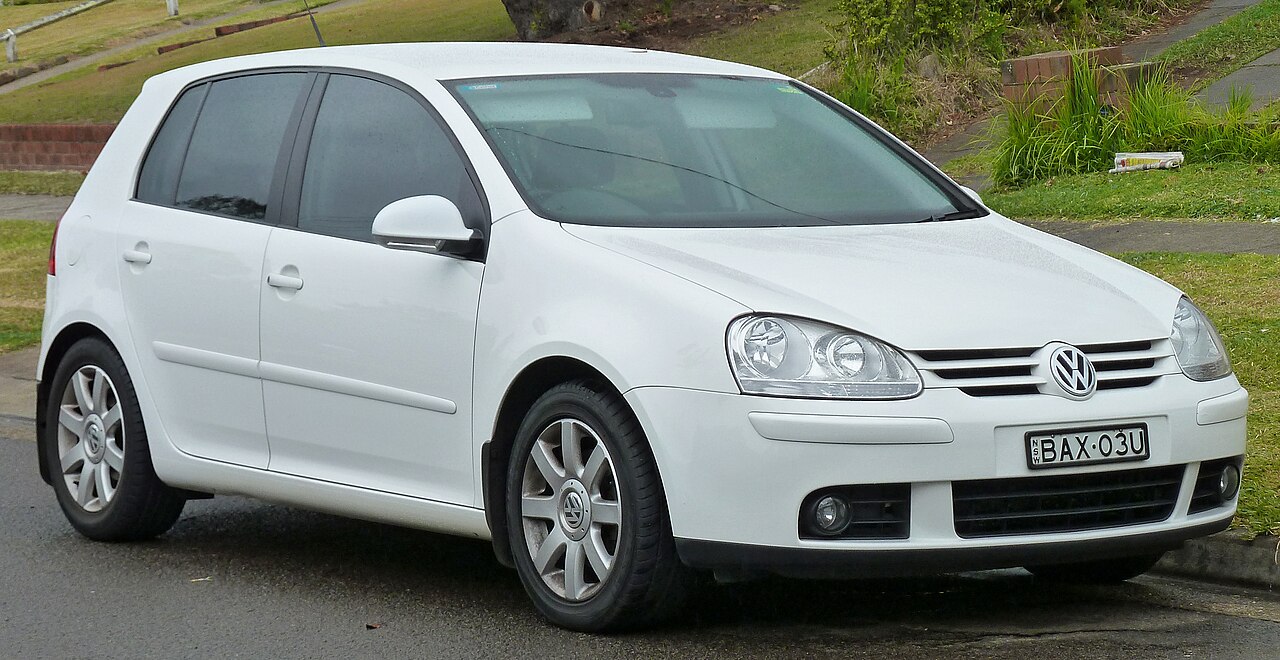
volkswagen golf 2004-2008 Common Problems & Issues
The Volkswagen Golf Mk5, produced from 2003 to 2008, represents the fifth generation of this globally recognized compact car, with our focus specifically on the model years 2004 to 2008. This era covers the core of the Mk5's market presence, establishing its reputation as a well-engineered yet age-sensitive vehicle. Built on Volkswagen's versatile PQ35 platform, the Golf Mk5 was widely available in practical 3-door and 5-door hatchback forms, alongside specific estate/variant and performance derivatives like the acclaimed GTI and R32 in various regions. These models were powered by a diverse range of engines, including popular petrol options such as the 1.4, 1.6, 1.6 FSI, and 2.0 FSI, as well as robust diesel choices like the 1.9 TDI and 2.0 TDI, which were particularly prevalent in European markets and subsequent global imports. The Volkswagen Golf Mk5 is characterized by its front-engine, front-wheel-drive layout in most configurations, offering a balanced and engaging driving experience. Its dimensions, with a wheelbase of approximately 2,578 mm and a length ranging from 4,204–4,246 mm depending on the body version, contribute to its stable road presence. Transmission options were varied, encompassing reliable 5-speed and 6-speed manual gearboxes, as well as 6-speed automatic and advanced DSG units on higher trims and performance models. Owners of a Volkswagen Golf Mk5 2004, for instance, might find themselves with different transmission types compared to a Volkswagen Golf Mk5 2008, influencing specific maintenance requirements. While praised for its build quality and driving dynamics, the Volkswagen Golf Mk5 has developed a mixed reliability reputation over time. It's not prone to catastrophic failures but can exhibit recurring age-related issues, particularly within the drivetrain and electrical systems. Common problems frequently reported across models, including the Volkswagen Golf Mk5 2005, Volkswagen Golf Mk5 2006, and Volkswagen Golf Mk5 2007, often involve the transmission, brake components, fuel system integrity, and critical cooling system elements like the timing belt and water pump. Additionally, various electrical faults and battery-related issues have been noted. This guide provides an in-depth look at these common problems, their typical symptoms, causes, and repair costs, offering essential insights for current and prospective owners. By understanding the specific challenges associated with the Volkswagen Golf Mk5 2004, Volkswagen Golf Mk5 2005, Volkswagen Golf Mk5 2006, Volkswagen Golf Mk5 2007, and Volkswagen Golf Mk5 2008 models, owners can better prepare for maintenance and potential repairs, ensuring a safer and more enjoyable ownership experience. This comprehensive overview also covers crucial maintenance practices and offers advice to maximize the longevity and value of this enduring Volkswagen model.
4
Critical
3
Moderate
0
Minor
Known Issues
Timing Belt and Water Pump Failure Risk
CriticalThis is a critical issue that can lead to catastrophic engine damage if neglected. Symptoms include coolant loss, engine overheating, rattling noises from the engine bay, and potentially a sudden engine stoppage if the belt fails completely. The root cause is often water pump bearing or seal failure, combined with general timing belt aging. Diagnosis involves inspecting for coolant leaks, checking the condition of the belt for cracks or fraying, and listening for unusual pulley noises. The Volkswagen Golf Mk5 2004 model, in particular, was subject to recalls related to water pump and timing belt issues. The fix requires replacement of the entire timing belt kit, including the water pump and tensioners.
Brake Light Switch Failure
ModerateA faulty brake light switch can lead to several noticeable problems. Owners might observe their brake lights staying on constantly or failing to illuminate when the pedal is pressed. This issue can also interfere with the proper functioning of the cruise control system and, in some automatic transmission models of the Volkswagen Golf Mk5, cause difficulties with shifting gears. The problem stems from a faulty brake pedal switch. Diagnosis involves checking the brake light operation and scanning the vehicle's computer for relevant diagnostic trouble codes. The fix is typically a straightforward replacement of the accessible switch, followed by system recalibration. The Volkswagen Golf Mk5 2004 was specifically noted for a recall regarding this component.
Transmission Shifting Issues
CriticalOwners of Volkswagen Golf Mk5 models, particularly those with DSG transmissions, frequently report issues such as the vehicle refusing to shift gears, gears not engaging properly, harsh or jerky shifts, or the car entering 'limp mode.' These problems are often caused by issues with the Mechatronic unit, the Transmission Control Module (TCM), clutch wear, or neglected transmission fluid changes. Diagnosis involves scanning for transmission-specific fault codes and testing the condition of the transmission fluid. The fix can range from a routine DSG service if due, checking battery voltage (as low voltage can affect shifting), to more extensive Mechatronic repair, clutch pack replacement, or valve body repair. This is a widespread complaint across the Volkswagen Golf Mk5 2004, 2005, 2006, 2007, and 2008 model years.
Engine Misfire and Running Problems
ModerateEngine running issues manifest as a misfire, a rough or erratic idle, a noticeable loss of engine power, and the illumination of the check-engine light on the dashboard. Common causes for these symptoms include ignition coil failure, vacuum leaks in the intake system, or other intake issues. Diagnosis typically involves reading OBD2 misfire codes to identify the affected cylinder(s) and visually inspecting the ignition coils and spark plugs. Simple fixes often include swapping out faulty ignition coils or replacing worn spark plugs. For more complex issues like significant vacuum leaks or intake manifold problems, professional diagnostic and repair services may be required. These engine concerns are common across the Volkswagen Golf Mk5 range, affecting models like the 2005 and 2006.
Fuel System Leaks and Diesel Pump Issues
CriticalProblems with the fuel system can present as a distinct fuel smell, visible fuel leaks around the engine or under the vehicle, difficulty with hard starting, and a significant safety risk due to potential fire hazards. On some diesel models of the Volkswagen Golf Mk5, a specific defect in the diesel pump fastener has been identified as a cause for leaks. Diagnosis requires careful inspection of the fuel pump area and surrounding components for any signs of leakage or the presence of a fuel odor. Beyond temporary containment, the permanent fix involves pump replacement. In some cases, if the issue was part of a recall, the repair might be covered at no cost. The Volkswagen Golf Mk5 2004 was specifically subject to a recall concerning diesel pump fastener issues, highlighting this as a significant fuel system concern.
Brake Master Cylinder Leak
CriticalA leaking brake master cylinder is a severe problem that directly impacts the vehicle's braking capability. Symptoms include a soft or spongy brake pedal feel, reduced braking effectiveness, a noticeable and often rapid drop in brake fluid level in the reservoir, and potentially the illumination of a brake warning light on the dashboard. The underlying cause is typically internal seal failure within the master cylinder unit or external leaks from its housing. Diagnosis involves visually inspecting the master cylinder for fluid leaks, carefully checking the brake fluid reservoir, and observing the brake pedal's response. A master cylinder leak can severely compromise braking performance, posing a significant safety risk. The Volkswagen Golf Mk5 2004 was noted to have recalls related to master cylinder leaks, underscoring its importance.
General Electrical System Faults
ModerateOwners of the Volkswagen Golf Mk5 may encounter various electrical glitches as the car ages. Common symptoms include intermittent warning lights on the dashboard, issues with power windows or central locking systems, flickering interior or exterior lights, or difficulty starting the vehicle due even to battery-related issues. These faults can stem from aging wiring harnesses, faulty sensors, problems with the battery or alternator, or even failures within electronic control modules. Diagnosis typically involves using an OBD-II scanner to read for electrical fault codes, checking the battery voltage and the charging system's output, and carefully inspecting wiring connections for corrosion or damage. Addressing these electrical faults is crucial for overall vehicle reliability and can affect various interconnected systems in the Volkswagen Golf Mk5 2005 and 2006 models.
What to Check Before Buying
Owning a Volkswagen Golf Mk5, whether it's a Volkswagen Golf Mk5 2004 or a later Volkswagen Golf Mk5 2008, offers a rewarding experience if its specific maintenance needs are met. This generation of Golf is generally considered a decent, albeit age-sensitive, car. It benefits from a solid underlying build quality, often surpassing many economy rivals from its era. However, as these vehicles have matured, their maintenance history has become far more critical than their initial badge reputation. The main long-term risks for any Volkswagen Golf Mk5 include potential cooling system failures, neglected DSG service, common suspension bush wear, and various electrical glitches that can manifest over time. Owners who diligently keep up with fluid changes and proactive replacement of wear items typically enjoy a much smoother and more reliable experience compared to those who purchase a car based on price alone without scrutinizing its past.
When considering a used Volkswagen Golf Mk5, a thorough inspection is paramount. For models like the Volkswagen Golf Mk5 2005 or Volkswagen Golf Mk5 2006, paying close attention to the cooling system is vital, checking for any leaks around hoses, the radiator end tanks, and the coolant expansion bottle. The timing belt history is another critical item; if undocumented or overdue, budgeting for a timing belt and water pump service immediately upon purchase is a wise decision. For cars equipped with the DSG transmission, a verifiable DSG service history is non-negotiable, as neglected fluid and filter changes can lead to expensive Mechatronic/TCM issues or clutch wear. Always scan for electrical fault codes using an OBD-II scanner, as these can reveal underlying problems that might not be immediately apparent.
Prospective owners should anticipate certain high-cost repairs over the lifespan of their Volkswagen Golf Mk5. The timing belt and water pump service is a significant expenditure, typically needing to be addressed every 60k–100k miles or 5–6 years, especially on older cars like the Volkswagen Golf Mk5 2004. DSG mechatronics or clutch-related work can also be very costly if the transmission has been neglected. A full suspension refresh, including control arms, bushings, struts, and mounts, is often needed on high-mileage cars, particularly affecting the ride quality and handling of a Volkswagen Golf Mk5 2007. Complex electrical diagnosis, especially if multiple warning lights appear on the dashboard, can also accumulate significant labor costs. Furthermore, replacement of headlight assemblies and various ancillary plastic cooling parts, such as the thermostat housing and coolant pipes, are common age-related expenses.
Certain parts are frequently replaced on the Volkswagen Golf Mk5. These include ignition coil packs and spark plugs, which are common culprits for engine misfire and rough idle. Brake pads and rotors are standard wear items, requiring regular replacement. Control arms and their associated bushings are often replaced to restore suspension integrity. Battery and alternator-related items are also common replacements, particularly in regions with demanding climates. Finally, components of the cooling system such as the thermostat housing, coolant pipes, and the expansion tank are known to fail due to age and heat cycling.
Regarding resale value and reliability, the maintenance history of a Volkswagen Golf Mk5 strongly influences its market appeal. Buyers are generally aware that these cars can become expensive if maintenance has been deferred. A documented timing belt, DSG service, and a clear cooling system record significantly boost buyer confidence. For those sourcing a Volkswagen Golf Mk5 2008 or any other model year, particularly from import channels, a clean import history and verifiable service records are as important as mileage due to potential uncertainties regarding previous repairs.
Adhering to a robust maintenance schedule is key. Engine oil and filter changes should occur every 10,000 miles or 15,000 km, or annually, with shorter intervals advisable in hot or dusty conditions. The timing belt and water pump are critical; if service history is unclear, prudent owners of a Volkswagen Golf Mk5 2004 to 2008 should consider replacement around 90,000 miles or 144,000 km. DSG fluid and filter should be changed every 40,000 miles or 60,000 km to prevent Mechatronic wear and clutch slip. Spark plugs typically last 40,000–60,000 miles, depending on the engine. Coolant flushes every 3–5 years, and brake fluid changes every 2 years, are also essential. Regular air filter replacement, especially in dusty climates, maintains engine performance.
For cars operating in challenging environments, such as hot and dusty conditions, it's wise to shorten oil change intervals, particularly if the vehicle frequently idles or sits in heavy traffic. Inspecting cooling hoses, radiator end tanks, and the coolant expansion bottle more frequently than factory schedules recommend can prevent major overheating issues. Battery and alternator wear can be accelerated by high temperatures, stop-start traffic, and heavy use of electrical accessories, so regular checks of these components are beneficial.
In summary, the Volkswagen Golf Mk5, from the Volkswagen Golf Mk5 2004 to the Volkswagen Golf Mk5 2008, represents a well-built car that demands consistent and informed maintenance. Prioritizing critical services like the timing belt, DSG care, and cooling system integrity will significantly enhance reliability and overall ownership satisfaction.
Where to Buy Parts
Frequently Asked Questions
Is the 2004 Volkswagen Golf Mk5 reliable?+
The Volkswagen Golf Mk5 2004 can be reliable with documented maintenance, especially for the timing belt, cooling system, and transmission service history. Buying one with unknown service records is risky, as age-related failures can quickly surpass the initial purchase price. This model year is highly condition-sensitive, so a thorough pre-purchase inspection is crucial to assess its true state and avoid unexpected repair costs down the line.
What are the most common problems on the 2007 Volkswagen Golf Mk5?+
Common issues for the Volkswagen Golf Mk5 2007 include cooling system wear, ignition coil and spark plug related misfires, transmission complaints (especially DSG), and various brake or electrical faults. A 2007 model can be a good purchase if the transmission has been serviced properly and the cooling system is stable and free of leaks. A pre-purchase scan is highly recommended to detect any hidden diagnostic trouble codes.
How much should I budget for maintenance on the Mk5?+
Budget for routine servicing and a reserve for major jobs like timing belt/water pump replacement, brake system overhauls, suspension bushings, and potential transmission work. Owners should plan for a moderate annual service budget plus a dedicated fund for age-related repairs. DSG-equipped Volkswagen Golf Mk5 models require stricter service discipline, including regular fluid and filter changes, than basic manual versions.
Is the 2008 Volkswagen Golf Mk5 a better buy than the 2004 model?+
Generally, a Volkswagen Golf Mk5 2008 is preferable due to potential factory improvements and fewer early production issues. However, maintenance history, age, and mileage remain more critical than the model year alone. A well-maintained 2008 with comprehensive service records is usually better than a neglected 2004, especially if the later car shows proof of critical timing belt service and regular brake fluid changes.
What should I check before buying a used Mk5?+
Crucially check the engine code, review service records, identify the transmission type, and thoroughly inspect for cooling system leaks. Always scan for fault codes using an OBD-II scanner. Prioritize cars with documented maintenance, a clean accident structure, and proof of replacement for high-risk wear parts. Pay particular attention to the condition of the battery, coolant components, and suspension bushings during your inspection.
Also worth reading
volkswagen golf 2004-2008 Spare Parts & Pricing