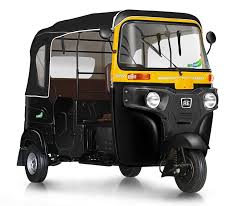
bajaj re 2008-2018 Maintenance Schedule
The Bajaj RE is a renowned three-wheeled, small-displacement commercial passenger vehicle, widely recognized for its role in low-cost urban and semi-urban transport across various global markets. Often referred to as an auto-rickshaw or motorized tricycle, it has been a workhorse for public transportation for decades. This guide specifically focuses on the 4-stroke RE variants produced between 2008 and 2018, encompassing models such as the RE Compact, RE 4S, RE CNG, and RE LPG. These models, including the Bajaj RE 2008 and the Bajaj RE 2009, marked a significant period for the platform, offering a blend of reliability and cost-effectiveness that made them popular choices for operators worldwide. Throughout its production run from the Bajaj RE 2010 through to the Bajaj RE 2013, the Bajaj RE maintained its core design philosophy of simplicity and durability. Engine options for these years included 199–236 cc single-cylinder 4-stroke petrol engines (air/oil-cooled), providing around 9–10.5 hp, and a 470.5 cc single-cylinder 4-stroke diesel engine, producing approximately 8.3 hp. All variants featured a 4-speed manual transmission, operated via a handlebar steering system with a foot clutch and foot brake. The Bajaj RE 2014, Bajaj RE 2015, and Bajaj RE 2016 models continued to utilize this robust mechanical setup, proving its enduring utility. While the RE platform shares some engine architecture similarities with Bajaj two-wheelers, its chassis and body are uniquely designed for three-wheeled applications, making it distinct from other vehicle classes. The Bajaj RE 2017 and Bajaj RE 2018 models, the latest in this specific generation, upheld the reputation for being easy to maintain and repair, a crucial factor in regions with demanding operating conditions. This comprehensive guide provides essential maintenance schedules, practical tips, and common problem insights to help owners ensure the longevity and reliability of their Bajaj RE auto-rickshaw, regardless of its specific model year within the 2008–2018 range.
Fluids
| Service | Interval | Notes |
|---|---|---|
| Engine Oil & Filter Change Critical | 3,000 km / 6 mo 2,000 km if severe use | Regular engine oil changes are vital for preventing engine wear, overheating, and maintaining engine life. In hot, dusty, or high-load conditions, consider changing oil every 2,000–3,000 km. The oil filter should be checked and replaced if fitted, to ensure clean oil circulation. |
| Engine Gasket Set Replacement Critical | 24,000 km / 48 mo | Replace the engine gasket set if any leaks are detected. Worn or brittle gaskets can lead to oil leaks, affecting engine lubrication and potentially causing damage. This is a crucial step to maintain engine integrity for a Bajaj RE 2008 and later models. |
Drivetrain
| Service | Interval | Notes |
|---|---|---|
| Clutch Cable & Brake Cable Adjustment Critical | 3,000 km / 6 mo | Check and adjust the clutch cable and brake cables for proper tension and free play. This ensures smooth gear engagement and effective braking performance, which is crucial for safety and driver control. Worn cables can lead to poor performance and potential failure. |
| Carburetor Adjustment | 6,000 km / 12 mo | Check and adjust the carburetor to ensure optimal fuel-air mixture. Proper carburetor adjustment contributes to efficient engine performance, better fuel economy, and reduced emissions. Poor adjustment can cause rough idling or hesitation. |
| Steering & Gear Linkage Lubrication | 6,000 km / 12 mo | Lubricate all steering and gear linkages to ensure smooth and effortless operation. This prevents premature wear of components and maintains precise control of the vehicle, enhancing both safety and driver comfort. |
| Clutch Plate Inspection/Replacement | 12,000 km / 24 mo | Inspect the clutch plate for wear and replace if necessary. Worn clutch plates can lead to slippage, poor acceleration, and increased fuel consumption. For models like the Bajaj RE 2014, replacement is often needed between 24,000-40,000 km. |
| Drive Shaft/Axle & Bearings Inspection Critical | 12,000 km / 24 mo | Inspect the drive shaft, axle, and associated bearings for any signs of wear, damage, or excessive play. Timely inspection prevents potential drivetrain failures and ensures smooth power delivery to the wheels, critical for a Bajaj RE 2016. |
| Cylinder, Piston & Rings Inspection Critical | 24,000 km / 48 mo | Inspect the cylinder, piston, and piston rings for wear, scoring, or damage. This in-depth check helps in detecting early signs of engine fatigue, preventing major issues, and is often part of a larger engine health check for high-mileage Bajaj RE 2010 models. |
Tyres
| Service | Interval | Notes |
|---|---|---|
| Tyre Condition & Pressure Check Critical | 3,000 km / 6 mo | Inspect all tyres for wear, damage, and proper inflation pressure. Correct tyre pressure is essential for safe handling, optimal fuel economy, and extended tyre lifespan. Uneven wear can indicate suspension or alignment issues. |
Inspection
| Service | Interval | Notes |
|---|---|---|
| Bolt, Nut & Body Mounting Point Inspection Critical | 3,000 km / 6 mo | Thoroughly check all bolts, nuts, and body mounting points for looseness or corrosion. Vibrations and heavy use can cause fasteners to loosen, leading to rattling noises, body panel issues, and potential safety hazards. Re-torque critical bolts as needed. |
Suspension
| Service | Interval | Notes |
|---|---|---|
| Front Suspension Pivot Pin & Bushing Inspection Critical | 3,000 km / 6 mo | Inspect the front shock pivot pin and bushings for wear or damage. Heavy passenger loads and rough roads can cause premature wear in these components, leading to loose handling or clunking noises. Lubricate pivot points as part of this service. |
| Front & Rear Suspension Inspection Critical | 6,000 km / 12 mo | Conduct a comprehensive inspection of both front and rear suspension components, including shocks, springs, and pivot pins. Look for signs of wear, leaks, or damage that could compromise handling and ride comfort. |
Filters
| Service | Interval | Notes |
|---|---|---|
| Air Filter Replacement/Cleaning | 6,000 km / 12 mo | Replace the air filter or clean it if reusable. A clogged air filter restricts airflow to the engine, leading to poor combustion, reduced power, and higher fuel consumption. This is especially important in dusty operating environments. |
Electrical
| Service | Interval | Notes |
|---|---|---|
| Spark Plug Inspection/Replacement | 6,000 km / 12 mo | Inspect the spark plug for wear, fouling, or damage. Clean or replace as necessary to ensure consistent ignition. A faulty spark plug can cause misfires, poor fuel economy, and rough engine running. Full replacement is recommended every 12,000 km. |
| Battery Condition & Electrical System Check Critical | 6,000 km / 12 mo | Check the battery condition, terminals, and connections for corrosion or looseness. Perform voltage checks on the electrical system to identify potential issues with the alternator or generator, which can lead to frequent headlight bulb failures or sensor problems. |
| Spark Plug Replacement | 12,000 km / 24 mo | Replace the spark plug to maintain optimal engine performance and fuel efficiency. Even if it appears functional, replacing it at this interval prevents potential misfires and ensures reliable ignition, particularly for models like the Bajaj RE 2012. |
Fuel System
| Service | Interval | Notes |
|---|---|---|
| Fuel Tank & Lines Inspection Critical | 12,000 km / 24 mo | Check the fuel tank and fuel lines for any leaks, cracks, or corrosion. Ensuring the integrity of the fuel system prevents fuel loss, reduces fire hazards, and maintains consistent fuel delivery to the engine, important for any Bajaj RE 2018. |
Cooling
| Service | Interval | Notes |
|---|---|---|
| Exhaust System (Muffler) Inspection | 12,000 km / 24 mo | Inspect the entire exhaust system, particularly the muffler, for rust, holes, or leaks. Humid and tropical conditions can accelerate muffler rust-out, leading to increased noise, higher emissions, and potential safety risks. Consider protective coatings. |
Brakes
| Service | Interval | Notes |
|---|---|---|
| Brake Shoe Replacement Critical | 24,000 km / 48 mo 12,000 km if severe use | Replace brake shoes if they are worn beyond their service limit. Timely replacement is critical for maintaining effective braking performance and ensuring safety. Warning signs include squealing noises or a long brake pedal travel, especially in a heavily used Bajaj RE 2015. |
Upkeep Tips
Maintaining your Bajaj RE, whether it's a Bajaj RE 2008 or a Bajaj RE 2018, is crucial for its longevity and reliable operation, especially when used for commercial purposes. One of the most important aspects is frequent engine oil changes. In hot, humid, and dusty operating conditions, such as those found in many global markets, engine oil degrades faster. It is highly recommended to change the engine oil every 2,000–3,000 km, rather than the standard 3,000–4,000 km intervals, to prevent engine wear and overheating. This proactive approach applies to all 4-stroke variants, including the Bajaj RE 2009 and Bajaj RE 2011 models.
Muffler protection is another critical area often overlooked. The factory paint on the muffler is not always durable enough for humid or tropical climates, leading to accelerated muffler rust-out. Regularly inspect your exhaust system, particularly the muffler, every six months for signs of corrosion. Applying high-temperature exhaust paint early can significantly extend the lifespan of this component, preventing increased exhaust noise and potential leaks for your Bajaj RE 2010 or Bajaj RE 2012. Owners of a Bajaj RE 2013 should also be vigilant about this.
The front suspension, including the pivot pin and bushings, requires regular attention. Due to heavy passenger loads and rough road conditions, these components can experience early wear. Inspect the front shock pivot pin and bushings every 3,000–6,000 km for any play or damage. Addressing front suspension wear promptly will prevent issues like a loose front end or clunking noises, which can affect handling and safety for a Bajaj RE 2014. Similarly, all body bolt torque should be checked regularly. Vibrations from daily use can quickly loosen body and cabin bolts, leading to rattling noises and compromised body integrity. Re-torque all critical body and cabin bolts every 6,000 km to maintain structural soundness for models like the Bajaj RE 2015 and Bajaj RE 2016.
Electrical system health is also vital. Poor-quality generators or alternators can cause voltage spikes, leading to frequent headlight bulb failures and other electrical issues. Check your battery condition and wiring connections every six months, performing voltage checks to ensure the system is operating within safe parameters. This helps prevent recurring electrical problems in your Bajaj RE 2017. For long-term ownership of any Bajaj RE, from the Bajaj RE 2008 to the Bajaj RE 2018, consider the impact of load management; avoiding overloading beyond the Gross Vehicle Weight (GVW) significantly reduces stress on the suspension and engine components, contributing to a longer, more reliable operational life.
Add-ons & Upgrades
Universal Sunshade (cabin)
Reduces cabin heat and protects occupants from direct sunlight, enhancing comfort during long trips. It typically ties to the cabin frame for easy installation and removal.
Shop on AmazonHeavy-Duty Seat Cover
Protects the original seat upholstery from wear and tear, extending its life and improving passenger comfort. Many universal options are available, with some specific to auto-rickshaw seats.
Shop on AmazonCompact Dash Cam (1080p)
Records incidents for safety and security purposes, providing valuable evidence in case of accidents. It mounts universally and can be powered directly from the vehicle's battery.
Shop on AmazonUniversal Phone Mount
Securely holds a smartphone for navigation or communication, keeping it accessible and visible to the driver. These typically feature clamp or strap mounts for easy installation.
Shop on AmazonLED Auxiliary Headlight
Enhances night visibility significantly beyond standard headlights, improving safety during evening operations. These are universal and can be wired to the battery with appropriate fusing.
Shop on AmazonBasic Tool Kit
Provides essential tools for minor on-road repairs and adjustments, helping drivers handle common issues independently. A compact kit usually fits conveniently under the seat.
Shop on AmazonReflective Warning Triangle
A crucial safety item to alert other road users in case of a breakdown or emergency stop. It is universal and easily collapsible for storage.
Shop on AmazonWhere to Buy Parts
Frequently Asked Questions
Is the 2010 Bajaj RE reliable for daily commercial use?+
The 2010 Bajaj RE is widely regarded as reliable for daily commercial use, provided it receives regular maintenance. Its straightforward 4-stroke engine and mechanical systems are easy to service, allowing many units to operate for over 100,000 km. However, long-term reliability for a Bajaj RE 2010 is highly dependent on consistent maintenance history, proper load management, and protection against common issues like rust and electrical problems, especially in demanding tropical climates.
What are the most common problems with the 2015 Bajaj RE?+
Owners of the Bajaj RE 2015 models frequently report common issues such as front suspension pivot pin wear, frequent headlight bulb failures, speedometer/odometer cable breakage, and muffler rust-out. These problems are generally linked to heavy usage, constant vibration, and exposure to humid conditions, rather than inherent design flaws. Regular inspections, along with protective coatings, can significantly reduce the occurrence of these issues in any Bajaj RE, including the 2015 model.
How often should I change the engine oil in a 2008–2018 Bajaj RE?+
In hot and dusty operating conditions, typical of many regions, it is advisable to change the engine oil in a 2008–2018 Bajaj RE every 2,000–3,000 km, rather than the standard 3,000–4,000 km intervals. This more frequent oil change schedule helps to prevent engine wear, reduce the risk of overheating, and maintain optimal performance, which is especially important for vehicles like the Bajaj RE 2012 that are used for continuous public transport service.
What is the approximate cost of a full engine overhaul for a Bajaj RE?+
A full engine overhaul for a Bajaj RE, which typically includes components like the cylinder, piston, rings, and gaskets, generally costs around $200–$300 (₦320,000–₦480,000) including parts and labor at local workshops. This represents one of the most significant repair expenses an owner might encounter. Early detection of engine wear and adherence to regular maintenance schedules can help prolong engine life and potentially defer the need for such an extensive repair for models like the Bajaj RE 2014.
Are 2018 Bajaj RE models better than earlier 2008–2015 versions?+
Later models, such as the Bajaj RE 2018, often incorporate minor refinements in build quality, updated emissions compliance, and slight improvements to components like the instrument cluster and electrical systems compared to earlier 2008–2015 versions. However, the fundamental mechanical design remains largely consistent across the series. Therefore, the long-term reliability of any Bajaj RE, including the Bajaj RE 2016, ultimately depends more on diligent maintenance and operational conditions than on the specific production year within this range.