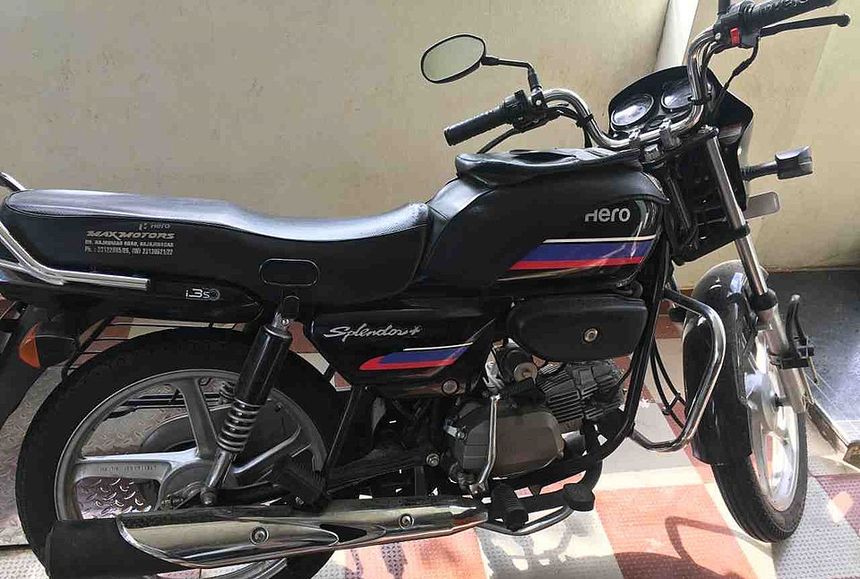
hero splendor 1994-2010 Maintenance Schedule
The Hero Splendor, first introduced in India in April 1994 as the successor to the Hero Honda CD100, rapidly became a dominant force in the commuter motorcycle segment. Its enduring popularity throughout its early production run, from 1994 to 2010, is attributed to its exceptionally low running costs, high fuel efficiency, and overall reliability. This report delves into the technical and commercial aspects of these early Splendor models, often referred to as the "early Splendor" or Splendor+ era, before later facelifts and the introduction of fuel-injected variants. The typical engine powering these motorcycles is a 97.2 cc, air-cooled, single-cylinder, OHC, 4-stroke unit, producing around 7.4 to 8.2 bhp, paired with a 4-speed constant-mesh gearbox. Most models from 1994–2010 feature a carbureted fuel system, with kick-start being standard, though electric start was added to some variants. Braking is handled by front and rear drum brakes, supported by telescopic front forks and adjustable hydraulic rear shocks. The platform is closely related to other early Hero Honda commuter models like the CD100 and Passion, sharing many core components. Understanding the maintenance schedule, common issues, and parts availability is crucial for any owner looking to keep their Hero Splendor 1994 or any subsequent model in this range running optimally. This guide provides a comprehensive overview, drawing from owner manuals, repair guides, and marketplace data to assist owners globally. The Hero Splendor 1994 set a benchmark for the series, and its core design principles carried through the years.
Fluids
| Service | Interval | Notes |
|---|---|---|
| Engine Oil Change Critical | 3,000 km / 6 mo 2,000 km if severe use | Replace engine oil (0.9-1.0L of 10W30 semi-synthetic recommended) to ensure proper lubrication, cooling, and to prevent accelerated engine wear, reduced fuel economy, and overheating. Warning signs include heavy exhaust smoke, noisy lifters, and reduced power. This is a critical, routine maintenance task for all Hero Splendor models, including the Hero Splendor 1994. |
Filters
| Service | Interval | Notes |
|---|---|---|
| Air Filter Cleaning/Replacement Critical | 6,000 km 3,000 km if severe use | Clean or replace the air filter element every 6,000 km (or sooner in dusty conditions, like every 3,000 km). A clogged filter restricts airflow, leading to poor performance, reduced fuel economy, and potential engine damage from ingested dust. Warning signs include rough idle and hesitation. |
Electrical
| Service | Interval | Notes |
|---|---|---|
| Spark Plug Replacement Critical | 8,000 km 6,000 km if severe use | Replace the spark plug every 8,000 km to ensure optimal ignition, prevent misfires, hard starting, and poor fuel economy. A fouled or worn plug is a common cause of performance issues. Warning signs include misfires and hesitation during acceleration. This applies to all Hero Splendor models, including the Hero Splendor 2005. |
| Battery & Charging System Check Critical | 6 mo | Check the battery and charging system every 6 months. A weak battery or faulty charging system can lead to slow cranking, dim headlights, and inability to start, potentially stranding the rider. Warning signs include low cranking power and dim headlamps. This is particularly relevant for older units of the Hero Splendor 2007. |
Inspection
| Service | Interval | Notes |
|---|---|---|
| Valve Clearance Check & Adjustment Critical | 12,000 km 6,000 km if severe use | Check and adjust valve clearance every 12,000 km (or 6,000 km in severe conditions). Improper clearance leads to noisy valve train, poor starting, loss of power, and increased fuel consumption. Warning signs are tappet noise and a rough idle. This is important for the longevity of your Hero Splendor 2007. |
| Exhaust System Check | 12,000 km 6,000 km if severe use | Visually inspect the exhaust system for rust, leaks, or damage every 12,000 km. Rust and leaks can lead to increased noise, reduced performance, and emissions issues. Particularly important for bikes in humid or coastal environments. This applies to all Hero Splendor models from 1994 to 2010. |
Fuel System
| Service | Interval | Notes |
|---|---|---|
| Carburetor Cleaning & Tuning Critical | 12,000 km 6,000 km if severe use | Clean and tune the carburetor every 12,000 km, or more frequently if experiencing poor fuel quality or symptoms. Neglecting this can lead to poor starting, engine flooding, and high fuel consumption. Warning signs include rough idle, stalling, and black smoke. A common issue for models like the Hero Splendor 1994. |
Drivetrain
| Service | Interval | Notes |
|---|---|---|
| Drive Chain Lubrication | 1,000 km 500 km if severe use | Lubricate the drive chain every 1,000 km (or 500 km in wet/dusty conditions) to ensure smooth power transfer, reduce wear on the chain and sprockets, and prevent premature failure. Warning signs include excessive slack, skipping, and noise. |
| Clutch System Inspection Critical | 12,000 km 6,000 km if severe use | Inspect the clutch system, including free play and plate wear, every 12,000 km, especially after significant engine work or high mileage. Symptoms of worn clutch plates include poor acceleration under load and slipping. This is crucial for maintaining drivability and preventing further gearbox stress. |
Brakes
| Service | Interval | Notes |
|---|---|---|
| Brake System Inspection Critical | 6,000 km 3,000 km if severe use | Inspect front and rear brake shoes and cables every 6,000 km. Worn brake shoes or damaged cables compromise stopping power, creating a significant safety hazard. Warning signs include spongy brake levers, reduced braking effectiveness, and grinding noises. This check is vital for all Hero Splendor models. |
Tyres
| Service | Interval | Notes |
|---|---|---|
| Tyre Inspection Critical | 5,000 km 3,000 km if severe use | Inspect tyre pressure, tread depth, and for any cuts or bulges every 5,000 km. Properly inflated and maintained tyres are essential for safety, handling, and fuel efficiency. Worn tyres significantly increase the risk of skidding and accidents. |
Suspension
| Service | Interval | Notes |
|---|---|---|
| Suspension Check | 12,000 km 6,000 km if severe use | Inspect front forks and rear shock absorbers for leaks, damage, or excessive play every 12,000 km. Compromised suspension affects handling, stability, and ride comfort. Warning signs include a bouncy ride, instability during cornering, and visible fluid leaks. |
Upkeep Tips
The Hero Splendor, particularly models from its initial production run between 1994 and 2010, is renowned for its exceptional reliability and low cost of ownership, making it a favorite commuter motorcycle. To maintain this reputation and ensure longevity, consistent and proactive maintenance is key. For the Hero Splendor 1994, as with all subsequent models up to 2010, adhering to the recommended service schedule is paramount. This includes regular engine oil changes, typically every 3,000-4,000 km or six months, using a 10W30 semi-synthetic oil. Neglecting oil changes can lead to accelerated engine wear, overheating, and reduced performance. The air filter is another critical component, especially in dusty or tropical climates like those found in parts of Nigeria. It should be cleaned or replaced more frequently, perhaps every 3,000 km in severe conditions, to prevent dust ingestion that can damage the engine. Spark plugs should be replaced around every 8,000 km to ensure efficient combustion and easy starting. Valve clearance adjustments, recommended every 12,000 km, are vital for engine health and fuel efficiency; ignoring them can result in noisy operation and power loss. Carburetor maintenance, including cleaning and tuning, is also essential, typically every 12,000 km or sooner if symptoms like rough idling or stalling appear. This is a common area for issues on carbureted models like the Hero Splendor 2003. Owners should also pay close attention to the braking system, inspecting shoes and cables regularly, and the drive chain, which needs lubrication every 1,000 km to prevent excessive wear. The electrical system, including the battery and charging components, requires checks every six months. Older units, such as a Hero Splendor 2007, may be more prone to charging system issues like a weak stator or failing regulator/rectifier. Proactive replacement of the battery, typically every 2-4 years, is also advised. For owners in humid or coastal areas, keeping an eye on the exhaust silencer for rust and leaks is important; regular cleaning and touch-up painting can extend its life. When considering major repairs, such as an engine rebore or clutch replacement, which might be needed after 50,000-100,000+ km depending on usage, budgeting for these is wise. A well-documented maintenance history significantly boosts resale value and buyer confidence. For those in challenging environments, consider performing maintenance tasks more frequently than the standard schedule suggests. For example, a Hero Splendor 1994 owner in a dusty region might clean their air filter weekly and change oil every 2,000 km. Ultimately, the Splendor's robust design means that with diligent care, these motorcycles can provide many years and kilometers of reliable service.
Add-ons & Upgrades
Universal Phone Mount
Securely holds your smartphone on the handlebars for navigation and other apps. Features a universal clamp suitable for most handlebar sizes.
Shop on AmazonAction Camera / Dash Cam
Record your rides for security or documentation purposes. These compact cameras come with universal mounts for handlebars or helmets.
Shop on AmazonHeavy-Duty Footboard Rubber Mats
Protect the rider's foot area and provide improved grip. These can be universal fit or model-specific for enhanced protection.
Shop on AmazonHandheld Spark Tester
A useful diagnostic tool for quickly checking ignition system health and spark output on carbureted motorcycles like the Splendor.
Shop on AmazonAftermarket Exhaust Silencer
Replace a damaged or rusted OEM silencer with an aftermarket option for improved sound and emissions. Ensure correct fitment for your model year.
Shop on AmazonComfort Seat Cover Upgrade
Enhance riding comfort on longer journeys with a replacement seat cover or foam upgrade kit. Many are model-specific for a perfect fit.
Shop on AmazonCarburetor Rebuild Kit
Contains essential parts like jets, needles, and gaskets for servicing common carburetor issues like flooding or poor starting.
Shop on AmazonHeavy-Duty Chain & Sprocket Kit
Upgrade your drivetrain with a more durable chain and sprocket set for increased longevity and performance.
Shop on AmazonWhere to Buy Parts
Frequently Asked Questions
Is the 1998 Hero Splendor reliable for daily city use?+
The 1998 Hero Splendor is widely regarded as very reliable for daily urban commuting when maintained regularly; owners report excellent fuel economy and simple mechanics that local mechanics can service easily. Routine items include oil changes every 3–4k km, carb cleaning every 6–12k km and valve checks; neglecting these accelerates wear and can lead to more expensive repairs like rebore or clutch replacement.
Why does my 2004 Splendor stall after cold starts and how much to fix it?+
Cold-start stalling on 2004 Splendors is typically due to carburetor mixture/float issues, fouled spark plug, or incorrect choke technique; a carb clean and basic tune usually resolves it for $20–$60 if done professionally, or $5–$30 DIY for parts and cleaning supplies. If compression is low after many km, more expensive top-end repairs may be required.
How often should I replace the clutch plates on a 2007 Splendor?+
Clutch life varies with riding style; inspect at 30k–50k km and expect replacement between 40k–100k km depending on load and use. Heavy stop-and-go city usage shortens life; replacing worn plates proactively prevents slippage and possible gearbox stress, with parts+labor typically $60–$160.
Can I fit a modern replacement silencer on an older Splendor, and cost?+
Yes—many aftermarket silencers are made to fit early Splendor mount points; expect $30–$80 for a replacement depending on brand and whether it’s OEM-fit or universal, plus $15–$40 labor if a minor mount modification is required.
What preventive steps should owners take for Splendor longevity?+
Owners should prioritize frequent air-filter replacement (every 3k–6k km in dusty conditions), use good-quality oil and change it every 3–4k km, keep the charging system and battery inspected due to heat, and protect the bike from humidity to reduce silencer and frame rust; these steps significantly extend engine life and prevent frequent carburetor/charging faults.