honda super 1958-2007 Common Problems & Issues
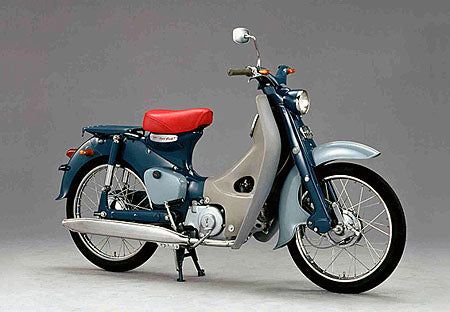
The Honda Super Cub represents a pivotal moment in personal transportation, embodying a simple, robust, and incredibly popular underbone step-through motorcycle design. Produced continuously from its debut in August 1958 through 2007 and beyond in various forms, the Super Cub became a global phenomenon. Honda described it as a mass-market commuter motorcycle, and its impact is undeniable, with cumulative production figures reaching an astonishing 35 million units by December 2002 and 60 million by April 2008 across the entire Cub family. This guide focuses on the classic run of the Honda Super Cub c100/102, spanning from its 1958 introduction to the 2007 model year, covering its foundational technical specifications, common issues, maintenance needs, and ownership insights. The early Honda Super Cub c100/102 models, such as the 1958 Honda Super Cub, were equipped with a 49 cc air-cooled single-cylinder four-stroke engine. Depending on the source notation, the valvetrain was either Overhead Cam (OHC) or Overhead Valve (OHV), with early C100/C102 listings often specifying OHV. Fueling was managed by a carburetor, paired with a semi-automatic wet clutch and a 3-speed transmission. Power was delivered to the rear wheel via an enclosed chain final drive. The frame was a distinctive pressed-steel underbone design, complemented by leading-link front suspension and a swingarm at the rear. Both front and rear brakes were drum units, and the wheels were typically in the 17-inch class, suitable for its role as a small-displacement commuter. Performance figures for these early models, like the 1958 Honda Super Cub, were modest, typically around 4.5 horsepower at 9,500 rpm and about 3.2 Nm of torque, with a top speed reaching approximately 69 km/h or 43 mph. Despite these modest specs, the Super Cub's genius lay in its accessible design, ease of operation, and remarkable fuel efficiency, making it an ideal choice for daily commuting and utilitarian tasks across diverse global markets. The shared platform logic established by the Super Cub influenced countless subsequent motorcycle designs, solidifying its status as a foundational model in the history of two-wheeled transport. Understanding the nuances of its engineering, from the early 1958 Honda Super Cub to later iterations up to 2007, is key to appreciating its enduring legacy and addressing potential ownership challenges.
1
Critical
4
Moderate
0
Minor
Known Issues
Carburetor Varnish and Clogging
ModerateCarburetors on carbureted motorcycles like the Honda Super Cub are susceptible to varnish and clogging, especially if the bike is infrequently used or sits for extended periods. Stale fuel can degrade and leave deposits within the fuel bowl and jets, leading to starting difficulties, rough idling, and poor performance. This is particularly relevant for models like the 1958 Honda Super Cub and other carbureted variants up to 2007. Diagnosis involves inspecting the fuel bowl for sediment and checking for blockages in the main jet and pilot jet. Cleaning typically requires disassembly of the carburetor, using carburetor cleaner spray, and potentially compressed air to clear passages. A full rebuild kit might be necessary if components are heavily corroded or worn. This issue is common for carbureted bikes, especially those stored improperly.
Brake Fade and Drum Shoe Wear
ModerateThe Honda Super Cub, particularly earlier models like the 1958 Honda Super Cub and those up to 2007, utilizes drum brakes. Drum brakes are prone to fade under heavy or prolonged use due to heat buildup, reducing their stopping effectiveness. Additionally, the brake shoes themselves are wear items and will need periodic replacement. Symptoms include a spongy lever feel, reduced braking power, and grinding noises. Inspection involves removing the brake drums to assess shoe thickness and the condition of the drum surface. Replacement of brake shoes and ensuring proper adjustment are crucial for safety. For models like the 2007 Honda Super Cub, regular inspection of brake components is vital, especially in hot or wet climates. This is a common wear-and-tear item for drum brake systems.
Chain and Sprocket Wear
ModerateAs a chain-driven motorcycle, the Honda Super Cub's chain and sprockets are subject to wear over time, especially on units that have seen high mileage or have not been consistently maintained. Wear can manifest as a stretched chain, hooked or worn teeth on the sprockets, and increased noise or vibration. This affects all models from the 1958 Honda Super Cub through the 2007 Honda Super Cub. Regular cleaning, lubrication, and proper tension adjustment are essential to prolong their life. When replacement is needed, it's typically recommended to replace the chain and both sprockets as a set to ensure optimal performance and longevity. Neglecting this can lead to chain breakage, potential damage to the engine or rear wheel components, and reduced riding safety. This is a widespread wear item on chain-driven vehicles.
Suspension Bushing and Link Wear
ModerateThe suspension components of classic motorcycles like the Honda Super Cub, especially those used heavily in demanding conditions, can suffer from wear in bushings and linkage points. This includes the leading-link front suspension and the swingarm rear suspension. Worn bushings can lead to a loss of damping control, imprecise handling, and knocking sounds over bumps. This issue can affect any Honda Super Cub from 1958 to 2007, particularly those subjected to high mileage, rough roads, or harsh environmental factors like dust and humidity. Diagnosis involves checking for play in the suspension components. Replacement of worn bushings or bearings is necessary to restore proper suspension function and handling. This is an occasional issue, more prevalent on higher-mileage or poorly maintained machines.
Electrical System Aging and Corrosion
CriticalOlder motorcycles, including the Honda Super Cub from its 1958 debut through 2007, often experience issues related to aging electrical components and corrosion. Early models might have 6-volt systems, which are inherently less robust than modern 12-volt systems and more prone to charging problems and dim lights. Corrosion can affect wiring connections, switches, the magneto, and the regulator/rectifier (on later models), leading to intermittent electrical failures, weak spark, or non-starting conditions. Addressing these problems involves thorough inspection of the wiring harness, cleaning connections, testing the charging system, and potentially replacing components like the stator, coils, or points and condenser. This is a common long-term issue for classic motorcycles.
What to Check Before Buying
Owning a classic Honda Super Cub, whether it's an early 1958 Honda Super Cub or a later model up to 2007, can be a rewarding experience, but it requires understanding its unique needs and potential age-related issues. The Super Cub's enduring appeal lies in its mechanical simplicity, low running costs, and incredible practicality as a commuter machine. However, like any vehicle that has been in production for decades, specific attention must be paid to its maintenance and the potential for wear and tear on its components.
Regular maintenance is paramount for ensuring the reliability and longevity of your Honda Super Cub. This includes consistent oil changes, ideally using an oil suitable for classic motorcycle engines. The air-cooled nature of the engine means it relies on airflow, so ensuring the cooling fins are clean and unobstructed is important. Fuel system maintenance is critical, especially for carbureted models like the Honda Super Cub c100/102. Stale fuel can quickly degrade and clog the carburetor's internal passages, leading to starting problems and poor running. Using a fuel stabilizer when the bike is stored for any length of time, and draining the carburetor bowl if it will be unused for months, are good practices. Regular cleaning of the carburetor itself, perhaps annually or more often if you experience issues, is a wise preventative measure.
The braking system, typically drum brakes on classic Super Cubs, requires diligent attention. Drum brakes can be less effective than modern disc brakes, especially when wet or hot, and their performance degrades with wear. Inspecting the brake shoes regularly for thickness and the drum for scoring is essential for safety. Adjusting the brakes to ensure they are responsive without dragging is also key. Similarly, the chain and sprockets are vital wear items. Keep the drive chain clean, lubricated, and properly tensioned. A worn chain and sprockets can not only reduce performance but also pose a safety risk if they break. It is generally recommended to replace the chain and sprockets as a set when wear becomes apparent.
Electrical systems on older motorcycles can be a source of frustration. Corrosion is a common enemy, affecting wiring connections, switches, and grounding points. Periodically inspecting these areas, cleaning them, and applying dielectric grease can prevent many electrical gremlins. For models with older 6-volt systems, be aware that charging capacity is limited, and bulbs might be dimmer than you are accustomed to. If you experience weak charging or intermittent electrical issues, a thorough diagnosis of the stator, regulator/rectifier, and wiring harness is necessary.
When considering a purchase of a classic Honda Super Cub, whether it's a 1958 model or a 2007 Honda Super Cub, a thorough inspection is crucial. Check for signs of rust, especially in the fuel tank and frame. Inspect the suspension for play in the bushings and linkages. Examine the tires for age and condition. Listen for unusual noises from the engine and transmission. A test ride should reveal how the engine performs under load, how the clutch engages, and how effectively the brakes work. Pay attention to the condition of the bodywork and trim pieces, as some of these can be difficult to find and expensive to replace, particularly for very early models like the 1958 Honda Super Cub.
For owners in climates with high humidity, dust, or frequent rain, extra care should be taken. Corrosion protection for fasteners and metal parts is advisable. More frequent cleaning of the air filter and carburetor may be necessary. Brake systems should be checked even more often due to the potential for moisture and heat compromising their performance. Short trips and frequent starting/stopping cycles can also accelerate wear on certain components, so adapt your maintenance schedule accordingly. Ultimately, a well-maintained Honda Super Cub is a remarkably reliable and economical machine that offers a unique riding experience.
Where to Buy Parts
Frequently Asked Questions
How reliable is the classic Honda Super Cub?+
The Honda Super Cub boasts a strong reputation for reliability due to its simple, robust design and massive production scale. However, reliability is heavily dependent on the individual unit's maintenance history, especially concerning fuel system cleanliness, brake condition, and electrical component health. A well-maintained Super Cub, including models like the 1958 Honda Super Cub and up to the 2007 Honda Super Cub, is generally very dependable. Neglected examples may exhibit more age-related issues.
What are the most critical age-related issues for a 1958-2007 Super Cub?+
The most common age-related issues on classic Honda Super Cubs from 1958 to 2007 revolve around the fuel system (carburetor clogging from stale fuel), the braking system (drum brake wear and fade), the chain drive (wear and stretching), and the electrical system (corrosion and aging components). These are simple systems but require consistent attention as the bike ages.
Are early Super Cubs (1958-1960) significantly different from later models up to 2007?+
Yes, while the core underbone commuter concept remained, early models like the 1958 Honda Super Cub and the C100/C102 era featured the original 49cc engine, semi-automatic clutch, and 3-speed transmission. Later classic models evolved with subtle changes in components, styling, and possibly engine tuning or electrical systems. Exact year and submodel are important for parts compatibility, as details can vary significantly across the 1958-2007 production span.
Is maintenance on a 2007 Honda Super Cub still straightforward?+
Yes, a 2007 Honda Super Cub remains mechanically straightforward to maintain, especially when compared to modern motorcycles. The primary challenges are not complexity but sourcing correct, year-specific parts and ensuring that basic maintenance tasks like carburetor cleaning, brake adjustments, and chain care are performed regularly. The simple design facilitates most owner-level maintenance.
What should I check when buying a used Honda Super Cub from this era?+
When buying a classic Honda Super Cub (1958-2007), thoroughly inspect for rust, especially in the fuel tank and frame. Check cold starting, idle stability, smoke from the exhaust, brake function, tire condition, and suspension play. Examine electrical connections for corrosion. Listen for unusual engine or transmission noises. A test ride is essential to assess overall performance, clutch feel, and braking effectiveness. Originality and service history are also very important factors.