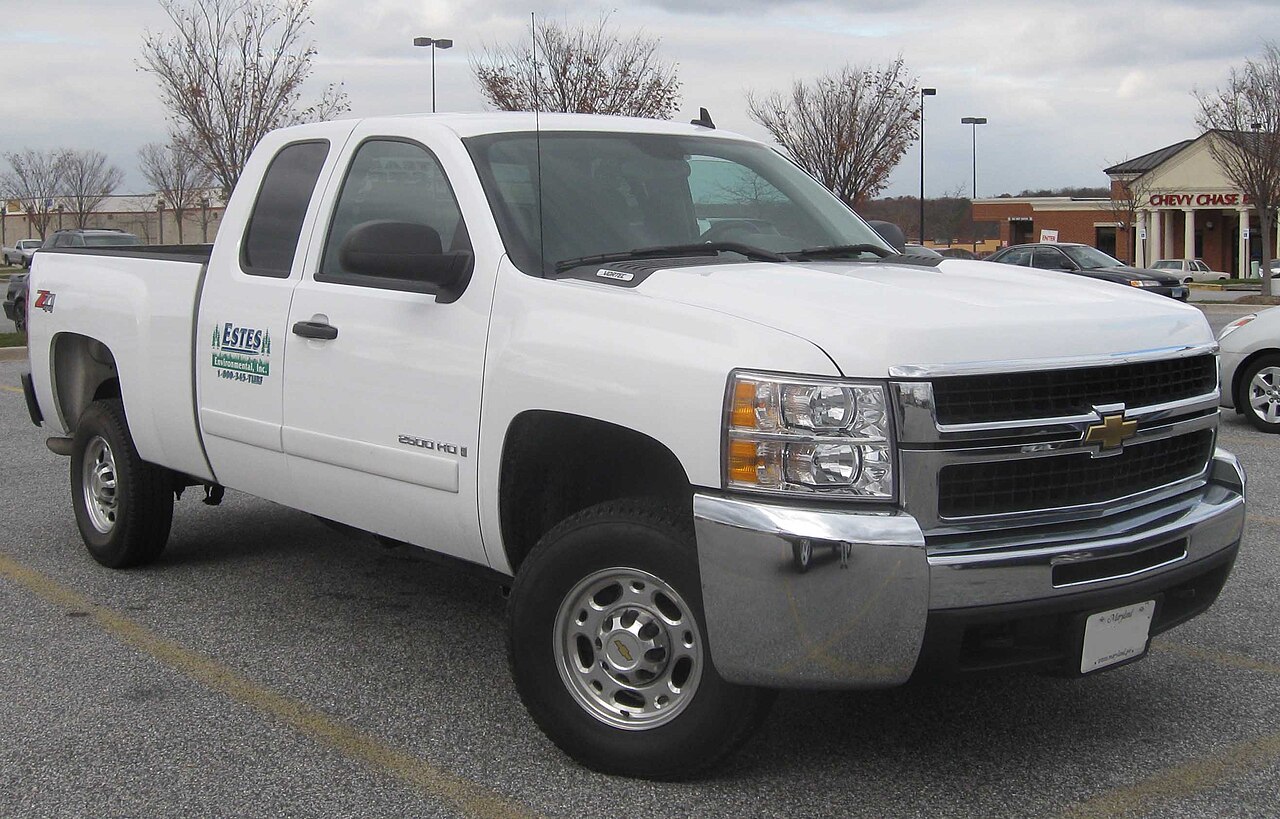
chevrolet silverado 2007-2013 Spare Parts & Pricing
The 2007–2013 Chevrolet Silverado 1500, part of GM's GMT900 full-size pickup truck series, represents the second generation of the Silverado. This generation, spanning model years 2007 through 2013, offered a significant redesign over its predecessors and came in various cab configurations including regular, extended, and crew cabs, along with multiple bed lengths. It was built on the robust GMT900 architecture, sharing its platform with the GMC Sierra and other GM full-size trucks and SUVs of the era. Under the hood, these trucks were typically powered by a range of gasoline engines. Common options included the 4.3L V6, 4.8L V8, and the widely popular 5.3L V8. Higher trims and specific applications also saw the 6.0L V8. Many of the V8 engines featured Active Fuel Management (AFM), also known as displacement on demand, which could deactivate cylinders to improve fuel economy. Transmission choices varied, with earlier models sometimes using 4-speed automatics, while later and more common variants were equipped with 6-speed automatic transmissions like the 6L80, depending on the engine and trim level. Trim levels ranged from the utilitarian WT (Work Truck) to the more feature-rich LS, LT, and the top-tier LTZ, with special editions like the Z71 off-road package also being popular. While generally considered a durable and capable truck, the GMT900 Silverado 1500 has several known areas of concern that owners should be aware of. These often involve the powertrain, particularly issues related to the 5.3L V8 engine's Active Fuel Management system, including oil consumption and lifter problems. Electronic throttle control systems can also present issues, leading to drivability concerns. Electrical gremlins, often stemming from grounding or battery connection problems, are another area frequently reported by owners. Understanding these common problems, along with the availability and cost of replacement parts, is crucial for maintaining this generation of Silverado. This guide provides a comprehensive overview of the parts, common issues, maintenance schedules, and ownership considerations for the 2007–2013 Chevrolet Silverado 1500. It aims to equip owners and potential buyers with the knowledge needed to keep these trucks running smoothly and to make informed decisions regarding repairs and upkeep. We will delve into specific part replacements, explore typical repair costs, and offer practical advice for maintaining these robust American pickups.
Engine
| Part | Price Range | Availability | Interval |
|---|---|---|---|
| Oil pump Essential for engine lubrication. Wear can lead to low oil pressure, especially in 5.3L and 6.0L V8s. Replacement often requires oil pan removal. Consider OEM or reputable aftermarket brands for reliability. | $120 – $300 | Widely available | N/A (Failure item) |
| Valve cover with PCV Updated driver-side valve cover addresses oil consumption issues common in AFM V8s by improving the PCV system. Replacement is recommended if oil consumption or related misfires are present. | $60 – $260 | Widely available | N/A (Failure item) |
| AFM lifter Individual lifters, particularly those related to Active Fuel Management (AFM), can fail, causing ticking noises and low oil pressure. Replacement requires significant engine disassembly. Consider AFM deactivation if multiple lifters fail. | $30 – $160 | Widely available | N/A (Failure item) |
Suspension
| Part | Price Range | Availability | Interval |
|---|---|---|---|
| Front lower control arm with ball joint Includes the control arm and ball joint. Worn components can lead to alignment issues, uneven tire wear, and clunking noises. Replacement is often done in pairs for consistent handling. | $90 – $380 | Widely available | 60,000 - 150,000 miles |
| Front shock absorber Contributes to ride comfort and handling. Worn shocks can result in a bouncy ride, poor steering response, and increased braking distances. Replace in pairs. | $40 – $180 | Widely available | 60,000 - 100,000 miles |
Brakes
| Part | Price Range | Availability | Interval |
|---|---|---|---|
| Front brake pads set Essential for stopping power. Wear rate depends heavily on driving habits and conditions. Always replace with appropriate quality pads to ensure safe braking performance. | $25 – $120 | Widely available | 25,000 - 70,000 miles |
| Front brake rotor Smooth surfaces for brake pads to act upon. Can warp or wear thin over time, leading to vibration or reduced braking effectiveness. Often replaced with pads. | $35 – $180 | Widely available | N/A (Replaced as needed with pads or if warped) |
Steering
| Part | Price Range | Availability | Interval |
|---|---|---|---|
| Intermediate steering shaft Connects steering column to steering rack. Worn universal joints or couplings can cause clunking, play, or vibration in the steering. Crucial for safe steering control. | $80 – $350 | Widely available | N/A (Failure item) |
Electrical
| Part | Price Range | Availability | Interval |
|---|---|---|---|
| Brake light switch Activates brake lights when the pedal is pressed. A faulty switch can cause brake lights to stay on or not function, affecting safety and cruise control operation. | $8 – $65 | Widely available | N/A (Failure item) |
| Throttle position sensor / Accelerator pedal module Monitors throttle pedal position to control engine speed. Failure can cause limp mode, poor throttle response, and check engine lights with codes like P2135. | $60 – $400 | Widely available | N/A (Failure item) |
Cooling System
| Part | Price Range | Availability | Interval |
|---|---|---|---|
| Water pump Circulates coolant through the engine. Leaks or failure can lead to overheating. Often replaced preventatively during other engine service like timing belt replacement (if applicable). | $40 – $220 | Widely available | 80,000 - 150,000 miles |
| Radiator Dissipates heat from the engine coolant. Can develop leaks or become clogged over time, especially in harsh climates. Replacement is critical to prevent engine damage from overheating. | $150 – $900 | Widely available | 100,000 - 150,000 miles |
Fuel System
| Part | Price Range | Availability | Interval |
|---|---|---|---|
| Fuel pump (in-tank) Supplies fuel to the engine. Failure can result in no-start conditions or intermittent stalling. Replacement involves dropping the fuel tank. | $90 – $450 | Widely available | N/A (Failure item) |
Drivetrain
| Part | Price Range | Availability | Interval |
|---|---|---|---|
| Transmission filter/service kit Includes filter and gasket; fluid is purchased separately. Regular transmission service is vital for longevity, especially for the 6-speed automatics. | $40 – $150 | Widely available | 45,000 - 60,000 miles |
Sensors
| Part | Price Range | Availability | Interval |
|---|---|---|---|
| Knock sensor Detects engine knock or detonation, allowing the ECU to adjust timing. A failing sensor can lead to reduced engine performance and fuel economy. | $30 – $180 | Widely available | N/A (Failure item) |
| MAF sensor Measures the amount of air entering the engine. A dirty or faulty MAF sensor can cause rough idling, poor acceleration, and check engine lights. | $60 – $300 | Widely available | N/A (Failure item) |
Body
| Part | Price Range | Availability | Interval |
|---|---|---|---|
| Headlight assembly Includes housing, lens, and internal reflectors/sockets. Replacement is common due to UV degradation, cracks from impact, or internal component failure. | $60 – $450 | Widely available | N/A (Damage or degradation) |
| Front bumper cover The outer plastic or painted cover of the front bumper. Prone to damage from minor impacts and road debris. Aftermarket options are readily available. | $120 – $700 | Widely available | N/A (Damage) |
Filters
| Part | Price Range | Availability | Interval |
|---|---|---|---|
| Engine oil filter Removes contaminants from engine oil. Crucial for engine health. Always use a quality filter to protect engine internals, especially with AFM engines. | $4 – $18 | Widely available | 5,000 - 7,500 miles |
Service Items
| Part | Price Range | Availability | Interval |
|---|---|---|---|
| Engine oil (Synthetic 5W-30/5W-20) Quantity typically 6-8 quarts depending on engine. Full synthetic is highly recommended for optimal protection, especially for AFM engines and in demanding conditions. | $25 – $60 | Widely available | 5,000 - 7,500 miles |
Buying Guide
The 2007–2013 Chevrolet Silverado 1500 (GMT900 generation) stands as a testament to American truck manufacturing, offering robust performance and utility. When considering a used model, a thorough inspection and understanding of its common issues and maintenance history are paramount. These trucks are known for their durability, but like any vehicle, they have specific areas that require attention.
Engine options primarily include V6 and V8 configurations, with the 5.3L V8 being the most prevalent. Many of these V8s are equipped with Active Fuel Management (AFM), a system designed to improve fuel economy by deactivating cylinders under light load. While effective, AFM systems can sometimes lead to increased oil consumption and potential lifter issues if not meticulously maintained. Owners should look for signs of excessive oil burning, ticking noises from the engine, or illuminated check engine lights, especially on higher-mileage examples. Regular oil changes using the correct specification synthetic oil are critical for the longevity of AFM-equipped engines. Some owners opt for AFM delete kits to bypass these potential complications entirely, which can be a factor in a used purchase decision.
Transmission performance is another key area. The available 4-speed and 6-speed automatic transmissions are generally reliable, but like all automatics, they benefit greatly from regular fluid and filter changes. Neglecting transmission maintenance can lead to overheating, slipping, and eventual failure. When test driving, pay close attention to shifting smoothness, any signs of delayed engagement, or unusual noises. A history of towing or heavy use may warrant more frequent service intervals.
Suspension and steering components are typical wear items on trucks, especially those used for work or driven on rough roads. Listen for clunks or rattles from the front end, particularly when going over bumps or turning. Issues with the steering intermediate shaft or worn ball joints and control arm bushings are common and can affect handling and tire wear. A thorough visual inspection of the suspension components for leaks, cracks, or excessive play is recommended. Check for uneven tire wear, which can indicate alignment problems.
The braking system, comprising pads and rotors, is another wear item. Check for pulsating brake pedals, grinding noises, or a soft brake pedal, which can indicate worn pads or rotors, or issues with the hydraulic system. Brake light switch failures are also a known issue, which can affect brake light operation and cruise control. Given the importance of braking safety, any concerns in this area should be addressed promptly.
Electrical systems on these trucks are generally solid, but some common issues do arise. Problems with grounding points, battery terminals, and parasitic battery drains can lead to a variety of electrical gremlins, from intermittent power loss to malfunctioning accessories. Check for any corrosion on battery terminals and ensure all connections are clean and tight. Diagnostic trouble codes related to sensors, such as the throttle position sensor (P2135), are also frequently encountered and can lead to limp mode or reduced engine power. A scan tool can reveal these issues.
When inspecting a potential purchase, always check for signs of rust, especially on the frame and body panels in areas with harsh winters or high humidity. The bedliner condition can also indicate how the truck has been used. Consider the vehicle's service history. A truck with a well-documented maintenance log, especially one showing regular oil changes, transmission services, and any addressed AFM-related issues, is a much safer bet. The presence of aftermarket upgrades can be a positive or negative depending on their quality and relevance to your needs.
Finally, consider the cost of ownership. While parts are generally available and many repairs can be done by a competent DIYer, some major repairs, like engine or transmission overhauls, can be substantial. Researching the cost of common replacement parts and potential repair expenses for any identified issues will help you budget effectively for long-term ownership. The resale value of these trucks tends to remain strong, especially for well-maintained examples with desirable options.
Common Accessories
WeatherTech Floor Liners
Custom-fit, all-weather floor protection designed to perfectly match the contours of the 2007-2013 Silverado's floor, safeguarding against spills and debris.
Shop on AmazonHusky Liners Floor Mats
A more budget-friendly option for all-weather floor protection, these model-specific liners offer durable coverage for the truck's interior.
Shop on AmazonK&N Engine Air Filter
A performance-oriented, reusable engine air filter designed to improve airflow to the engine, potentially enhancing performance and fuel efficiency. Requires periodic cleaning.
Shop on AmazonDash Cam (BlackVue/Nextbase)
Installs discreetly to record driving footage for evidence in case of accidents or for security purposes. Front and optional rear cameras are available.
Shop on AmazonOBD2 Bluetooth Scanner (BlueDriver/OBDLink MX+)
A portable diagnostic tool that connects to your smartphone or tablet, allowing you to read trouble codes, view live sensor data, and perform basic diagnostics.
Shop on AmazonDrop-in Bedliner
Protects the truck bed from scratches, dents, and UV damage. This durable plastic liner is easily installed and helps maintain the truck's resale value.
Shop on AmazonWhere to Buy Parts
Frequently Asked Questions
Is the 2007 Chevrolet Silverado 1500 reliable for daily use and long trips?+
The 2007 Silverado is generally durable for daily use and long trips when maintained properly, but buyers should confirm service history for oil-change regularity and AFM/PCV maintenance, as 2007–2009 models commonly show early AFM-related oil consumption if maintenance was neglected. Prior remediation (updated valve covers/PCV or AFM delete) substantially improves reliability and resale value.
What are the typical repair costs for a 2010 Silverado with a P2135 throttle code?+
For a 2010 Silverado showing P2135, expect diagnostic plus repair ranging from a cleaning/harness repair ($80–$200) to a replacement throttle/pedal position module or throttle body ($200–$900) depending on OEM vs aftermarket parts and labor rates. Always scan for related codes to avoid repeat failures.
How much oil does a 5.3L used in a 2011 Silverado consume before being a concern?+
Occasional minor oil top-ups between changes are not unusual, but frequent needs to add more than a quart between services or visible smoke/low oil pressure are signs of a problem (AFM lifters, PCV/valve-cover leaks). Investigate if more than 1 qt/1,000 miles is required.
Are replacement parts and accessories for a 2012 Silverado expensive in Nigeria?+
Imported OEM parts often carry significant markups in Nigeria (estimate used here: about 2.5–3× USD retail) due to shipping, import duties, and local distribution. Commonly replaced items like brake pads/filters remain affordable, but engine or transmission parts can be substantially costlier locally. Always compare global aftermarket vs local OEM sourcing.
Should I avoid AFM-equipped V8 models when sourcing a used 2007–2013 Silverado?+
Not necessarily. AFM engines can be reliable if previous owners followed strict oil-change intervals and installed updated valve covers/PCV fixes. Verify maintenance records and oil-consumption history, and inspect for AFM lifter symptoms before purchase.