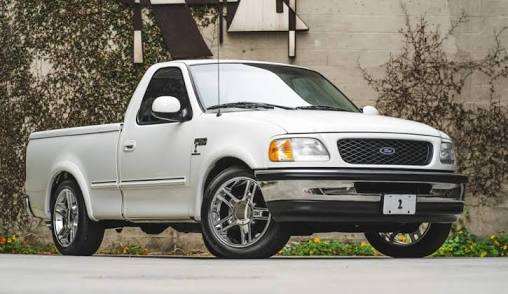
ford f-150 1997-2003 Common Problems & Issues
The 10th-generation Ford F-150, produced from 1997 through 2003, marked a significant evolution for Ford's flagship pickup truck. This generation represented a move towards a more refined, car-like driving experience, incorporating independent front suspension for improved handling and ride comfort. It was offered in various configurations, including regular cab, SuperCab, and the later introduced SuperCrew, catering to a wide range of customer needs. Trim levels spanned from the utilitarian XL to the more luxurious Lariat and the specialized King Ranch and Harley-Davidson Edition packages. Under the hood, buyers could choose between the 4.2L Essex V6 or Ford's robust Triton V8 engines, namely the 4.6L and 5.4L variants. These were typically paired with a 4-speed automatic transmission, though some manual options were available. The introduction of the Super Duty line in 1999 effectively positioned the F-150 as a dedicated light-duty half-ton pickup, influencing Ford's future strategy in the segment. Despite its advancements, like any vehicle, the 10th-gen F-150 has common issues that owners and prospective buyers should be aware of. These often relate to age-sensitive components and specific design elements of the Triton engines. Understanding these 1997-2003 Ford F-150 problems is crucial for maintaining the truck's reliability and value. The availability of 1997-2003 Ford F-150 parts, whether OEM, aftermarket, or used, is generally good, but specific components related to common faults may require more diligent searching. Proper 1997-2003 Ford F-150 maintenance, following recommended intervals and paying attention to the truck's operating environment, is key to longevity. This guide delves into the most frequently reported issues, provides insights into parts and repair costs, and offers advice for owners, aiming to equip you with the knowledge to keep your 10th Gen F-150 running strong.
1
Critical
4
Moderate
0
Minor
Known Issues
Fuel Tank Strap Corrosion and Failure
CriticalCorrosion of the fuel tank straps is a significant safety concern for the 1997-2003 Ford F-150. Symptoms include a visible sagging fuel tank, fuel odors, or even a fuel leak if the straps completely fail. The root cause is typically rust, exacerbated by road salt in colder climates or general environmental exposure over time. The weakened straps can allow the fuel tank to hang lower than intended, potentially dragging on the ground, which poses a fire risk. Diagnosis involves a visual inspection of the straps for rust and checking the fuel tank's position. If the tank is sagging, it's crucial to avoid driving the vehicle and seek immediate repair. Professional repair involves replacing the corroded straps with new ones. In some cases, the fuel tank itself or filler neck may also need inspection or replacement if damaged. This issue was addressed by Ford through recalls, making it a known problem for this generation. The estimated cost for replacement parts and labor typically ranges from $250 to $900 USD.
Triton Engine Spark Plug Ejection
MinorA well-documented problem affecting the Triton V8 engines (4.6L and 5.4L) in the 1997-2003 F-150 is spark plug ejection, often referred to as spark plug blowout. Owners typically report hearing a loud pop, followed by a significant misfire, a loss of engine power, and the illumination of the check engine light. This issue stems from a weakness in the aluminum cylinder head threads, which can strip under pressure, leading to the spark plug being expelled from the cylinder. Improper torque during installation or manufacturing defects can contribute. Diagnosis involves scanning for misfire codes, physically checking if a spark plug is loose or missing, and performing a compression test on the affected cylinder. Skilled DIYers can attempt repairs using thread repair kits, but professional repair often involves more extensive work, such as re-threading the cylinder head or, in severe cases, replacing the cylinder head. The cost can vary widely depending on the extent of the damage, ranging from $350 to $1,200 USD for repairs involving thread inserts.
Transmission Slipping and Harsh Shifting
ModerateTransmission problems are frequently reported across the 1997-2003 Ford F-150 lineup, manifesting as delayed engagement, slipping between gears, harsh shifts (particularly the 1-2 or 2-3 shifts), or gear 'flare' (engine RPMs rising momentarily before engaging the next gear). The underlying causes can include wear within the valve body, failing solenoids, worn clutch packs, issues with the transmission cooler, or simply aged and degraded transmission fluid. Diagnosis typically involves scanning for transmission-related diagnostic trouble codes (DTCs), assessing the condition and level of the transmission fluid, performing a road test to evaluate shift quality, and potentially checking line pressures. A basic service including fluid and filter replacement can sometimes resolve minor issues. However, if internal components are worn, a more comprehensive repair, such as a transmission rebuild or replacement, may be necessary. The cost for a simple service is relatively low, but a full rebuild can range from $1,800 to $3,500 USD or more, depending on the extent of work required.
Heater Core and HVAC System Failure
ModerateFailures within the heating, ventilation, and air conditioning (HVAC) system, particularly the heater core, are another common complaint for this generation of F-150. Symptoms can include a sweet, coolant-like smell inside the cabin, fogging on the windshield, noticeable coolant loss from the cooling system, or insufficient heating performance. The heater core, a small radiator located behind the dashboard, can develop leaks due to corrosion or age. Aged hoses connected to the heater core can also fail. Issues with blend doors or other HVAC components can also lead to poor temperature control. Diagnosis involves pressure testing the cooling system to find leaks and inspecting the cabin for signs of coolant ingress, such as wet carpets or a film on the windows. Repairing a leaking heater core typically requires removing the dashboard, a labor-intensive job. The total cost, including parts and labor for heater core replacement, can range from $300 to $1,100 USD.
Front Suspension and Ball Joint Wear
ModerateThe front suspension components, particularly ball joints and control arms, are susceptible to wear on the 10th-generation F-150 due to the truck's weight, typical usage, and age. Symptoms of worn suspension parts include clunking noises when turning or going over bumps, a feeling of wandering or looseness in the steering, and uneven tire wear. The constant load and the stresses of driving, especially on less-than-perfect roads, accelerate wear. Diagnosis involves inspecting the suspension components for play using a pry bar or by observing tire wear patterns and checking alignment readings. If components are worn, they need replacement. This can include upper and lower ball joints, control arm bushings, or entire control arm assemblies. A comprehensive front-end refresh, including alignment, can cost between $250 and $1,000 USD, depending on the specific parts replaced and labor rates.
Brake System Wear and Performance Issues
ModerateLike any vehicle that sees regular use, the brake systems on the 1997-2003 Ford F-150 require periodic maintenance and can experience wear-related issues. Common symptoms include reduced braking effectiveness, squealing or grinding noises, a spongy brake pedal, or vibrations felt through the steering wheel during braking. These issues are usually caused by worn brake pads, rotors, or calipers, or leaks in the brake lines or master cylinder. Regular inspection is key. Replacing worn brake pads and rotors is a routine maintenance item. A complete front brake job, including pads and rotors, typically costs between $250 and $590 USD for parts and labor, with aftermarket parts being more affordable.
Cooling System Leaks and Overheating
MinorThe cooling system on older trucks like the 10th Gen F-150 is prone to leaks and potential overheating as components age. Symptoms include visible coolant leaks under the vehicle, a persistent sweet smell of coolant, rising temperature gauge readings, or a complete loss of coolant. Common failure points are the radiator, water pump, thermostat housing, and various coolant hoses. The radiator can develop leaks from corrosion or impact damage, while the water pump seal can fail. Aged hoses can become brittle and crack. Overheating can lead to severe engine damage, including warped cylinder heads or blown head gaskets. Diagnosis involves a thorough visual inspection of all cooling system components and a pressure test. Repair costs vary depending on the failed component, but replacing a radiator or water pump typically falls in the $300-$600 USD range for parts and labor.
What to Check Before Buying
Owning a 1997-2003 Ford F-150, particularly the 10th generation, offers a blend of rugged utility and a more comfortable, car-like driving experience than many previous trucks. However, like any vehicle approaching or exceeding two decades of age, it requires diligent attention to maintenance and a proactive approach to common problems to ensure reliability and longevity. Understanding the specific 1997-2003 Ford F-150 problems detailed earlier is your first line of defense. Regular inspections, especially for critical safety items like the fuel tank straps, are paramount. Given the known issues with fuel tank strap corrosion, a visual check at every oil change or underbody service is highly recommended. If you notice any sagging or significant rust, address it immediately, as this is a serious safety hazard. The Triton V8 engines, while generally strong, are susceptible to spark plug ejection. If you own a truck with the 4.6L or 5.4L engine, be aware of the symptoms—a loud pop followed by a misfire—and ensure any spark plug replacements are done correctly, preferably by a mechanic familiar with the thread repair process if issues arise. Neglecting this can lead to costly cylinder head damage. Transmission health is another key area. These trucks' transmissions, especially the 4-speed automatics, can develop issues like slipping or harsh shifting due to wear or fluid degradation. Adhering to a more aggressive transmission service schedule than the factory recommendations, particularly if the truck operates in demanding conditions (hot climate, heavy loads, stop-and-go traffic), is advisable. This includes regular fluid and filter changes. Don't wait for symptoms like burnt fluid or rough shifts to appear; preventive maintenance is far cheaper than a transmission rebuild. The front suspension, including ball joints, control arms, and tie rod ends, will eventually wear out. Listen for clunks and rattles, and monitor your tire wear. Addressing worn suspension components promptly not only improves ride and handling but is crucial for safety and prevents further damage to other steering and suspension parts. A worn ball joint can lead to a wheel detaching. Cooling system maintenance is also non-negotiable. Overheating can cause catastrophic engine damage. Regularly inspect hoses for cracks or swelling, check coolant levels, and perform flushes at recommended intervals or sooner if you notice discoloration or debris in the coolant. Replacing aging components like the radiator, water pump, or thermostat before they fail can save you from roadside breakdowns and expensive engine repairs. For those in regions with high humidity or significant rainfall, paying attention to underbody corrosion beyond just the fuel tank straps is important. Check brake lines, fuel lines, and frame components for rust. Regular washing of the undercarriage can help mitigate this. Electrical systems can also become temperamental with age. Check for corroded connectors, especially in areas exposed to moisture. Battery health is essential; test your battery regularly and replace it proactively if it's nearing the end of its typical lifespan. When it comes to sourcing 1997-2003 Ford F-150 parts, a mix of OEM, reputable aftermarket, and even good quality used parts can be viable. For common wear items like brakes, filters, and suspension components, aftermarket options often provide a good balance of cost and quality. For critical components like fuel tank straps or engine internals, OEM parts might be preferred if available and affordable. Used parts can be a cost-effective solution for body panels or less critical mechanical items, but always inspect them thoroughly. The availability of Ford F-150 parts varies globally; if you are in a market where parts are not readily stocked, planning ahead and stocking up on essential maintenance items is a wise strategy. The 10th Gen F-150 maintenance schedule should be viewed as a baseline. In many operating environments, especially those with extreme temperatures, dust, or heavy usage, more frequent servicing is necessary. For example, oil changes might need to be done more often than the maximum recommended interval if you frequently drive in dusty conditions or tow heavy loads. Similarly, air filter replacement becomes more critical in dusty environments to ensure proper engine breathing and fuel economy. When purchasing a used 10th Gen F-150, thorough pre-purchase inspection is vital. Look for evidence of regular maintenance, check for any recalls that may not have been addressed, and pay close attention to the common problem areas mentioned. A truck with a documented history of proactive maintenance, especially for the transmission, cooling system, and suspension, is generally a safer bet than a cheaper, neglected example. Consider the long-term cost of ownership; investing a bit more upfront in a well-maintained truck can save significant money and headaches down the line. For owners looking to keep their trucks running well for many years, embracing the role of a proactive owner, staying informed about potential issues, and performing regular maintenance are the most effective strategies.
Where to Buy Parts
Frequently Asked Questions
What are the most common problems with the 1997-2003 Ford F-150?+
The most frequently reported problems include fuel tank strap corrosion and failure, Triton V8 spark plug ejection or blowout, transmission slipping or harsh shifting, heater core leaks, and general wear in front suspension components like ball joints. These issues are often age-related or specific to the powertrain and chassis design of this generation.
Are the fuel tank straps a serious issue on the 1997-2003 F-150?+
Yes, fuel tank strap corrosion is a significant safety concern. The straps can rust and fail, causing the fuel tank to sag or even fall, posing a fire risk. This was a subject of Ford recalls, and it's critical to inspect and replace them if corroded or weakened.
What causes spark plug ejection in the Triton V8 engines?+
Spark plug ejection, often described as a loud pop followed by a misfire, is caused by weakened threads in the aluminum cylinder heads of the 4.6L and 5.4L Triton V8 engines. This can lead to the spark plug being expelled under combustion pressure. Proper repair involves thread inserts, not just replacing the plug.
How can I tell if my F-150 transmission needs attention?+
Symptoms of transmission problems include delayed engagement when shifting into gear, slipping or engine revving without acceleration between gears, harsh shifts (especially 1-2 or 2-3), or a noticeable 'flare' during shifts. Checking the transmission fluid for a burnt smell or dark color is also important.
Is it expensive to fix a heater core on a 10th Gen F-150?+
Heater core replacement can be costly primarily due to labor. Accessing the heater core requires significant dashboard disassembly. While the part itself might not be excessively expensive, the labor involved can push the total repair cost into the hundreds of dollars, often ranging from $300 to over $1,000 USD.
What should I check for when buying a used 1997-2003 Ford F-150?+
Prioritize checking for rust on the fuel tank straps and undercarriage, listen for any suspension noises (clunks, rattles), inspect for coolant leaks or signs of overheating, and assess the transmission's shifting behavior. A vehicle history report and a pre-purchase inspection by a trusted mechanic are highly recommended.
Are parts readily available for the 1997-2003 Ford F-150?+
For the most part, parts for the 10th generation F-150 are widely available. Common wear items like brake pads, filters, and suspension components can be found from numerous aftermarket suppliers. However, specific OEM parts or components related to less common issues might require more effort to source, especially in certain global markets.
Also worth reading
ford f-150 1997-2003 Spare Parts & Pricing