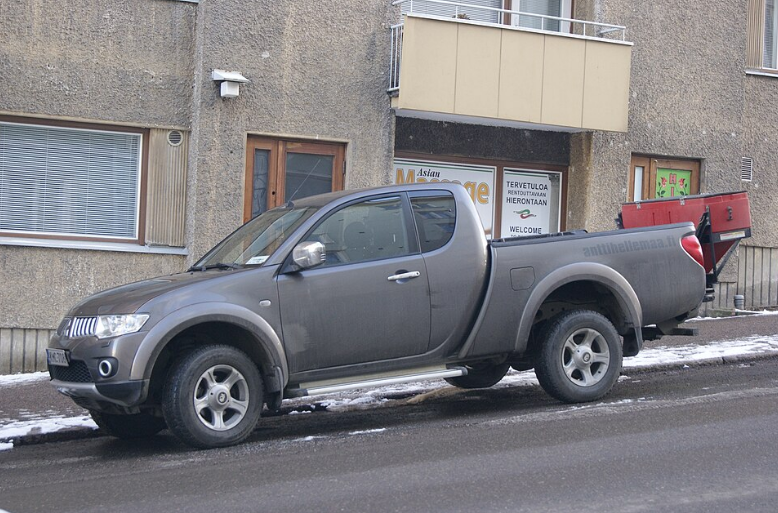
mitsubishi l200 2012-2020 Maintenance Schedule
The 2012–2020 Mitsubishi L200, also known globally as the Mitsubishi Triton, stands as a formidable mid-size pickup truck engineered for demanding work and capable off-road excursions. This fourth generation, identified by the KJ/KK/KL chassis codes, saw significant updates throughout its production run, including a major facelift in 2010 and further refinements between 2015 and 2016. Under the hood, the L200 offers robust diesel engine options: the reliable 2.5L 4D56 turbo diesel, available in various power outputs, and the more modern 2.4L 4N15 MIVEC turbo diesel, introduced in 2014, which provides enhanced efficiency and performance. Buyers can choose from Single Cab, Club Cab, or Double Cab configurations, catering to different needs for passenger capacity and cargo space. While sharing its platform with the Mitsubishi Triton and some mechanical components with the Mitsubishi Challenger SUV, the L200 maintains its distinct identity as a durable workhorse. Owners of the 2012 Mitsubishi L200, the 2013 L200, the 2014 L200, the 2015 L200, the 2016 L200, the 2017 L200, the 2018 L200, the 2019 L200, and the 2020 L200 can expect a vehicle that, with diligent maintenance, offers strong reliability and longevity, though specific attention to its cooling system and rear suspension is crucial for optimal performance and to avoid costly repairs. This guide delves into the essential maintenance, common issues, and parts pricing for these models, ensuring owners are well-equipped to keep their L200 in peak condition.
Fluids
| Service | Interval | Notes |
|---|---|---|
| Engine Oil and Oil Filter Change Critical | 6,000 km / 3 mo 4,000 km if severe use | Regularly changing engine oil and filter is crucial for lubricating engine components, reducing friction, and removing contaminants. Neglecting this can lead to increased engine wear, sludge buildup, and potential engine damage. Signs of old oil include a dark, gritty appearance. For the 2012–2020 Mitsubishi L200, especially in hot climates or heavy-duty use, a more frequent interval is recommended. |
| Check and Top Up All Fluids | 6,000 km / 3 mo 3,000 km if severe use | Beyond engine oil, other vital fluids like brake fluid, power steering fluid (if applicable), and windshield washer fluid need regular checking and topping up. Low levels can indicate leaks or system issues, affecting safety and component longevity. This is a routine check for all 2012–2020 Mitsubishi L200 models. |
Filters
| Service | Interval | Notes |
|---|---|---|
| Air Filter Replacement | 12,000 km / 6 mo 8,000 km if severe use | The air filter prevents dust, debris, and insects from entering the engine. A clogged filter restricts airflow, reducing engine performance and fuel efficiency, and can lead to increased wear. Inspecting it more frequently in dusty conditions, like those found in Nigeria, is advised for models like the 2015 L200. |
| Fuel Filter Replacement | 24,000 km / 12 mo 18,000 km if severe use | The fuel filter removes impurities from the diesel fuel before it reaches the injectors. A dirty filter can cause poor engine performance, rough idling, and even injector damage. For the 2.5L 4D56 and 2.4L 4N15 diesel engines in the 2012–2020 L200, timely replacement is important to prevent issues like the P1272 error related to the suction control valve. |
Cooling
| Service | Interval | Notes |
|---|---|---|
| Coolant Replacement & System Flush Critical | 96,000 km / 96 mo 72,000 km if severe use | Engine coolant prevents overheating and freezing, while also protecting the cooling system from corrosion. Over time, coolant degrades. Neglecting it can lead to overheating, head gasket failure, and severe engine damage. For the 2012–2020 L200, especially the 2014 L200 and later models, a flush and replacement at the specified interval, or more often in extreme heat, is critical. |
| Replace Radiator Cap | 96,000 km / 48 mo 72,000 km if severe use | A weak or faulty radiator cap can lead to coolant loss and overheating, a common problem for the 4th gen L200. Replacing it as part of cooling system maintenance, especially on models like the 2015 L200, is a simple yet effective preventive measure against engine damage. |
Inspection
| Service | Interval | Notes |
|---|---|---|
| Inspect Brakes, Suspension, and Tires Critical | 12,000 km / 6 mo 6,000 km if severe use | Regular inspection of brakes, suspension, and tires is vital for safety and performance. Worn brake pads or rotors, damaged suspension components like leaf springs, or compromised tires can lead to accidents. This check is especially important for the 2012–2020 L200 given its load-carrying capacity and potential for rough terrain use. |
| Inspect EGR Valve and Intake System | 24,000 km / 24 mo 18,000 km if severe use | The Exhaust Gas Recirculation (EGR) valve can become clogged with carbon, leading to rough idling, loss of power, and increased emissions. Regular inspection and cleaning, particularly for the diesel engines in the 2012–2020 L200, helps prevent these issues and potential consequential damage to the intake system. |
| Inspect Valve Clearance (Diesel) | 120,000 km / 120 mo | Diesel engines, including the 4D56 and 4N15 in the L200, require periodic checks of valve clearance. Incorrect clearance can lead to reduced performance, increased fuel consumption, and potential engine damage. This is a more in-depth check typically performed at higher mileage intervals for the 2012–2020 models. |
Drivetrain
| Service | Interval | Notes |
|---|---|---|
| Transmission Fluid Change (Manual) | 48,000 km / 48 mo 36,000 km if severe use | Manual transmission fluid lubricates gears and bearings. Over time, it degrades and can become contaminated. Changing it ensures smooth gear changes and prolongs transmission life. For L200 models from 2012 to 2020, this service is essential for maintaining the robust manual gearbox. |
Suspension
| Service | Interval | Notes |
|---|---|---|
| Inspect Leaf Springs and Bushes Critical | 12,000 km / 6 mo 6,000 km if severe use | Leaf springs are critical for load carrying but prone to cracking or sagging due to overloading or corrosion, particularly on the 2012–2020 L200. Regular inspection of the springs and their mounting points, including bushes, is essential for maintaining safe handling and load capacity. |
Belts
| Service | Interval | Notes |
|---|---|---|
| Timing Chain Inspection | 192,000 km | Unlike timing belts, the 4D56 and 4N15 diesel engines in the 2012–2020 L200 use a timing chain, which is designed to last the life of the engine. However, it should be inspected for wear or stretching at high mileages, typically above 192,000 km, to prevent potential catastrophic engine failure. |
Upkeep Tips
Owning a 2012–2020 Mitsubishi L200, whether the 2015 L200, the 2018 L200, or any year in between, means having a capable and rugged vehicle. To ensure its longevity and optimal performance, especially in demanding environments like those found in Nigeria, a proactive maintenance approach is key. The cooling system is paramount; overheating is frequently cited as a primary cause of major engine damage, including head gasket failure, on these models. Owners should diligently check the radiator cap, thermostat, and coolant levels regularly. Flushing the cooling system at the recommended intervals, or even more frequently in extremely hot climates, is a non-negotiable task. Pay close attention to signs of coolant loss or bubbling in the radiator. The rear leaf springs are another common wear item, especially if the L200 is frequently used for heavy loads or towing. Visual inspections for cracks or sagging should be part of routine checks. If one side shows damage, it is best practice to replace both leaf spring sets to maintain vehicle balance and prevent uneven tire wear. For the diesel engines, specifically the 2.5L 4D56 and the 2.4L 4N15 MIVEC, maintaining the fuel system is crucial. Use high-quality diesel fuel and adhere to the recommended fuel filter replacement schedule, typically around every 24,000 km. Issues like the P1272 error code associated with the suction control valve should be addressed promptly to avoid drivability problems and potential damage to the high-pressure fuel pump. Regular cleaning of the EGR valve and intake manifold, recommended every 60,000–80,000 km, can prevent rough idling, power loss, and emissions issues. For owners in tropical regions or dusty areas, consider shortening the intervals for air filter inspections and replacements by approximately 20%, as these components are subjected to greater stress. The L200's robust construction means many components, like the engine and transmission, can last hundreds of thousands of kilometers with proper care. For instance, the engine is expected to last 300,000–500,000+ km with diligent cooling and fuel system maintenance. The manual transmission is also known for its durability, often exceeding 250,000–400,000 km. Clutch life typically ranges from 150,000–200,000 km, but heavy use can shorten this considerably. Electrical components and sensors generally offer good longevity, often surpassing 200,000 km, though exposure to moisture and dust can sometimes lead to premature failure. When it comes to parts, a mix of OEM and reputable aftermarket options can provide cost-effective solutions. For example, while OEM leaf springs for the 2012–2020 L200 might be expensive, quality aftermarket sets offer significant savings. Similarly, choosing aftermarket brake pads and rotors can reduce maintenance costs without compromising safety, provided they are from trusted brands. Keeping detailed maintenance records is also beneficial, as it not only aids in tracking service history but also significantly boosts the resale value of your L200, which is a crucial factor in markets like Nigeria and globally. Finally, always consult your vehicle's specific owner's manual for the most accurate maintenance recommendations for your particular model year, such as the 2014 L200 or the 2019 L200, and adapt them based on your driving conditions.
Add-ons & Upgrades
All-Weather Rubber Floor Mats
These heavy-duty rubber mats protect your L200's interior from mud, spills, and debris, making them easy to clean and ideal for rugged use. They are typically custom-fit for specific cab types.
Shop on AmazonHeavy-Duty Roof Rack System
Expand your cargo-carrying capacity with a robust roof rack, perfect for carrying outdoor gear, tools, or extra luggage on long trips or off-road adventures. Ensure it's compatible with your L200's roof type.
Shop on AmazonTailgate Lock or Cover
Enhance the security of your truck bed and protect its contents from theft and the elements with a durable tailgate lock or a bed cover. Various styles are available, from simple locks to full tonneau covers.
Shop on AmazonBluetooth OBD2 Scanner
A portable diagnostic tool that connects to your L200's OBD-II port, allowing you to read and clear engine error codes and monitor real-time performance data via a smartphone app. Essential for troubleshooting.
Shop on AmazonLED Headlight Bulbs
Upgrade your L200's headlights to brighter, more energy-efficient LED bulbs for improved visibility during nighttime driving and in adverse weather conditions. Ensure compatibility with your vehicle's headlight housing.
Shop on AmazonDash Cam with Parking Mode
Record your drives for evidence in case of accidents or to monitor your vehicle when parked. Many dash cams offer loop recording and wide-angle views for comprehensive coverage.
Shop on AmazonBed Cargo Organizer
Keep your truck bed tidy and prevent items from sliding around with a cargo organizer or divider system. These accessories help compartmentalize your load for easier access and stability.
Shop on AmazonWhere to Buy Parts
Frequently Asked Questions
Is the 2014 Mitsubishi L200 reliable for long-term ownership in hot climates?+
The 2014 Mitsubishi L200, particularly with its diesel engines, is generally considered reliable if its cooling system is meticulously maintained. Overheating is a significant risk in hot climates and can lead to costly head gasket failures. Regular coolant flushes, inspection of the radiator cap, and attention to EGR valve cleanliness are vital. With consistent care, these trucks can achieve high mileage, often exceeding 300,000 km, making them a sound long-term investment.
What are the most common issues with the 2016 Mitsubishi L200?+
Common problems reported for the 2016 L200 include cracking or sagging rear leaf springs, especially under heavy load, and overheating issues often linked to a faulty radiator cap or a blocked EGR valve. Owners may also encounter the P1272 error code related to the suction control valve on diesel models, and heater matrix leaks causing interior fogging and coolant loss. Addressing these promptly is key to preventing more severe damage.
What is the typical cost to replace leaf springs on a Mitsubishi L200?+
Replacing leaf springs on a 2012–2020 Mitsubishi L200 typically involves replacing both sides to ensure balanced suspension. Aftermarket leaf spring pairs can range from $200 to $400 USD (approximately ₦300,000–₦600,000), while OEM parts can cost $400 to $700 USD (approximately ₦600,000–₦1,050,000). Labor costs for replacement usually add $150 to $250 USD (approximately ₦225,000–₦375,000), bringing the total estimated cost to $350–$950 USD (approximately ₦525,000–₦1,425,000).
What is the recommended maintenance schedule for a 2019 Mitsubishi L200 in demanding conditions?+
For a 2019 Mitsubishi L200 operating in demanding conditions, it's advisable to shorten some intervals. The standard 6,000 km/3-month engine oil and filter change should be performed more frequently, perhaps every 4,000–5,000 km. Air filter and fuel filter inspections/replacements should also be more regular, especially in dusty environments. While the factory coolant flush is at 96,000 km, more frequent checks of the cooling system's integrity are recommended in extreme heat.
Are there any widespread recalls for the 2012–2020 Mitsubishi L200?+
There are no widely reported, universal recalls specifically targeting major mechanical failures like engine overheating or leaf spring issues across all 2012–2020 Mitsubishi L200 models globally. However, specific regions or production batches might have had recalls for issues such as airbag inflators or potential corrosion on certain components. It's always best to check with an official Mitsubishi dealer or your national automotive safety authority using your vehicle's VIN for any applicable recalls.