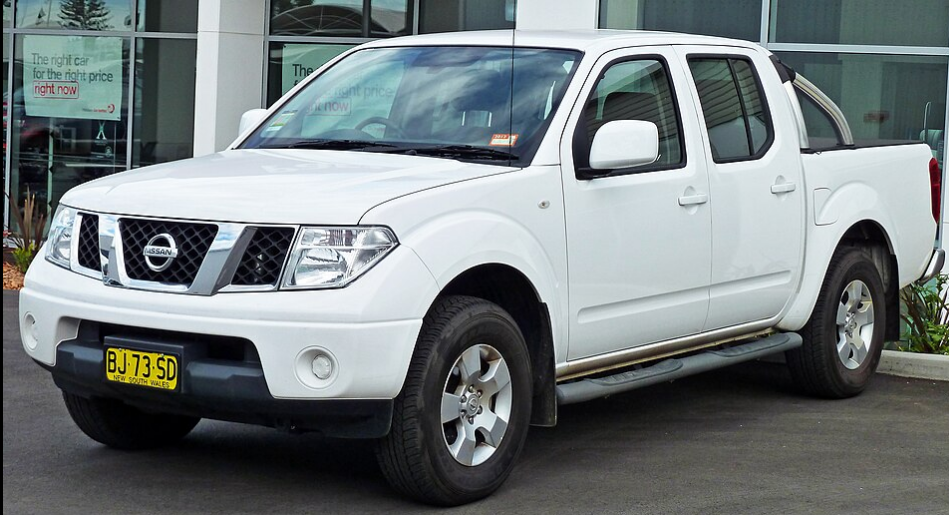
nissan navara 2005-2014 Spare Parts & Pricing
The Nissan Navara (D40) pickup truck, produced from 2005 through 2014, established a strong global reputation for utility, blending rugged capability with daily driveability. This D40 Navara generation, which includes models like the Nissan Navara (D40) 2005 and Nissan Navara (D40) 2006, was sold internationally as a mid-size pickup, offering both diesel and gasoline options to cater to diverse market needs. It shares a robust body-on-frame architecture with other popular Nissan vehicles such as the Frontier, Xterra, and Pathfinder, which often aids in parts sourcing and cross-referencing opportunities for owners of the Nissan Navara (D40) 2007 and Nissan Navara (D40) 2008. Under the hood, the core powertrains for the D40 Navara primarily included the 2.5 dCi/YD25DDTi 4-cylinder turbo-diesel engine, known for its strong torque output, typically ranging from 171–174 hp and 350–403 Nm, depending on the specific tune and market. Some regions also saw the introduction of a more powerful 3.0 V6 turbo-diesel, expanding the truck's capabilities. For markets where diesel was less prevalent, a 2.5 QR25DE petrol engine was available, providing a different power delivery experience for the Nissan Navara (D40) 2009 and Nissan Navara (D40) 2010. These engine options are paired with various transmission choices, including 5-speed and 6-speed manuals, along with 4-speed and 5-speed automatic units, allowing buyers to select a configuration best suited for their needs. The D40 Navara is designed with a double-wishbone front suspension and a live rear axle/leaf springs, a setup built to handle heavy payloads and towing, making it suitable for both mixed on-road and off-road use. While appreciated for its utility, the Nissan Navara (D40) 2011 and Nissan Navara (D40) 2012 models, like others in the range, have had a mixed reliability record, particularly concerning areas such as clutch wear, steering rack issues, suspension wear, and specific diesel fuel-system and injector noise complaints. Owners of the Nissan Navara (D40) 2013 and Nissan Navara (D40) 2014 often report these areas as key considerations for maintenance. This guide aims to provide comprehensive insights into common problems, maintenance requirements, and parts pricing for this popular Nissan truck.
Engine and service parts
| Part | Price Range | Availability | Interval |
|---|---|---|---|
| Oil filter A crucial component for engine health, trapping contaminants from engine oil. Regular replacement helps ensure optimal lubrication and prevents premature engine wear for your Nissan Navara (D40). | $5 – $12 | Widely available aftermarket and OEM | 15,000 km or 12 months |
| Air filter Filters incoming air to the engine, protecting it from dust and debris. A clean air filter is vital for engine performance and fuel efficiency, especially for a Nissan Navara (D40) used in challenging conditions. | $8 – $20 | Widely available aftermarket and OEM | Inspect/replace more often in dusty environments |
| Fuel filter Essential for diesel models, this filter removes impurities from fuel before it reaches the injectors. Regular replacement prevents common-rail contamination and injector noise, which are known issues for the D40 Navara. | $10 – $30 | Widely available aftermarket and OEM | 15,000 km or 12 months |
| Serpentine belt Drives multiple accessories like the alternator, power steering pump, and water pump. Inspect for cracks or fraying regularly; failure can lead to loss of vital systems in your Nissan Navara (D40). | $10 – $25 | Widely available aftermarket and OEM | 120,000 km or 60 months |
| Turbocharger Boosts engine power, especially critical for the 2.5 dCi/YD25DDTi diesel engines. Proper cooling-system maintenance and oil changes significantly extend its lifespan in the D40 Navara. | $350 – $900 | Widely available aftermarket and OEM | As needed (lifespan 250k–400k km) |
| Injector (each) Delivers fuel to the engine cylinders. Worn or clogged injectors can cause rough running, ticking, power loss, and poor economy, which are common diesel issues for the Nissan Navara (D40). | $120 – $350 | Widely available aftermarket and OEM | Inspect by symptoms, 90k km check |
| Water pump Circulates coolant through the engine to prevent overheating. A failing water pump can lead to significant engine damage, making cooling-system vigilance crucial for the D40 Navara. | $45 – $120 | Widely available aftermarket and OEM | Deeper cooling-system service at 120k km |
Suspension, brake, steering
| Part | Price Range | Availability | Interval |
|---|---|---|---|
| Front shock absorber (pair) Dampens suspension movement, providing ride comfort and control. Worn shocks contribute to clunks over bumps, wandering, and uneven tire wear, common signs of front suspension wear in the D40 Navara. | $90 – $250 | Widely available aftermarket and OEM | 60,000–120,000 km |
| Control arm / ball joint Critical components of the double-wishbone front suspension, connecting the wheel hub to the chassis. Worn ball joints and bushings are a common cause of loose steering feel and clunks for the Nissan Navara (D40). | $60 – $180 | Widely available aftermarket and OEM | Inspect at 60,000 km |
| Brake pads (front) Friction material that presses against the brake discs to slow the vehicle. Regular inspection and replacement are essential for safe stopping power in your Nissan Navara (D40). | $20 – $55 | Widely available aftermarket and OEM | Inspect at 30,000 km |
| Steering rack The central component of the power steering system, converting steering wheel input into wheel movement. Leakage or false rack diagnosis is a known issue for the D40 Navara, requiring careful inspection. | $250 – $700 | Widely available aftermarket and OEM | Inspect regularly for leaks |
| Power steering pump Provides hydraulic pressure for power steering assistance. Symptoms of failure include heavier steering and fluid loss, often mistaken for a steering rack leak in the Nissan Navara (D40). | $90 – $250 | Widely available aftermarket and OEM | Inspect regularly for leaks |
Electrical, cooling, body
| Part | Price Range | Availability | Interval |
|---|---|---|---|
| Alternator Generates electrical power for the vehicle's systems and recharges the battery. A failing alternator can lead to battery drain and electrical system malfunctions in your D40 Navara. | $120 – $300 | Widely available aftermarket and OEM | As needed |
| Battery Provides power to start the engine and operate electrical components when the engine is off. Regular battery checks are important, especially in hot conditions which can shorten its lifespan for the Nissan Navara (D40). | $90 – $180 | Widely available aftermarket and OEM | 2–4 years in hot climates |
| Radiator Dissipates heat from the engine coolant. A well-functioning radiator is crucial for preventing overheating, which can accelerate turbo, hose, and seal wear in the D40 Navara. | $90 – $220 | Widely available aftermarket and OEM | Deeper cooling-system service at 120k km |
Buying Guide
The Nissan Navara (D40), spanning model years from the Nissan Navara (D40) 2005 to the Nissan Navara (D40) 2014, is widely recognized as a capable workhorse, but its ownership experience often requires a proactive approach to maintenance. Buyers and current owners should be aware of several common problems that can arise, which, if neglected, can significantly impact reliability and ownership costs. Understanding these issues, from clutch wear to diesel fuel-system concerns, is key to keeping your D40 Navara running smoothly.
One of the most frequently reported issues for manual transmission D40 Navara models is clutch shudder or a high-engagement clutch. Owners of the Nissan Navara (D40) 2006, for example, might experience symptoms like shudder on takeoff, a grabby clutch, or clunking during gear changes, often accompanied by drivetrain vibration under load. These problems can stem from a worn clutch disc, a failing pressure plate, contaminated friction surfaces, or wear in the dual-mass flywheel where fitted. Hydraulic issues within the clutch system can also contribute. Diagnosis involves inspecting the slip point, testing under load, and checking hydraulic fluid for contamination. While minor issues might be addressed by bleeding hydraulics or verifying pedal free play, many cases require a professional repair involving a clutch kit replacement, and potentially flywheel or hydraulic slave/master cylinder repair.
Another significant area of concern for the Nissan Navara (D40) 2007 and subsequent models is power steering rack leaks, often complicated by a phenomenon known as false rack diagnosis. Symptoms include steering fluid loss, wet rack boots, heavier steering, or fluid visible at hose fittings. The root causes can range from actual hose or pump leaks to normal assembly lube being mistaken for a leak, or genuine rack seal wear. It is critical to inspect hose fittings and squeeze rack boots to confirm fluid presence before prematurely replacing the entire steering rack. Simple DIY fixes might include tightening hose clamps or topping up fluid, but a professional repair should focus on replacing the actual source of the leak, which may not always be the rack itself. This issue is particularly noted in models like the Nissan Navara (D40) 2008 and Nissan Navara (D40) 2009.
Front suspension wear is a common complaint, especially for D40 Navara trucks subjected to heavy loads or rough terrain. Owners of the Nissan Navara (D40) 2010 might notice clunks over bumps, wandering steering, uneven tire wear, or squeaks from the control-arm/bushing area. Causes typically include worn ball joints, deteriorated bushings, failing shocks, or torsion-bar front-end wear. A pry-bar inspection of joints, a bounce test, and alignment checks aid in diagnosis. While some experienced owners might tackle shock or link replacements, extensive ball-joint work is often best left to professionals, requiring replacement of control arms, bushings, and shock absorbers, followed by an alignment.
Diesel fuel filter and injector noise, leading to rough running, is a recurring problem for D40 Navara diesel variants, including the Nissan Navara (D40) 2011. Symptoms include ticking or thwacking sounds under acceleration, hard starts, rough idle, power loss, smoke, and poor fuel economy. These issues are frequently attributed to a clogged fuel filter, air ingress into the fuel system, injector wear, common-rail contamination, or poor fuel quality. Diagnosis involves fuel pressure scans, injector balance tests, and reviewing service history. DIY remedies include replacing the fuel filter and draining the sedimentor, if equipped, and using known-good fuel. Professional repair might involve injector testing, rebuilds, or full replacement, alongside rail pressure diagnostics.
Lastly, rear leaf-spring and rear axle wear, particularly under consistent heavy loads, affects the D40 Navara. Owners of the Nissan Navara (D40) 2012, Nissan Navara (D40) 2013, and Nissan Navara (D40) 2014 might observe a sagging rear, poor ride quality, clunks, reduced load carrying stability, or cracked bushes. This wear is typically caused by heavy payloads, towing, corrosion, or simply the age of the original springs, bushes, and shackles. Visual inspection for sag and bush tears, along with ride height measurements, can diagnose the problem. While anti-corrosion treatment or shackle/bush replacement can be DIY tasks, professional repair often entails full leaf-spring pack replacement and an alignment check.
Overall, the D40 Navara rewards owners who prioritize maintenance. A documented service history significantly improves resale value, as it addresses buyer concerns about diesel system wear, clutch condition, and steering integrity. In environments with poor roads or dusty conditions, evidence of early filter changes and cooling-system maintenance is often more valued than mere cosmetic condition. This proactive approach helps mitigate the impact of expensive ownership events such as major clutch, injector, turbo, or suspension overhauls.
Common Accessories
Hood gas strut kit
This kit replaces the original prop rod with gas struts, making engine-bay access easier and safer. It's a convenient upgrade for daily maintenance and inspections.
Shop on AmazonD40-specific mirror glass
Restores visibility by replacing cracked or damaged mirror glass on your D40 Navara. Ensure to verify left-hand drive (LHD) or right-hand drive (RHD) compatibility and heated or non-heated options.
Shop on AmazonDash cam
A dash cam provides security and records trip evidence, which can be invaluable in case of an accident or incident. Choose a heat-rated unit for durability in various climates.
Shop on AmazonOBD2 scanner
This diagnostic tool allows you to read and clear engine fault codes, providing insights into potential issues. It's particularly useful for diagnosing diesel fault checks on your D40 Navara.
Shop on AmazonSeat covers
Protect your vehicle's interior from wear, spills, and dirt, preserving the resale value. Ensure you select seat covers that match your cab type and are compatible with any side airbags.
Shop on AmazonCargo net/organizer
Helps secure items in the truck bed or cabin, preventing them from shifting during transit. This universal accessory is great for maintaining load control and organization.
Shop on AmazonWhere to Buy Parts
Frequently Asked Questions
Is the 2007 Nissan Navara D40 reliable?+
The 2007 Nissan Navara D40 can offer good reliability, especially if it benefits from a comprehensive service history. Key areas like the fuel system, clutch, and steering components are sensitive to maintenance. The primary risk isn't necessarily catastrophic engine failure, but rather the cumulative cost of neglected wear items. A thorough maintenance record is often a better indicator of reliability than low mileage alone for the D40 Navara.
What are the most common 2011 Nissan Navara D40 problems?+
For the 2011 Nissan Navara D40, common complaints frequently revolve around clutch shudder, steering fluid leaks, or misdiagnosed steering rack issues. Diesel-system problems, such as rough running or injector noise, are also prevalent. Additionally, front suspension wear is often reported, particularly in trucks used for heavy load-carrying or on challenging roads. Prospective buyers should always test the truck thoroughly under various loads, not just during a brief city drive.
How expensive is Navara D40 ownership?+
Routine ownership costs for the Nissan Navara D40 are generally moderate, but significant repairs can quickly escalate expenses. Issues such as a major clutch replacement or injector overhaul can transform a manageable daily cost into a substantial four-digit repair bill. This is especially true if multiple age-related systems are past due for service. Consequently, a detailed service history is a critical factor influencing the D40's value in the used market.
Should I buy a D40 with no service records?+
Purchasing a Nissan Navara D40 without service records should be approached with caution. The diesel fuel system, clutch, cooling system, and steering components of the D40 are known to respond well to consistent maintenance and can suffer significantly from neglect. The absence of records creates considerable uncertainty regarding the condition of these expensive wear points. If records are unavailable, it is highly advisable to budget for immediate baseline servicing to address potential hidden issues.
What should I check on a 2014 Navara before buying?+
Before buying a 2014 Nissan Navara (D40), meticulously check the clutch feel on manual models, the power steering fluid level, and the condition of the steering rack boots. Listen for any diesel smoke or injector noise, assess the cooling-system health, and inspect the front suspension for tightness and wear. For a 2014 model, age-related wear can be more impactful than model-year freshness since the platform is well into its operational lifecycle. A comprehensive pre-purchase inspection is strongly recommended.