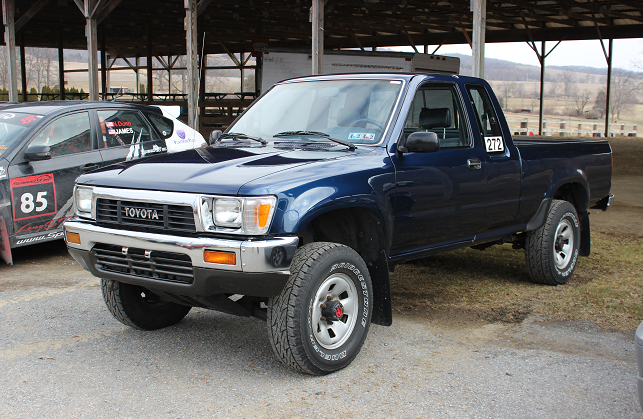
toyota hilux 1988-1991 Spare Parts & Pricing
The Toyota Hilux, particularly the fifth-generation models from 1988 to 1991, stands as a testament to durability and utility in the mid-size pickup truck segment. Globally recognized for its rugged construction and reliability, this vehicle was engineered to handle heavy-duty work, challenging off-road conditions, and general utility tasks with remarkable resilience. While often referred to simply as the Toyota Hilux, in certain markets, notably Europe, it was also sold under the badge of the Volkswagen Taro, showcasing its widespread platform and shared components. For owners and prospective buyers of the Toyota Hilux 1988, Toyota Hilux 1989, Toyota Hilux 1990, and Toyota Hilux 1991, understanding its mechanical intricacies and common maintenance requirements is key to maximizing its long lifespan. These years represent the early part of the 5th-generation production, setting the standard for the robust engineering that would define the model for years to come. With a range of engine options, including various petrol and diesel configurations, the Toyota Hilux offered versatility to suit different global needs. Petrol engines included the 1.8 L 2Y I4, 2.0 L 3Y I4, 2.4 L 22R-E SOHC EFI I4, and a more powerful 3.0 L 3VZ-E V6. Diesel options featured the dependable 2.4 L 2L / 2L-II indirect injection I4 and the 2.8 L 3L indirect injection I4, renowned for their torque and fuel efficiency. Transmission choices spanned 4-speed manual, 5-speed manual, and a 4-speed automatic on certain variants, further expanding its appeal. This guide delves into common problems, essential spare parts, their estimated costs, and crucial maintenance tips specific to the Toyota Hilux 1988-1991. From addressing typical cooling system issues that can affect diesel engines to managing clutch and transmission wear in manual models, we provide comprehensive insights. We also cover suspension and leaf spring fatigue, electrical system components like the starter motor and alternator, and critical brake system wear for both front disc pads and rear drum shoes. Whether you own a Toyota Hilux 1988, a Toyota Hilux 1989, a Toyota Hilux 1990, or a Toyota Hilux 1991, this information aims to empower you with the knowledge to keep your pickup truck running reliably for years to come, especially in demanding environments like tropical climates where factors such as humidity and dust can accelerate wear.
Engine Components
| Part | Price Range | Availability | Interval |
|---|---|---|---|
| Water pump A common failure point in the cooling system, especially for diesel engines. Symptoms include coolant leaks or engine overheating. Replacement is critical to prevent severe engine damage and maintain optimal engine temperature. | $50 – $180 | Widespread | As needed (typically 100,000-150,000 km) |
| Radiator Prone to corrosion and clogging, especially in dusty or humid environments, leading to cooling system issues. Timely replacement prevents overheating and potential head gasket failure in your Toyota Hilux. | $100 – $300 | Widespread | As needed (check every 2 years) |
| Head gasket set A critical seal that can fail due to overheating, particularly in 2L/3L diesel engines. Replacement is a significant repair, but essential to restore engine compression and prevent coolant/oil mixing. | $80 – $250 | Good | As needed (often after overheating) |
Transmission Components
| Part | Price Range | Availability | Interval |
|---|---|---|---|
| Clutch kit (disc + pressure + bearing) Essential for manual transmission vehicles, a full clutch kit replacement addresses clutch slipping and difficulty shifting. Its lifespan depends on driving style and vehicle load, especially for work trucks. | $120 – $400 | Widespread | 80,000-120,000 km (heavy use) |
Suspension Parts
| Part | Price Range | Availability | Interval |
|---|---|---|---|
| Leaf spring (single) Commonly fatigues or breaks on heavily used work trucks, leading to sagging and poor ride quality. Replacing fatigued leaf springs restores load capacity and improves ride comfort for your Toyota Hilux. | $60 – $150 | Widespread | As needed (check every 40,000 km) |
| Shock absorber (pair) Worn shock absorbers lead to excessive bounce, harsh ride, and reduced handling. Replacing them improves ride quality, stability, and tire wear, crucial for the robust Toyota Hilux. | $80 – $300 | Widespread | 80,000-120,000 km |
Brake Components
| Part | Price Range | Availability | Interval |
|---|---|---|---|
| Front brake pads (set) Regularly replaced wear items critical for braking performance. Worn pads cause squealing, grinding, and reduced stopping power. Timely replacement ensures safety and prevents rotor damage. | $40 – $120 | Widespread | 30,000-60,000 km |
| Rear brake shoes (set) Similar to front pads, these are crucial wear items for the rear drum brakes. Inspecting and replacing worn shoes prevents long pedal travel and maintains effective braking for your pickup truck. | $30 – $100 | Widespread | 60,000-100,000 km |
| Brake drums (pair) Can become scored or worn beyond specification, leading to vibration and reduced braking efficiency. Replacing brake drums ensures proper contact with the shoes and restores reliable stopping power. | $80 – $200 | Good | As needed (check every 40,000 km) |
Electrical Parts
| Part | Price Range | Availability | Interval |
|---|---|---|---|
| Starter motor A common electrical system component that can fail due to age, leading to slow or no crank symptoms. Timely replacement ensures reliable engine starting, preventing vehicle immobility. | $120 – $350 | Widespread | As needed (typically 150,000-250,000 km) |
| Alternator Responsible for charging the battery and powering electrical systems. Failure leads to dimming lights, battery drain, or complete electrical system shutdown. Essential for continuous vehicle operation. | $150 – $400 | Widespread | As needed (typically 150,000-250,000 km) |
| Battery The primary power source for starting and electrical systems. Its lifespan is reduced in hot climates. Regular testing and replacement prevent starting issues and ensure reliable electrical performance for your Toyota Hilux. | $80 – $200 | Widespread | 2-5 years |
Fuel System Parts
| Part | Price Range | Availability | Interval |
|---|---|---|---|
| Fuel pump (mechanical/electric) Ensures a consistent fuel supply to the engine. Failure can cause stalling, rough running, or no-start conditions. Timely replacement is crucial for proper engine operation and fuel efficiency. | $70 – $220 | Good | As needed (typically 100,000-200,000 km) |
Service Items
| Part | Price Range | Availability | Interval |
|---|---|---|---|
| Oil filter A fundamental maintenance item that filters contaminants from engine oil. Regular replacement with every oil change is vital to prevent engine wear and extend the lifespan of your Toyota Hilux. | $5 – $20 | Widespread | Every 5,000-10,000 km |
| Air filter Protects the engine from airborne contaminants. In dusty environments, more frequent inspection and replacement are necessary to maintain optimal engine performance and fuel economy. | $10 – $40 | Widespread | Every 10,000-20,000 km |
| Fuel filter Filters impurities from fuel, protecting the fuel pump and injectors. Clogged filters can cause engine hesitation, reduced power, and starting problems, especially in diesel engines. | $8 – $30 | Widespread | Every 20,000-40,000 km (more often for diesel) |
Buying Guide
When considering the purchase or long-term ownership of a Toyota Hilux from 1988 to 1991, several key factors come into play, especially given their age and typical usage as work trucks. The 5th-generation Toyota Hilux, including the Toyota Hilux 1988, Toyota Hilux 1989, Toyota Hilux 1990, and Toyota Hilux 1991 models, is renowned for its robust construction, but like any vehicle, it has specific areas that require attention.
One of the most critical aspects for these models, particularly those equipped with the 2L/3L diesel engines, is the cooling system. Owners frequently report issues such as overheating, which can stem from aged rubber hoses and gaskets, a failing water pump, or a corroded and clogged radiator. In tropical climates or dusty environments, the radiator can accumulate debris, severely impacting its efficiency. A thorough inspection of the cooling system, including a pressure test and checking for exhaust gas in the coolant (a sign of head gasket failure), is paramount. Addressing these cooling system issues proactively, through regular coolant flushes and radiator cleaning, is vital to prevent more severe and costly head gasket replacement.
For manual transmission versions of the Toyota Hilux 1988-1991, clutch and transmission wear is another common concern. Symptoms like clutch slipping under load, difficulty shifting, or grinding noises indicate a worn clutch disc and pressure plate, or a failing clutch release bearing. These issues are exacerbated in trucks that regularly carry heavy loads or are driven aggressively. A full clutch kit replacement, including the disc, pressure plate, and release bearing, is a common repair. Inspecting the transmission for oil leaks and ensuring proper fluid levels and quality are also important to prevent internal transmission damage.
Suspension and leaf spring fatigue are prevalent, especially given these trucks' typical life of hard work. The rear end may sag under load, and you might experience an excessively bouncy or harsh ride, along with clunking noises. This often points to fatigued or broken leaf springs, worn shackles, bushings, or shock absorber wear. A visual inspection for cracks in leaf springs and checking the condition of bushings and shock mounts is essential. Replacing leaf springs and shock absorbers can significantly improve ride quality and load capacity, making the Toyota Hilux 1989 feel more stable.
Electrical system issues, particularly with the starter motor and alternator, are also common due to age and environmental factors. Slow or no crank symptoms, dimming lights, or a repeatedly dying battery indicate problems with these components or corroded wiring connections. In humid and tropical climates, corrosion can accelerate, affecting battery terminals and ground points. Testing the battery, alternator output, and starter draw, along with inspecting wiring for corrosion, can help diagnose and resolve these electrical system problems, ensuring reliable starts for your Toyota Hilux 1990.
Brake system wear is a safety-critical concern. The Toyota Hilux 1988-1991 typically features front disc pads and rear drum shoes. Long pedal travel, squealing, grinding, or pulling to one side under braking are signs of worn components. Inspecting pad and shoe thickness, checking brake drums for scoring, and looking for leaks in brake cylinders are crucial. Regular brake service, including replacement of worn pads, shoes, and potentially brake drums, is fundamental for safe operation.
When buying a used Toyota Hilux from this era, a thorough pre-purchase inspection by a trusted mechanic is highly recommended. Pay close attention to the vehicle's maintenance history, especially records related to cooling system care and major drivetrain components. While the Toyota Hilux 1991 is known for its extreme reliability, neglected maintenance can lead to significant repair costs. Rust and corrosion, particularly on the chassis and body panels, can be a major issue in coastal or humid areas, so a detailed inspection for rust is advisable. Understanding these common problems and their associated repair costs will help you make an informed decision and prepare for the long-term ownership of these legendary pickup trucks.
Common Accessories
Heavy-duty rubber floor mats
These mats protect the cabin from dirt, water, and mud, and are easy to clean. They help preserve the interior of your rugged Toyota Hilux for years.
Shop on AmazonCanvas/fabric seat covers
Protect your seats from wear, stains, and UV damage, extending the life of your interior. They are especially useful for work trucks that see heavy use.
Shop on AmazonCargo bed organizer / divider
Keep tools and cargo from shifting during transit and protect the bed from damage. This accessory enhances the utility of your pickup truck.
Shop on AmazonRoof rack (steel/aluminum)
A roof rack allows you to carry extra gear, roof boxes, or long items, expanding the cargo capacity of your Toyota Hilux. Look for vehicle-specific mounting kits for secure fitment.
Shop on AmazonSunshade (front windshield)
Reduce cabin heat significantly in hot climates, making your vehicle more comfortable to enter. This simple accessory helps protect the interior from sun damage.
Shop on AmazonOBD2 scanner (basic)
Monitor engine codes and perform basic diagnostics on EFI models of your Toyota Hilux. This tool helps identify issues early, saving on potential repair costs.
Shop on AmazonDash cam (1080p)
Record accidents and road incidents, providing valuable evidence in case of a collision. A dash cam offers peace of mind for daily driving and off-road adventures.
Shop on AmazonLED work light bar (bed/cab)
Improve visibility for night work or off-road driving, enhancing safety and utility. This light bar can be mounted on the bed or cab for versatile illumination.
Shop on AmazonWhere to Buy Parts
Frequently Asked Questions
Is the 1990 Toyota Hilux reliable for long-term use?+
The 1990 Toyota Hilux, part of the 5th-generation N80/N90 series, is generally considered very reliable, especially with its robust diesel engines. Its simple mechanical design, durable chassis, and ability to tolerate harsh conditions make it a popular choice for work trucks globally. Long-term reliability depends heavily on consistent maintenance, including regular oil changes, cooling system care, and suspension checks. With proper attention, these Toyota Hilux models can easily exceed 300,000 km and remain operational for many years, even in demanding environments.
What are the most common problems on a 1989 Toyota Hilux diesel?+
Owners of the 1989 Toyota Hilux with the 2.4L (2L/2L-II) diesel often report cooling system issues, including radiator corrosion, water pump failure, and potential head gasket leaks under heavy load. Clutch wear is another frequent problem, particularly on trucks used for constant towing or hauling. Suspension components like leaf springs and shocks also degrade over time, especially in rough road conditions. Regular coolant flushes, timely clutch replacement, and suspension inspections can significantly reduce these issues and extend the vehicle's life.
How often should I change the oil on a 1988-1991 Toyota Hilux diesel?+
For 2L/3L diesel engines in the Toyota Hilux 1988-1991, the typical recommendation is every 5,000 km (about 3,000 miles) or every 6 months, whichever comes first. In very dusty or heavy-load conditions, some owners opt to shorten this interval to 3,000–4,000 km for optimal engine protection. Using high-quality diesel oil and replacing the oil filter each time is essential. Delaying oil changes accelerates engine wear and can lead to reduced performance and higher long-term repair costs.
Are parts for the 1991 Toyota Hilux still available?+
Yes, parts for the 1991 Toyota Hilux (a core year of the 5th generation) remain widely available globally. Common items such as brake pads, oil and fuel filters, clutch kits, leaf springs, and electrical components are regularly stocked by aftermarket suppliers and used-parts dealers. More specialized parts like certain engine components may require sourcing from dedicated importers or specialized used-parts networks, but overall availability is good due to the enduring popularity and utility of these Toyota Hilux pickup trucks.
What is the expected lifespan of a 1988 Toyota Hilux if well maintained?+
A well-maintained 1988 Toyota Hilux (5th gen) with a 2L/3L diesel or 22R-E petrol engine can realistically reach 300,000–500,000 km before major engine work is typically needed. The transmission and suspension usually last 150,000–250,000 km before significant components like clutches, leaf springs, or shocks require replacement. Consistent maintenance, rust protection, and careful load management can extend the useful life of these trucks well beyond 10–15 years, proving their legendary durability and reliability.
What are the common electrical problems in the Toyota Hilux 1988-1991?+
Common electrical problems in the Toyota Hilux 1988-1991 often stem from aging components and environmental factors. Issues typically include a failing starter motor leading to slow or no cranking, an alternator diode or regulator failure causing battery drain or dimming lights, and corroded wiring connections. These issues are more prevalent in humid or tropical climates where moisture can accelerate corrosion. Regular cleaning of battery terminals, ground points, and inspecting wiring for damage can help prevent many of these electrical system failures.
Also worth reading
toyota hilux 1988-1991 Common Issues