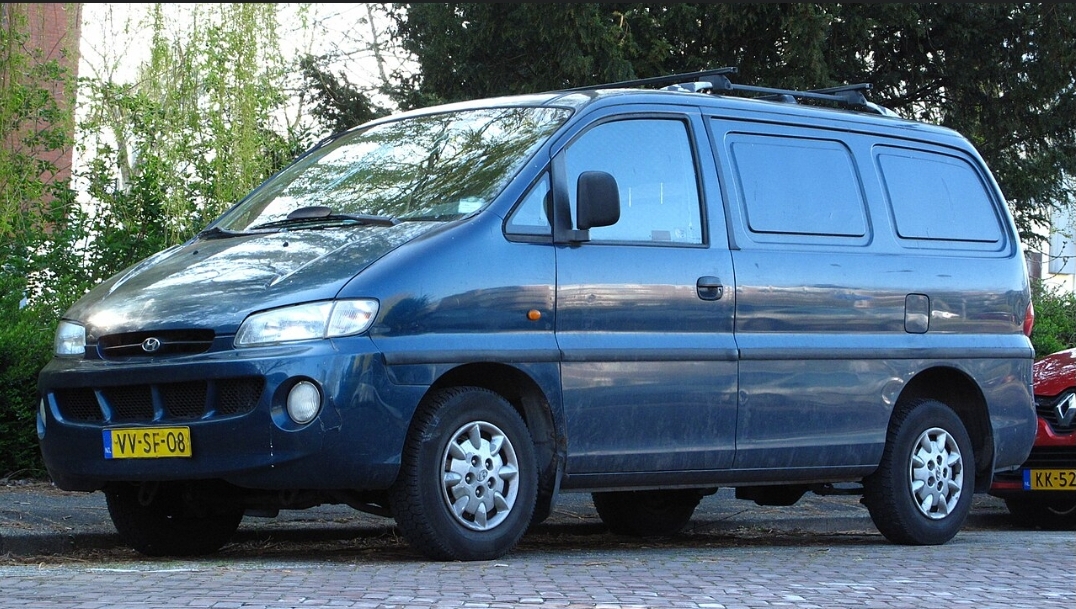
hyundai h1 1996-2007 Spare Parts & Pricing
The first-generation Hyundai H1 Starex, also known simply as the Hyundai H1 or Hyundai Starex, is a versatile front-engine, rear-wheel-drive or 4WD MPV/van that served global markets from 1996 through 2007. This guide specifically focuses on the models produced during this timeframe, including the Hyundai H1 Starex 1996, Hyundai H1 Starex 1997, Hyundai H1 Starex 1998, Hyundai H1 Starex 1999, Hyundai H1 Starex 2000, Hyundai H1 Starex 2001, Hyundai H1 Starex 2002, Hyundai H1 Starex 2003, Hyundai H1 Starex 2004, Hyundai H1 Starex 2005, Hyundai H1 Starex 2006, and the Hyundai H1 Starex 2007. These vehicles were appreciated for their robust utility, serving as reliable people carriers and workhorses across various regions. Under the hood, owners could find a range of engine choices, including 2.4 petrol variants and 2.5 diesel/CRDi variants, with power outputs typically ranging from 80 hp to 140 hp. Transmission options commonly included a 5-speed manual or a 4-speed automatic, depending on the specific market and engine configuration. Popular drivetrains noted for the Hyundai H1 Starex included the 2.5 TD 80 hp, 2.5 TD 99/101 hp, 2.5 CRDi 140 hp, and 2.4 petrol 110/112/135 hp variants, offering a balance of performance and fuel efficiency for their segment. The platform for the Hyundai H1 Starex is shared within Hyundai’s light commercial and MPV family, which often means that manuals and parts coverage can overlap with other related models such as the Grand Starex. While generally considered sturdy, the first-generation Hyundai H1 Starex is now an older vehicle, and certain common problems have emerged over its lifespan. Repeated owner complaints often cluster around issues like door handles/trim breakage, transmission behavior, various electrical faults, air-conditioning/compressor issues, and a propensity for overheating/cooling-system weakness. Addressing these known issues proactively with quality replacement parts and diligent maintenance is key to extending the lifespan and reliability of any Hyundai H1 Starex, whether it's a Hyundai H1 Starex 1996 or a Hyundai H1 Starex 2007 model. Understanding the typical parts pricing and repair costs, especially for items like a timing belt kit, water pump, or an alternator, can help owners budget for necessary upkeep. This guide aims to provide comprehensive insights into parts availability, pricing, common issues, and essential maintenance schedules for these durable vans.
Engine Components
| Part | Price Range | Availability | Interval |
|---|---|---|---|
| Timing Belt Kit Essential for diesel variants. Skipping this service can lead to catastrophic engine damage. Often includes tensioners and idlers. | $60 – $450 | Widely available aftermarket and OEM | 60,000–100,000 km |
| Water Pump Critical for cooling system integrity. Often replaced during timing belt service to prevent future issues and save labor. | $60 – $450 | Widely available aftermarket and OEM | With timing belt or as needed |
Suspension
| Part | Price Range | Availability | Interval |
|---|---|---|---|
| Front Shocks Front-end wear, including worn ball joints and bushings, is common in load-carrying vans like the Hyundai H1 Starex. Impacts ride comfort and handling. | $25 – $250 | Widely available aftermarket and OEM | 50,000–80,000 km or as needed |
Brake Components
| Part | Price Range | Availability | Interval |
|---|---|---|---|
| Brake Pad Set (Front) Regular inspection is crucial for safety. Many variants feature rear drums, so ensure correct parts are sourced for your Hyundai H1 Starex. | $15 – $220 | Widely available aftermarket and OEM | 30,000–60,000 km or by wear |
Electrical
| Part | Price Range | Availability | Interval |
|---|---|---|---|
| Alternator Owners note alternator placement can make it sensitive to flood exposure and dust. A failing alternator can cause various electrical faults. | $15 – $400 | Widely available aftermarket and OEM | As needed, inspect regularly |
Cooling
| Part | Price Range | Availability | Interval |
|---|---|---|---|
| Radiator Overheating is a common complaint for the Hyundai H1 Starex. A clogged or leaking radiator is a primary cause and requires prompt attention. | $20 – $300 | Widely available aftermarket and OEM | As needed, inspect for leaks/clogs |
Fuel System
| Part | Price Range | Availability | Interval |
|---|---|---|---|
| Fuel Filter (Diesel) Critical for diesel variants to protect injection pump parts and injectors. Poor fuel filtration can lead to hard starting and power loss. | $10 – $500 | Widely available aftermarket and OEM | 10,000–20,000 km, sooner in dusty conditions |
Transmission
| Part | Price Range | Availability | Interval |
|---|---|---|---|
| Clutch Kit (Manual Transmission) For manual gearbox models. Symptoms of wear include slipping, difficulty shifting, or a high pedal. Often includes pressure plate and release bearing. | $35 – $700 | Widely available aftermarket and OEM | Depends on driving style, 80,000-150,000 km typical |
Sensors
| Part | Price Range | Availability | Interval |
|---|---|---|---|
| Speed Sensor Sensor faults, including those for the speedometer or fuel gauge, can mimic major failures. Diagnosis with an OBD2 scanner is recommended. | $10 – $120 | Widely available aftermarket | As needed (fault codes) |
Body Components
| Part | Price Range | Availability | Interval |
|---|---|---|---|
| Exterior Door Handle Door handle breakage is a widespread complaint for the first-generation Hyundai H1 Starex, often due to plastic fatigue or wear. | $5 – $180 | Widely available aftermarket | As needed due to breakage |
Service Items
| Part | Price Range | Availability | Interval |
|---|---|---|---|
| Oil Filter A fundamental maintenance item, crucial for engine longevity. Always replace with engine oil. | $3 – $80 | Widely available aftermarket and OEM | Every 5,000–10,000 km / 6 months |
| Air Filter Ensures clean air intake for optimal combustion and protects the engine. Shorter intervals are advised in dusty environments. | $3 – $80 | Widely available aftermarket and OEM | 10,000–20,000 km, sooner in dusty conditions |
| Drive Belts (Accessory) These belts power accessories like the alternator, power steering pump, and A/C compressor. Cracking or squealing indicates replacement is due. | $15 – $60 | Widely available aftermarket and OEM | Inspect every service; replace by age/wear |
Buying Guide
When considering the purchase or long-term ownership of a first-generation Hyundai H1 Starex, covering models from the Hyundai H1 Starex 1996 to the Hyundai H1 Starex 2007, it is essential to be aware of common problems and maintenance requirements. These vans, while robust, are now older vehicles, and their reliability heavily depends on prior maintenance history.
One of the most frequently reported issues across the entire generation, including models like the Hyundai H1 Starex 2000 and Hyundai H1 Starex 2004, is door handle / latch breakage. Owners often report exterior handles snapping or doors not opening normally. This is typically due to plastic fatigue or worn latch mechanisms. Replacing the handle is a straightforward DIY fix, but inspecting the latch is also important. Another significant area of concern is transmission behavior, particularly for automatic variants. Owners of the Hyundai H1 Starex 2002, for instance, have reported automatic gearboxes getting stuck in 2nd gear or entering limp mode. Manual transmission models may experience noise or synchronizer issues. These problems often stem from fluid neglect, valve-body/solenoid issues, or internal wear. Regular ATF service can mitigate some of these risks, but more severe cases may require transmission solenoids replacement or a full transmission overhaul.
Electrical faults are also common, affecting various components from the instrument cluster to individual sensors. Speedometer/odometer/fuel gauge failure is often cited, along with intermittent electrics. These can be caused by aging solder joints, faulty sensors, or wiring/ground corrosion. For the Hyundai H1 Starex 2006, owners often checked fuses and grounds first. Replacing specific sensors like crank, cam, temp, or speed sensors can resolve many issues, but complex cluster repair/replacement might be necessary. Owners should also pay attention to the alternator and electrical vulnerability, especially in conditions of flood exposure and dust, as these factors can accelerate failures.
Air-conditioning/compressor issues are another widespread complaint. Symptoms include weak or no cooling, a noisy A/C compressor, or erratic clutch cycling. This can be due to compressor wear, refrigerant loss, or drive belts issues. A/C compressor replacement, along with the receiver-drier and system evacuation/recharge, is a common professional repair. Finally, overheating/cooling-system weakness is a high-severity problem that can lead to significant engine damage. Owners of the Hyundai H1 Starex 2005 frequently reported temperature rises in traffic, coolant loss, or boiling. Causes include a radiator clog, faulty thermostat, worn water pump, aging cooling hoses, or fan clutch issues. Regular coolant flush and inspection of the radiator and fan operation are crucial preventative measures.
For any Hyundai H1 Starex, especially those used in demanding conditions, certain maintenance items deserve extra attention. Regular oil change service, along with oil filter and air filter replacement, is paramount. Diesel variants, including the Hyundai H1 Starex 1997, require stringent diesel filtration to protect their fuel injection pump parts and injectors. Timing belt service, typically around 60,000–100,000 km for belt-driven engines, is a critical preventative measure to avoid catastrophic engine damage. Fluid service after purchase, including brake fluid, power steering fluid, and differential/transfer fluids, is highly recommended. Owners should budget for baseline service immediately after purchase, as maintenance history strongly impacts resale value and ongoing reliability. Buyers often judge on starting behavior, smoke level, AC performance, gearbox behavior, and underbody condition more than mere cosmetics. Given the age of these vehicles, including the Hyundai H1 Starex 1999 and Hyundai H1 Starex 2001, considering rustproofing and undercoating can significantly extend the vehicle's lifespan, particularly in humid climates. Regular suspension inspection, checking for worn ball joints and bushings, will also help maintain handling and tire life.
Common Accessories
All-weather floor mats
These durable floor mats protect your van's carpet from mud, sand, and spills, keeping the interior cleaner and preserving its condition. They are easy to remove and clean, making them ideal for heavy use.
Shop on AmazonSeat covers
Protect your upholstery from wear, tears, and stains with a quality set of seat covers. They also make cleaning easier and can refresh the interior look of your Hyundai H1 Starex.
Shop on AmazonDash cam
A dash cam provides crucial evidence in case of accidents, acts as a theft deterrence, and records your journeys. Many models offer front and rear recording capabilities for comprehensive coverage.
Shop on AmazonOBD2 scanner
An OBD2 scanner is an essential tool for any vehicle owner, allowing you to read fault codes and speed up diagnosis of engine or electrical problems. Confirm diesel protocol support for your Hyundai H1 Starex.
Shop on AmazonCargo organizer
Keep your tools, spare parts, and other items tidy and secure in the cargo area of your van. A good cargo organizer prevents items from shifting around during transit, reducing clutter and potential damage.
Shop on AmazonRoof rack/crossbars
Expand your Hyundai H1 Starex's carrying capacity with a robust roof rack or crossbars. These accessories are perfect for transporting extra luggage, sports equipment, or work materials safely.
Shop on AmazonWhere to Buy Parts
Frequently Asked Questions
Is the 1996–2007 Hyundai H1 / Starex reliable for long-term use?+
Yes, the Hyundai H1 Starex models from 1996 through 2007 can be reliable for long-term use, but only if they have a strong maintenance history. The core mechanicals are generally durable, but the ownership experience largely depends on the health of the cooling-system, consistent transmission servicing, the condition of the electrical components, and effective body corrosion management. Neglected examples, including a Hyundai H1 Starex 2003 or Hyundai H1 Starex 2007, can quickly become expensive to repair due to multiple small faults appearing simultaneously, especially in high-mileage or flood-exposed vans.
What are the biggest repair risks on a 2004 Hyundai H1 Starex?+
For a 2004 Hyundai H1 Starex, the biggest repair risks include overheating, various transmission problems, and issues with broken trim or door handles. It is crucial to check the vehicle's cooling-system service history, evaluate the shift quality of the transmission, verify the function of the instrument cluster gauges, and assess the health of the A/C compressor. If these critical systems are already showing weaknesses, the cumulative repair costs for a Hyundai H1 Starex 2004 can quickly outweigh any initial purchase savings.
Are 2007 Hyundai H1 Starex parts still available?+
Yes, parts for the Hyundai H1 Starex 2007 and other models within the 1996-2007 range are still actively available in the aftermarket, particularly through online marketplaces like Amazon and general parts retailers. Common service items such as oil filters, air filters, and drive belts, along with components like alternators, intake hoses, and rear wiper assemblies, are regularly listed. The main challenge is often ensuring correct engine-code matching for specific diesel or petrol variants and verifying overall part quality from different suppliers for your Hyundai H1 Starex.
How often should the timing belt be changed on this generation?+
For belt-driven engines in the Hyundai H1 Starex, including models like the Hyundai H1 Starex 2000 and Hyundai H1 Starex 2006, it is crucial to consult the owner's manual for the exact engine code and recommended interval. However, a conservative approach is advised, with many owners planning timing belt service in the 60,000–100,000 km window, depending on the engine type and severity of use. Skipping this essential maintenance creates a significant risk of major engine damage, especially on older diesel units, which can be a very costly repair.
Is the Hyundai H1 Starex a good buy today?+
The Hyundai H1 Starex can still be a good buy, provided the specific vehicle is mechanically sound, has no evidence of flood damage, and shows a history of regular cooling and fuel-system maintenance. Used prices for models like the Hyundai H1 Starex 1998 or Hyundai H1 Starex 2007 can vary widely, indicating a mix of project units and well-maintained examples. Buyers should always budget for an immediate baseline fluid service after purchase, as the vehicle's age and import history often matter more than odometer claims for long-term ownership.
Also worth reading
hyundai h1 1996-2007 Common Issues