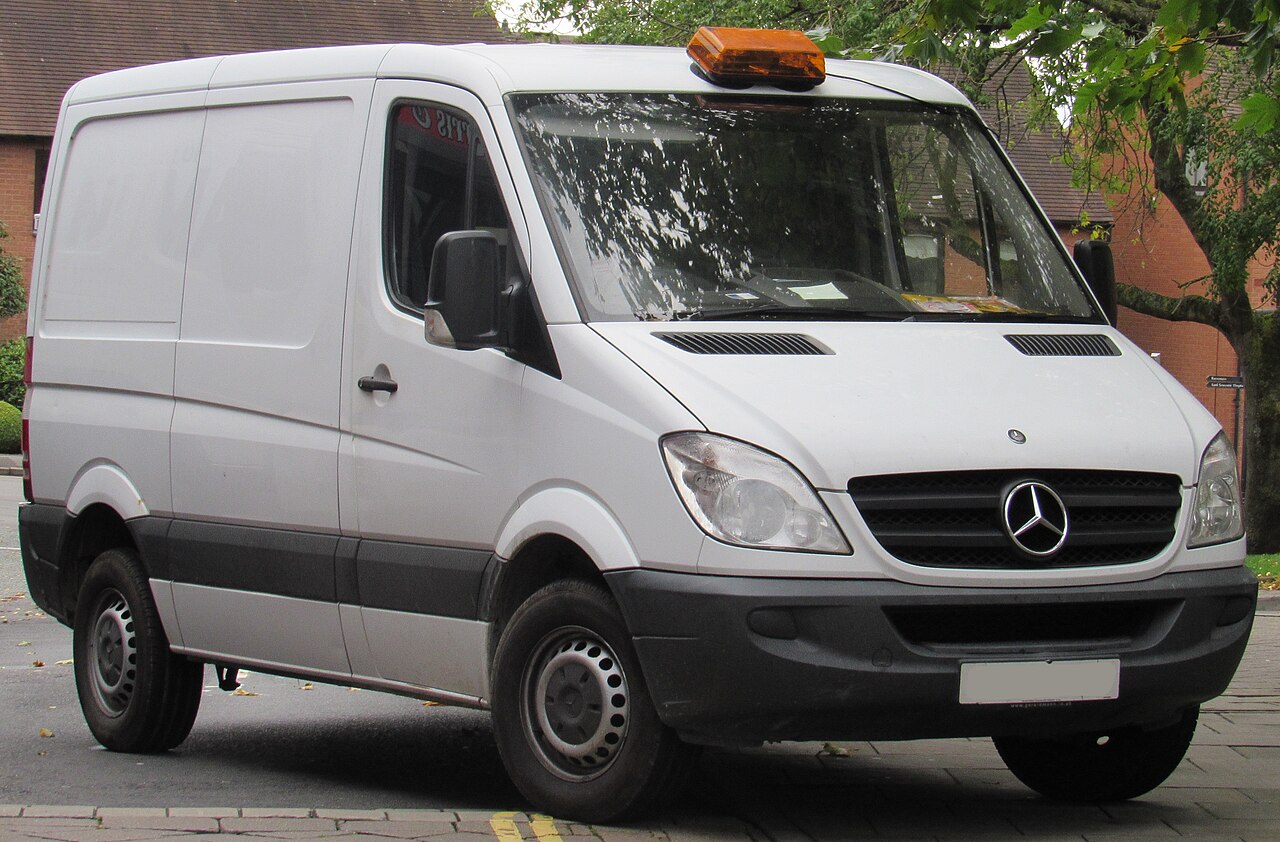
mercedes benz sprinter 2006-2017 Common Problems & Issues
The Mercedes-Benz Sprinter, specifically the early W906/NCV3 generation, stands as a prominent full-size commercial van platform renowned for its versatility and utility. Introduced for the 2006 model year in many global markets, this architecture continued its evolution through various iterations, covering models such as the Mercedes Benz Sprinter 2006, Mercedes Benz Sprinter 2007, Mercedes Benz Sprinter 2008, Mercedes Benz Sprinter 2009, Mercedes Benz Sprinter 2010, Mercedes Benz Sprinter 2011, and Mercedes Benz Sprinter 2012. While the core W906 platform was established early on, the Sprinter continued to be produced and refined, encompassing later models like the Mercedes Benz Sprinter 2013, Mercedes Benz Sprinter 2014, Mercedes Benz Sprinter 2015, Mercedes Benz Sprinter 2016, and Mercedes Benz Sprinter 2017, all building on its robust foundation. Owners and fleet operators consistently laud the Sprinter for its exceptional cargo capacity, impressive diesel efficiency for its class, and the wide array of body and configuration choices available. Whether it's a short-wheelbase (SWB), medium-wheelbase (MWB), long-wheelbase (LWB), or extra-long-wheelbase (XLWB) variant, the Sprinter serves diverse needs as a cargo van, a passenger or combi van, a chassis cab, or a base for highly specialized commercial upfits. This resilient commercial architecture is shared with other Daimler van variants and, in some markets, has been rebadged as Freightliner or Dodge versions, highlighting its widespread adoption and proven design. However, owning a Mercedes-Benz Sprinter also involves navigating specific considerations, primarily due to its sophisticated emissions-system complexity and the potential for age-related wear on critical components like various sensors, the brake system, and suspension parts. For instance, the Mercedes Benz Sprinter 2012 in the U.S. market typically featured a robust 3.0L V6 diesel engine. While powerful and efficient, these engines demand diligent maintenance to ensure optimal performance and compliance with emissions standards. The maintenance booklet for the W906 generation clearly outlines essential service intervals for these diesel powerplants, including regular oil service, timely fuel filter replacements, routine DEF (Diesel Exhaust Fluid) checks, and thorough DPF (Diesel Particulate Filter) inspections. Additionally, automatic transmission service is crucial and often recommended every fourth engine oil change. These stringent maintenance requirements underscore the importance of consistent upkeep for all Mercedes Benz Sprinter models, including the Mercedes Benz Sprinter 2017, to ensure long-term reliability and minimize the risks associated with its advanced systems. Globally, the Sprinter remains a highly attractive option where load-carrying durability is paramount, making it a preferred choice for businesses and individuals seeking a dependable workhorse capable of handling demanding tasks.
2
Critical
3
Moderate
0
Minor
Known Issues
Wheel Sensor Failure / Damaged Wheel Speed Sensors
ModerateOwners of the Mercedes Benz Sprinter 2006 through the Mercedes Benz Sprinter 2017 often report issues with wheel speed sensors. Symptoms typically include the illumination of ABS and ESP lights, various traction control faults, and inconsistent speedometer readings or erratic shift behavior. These problems are commonly caused by physical damage to the sensor itself, chafing or corrosion in the associated wiring harness, or the accumulation of debris. Diagnosis involves scanning the ABS module for fault codes, visually inspecting the wheel harness for damage, and measuring the sensor's resistance and signal output. The common fix is to clean the connector, replace the faulty sensor, or repair the damaged wiring harness. Addressing this promptly is important for safety and proper vehicle operation.
DEF Heater / DEF Pump Failure
CriticalA common and costly issue in many Mercedes-Benz Sprinter models, including the Mercedes Benz Sprinter 2010 to Mercedes Benz Sprinter 2017, involves the DEF (Diesel Exhaust Fluid) heater or DEF pump failure. This problem manifests as a DEF warning light, often leading to limp mode, reduced power output, and in later systems, a no-start countdown. The root causes can include failures of the DEF tank heater, the DEF pump, or the level sensor within the tank module, frequently exacerbated by DEF crystallization. Diagnosis requires reading specific fault codes from the emissions system, inspecting the quality of the DEF, and verifying the proper operation of the DEF tank module. The solution typically involves replacing the entire tank module, the heater, or the pump, and flushing any contaminated DEF. This can be a very expensive repair due to the complexity of the emissions-system components.
Fuel Filter / Water Separator Issues
ModerateIssues with the fuel filter and water separator are known to affect various Mercedes-Benz Sprinter models, from the Mercedes Benz Sprinter 2007 to the Mercedes Benz Sprinter 2017. Symptoms include hard starting, a rough idle, noticeable power loss, and stalling under load, especially when the vehicle is under stress. These problems are often attributed to dirty diesel fuel, water contamination within the fuel system, or a simply clogged fuel filter due to neglected service. Diagnosis involves performing a fuel pressure test, inspecting the water drain on the separator, and verifying the vehicle's service history for fuel filter replacements. The fix usually entails replacing the fuel filter, draining the water separator, and ensuring the use of high-quality, clean diesel fuel to prevent recurrence.
DPF Loading / Exhaust Aftertreatment Faults
CriticalDPF (Diesel Particulate Filter) loading and other exhaust aftertreatment faults are widespread concerns for Mercedes-Benz Sprinter vans, particularly those from the Mercedes Benz Sprinter 2008 to Mercedes Benz Sprinter 2017. Common symptoms include a persistent regen warning light, unusually high exhaust temperatures, and a significant loss of engine power. These issues typically arise from frequent short-trip use that prevents proper DPF regeneration cycles, failures in the regeneration process itself, or faulty sensors within the exhaust system. Diagnosis involves checking the soot load, measuring the DPF differential pressure, and scanning for specific emissions faults. Solutions range from performing a forced regeneration to replacing faulty sensors or, in severe cases of DPF saturation, replacing the entire DPF unit, which can be extremely costly.
Brake Wear and Sensor-Related Warnings
ModerateBrake wear and sensor-related warnings are common maintenance items for all Mercedes-Benz Sprinter models, from the Mercedes Benz Sprinter 2006 to Mercedes Benz Sprinter 2017, given their commercial application. Owners may experience brake noise, persistent warning lights on the dashboard, uneven stopping, or ABS faults. The primary causes include normal wear of brake pads and discs, contamination or damage to brake sensors, and aging of the associated wiring. Diagnosis involves a visual inspection of the brake components, checking pad thickness, and scanning the brake system for any stored fault codes. The standard fix is to replace worn pads, discs, and sensors as needed, along with bleeding the brake fluid to ensure optimal performance. Heavy payload use will accelerate the need for these services.
What to Check Before Buying
Maintaining a Mercedes-Benz Sprinter, encompassing models from the Mercedes Benz Sprinter 2006 through the Mercedes Benz Sprinter 2017, is paramount for ensuring its longevity and optimal performance. The W906 Sprinter has a mixed but generally serviceable reliability reputation; it proves robust when properly maintained, but it can quickly become an expensive proposition if critical emissions and sensor issues are ignored. The most significant financial exposure for owners often revolves around DEF/DPF/emissions repair, especially if the van is frequently used for short trips or operates with poor diesel quality. These conditions prevent the exhaust temperature from stabilizing sufficiently for proper diesel particulate filter regeneration, leading to soot load buildup and potential DPF saturation. Regular DPF saturation checks are vital to avoid costly replacements, which can affect models like the Mercedes Benz Sprinter 2011 and Mercedes Benz Sprinter 2012.
Conversely, the most affordable recurring issue is typically a fuel filter service, provided it's performed according to the recommended schedule. Mercedes-Benz's W906 maintenance booklet provides a clear service cadence, recommending oil service plus at 15,000 miles, maintenance service at 30,000 miles, and a fuel filter change every 30,000 miles. Air filter elements should be replaced every 45,000 miles. DEF checks and top-ups are recommended every 15,000 miles. Automatic transmission service, including fluid and filter replacement, is advised every fourth engine oil change to prevent harsh shifts and premature transmission damage, a common concern for models like the Mercedes Benz Sprinter 2009 and Mercedes Benz Sprinter 2010. Brake fluid should be renewed every two years to prevent moisture absorption and potential ABS corrosion risk, while coolant renewal is suggested every sixth Service B or 15 years, and rear axle oil every sixth Service B or 10 years.
Real-world operating conditions can significantly impact these maintenance intervals. For instance, dusty climates necessitate shorter air filter and cabin filter replacement intervals than the factory baseline, affecting models such as the Mercedes Benz Sprinter 2013 and Mercedes Benz Sprinter 2014. Low-quality diesel or water contamination can accelerate fuel filter and injector problems, underscoring the need for careful fuel sourcing. Heavy payload use will naturally cause brake and suspension service items, like shock absorbers and tie rods, to require attention much sooner than the factory schedule suggests, impacting the Mercedes Benz Sprinter 2015 and Mercedes Benz Sprinter 2016, which are often used for demanding commercial tasks.
Neglected service history dramatically increases the chance of emissions-related faults and reduces resale confidence across all model years, including the Mercedes Benz Sprinter 2017. For instance, owners of the Mercedes Benz Sprinter 2011 and Mercedes Benz Sprinter 2012 often report warning lights related to emissions or sensor issues, which become expensive to address if ignored. Before buying a used W906 Sprinter, a thorough pre-purchase inspection is essential. This should include checking service records, scanning for stored fault codes, performing cold starts to assess engine behavior, confirming smooth transmission behavior, inspecting brake wear, and verifying that the DPF/DEF system is not showing repeated warnings. Examine the underside for corrosion, suspension wear, and any signs of consistent overload use, as many Sprinters lead demanding commercial lives. This advice is particularly relevant for the Mercedes Benz Sprinter 2007 and Mercedes Benz Sprinter 2008 models, which may have accumulated significant mileage.
The engine, particularly the 3.0L V6 diesel, is generally long-lived if oil, fuel, and cooling systems are meticulously maintained, often exceeding 200,000 miles in fleet use. The transmission generally exhibits durability with fluid service on schedule, though deferred servicing significantly raises the risk of issues. Suspension wear is highly dependent on load, road conditions, and tire maintenance. While robust, owners should budget for mid-life failures in electronics and sensors on older vans. Ultimately, proactive maintenance, understanding the specific demands of diesel engines and their aftertreatment systems, and addressing sensor-related warnings promptly are key to cost-effective ownership of any Mercedes-Benz Sprinter.
Where to Buy Parts
Frequently Asked Questions
Is the 2006 Mercedes Sprinter reliable?+
The Mercedes Benz Sprinter 2006 is reliable when its service history is current, but it is not a low-maintenance vehicle. Buyers should anticipate diesel-specific repairs, especially concerning filters, sensors, and the aftertreatment system if the van has been subjected to short trips or poor-quality fuel. A comprehensive service history is far more critical than cosmetic condition for the Mercedes Benz Sprinter 2006 model year. Neglecting these aspects can lead to costly emissions-system complexity issues.
Why do 2011 and 2012 Sprinters develop warning lights?+
On Mercedes Benz Sprinter 2011 and Mercedes Benz Sprinter 2012 vans, warning lights frequently indicate emissions or sensor issues rather than immediate engine failure. Common triggers include faulty wheel speed sensors, DEF system faults, DPF loading, or fuel-system contamination. These problems typically begin with subtle symptoms like rough idling, reduced power, or intermittent warning lamps before escalating into more expensive repairs. Prompt diagnosis of fault codes is essential to prevent critical issues.
How expensive is Sprinter ownership globally?+
Used Mercedes-Benz Sprinters can be affordable to acquire but potentially costly to maintain, particularly because diesel emissions parts, various sensors, and genuine filtration items are not inexpensive. A single DEF or DPF-related repair can easily exceed the value of several routine services. Operating conditions, such as high heat, dust, and fuel-quality variations, can add extra stress. Owners, including those with a Mercedes Benz Sprinter 2017, should budget for preventive maintenance rather than emergency fixes.
What should I inspect before buying a used W906?+
Before purchasing a used W906 Mercedes-Benz Sprinter, including models like the Mercedes Benz Sprinter 2008 or Mercedes Benz Sprinter 2010, inspect service records thoroughly, scan for stored fault codes, and test cold starts. Confirm smooth transmission behavior, check brake wear, and verify that the DPF/DEF system is not displaying repeated warnings. Also, examine the underside for corrosion, suspension wear, and evidence of overload use, as many Sprinters endure hard commercial lives. A pre-purchase inspection is essential for this generation.
Are 2007 and 2012 Sprinters different in maintenance needs?+
While the core routine service logic for the Mercedes Benz Sprinter 2007 and Mercedes Benz Sprinter 2012 is similar, requiring disciplined oil, fuel filter, brake, and cooling-system care, there are subtle differences. Later 2012 examples are more likely to feature the increasingly complex emissions equipment seen in newer W906 setups. This means greater attention to DEF and DPF behavior is often required for a Mercedes Benz Sprinter 2012. In both model years, neglecting service intervals quickly becomes expensive due to the advanced diesel systems.