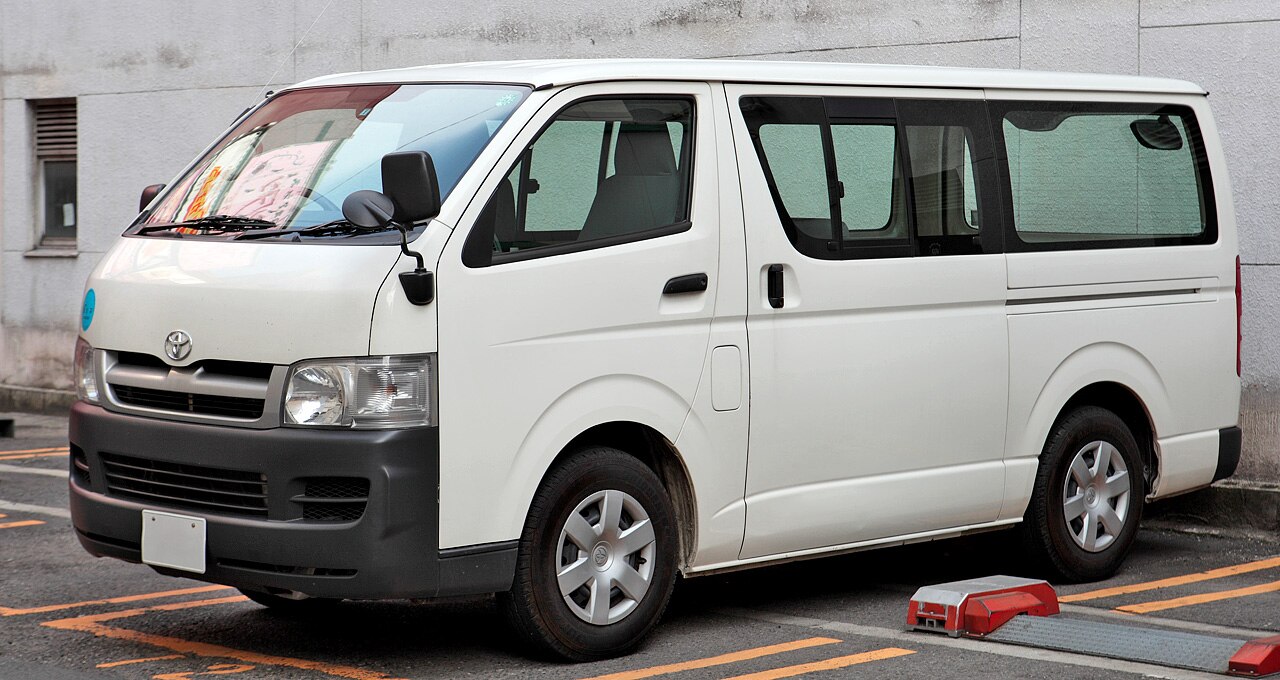
toyota hiace 2005-2015 Spare Parts & Pricing
The Toyota Hiace H200, representing the fifth generation of this globally recognized van, was introduced in mid-2004 as a successor to the H100 series. Designed with a focus on passenger and commercial utility, the H200 generation offered a range of body lengths, including standard, long, and super-long variants, alongside commercial van and passenger wagon body types. Its production run extended broadly from 2004 through approximately 2015, with specific model years like the Toyota Hiace H200 2005 marking its initial availability in many markets. The Toyota Hiace H200 2006 continued this lineage, offering various engine and transmission options to suit diverse needs. This generation featured robust petrol engines, such as 2.0L and 2.7L variants, and efficient diesel options, including 2.5L and 3.0L turbo-diesel engines. Transmission choices typically included 5-speed manuals, common with diesel models, and 4-speed or 5-speed automatics depending on the market and specific Toyota Hiace H200 2007 configuration. Rear-wheel drive (RWD) was standard, with 4WD variants available in select trims. The Toyota Hiace H200 2008 built upon this foundation, offering continued reliability. For owners of the Toyota Hiace H200 2009, understanding common issues and maintenance needs is crucial for maximizing its lifespan. The Toyota Hiace H200 2010 remained a popular choice for commercial fleets and passenger transport. Similarly, the Toyota Hiace H200 2011 continued to be a workhorse. The Toyota Hiace H200 2012 offered further refinements, while the Toyota Hiace H200 2013 maintained its reputation for durability. Prospective buyers or current owners of the Toyota Hiace H200 2014 will find this guide valuable. Finally, the Toyota Hiace H200 2015 represents the later end of this generation's production, embodying the accumulated reliability and practicality of the H200 platform.
Fuel System
| Part | Price Range | Availability | Interval |
|---|---|---|---|
| Diesel Injector Crucial for diesel engine performance. Worn or clogged injectors lead to rough idling, misfires, and reduced power. Regular fuel filter changes help prolong injector life. OEM parts are recommended for optimal performance and longevity, though quality aftermarket options exist. | $120 – $450 | Widely available | As needed, based on condition |
| Fuel Filter (Diesel) Essential for preventing contaminants from reaching the injection pump and injectors. Frequent replacement, especially in areas with poor fuel quality, is critical for diesel H200 variants to avoid costly fuel system damage. | $5 – $40 | Readily available | 20,000–30,000 km (12,000–18,000 miles) |
Brakes
| Part | Price Range | Availability | Interval |
|---|---|---|---|
| Rear Brake Shoes The H200 often features rear drum brakes that experience significant wear, especially under commercial use or heavy loads. Regular inspection and timely replacement are vital for safety and maintaining braking effectiveness. | $20 – $120 | Widely available | Inspect every 10,000–15,000 km; replace as needed |
| Brake Rotor Front disc brake rotors are a common wear item. They should be inspected along with brake pads for signs of scoring, warping, or excessive wear. Resurfacing may be an option for minor wear, but replacement is necessary for significant damage. | $30 – $150 | Widely available | As needed, based on thickness and condition |
Suspension
| Part | Price Range | Availability | Interval |
|---|---|---|---|
| Front Strut Assembly These handle damping and support the vehicle's weight. Worn struts affect ride quality, handling, and tire wear. Replace in pairs for balanced performance. Aftermarket options offer cost savings over OEM. | $80 – $350 | Widely available | 80,000–200,000 km (depending on use) |
Steering
| Part | Price Range | Availability | Interval |
|---|---|---|---|
| Steering Tie Rod End Connects the steering rack to the steering knuckle. Worn tie rod ends can cause play in the steering, alignment issues, and uneven tire wear. Always replace in pairs and follow with a wheel alignment. | $10 – $80 | Readily available | Inspect regularly, replace as needed |
Electrical
| Part | Price Range | Availability | Interval |
|---|---|---|---|
| Alternator Provides electrical power to the vehicle once the engine is running. Failure can lead to dead batteries and electrical system malfunctions. Remanufactured units offer a good balance of cost and reliability. | $90 – $450 | Widely available | As needed, typically 150,000–250,000 km |
| Starter Motor Engages the engine's flywheel to start the vehicle. A failing starter may produce clicking noises or fail to crank the engine. Aftermarket and remanufactured options are common. | $70 – $400 | Widely available | As needed, typically 150,000–250,000 km |
Cooling System
| Part | Price Range | Availability | Interval |
|---|---|---|---|
| Radiator Manages engine coolant temperature. Leaks or blockages can lead to overheating. Regular coolant flushes and inspections are recommended. Replacement is often necessary if leaks or internal corrosion are present. | $100 – $600 | Widely available | As needed, typically 100,000–200,000 km or 5-10 years |
| Water Pump Circulates coolant through the engine and radiator. A failing water pump can cause overheating and coolant leaks. It's often recommended to replace the water pump when servicing the timing belt or chain. | $30 – $180 | Widely available | As needed, often replaced with timing belt/chain service |
Drivetrain
| Part | Price Range | Availability | Interval |
|---|---|---|---|
| Transmission Filter and ATF Kit For automatic transmissions, regular fluid and filter changes are crucial to prevent overheating, wear, and costly rebuilds, especially in commercial applications. This is a key maintenance item for longevity. | $25 – $120 | Readily available | 40,000–60,000 km under heavy use |
| Clutch Kit (Manual) For models equipped with a manual transmission, the clutch assembly is a wear item. Symptoms of wear include slipping, difficulty shifting, or a high clutch pedal. Replacement includes the pressure plate, clutch disc, and release bearing. | — | Available | As needed, typically 100,000–200,000 km |
Sensors
| Part | Price Range | Availability | Interval |
|---|---|---|---|
| Oxygen Sensor Monitors oxygen levels in the exhaust to optimize fuel mixture. A faulty O2 sensor can lead to poor fuel economy, increased emissions, and check engine lights. Aftermarket sensors are generally reliable and cost-effective. | $20 – $180 | Widely available | As needed, typically 100,000–150,000 km |
Body
| Part | Price Range | Availability | Interval |
|---|---|---|---|
| Headlight Assembly Essential for night driving visibility and safety. Over time, headlights can become cloudy, yellowed, or damaged. Replacement ensures optimal illumination. Aftermarket options are significantly cheaper than OEM. | $60 – $400 | Widely available | As needed due to damage or aging |
Engine
| Part | Price Range | Availability | Interval |
|---|---|---|---|
| Timing Belt Kit (if applicable) Some petrol variants use timing belts; many H200 engines utilize timing chains. If your model has a belt, timely replacement is critical to prevent catastrophic engine damage. Always replace related components like the tensioner and water pump when servicing the belt. | $120 – $350 | Available | Refer to specific engine manual; typically 100,000–150,000 km |
Ignition
| Part | Price Range | Availability | Interval |
|---|---|---|---|
| Spark Plugs (Petrol) Essential for ignition in petrol engines. Worn spark plugs can cause misfires, rough idling, and reduced fuel efficiency. Replacing them at recommended intervals ensures optimal engine performance. | $20 – $60 | Readily available | 30,000–60,000 km |
Filters
| Part | Price Range | Availability | Interval |
|---|---|---|---|
| Air Filter Filters the air entering the engine for combustion. A clogged air filter restricts airflow, reducing power and fuel efficiency. Regular replacement, especially in dusty conditions common in some regions, is vital. | — | Readily available | 5,000–10,000 km in dusty areas; 15,000–20,000 km otherwise |
Buying Guide
When considering a Toyota Hiace H200 generation van, particularly models ranging from 2005 to 2015, a thorough inspection is paramount to ensure a sound purchase. The H200 is renowned for its durability, but like any commercial vehicle, its condition will heavily depend on its service history and how it was utilized. For the Toyota Hiace H200 2005, paying close attention to the general condition of the body is essential, especially in areas prone to rust, such as wheel arches and underbody sills, if the vehicle has been exposed to coastal or humid climates. When inspecting a Toyota Hiace H200 2006, focus on the drivetrain; check for any signs of leaks from the engine or transmission, and listen for unusual noises during operation. The Toyota Hiace H200 2007, like other years, can suffer from diesel injector issues if poorly maintained. Listen for rough idling or noticeable power loss, particularly in diesel variants. A comprehensive check of the brake system is advised for any Toyota Hiace H200 2008, paying close attention to the rear drum brakes, which are known to wear faster under load. Examine the parking brake mechanism for proper function. For the Toyota Hiace H200 2009, especially automatic transmission models, test drive to note any harsh shifting, slipping, or signs of overheating. A transmission fluid check is recommended. When looking at a Toyota Hiace H200 2010, inquire about its maintenance records. A well-documented history, including regular oil changes and fuel filter replacements for diesel models, significantly increases its value and reliability. The Toyota Hiace H200 2011, if it's a diesel, requires careful inspection of the fuel system. Check for black smoke from the exhaust, which can indicate injector problems. For the Toyota Hiace H200 2012, consider the vehicle's load history. Overloaded vehicles will show more wear on suspension components like leaf springs and struts. Inspect these for signs of sagging or damage. The Toyota Hiace H200 2013, like other years, benefits from a test drive on various road surfaces to assess suspension and steering. Check for excessive play in the steering wheel or knocking sounds. When evaluating a Toyota Hiace H200 2014, particularly if it's a high-mileage example, pay attention to the electrical system. Test all lights, wipers, and the charging system (alternator output). A professional inspection by a mechanic familiar with commercial vans is highly recommended before finalizing any purchase. For the Toyota Hiace H200 2015, ensure that any recalls or service bulletins pertinent to that specific year and model have been addressed. Thoroughly check the vehicle's service history, looking for consistency in maintenance. Regardless of the year, always check for signs of previous accident damage, especially on chassis rails and panel alignments. The choice between petrol and diesel engines often comes down to usage patterns; diesels are typically more fuel-efficient and torquey for heavy loads, but can incur higher repair costs for fuel systems. Petrol engines might be smoother and quieter but less economical under load. Ensure that the transmission type (manual or automatic) suits your driving needs and that the specific unit has been well-maintained. A pre-purchase inspection should include a diagnostic scan to check for any stored fault codes, especially for the engine control unit (ECU) and transmission control unit (TCU). Understanding the common problems associated with the H200 series—such as diesel injector issues, rear brake wear, potential rust, and automatic transmission quirks—will help you identify potential red flags during your inspection. Factor in the cost of potential immediate repairs or maintenance when negotiating the price. A vehicle with a complete service history and in good cosmetic and mechanical condition is a worthwhile investment, offering many more years of service.
Common Accessories
All-weather Floor Mats
Custom-fit heavy-duty rubber floor mats protect the Hiace's interior from dirt, spills, and wear, making cleaning easier. They are ideal for commercial use and harsh weather conditions.
Shop on AmazonDashcam (Dual-Channel)
A dual-channel dashcam provides front and rear recording, offering valuable evidence in case of accidents and aiding in fleet monitoring for business owners.
Shop on AmazonOBD2 Bluetooth Scanner
This portable diagnostic tool connects to your vehicle's OBD-II port, allowing for quick fault code reading and live sensor data monitoring via a smartphone app.
Shop on AmazonRoof Rack System
Expand cargo capacity with a durable roof rack system, suitable for carrying ladders, pipes, or other equipment essential for tradespeople and delivery services.
Shop on AmazonSeat Covers
Durable and easy-to-clean seat covers protect the original upholstery from wear and tear, especially important for vehicles used for passenger transport or with frequent occupants.
Shop on AmazonWhere to Buy Parts
Frequently Asked Questions
Is the 2007 Toyota Hiace H200 reliable for daily commercial use?+
Yes, the Toyota Hiace H200, particularly diesel variants like the 2007 model, are widely regarded as reliable commercial vehicles when properly maintained. Key factors for ensuring long-term reliability include regular servicing, especially for the fuel system and transmission. Confirming a complete service history before purchase is crucial to avoid potential high-cost repairs related to injectors or the automatic transmission.
How often does a 2010 Hiace H200 need fuel-filter service?+
For diesel-powered Toyota Hiace H200 models, such as the 2010 variant, the fuel filter should typically be replaced every 20,000 to 30,000 kilometers (approximately 12,000 to 18,000 miles). This interval should be shortened if the vehicle operates in environments with poor fuel quality. Neglecting fuel filter changes significantly increases the risk of damage to the fuel injectors and injection pump.
What are the most expensive repairs for H200 Hiace owners?+
Among the most costly repairs for Toyota Hiace H200 owners are significant issues with the automatic transmission, often requiring a full rebuild, and problems with the diesel injection pump. These repairs can easily run into thousands of dollars due to the complexity and cost of the components involved. Engine overhauls for very high-mileage units can also be substantial.
Do H200 Hiace models experience rust problems in humid or coastal regions?+
Yes, like many vehicles, the Toyota Hiace H200's body panels and undercarriage can be susceptible to rust, particularly in humid, salty, or coastal environments. Proactive measures such as regular underbody inspections and applying protective underseal treatments every few years are highly recommended for owners in regions like Nigeria to preserve the vehicle's structural integrity and value.
Are timing belts an owner maintenance item for H200 engines?+
Many Toyota Hiace H200 engines utilize long-life timing chains, which generally do not require regular replacement unless specific noises or issues arise. However, some petrol engine variants are equipped with timing belts. If your specific H200 model has a timing belt, it is a critical maintenance item that must be replaced at the manufacturer's recommended interval to prevent catastrophic engine damage. Always verify your engine's configuration.