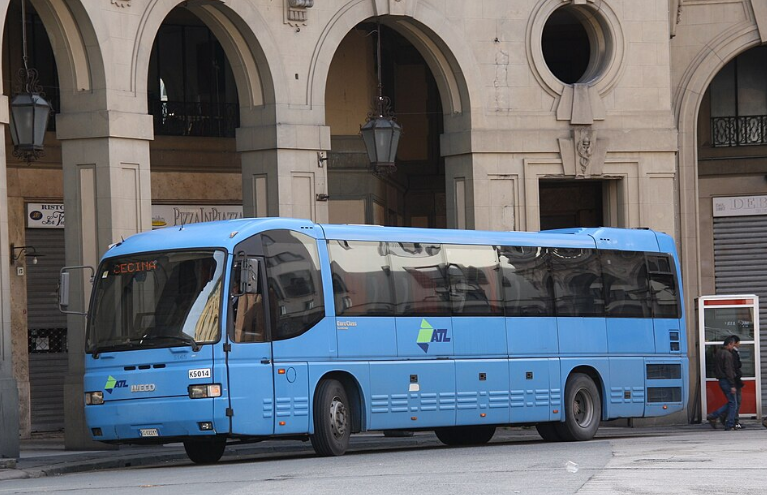
iveco euroclass 1993-2001 Spare Parts & Pricing
The Iveco EuroClass is an Italian intercity coach bus that was first introduced in 1993, serving as the successor to the Iveco 370 / Lorraine series. Initially marketed under the Iveco brand until 2001, it transitioned to the Irisbus name from 2002 onwards, a joint venture between Iveco and Renault Véhicules Industriels, under which it was known as the EuroClass NEW. This vehicle was built on the robust Iveco 380 chassis for the earlier models (1993–2001) and later on the Irisbus 389 chassis for the EuroClass NEW generation (2002–2006/7). The production window for the early, 380-based EuroClass (1993–2001) aligns with the typical user query for an "early Iveco Eurobus" from 1995–2005. While the term "Eurobus" can be generic or refer to other manufacturers, this guide focuses on the confirmed Iveco EuroClass coach generation. The early EuroClass (1993–2001) typically featured the Fiat 8460.41S diesel engine, available in 350 hp or 380 hp variants, paired with heavy-duty manual transmissions like ZF units. It was offered in Normal and HD (High Deck) versions, with lengths of 10.5m and 12m, providing varying seating and luggage capacities. The later EuroClass NEW (2002–2006/7) utilized the Irisbus 389 chassis and was equipped with Iveco Cursor 8 or Renault engines, offering up to 430 hp, and came with both manual and automatic transmission options, such as Voith automatics. This guide draws insights from European MOT data, Iveco bus forums, and technical documentation, providing global OEM and aftermarket price estimates, with Nigerian market approximations.
Suspension
| Part | Price Range | Availability | Interval |
|---|---|---|---|
| Air spring bag (ECAS) Crucial for ride quality and vehicle leveling. Worn bags can lead to uneven stance and harsh ride. Aftermarket options offer significant cost savings but may have shorter lifespans. Regular inspection for cracks and leaks is vital, especially in humid or dusty environments. | $150 – $500 | Widely available | Inspect every 10,000-15,000 km, Replace as needed |
| Shock absorber (rear) Contributes to ride comfort and vehicle stability. Worn shocks can lead to a harsh ride and poor handling. Replacement in pairs on the same axle is standard practice. Aftermarket options are generally less expensive than OEM. | $80 – $300 | Widely available | Inspect every 30,000-45,000 km, Replace every 150,000–300,000 km or as needed |
Cooling System
| Part | Price Range | Availability | Interval |
|---|---|---|---|
| Radiator Prone to clogging from dust and dirt in tropical climates. Regular external cleaning of fins is essential. Leaks or severe clogs necessitate replacement to prevent engine overheating. OEM radiators offer best fit and durability, while aftermarket units are a cost-effective alternative. | $250 – $800 | Widely available | Inspect every 30,000-45,000 km, Replace as needed |
| Water pump Failure can lead to rapid engine overheating. It's often recommended to replace the water pump when replacing the radiator or timing components due to labor overlap. Check for leaks around the pump housing and shaft seal. OEM parts are generally more reliable. | $120 – $400 | Widely available | Replace every 120,000–180,000 km or as needed |
| Radiator hose Deterioration leads to coolant leaks and potential overheating. Inspect for cracks, swelling, or softness. It is advisable to replace all coolant hoses when one shows signs of wear, especially the upper and lower radiator hoses, to prevent cascading failures. | $20 – $80 | Widely available | Inspect every 30,000-45,000 km, Replace every 120,000 km or if cracked/swollen |
Transmission
| Part | Price Range | Availability | Interval |
|---|---|---|---|
| Clutch kit Essential for manual transmission performance. Worn clutch plates cause slipping and difficulty engaging gears. High mileage and heavy use accelerate wear. A full kit includes the clutch disc, pressure plate, and release bearing. Professional installation is recommended due to complexity. | $350 – $1.2k | Widely available | Replace as needed based on wear |
| Transmission gasket set Used during transmission fluid changes or rebuilds to ensure a proper seal and prevent leaks. A comprehensive set includes seals, gaskets, and O-rings for the transmission housing and related components. | $100 – $200 | Widely available | Replace during transmission service or rebuild |
Brakes
| Part | Price Range | Availability | Interval |
|---|---|---|---|
| Brake lining set (per wheel) Critical for safety. Worn linings reduce braking effectiveness and can damage brake drums. Regular inspection is necessary, especially for heavy-duty use. S-cam brake systems require precise adjustment. Aftermarket linings offer cost savings, but OEM quality is preferred for heavy vehicles. | $80 – $300 | Widely available | Replace every 40,000–60,000 km or as indicated by wear indicators |
| Brake drum Works in conjunction with brake linings. Drums can wear unevenly or crack under heavy braking. Replacement is typically done alongside brake lining service if significant wear is detected. Ensure proper fitment and resurfacing if applicable. | $100 – $400 | Widely available | Replace when worn beyond service limits or cracked |
Steering
| Part | Price Range | Availability | Interval |
|---|---|---|---|
| Steering ball joint Essential for steering precision and stability. Worn ball joints cause steering wander and clunking noises. Regular inspection is crucial for safety. Replacing in pairs on the same axle is recommended for balanced steering performance. | $40 – $150 | Widely available | Inspect every 30,000-45,000 km, Replace as needed |
| Steering rack (reconditioned) A critical steering component. Reconditioned units are common to reduce cost. Issues with steering racks can manifest as play, leaks, or stiffness. Proper alignment is required after replacement. | $1.2k – $2.0k | Requires sourcing, often specialized | Replace as needed |
Electrical
| Part | Price Range | Availability | Interval |
|---|---|---|---|
| ECAS ECU The Electronic Control Air Suspension (ECAS) unit manages ride height and comfort. Failures can cause significant suspension issues. Diagnosis and recalibration are often required after replacement. OEM units are typically required for proper integration. | $400 – $1.5k | Limited availability, often requires OEM sourcing | Replace as needed |
| Headlight assembly Bus headlights are subject to vibration and environmental exposure. Replacement is needed due to damage or internal corrosion of sockets and reflectors. Aftermarket assemblies offer a more affordable solution than OEM parts. | $100 – $400 | Widely available | Replace as needed |
Fuel System
| Part | Price Range | Availability | Interval |
|---|---|---|---|
| Fuel injector Crucial for engine performance and fuel efficiency. Clogged or faulty injectors can cause rough running, poor power, and increased emissions. Quality fuel and regular fuel filter changes help prolong injector life. Replacement is typically done individually or as a set. | $80 – $300 | Widely available | Replace as needed based on performance and diagnostics |
| Fuel pump (high-pressure) Provides high-pressure fuel to the injection system. Failure can lead to engine stalling or inability to start. Ensure correct specifications for the engine model are used. OEM pumps offer reliability but are costly. | $600 – $1.2k | Requires sourcing, often specialized | Replace as needed |
Service Items
| Part | Price Range | Availability | Interval |
|---|---|---|---|
| Engine oil Using the correct viscosity and specification heavy-duty diesel engine oil is vital for engine longevity. A 15L jerrycan is a common purchase size for bus operations. Regular changes prevent sludge buildup and ensure proper lubrication. | $50 – $150 | Widely available | Every 10,000–15,000 km or 6 months |
| Coolant Proper coolant mix prevents overheating and corrosion. Using bus-grade coolant suitable for heavy-duty diesel engines is essential. A 20L container is common. Regular checks and changes protect the cooling system components from damage. | $40 – $120 | Widely available | Every 60,000–90,000 km or 2 years |
Engine
| Part | Price Range | Availability | Interval |
|---|---|---|---|
| Fiat 8460.41S cylinder head (reconditioned) A major engine component. Reconditioned heads are a common option to reduce cost compared to new OEM parts. Significant engine issues like overheating or compression loss may necessitate head replacement. Professional installation is critical. | $1.5k – $4.0k | Requires sourcing, often specialized | Replace as needed |
| Turbocharger Essential for engine power and efficiency. Failures can cause loss of power and smoke. Regular oil changes and proper cool-down procedures extend turbo life. Reconditioned or aftermarket turbos are available to manage costs. | $600 – $2.0k | Requires sourcing, often specialized | Replace as needed |
Sensors
| Part | Price Range | Availability | Interval |
|---|---|---|---|
| Coolant temperature sensor Monitors engine coolant temperature, affecting fuel delivery and fan operation. A faulty sensor can cause incorrect readings, leading to poor performance or overheating warnings. Aftermarket sensors are affordable and readily available. | $25 – $100 | Widely available | Replace as needed |
| ECAS level sensor Measures the vehicle's ride height for the ECAS system. Faulty sensors are a common cause of ECAS warning lights and uneven vehicle stance. Replacement requires recalibration of the ECAS system. OEM sensors ensure compatibility. | $200 – $400 | Requires sourcing, often specialized | Replace as needed |
Body
| Part | Price Range | Availability | Interval |
|---|---|---|---|
| Front bumper section Coach bumpers are often made of fiberglass or composite materials and can be damaged in minor impacts. Aftermarket sections can be significantly cheaper than OEM, but fitment and finish may vary. Professional installation is recommended. | $250 – $1.0k | Requires sourcing, often specialized | Replace as needed |
| Side panel / body sheet Large body panels are susceptible to damage from accidents or corrosion. OEM panels offer precise fitment but are expensive. Aftermarket or salvaged panels may be sourced, but require careful inspection for damage or corrosion. | $300 – $700 | Requires sourcing, often specialized | Replace as needed |
Buying Guide
When considering an Iveco EuroClass coach, particularly models from the 1993–2001 period built on the Iveco 380 chassis, a thorough inspection is paramount. These vehicles, while known for their robust construction, are susceptible to issues common in heavy-duty coaches, especially those operating in challenging climates or with high mileage. Focus your inspection on several key areas: the engine, cooling system, air suspension, transmission, brakes, and electrical systems. For the Fiat 8460.41S engine (found in 1993, 1994, 1995, 1996, 1997, 1998, 1999, 2000, 2001 EuroClass models), listen for unusual noises, check for oil leaks, and verify the exhaust smoke is clean. The engine's health is critical, as major repairs like cylinder head replacement or turbocharger issues can be extremely costly. Ensure the cooling system is functioning optimally. Overheating is a significant risk, especially in hot climates like Nigeria. Check the radiator for leaks or blockages, inspect hoses for cracks or swelling, and ensure the water pump is not leaking. A pressure test of the cooling system is highly recommended. The air suspension (ECAS) is another area requiring close attention. Look for any uneven leaning of the bus, listen for air leaks, and check that the ECAS warning light is not illuminated on the dashboard. Faulty air springs, level sensors, or ECAS ECUs are common problems and can significantly impact ride quality and safety. For manual transmissions, test gear engagement across all ratios, listening for grinding noises, and check clutch pedal feel for signs of wear. If it's an automatic transmission, ensure smooth shifting without hesitation or harshness; verify that no transmission-related warning lights are active. Brakes are a non-negotiable safety item. Inspect brake linings and drums for wear, check for any pulling or pulsation during braking, and ensure the parking brake functions correctly. For electrical systems, test all lights (headlights, indicators, brake lights, marker lights), wipers, horn, and dashboard instruments. Intermittent electrical faults or repeated fuse blows can indicate underlying wiring issues or corroded connectors, which are common in humid environments. Examine the chassis and body for signs of significant corrosion, especially on suspension mounts, subframes, and around the wheel arches. While some surface rust is normal, deep pitting or structural rust can lead to expensive repairs. During your test drive, pay attention to the steering; check for excessive play, wander, or unusual noises from the steering rack or joints. Tire condition and wear patterns can also indicate suspension or alignment problems. If possible, obtain the vehicle's maintenance history. A well-documented service record, especially for oil changes, coolant flushes, and component replacements, is a strong indicator of a well-cared-for vehicle. Be wary of buses with missing or incomplete service history, as these are more likely to have hidden problems. For the Irisbus EuroClass NEW models (2002–2006/7), the same core principles apply, but engine options (Iveco Cursor 8, Renault) and transmission types (manual/automatic) will differ, requiring specific checks for those components. Given the heavy-duty nature of these coaches, expect higher maintenance costs compared to lighter vehicles. Budgeting for regular maintenance and potential repairs is essential for long-term ownership. Consider the availability of spare parts and qualified technicians in your region, as specialized bus components can be harder to source and more expensive than car parts. A pre-purchase inspection by a qualified heavy vehicle mechanic is strongly advised.
Common Accessories
Heavy-duty OBD2/Bus diagnostic scanner (with J1939 support)
Essential for reading engine, transmission, and ECAS fault codes on Iveco buses. Look for models supporting J1939 protocols for comprehensive diagnostics.
Shop on AmazonCommercial bus seat covers (fabric/vinyl)
Protect original seats from wear, dirt, and moisture, extending their lifespan and improving interior aesthetics. Measure seat dimensions for a proper fit.
Shop on AmazonHeavy-duty floor mats (rubber, bus-style)
Durable rubber mats help protect the vehicle floor from dirt, water, and corrosive substances, preventing floor damage and making cleaning easier.
Shop on AmazonSunshades for front windshield (bus size)
Reduce cabin heat buildup in hot climates by reflecting sunlight, improving driver comfort and reducing air conditioning load. Universal sizes are available.
Shop on AmazonDash cam (commercial vehicle grade)
Record driving activity for safety, incident documentation, or operational monitoring. Choose commercial-grade units designed for durability and continuous operation.
Shop on AmazonTool kit (heavy-duty bus/motorcoach)
A comprehensive set of tools for roadside repairs, covering common issues like tire changes, belt adjustments, and basic electrical fixes. Ensure it includes bus-specific tools.
Shop on AmazonAir suspension pressure gauge kit
Allows monitoring and adjustment of air pressure in the ECAS system, helping to diagnose and maintain proper ride height and suspension performance.
Shop on AmazonWhere to Buy Parts
Frequently Asked Questions
How reliable is the early Iveco EuroClass (1993–2001) for long-term bus operations?+
The early Iveco EuroClass, particularly models from 1993 to 2001 built on the 380 chassis, is generally regarded as a robust and heavy-duty coach. Its Fiat 8460.41S engine and chassis are known for durability. However, reliability is highly dependent on consistent maintenance. Common issues include air suspension (ECAS) failures, cooling system leaks, and electrical connector corrosion, especially in humid or dusty environments. With diligent maintenance, including regular checks of the cooling system, air suspension, and electrical connections, these buses can provide reliable service for many years and high mileage.
What are the most common problems encountered with the Iveco EuroClass?+
Common problems frequently reported for the Iveco EuroClass include failures within the air suspension system (ECAS), such as leaking air springs or faulty level sensors. Engine overheating due to radiator clogging or coolant leaks from hoses and water pumps is another prevalent issue. Transmission problems like clutch slip or difficult gear engagement in manual units, and potential solenoid issues in automatics, can occur on high-mileage vehicles. Electrical system faults, often stemming from corroded connectors and wiring, also contribute to common issues like non-functional lights or intermittent warning signals.
How often should the air suspension (ECAS) on an Iveco EuroClass be serviced?+
The air suspension system, or ECAS, on an Iveco EuroClass coach should be inspected regularly, ideally at every engine oil change interval (approximately every 10,000–15,000 km). This inspection should include checking for air leaks from the bags and lines, verifying the operation of level sensors, and listening for unusual noises. A more comprehensive service, potentially involving pressure tests and component checks, is recommended every 60,000–90,000 km or every two years. In harsh environments (humid, dusty), these intervals might need to be shortened to ensure optimal performance and prevent costly failures.
What is the expected lifespan of the Fiat 8460.41S engine in an Iveco EuroClass?+
With proper and consistent maintenance, including regular oil and filter changes, coolant flushes, and attention to the fuel system, the Fiat 8460.41S engine found in early Iveco EuroClass models can achieve a lifespan of 400,000 to 600,000 kilometers. Some well-maintained engines have been known to exceed 800,000 kilometers. However, operating conditions significantly impact longevity; engines subjected to heavy loads, extreme temperatures, or poor maintenance will have a considerably shorter service life.
Are spare parts for the 1993–2001 Iveco EuroClass readily available globally and in regions like Nigeria?+
Availability of Iveco EuroClass spare parts varies. Common maintenance items like filters, brake linings, and hoses are generally available through specialized truck and bus parts suppliers worldwide. However, more specific components such as ECAS control units, unique suspension parts, and certain engine components may require sourcing from Iveco dealerships or specialized aftermarket suppliers, potentially involving longer lead times and higher costs. In Nigeria, while many parts can be found, specialized items often need to be imported, and prices can be 30–60% higher than global aftermarket estimates due to import duties and logistics.
What are the most expensive repairs typically associated with the Iveco EuroClass?+
The most significant repair costs for an Iveco EuroClass typically involve major powertrain and chassis components. A full transmission rebuild can range from $2,500 to $5,000 or more. Replacing or extensively repairing the ECAS system, including the ECU and sensors, can also be costly, often $1,000 to $1,900. Major engine work, such as replacing a cylinder head or turbocharger, can also incur substantial expenses, potentially $1,500 to $4,000 for a reconditioned cylinder head alone. Suspension repairs involving multiple components can also add up significantly.
Also worth reading
iveco euroclass 1993-2001 Common Issues