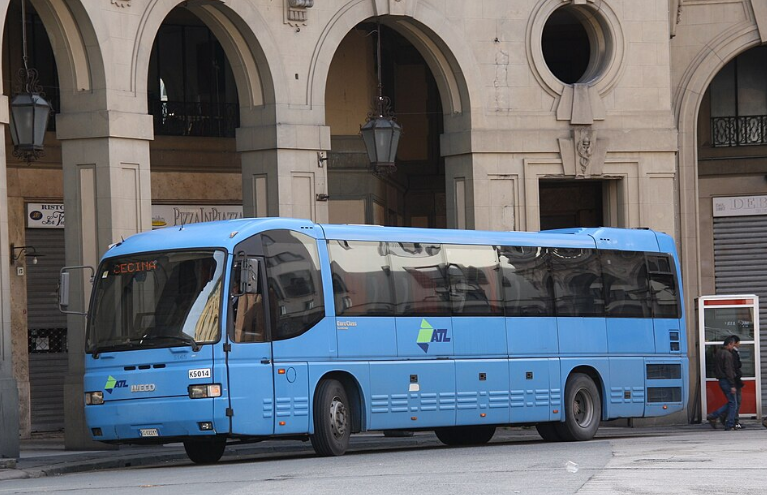
iveco euroclass 1993-2001 Common Problems & Issues
The Iveco EuroClass represents a significant generation of Italian intercity and coach buses, produced first under the Iveco brand from 1993 to 2001, and subsequently as the Irisbus EuroClass NEW from 2002 to 2006. This guide focuses on the earlier, 380 chassis-based Iveco EuroClass models manufactured between 1993 and 2001. Introduced as a successor to the Iveco 370 / Lorraine series, the EuroClass was built on a heavy-duty platform designed for durability and passenger comfort. It came in various lengths and configurations, including the EuroClass Normal with a lower roof and the EuroClass HD with a high roof, offering greater seating and luggage capacity. Powering these coaches were robust diesel engines, such as the Fiat 8460.41S, typically around 7.6 liters and producing between 350 to 380 horsepower. Transmissions were predominantly heavy-duty manual units, often from ZF or similar manufacturers, though automatic options began appearing in later models or the Irisbus iterations. The Iveco 380 chassis provided a solid foundation, shared with other Iveco intercity coaches, ensuring a reliable and capable platform for long-distance travel. While official US recall data is scarce due to its European focus, common issues and maintenance insights are derived from European MOT data, owner forums, and technical documentation. Understanding these common problems, maintenance requirements, and parts costs is crucial for operators, particularly in diverse global markets like Nigeria where specific environmental factors can influence wear and tear. This guide aims to provide a comprehensive overview for owners and potential buyers of the 1993 Iveco EuroClass, 1995 Iveco EuroClass, 1996 Iveco EuroClass, 1997 Iveco EuroClass, 1998 Iveco EuroClass, 1999 Iveco EuroClass, 2000 Iveco EuroClass, and 2001 Iveco EuroClass models.
2
Critical
3
Moderate
0
Minor
Known Issues
Air Suspension / ECAS Failures
ModerateFailures in the Electronic Controlled Air Suspension (ECAS) system are a notable issue for Iveco EuroClass coaches, manifesting as the vehicle leaning unevenly or sitting low on one side. The ECAS warning light on the dashboard often illuminates, indicating a problem with leveling. Symptoms can include a harsh or excessively bouncy ride following a leak or component failure. Common causes include worn air springs (air bags) that develop leaks or rupture over time, faulty level sensors that fail to report the correct vehicle height, or a malfunctioning ECAS Electronic Control Unit (ECU). Corrosion in air lines and valves, exacerbated by humid or dusty operating environments, is also a frequent culprit. Diagnosis involves visual inspection of air bags for damage, scanning the ECAS system for diagnostic trouble codes, and performing pressure tests on the air lines. DIY fixes may include replacing visibly damaged air springs or cleaning corroded fittings, followed by an ECAS reset. Professional repair often involves comprehensive system diagnosis, recalibration, and replacement of sensors, valves, or the ECU if necessary. Repair costs for an air spring bag range from $150-$500 depending on OEM or aftermarket sourcing, with ECAS sensors or valves costing $200-$400 each. Including labor, a typical repair can range from $600 to $1,200. This issue is classified as widespread and can lead to MOT failures or impact ride quality and safety.
Engine Overheating and Coolant System Leaks
CriticalEngine overheating is a critical concern for Iveco EuroClass coaches, signaled by a high temperature gauge reading, warning lights, and potential steam from the front of the vehicle, leading to performance loss. The root causes are often related to the degradation of the cooling system components. Deteriorated radiator hoses are a common failure point, as are leaks from the radiator itself or a failing water pump seal. In dusty or tropical climates, radiators can become clogged with dirt and debris, severely impairing their cooling efficiency. Diagnosing the issue involves a pressure test of the cooling system to identify leaks, followed by a thorough inspection of hoses, the radiator, and the water pump. The thermostat's operation and the coolant's condition should also be checked. Simple DIY fixes include replacing visibly cracked hoses, topping up coolant to the correct level, and cleaning the external radiator fins. More involved repairs, typically handled by professionals, include replacing the radiator, water pump, or thermostat, flushing and refilling the system, or diagnosing internal engine issues like head gasket problems if suspected. Repair costs vary: radiator hoses might cost $20-$80, a radiator $400-$800, and a water pump $200-$400. With labor ($200-$500), a typical coolant system repair can range from $800 to $1,500. This is a widespread, maintenance-related issue that poses a high risk of engine damage if ignored.
Transmission Slip and Gear Engagement Issues
CriticalProblems with the transmission in Iveco EuroClass buses can manifest as slipping out of gear under load, difficulty engaging gears, harsh shifting, or noticeable whining or grinding noises. On manual transmissions, these symptoms often point to worn clutch plates or issues with the clutch linkage. Internal transmission wear, such as worn bearings or gears, can also be the cause. For automated or automatic transmissions, software calibration problems or faulty solenoids are common culprits. Diagnosis involves inspecting the clutch travel and linkage, checking the transmission fluid level and condition, and performing a diagnostic scan for any transmission-related error codes, especially on automated units. While some minor adjustments to the clutch linkage or fluid top-ups might be achievable as DIY fixes, significant issues usually require professional attention. This includes clutch pack replacement, full transmission rebuilds, or replacing solenoids and controllers in automatic gearboxes. The cost for a clutch kit is typically $600-$1,200, while a full transmission rebuild can range from $2,500 to $5,000 or more. Labor adds another $400-$1,000, making major transmission repairs fall between $3,000 and $6,000+. This is a known issue, especially on high-mileage coaches, and significantly impacts drivability and safety.
Electrical System and Lighting Failures
ModerateElectrical system failures, particularly concerning lighting, are frequently reported on Iveco EuroClass coaches. Owners may experience headlights, indicators, or marker lights not functioning, intermittent dashboard warning lights, or recurring blown fuses. These issues often stem from corrosion in electrical connectors, which is common in humid or dusty environments. Aging wiring insulation can lead to ground faults, and bulb sockets on high-use routes are prone to corrosion. Diagnosis typically involves using a multimeter to test circuits, visually inspecting wiring and connectors for damage or corrosion, and performing tests by replacing fuses and relays. Simple DIY fixes include replacing burnt-out bulbs and blown fuses, cleaning corroded connectors with electrical contact cleaner, and ensuring grounding points are secure. More complex problems, such as faults within the wiring harness, ECU, or instrument cluster, usually require professional diagnosis and repair. The cost for basic electrical repairs like replacing bulbs and fuses is minimal ($5-$20), while wiring harness repairs can range from $150 to $400. Overall, these issues are considered medium severity, impacting safety and compliance, and are classified as widespread, often related to environmental factors.
Suspension and Steering Component Wear
ModerateWear and tear on suspension and steering components are common issues for Iveco EuroClass buses, particularly those operating on rough roads or high mileage. Symptoms include knocking or clunking sounds from the suspension, noticeable steering wander, and uneven tire wear. These issues frequently lead to MOT failures in relevant markets. The primary causes are worn ball joints, bushings, and shock absorbers. Corrosion can also affect suspension mounts and subframes, especially in coastal or humid environments. Diagnosis involves a physical inspection for play in joints, checking bushings for deterioration, and assessing shock absorber condition. A thorough inspection of suspension geometry is also performed. While accessible shock absorber replacement might be a DIY task, replacing ball joints, bushings, or control arms, and addressing corrosion on mounts or subframes, typically requires professional expertise. Steering rack service may also be necessary. Estimated repair costs for typical suspension work, including shocks, ball joints, and bushings, range from $500 to $1,200. This is a widespread issue related to wear and environmental corrosion, impacting vehicle stability and safety.
What to Check Before Buying
The Iveco EuroClass, particularly the 380 chassis generation (1993-2001), is recognized as a fundamentally robust and capable heavy-duty coach, built for demanding intercity and coach operations. Its reputation is that of a durable workhorse, especially when equipped with the reliable Fiat 8460.41S or later Iveco Cursor engines. However, its long-term reliability and operational cost are heavily influenced by meticulous maintenance and the specific operating environment. Owners must be acutely aware that this is not a low-maintenance vehicle; it demands consistent attention to prevent costly failures. The air suspension system, or ECAS, is a frequent area of concern. Air springs (air bags) have a finite lifespan and are susceptible to leaks and ruptures, especially in environments with high humidity or abrasive dust. Level sensors and the ECAS ECU can also fail. Regular visual inspections of the air bags for cracks, listening for leaks, and monitoring the vehicle's ride height are essential. Prompt attention to any ECAS warning lights or uneven vehicle stance is crucial to avoid further damage and potential MOT failures. Corroded air lines and valves are also common, necessitating periodic checks and cleaning. The cooling system is another critical area. In hot and dusty climates, radiators can quickly become clogged with debris, severely compromising their ability to dissipate heat. This can lead to engine overheating, which poses a significant risk of severe engine damage, including head gasket failure. Owners should prioritize regular cleaning of the radiator's external fins and consider more frequent coolant flushes and hose inspections than might be typical in milder climates. Water pump seals can also fail, leading to leaks. Transmission issues, especially on high-mileage units, are also a concern. Manual transmissions might suffer from clutch wear or linkage problems, while automated versions can experience software glitches or solenoid failures leading to slip or engagement issues. Regular transmission fluid checks and changes, adhering to the service schedule, are vital. For manual transmissions, monitoring clutch pedal feel can indicate impending wear. Electrical systems, while generally sound, are prone to issues caused by corrosion, particularly in humid or coastal regions. Connectors for lights, sensors, and various modules can corrode, leading to intermittent faults or complete failures. Keeping electrical connections clean, dry, and properly grounded is important. Owners should also be prepared for the possibility of needing to replace components like bulbs, fuses, and relays frequently. Suspension and steering components, such as ball joints, bushings, and shock absorbers, will eventually wear out, especially under heavy use and on poor road surfaces. Symptoms like clunking noises, wandering steering, and uneven tire wear indicate the need for inspection and potential replacement. Corrosion can also affect suspension mounting points and subframes, requiring attention to prevent structural issues. For operators in regions like Nigeria, specific considerations are paramount. The combination of high temperatures, dust, humidity, and often challenging road conditions accelerates wear on many components. Therefore, a proactive and rigorous maintenance schedule is not optional but essential. Frequent underbody washes to remove accumulated dust and salt are highly recommended. Using high-quality, heat-resistant coolant and adhering to shorter coolant change intervals can help prevent overheating. Regular inspection of air suspension and electrical connectors during routine oil changes is a sensible practice. Avoiding prolonged engine idling and ensuring the engine operates within its optimal temperature range are good habits. Using quality fuel and maintaining a strict fuel filter replacement schedule protects vital fuel system components like injectors and the turbocharger. Documenting all maintenance performed is crucial, as a comprehensive service history significantly enhances a bus's resale value and buyer confidence. Neglecting maintenance on these heavy-duty vehicles invariably leads to escalating repair costs and potential breakdowns, impacting operational efficiency and profitability. When considering a used Iveco EuroClass, prioritizing a well-maintained example with a clear service record is the wisest approach to long-term ownership.
Where to Buy Parts
Frequently Asked Questions
How reliable is the 1996 Iveco EuroClass for long-term bus operations?+
The 1996 Iveco EuroClass, built on the 380 chassis with the Fiat 8460.41S engine, is generally considered a robust heavy-duty coach when maintained properly. Its engine and chassis can handle high mileage, but owners often report issues with air suspension, cooling system components, and electrical connectors as the bus ages. In Nigerian or tropical conditions, corrosion and dust-related cooling problems become more pronounced, so regular underbody cleaning, radiator maintenance, and air suspension checks are critical to long-term reliability.
What are the most common problems with the 2000 Iveco EuroClass?+
Common problems on the 2000 Iveco EuroClass include air suspension/ECAS failures (leaking bags, faulty sensors), transmission slip or gear engagement issues, and cooling system leaks (radiator, hoses, water pump). Electrical faults such as lighting failures and sensor errors also occur frequently due to connector corrosion. These issues typically become more apparent after 150,000–200,000 km, especially if maintenance has been irregular.
How often should the air suspension on an Iveco EuroClass be serviced?+
Air suspension systems on Iveco EuroClass coaches should be inspected every oil change (around 10,000–15,000 km) for leaks, worn bags, and sensor function. A more thorough service, including pressure checks and component replacement if needed, is recommended every 60,000–90,000 km. In humid or dusty environments, intervals may need to be shortened, as air bags and ECAS sensors tend to degrade faster under these conditions.
What is the expected lifespan of the engine in an early Iveco EuroClass?+
With regular maintenance (oil changes, fuel filter changes, cooling system care), the Fiat 8460.41S engine in early Iveco EuroClass buses can realistically reach 400,000–600,000 km, and in some cases up to 800,000 km. Lifespan is heavily dependent on operating conditions; buses used in harsh, dusty, or overloaded conditions will see reduced engine life unless maintenance is aggressively performed.
Are parts for the 1995–2001 Iveco EuroClass available in Nigeria?+
Many core mechanical parts (filters, hoses, brake linings, basic suspension components) are available through Nigerian truck/bus parts suppliers and scrapyards, but specialized items like ECAS sensors, specific air bags, and some engine components may require import from Europe or specialized suppliers. Prices in Nigeria are typically 30–60% higher than global aftermarket due to import duties and logistics, so planning for longer lead times and higher costs is advisable.
Also worth reading
iveco euroclass 1993-2001 Spare Parts & Pricing