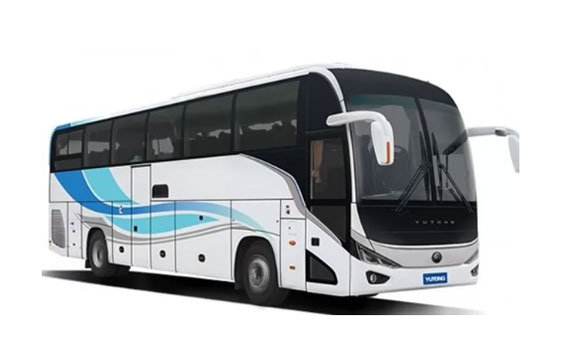
yutong zk 2008-2018 Maintenance Schedule
The Yutong ZK coach series, particularly the early generation models produced between approximately 2008 and 2018, represents a significant segment of the global mid-to-large coach bus market. These vehicles, often marketed internationally under the Yutong brand and domestically as Zhengzhou Yutong, are workhorses designed for medium to long-distance passenger transport. While Yutong does not offer a single monolithic model for this period, this analysis focuses on the common configurations found in export markets, typically featuring diesel engines, manual transmissions, and seating capacities ranging from 45 to 65 passengers within a 10–12 meter length. These early series ZK coaches, including popular variants like the ZK6107, ZK6116, ZK6122, and ZK6938, primarily adhered to Euro 3–Euro 5 emissions standards, with later models from 2014–2018 incorporating Euro 6 compliance based on regional demands. Understanding the specific maintenance needs, common problems, and parts availability for these 2008 Yutong ZK coach, 2010 Yutong ZK coach, 2012 Yutong ZK coach, 2015 Yutong ZK coach, and 2018 Yutong ZK coach variants is crucial for operators aiming to maximize uptime and minimize operational costs. This guide provides a comprehensive overview of Yutong ZK coach parts, maintenance schedules, repair costs, and ownership insights tailored for these robust, yet demanding, vehicles.
Fluids
| Service | Interval | Notes |
|---|---|---|
| Engine Oil and Filter Change Critical | 5,000 km / 6 mo 5,000 km if severe use | Regular replacement of engine oil and filter is vital for lubrication, cooling, and cleaning of the engine. In hot and dusty climates common for Yutong ZK coaches, reducing this interval to 5,000 km is highly recommended to prevent premature engine wear and sludge buildup. Use high-quality heavy-duty diesel oil. |
Filters
| Service | Interval | Notes |
|---|---|---|
| Air Filter Inspection and Cleaning/Replacement Critical | 5,000 km 5,000 km if severe use | The air filter prevents dust and debris from entering the engine. In dusty environments, inspect and clean the primary air filter every 5,000 km. Replace it at 20,000–30,000 km or sooner if it appears heavily soiled to maintain engine performance and fuel efficiency. |
| Fuel Filter Replacement Critical | 20,000 km / 12 mo 20,000 km if severe use | Fuel filters remove contaminants from the diesel fuel before it reaches the injectors. Replacing fuel filters every 20,000–30,000 km or annually prevents fuel system contamination, injector damage, and ensures optimal engine performance. This is crucial for the longevity of diesel engines in Yutong ZK coaches. |
Cooling
| Service | Interval | Notes |
|---|---|---|
| Coolant Level Check and Hose Inspection Critical | 5,000 km / 6 mo 5,000 km if severe use | Regularly check the coolant level in the reservoir and inspect hoses for signs of wear, cracking, or leaks. Maintaining proper coolant levels and system integrity is critical for preventing engine overheating, especially in high-load, high-temperature operating conditions typical for coach buses. |
| Coolant Flush and Replacement | 60,000 km / 24 mo 60,000 km if severe use | Flush the cooling system and replace the coolant every 60,000 km or 2 years. This prevents corrosion within the cooling system, ensures optimal heat transfer, and maintains the effectiveness of the coolant's anti-freeze and anti-corrosion properties, vital for the longevity of the Yutong ZK coach engine. |
Brakes
| Service | Interval | Notes |
|---|---|---|
| Brake Fluid Level Check and System Inspection Critical | 5,000 km / 6 mo 5,000 km if severe use | Inspect brake fluid levels and the overall brake system (pads, discs, calipers) every 5,000 km or 6 months. Ensure brake fluid is clean and at the correct level. Regular checks prevent brake fade and ensure safety, particularly for heavy vehicles like the Yutong ZK coach. |
Drivetrain
| Service | Interval | Notes |
|---|---|---|
| Clutch Free Play Adjustment | 20,000 km / 12 mo 20,000 km if severe use | For Yutong ZK coaches with manual transmissions, checking and adjusting clutch free play every 20,000–30,000 km is important. Incorrect free play can lead to clutch slippage or difficulty engaging gears, causing premature wear on the clutch assembly and potential drivability issues. |
| Transmission Fluid Change | 60,000 km / 24 mo 60,000 km if severe use | Change the transmission fluid for manual or automated manual transmissions (AMT) every 60,000 km or 2 years. Proper lubrication reduces wear on gears and bearings, ensuring smooth shifting and extending the life of the transmission. This is a key maintenance item for Yutong ZK coach. |
| Transmission Internal Inspection | 240,000 km / 96 mo 240,000 km if severe use | Consider an internal inspection of the transmission every 240,000+ km, especially if shifting issues or noises are present. This proactive check can identify wear on gears, synchros, or bearings before a major failure occurs, saving on costly repairs for the Yutong ZK coach drivetrain. |
Suspension
| Service | Interval | Notes |
|---|---|---|
| Suspension System Inspection | 20,000 km / 12 mo 20,000 km if severe use | Inspect air bags, spring mounts, and associated components for wear, leaks, or damage every 20,000–30,000 km. For air suspension systems, checking ride height and looking for leaks is crucial to maintain passenger comfort and prevent uneven load distribution. |
Inspection
| Service | Interval | Notes |
|---|---|---|
| Steering System Inspection | 60,000 km / 24 mo 60,000 km if severe use | Inspect the steering system, including the steering rack, hydraulic pump, and hoses, every 60,000 km. Proper steering function is paramount for safety and maneuverability. Check for leaks, unusual noises, or stiffness in operation. |
| Turbocharger Inspection | 120,000 km / 48 mo 120,000 km if severe use | Inspect the turbocharger for bearing play, oil leaks, or signs of damage every 120,000 km. A functioning turbocharger is critical for engine power and efficiency in diesel coaches like the Yutong ZK. Early detection of issues can prevent catastrophic engine damage. |
| Engine Head Gasket and Injector Check | 240,000 km / 96 mo 240,000 km if severe use | Perform a major engine inspection, including checking the head gasket for leaks or failure and assessing fuel injector condition, every 240,000+ km. These are critical components that, if failing, can lead to severe engine damage and costly repairs for Yutong ZK coaches. |
Electrical
| Service | Interval | Notes |
|---|---|---|
| Electrical Harness and Connector Check | 120,000 km / 48 mo 120,000 km if severe use | Inspect all electrical harnesses and connectors, especially in the engine bay and underbody, for corrosion or damage every 120,000 km. In humid environments, this check is vital to prevent intermittent electrical faults and system failures in Yutong ZK coaches. |
Upkeep Tips
Owning and operating a Yutong ZK coach, particularly the early series models from 2008–2018, requires a proactive approach to maintenance, especially when used in demanding environments like Nigeria or other tropical regions. These vehicles are built for work, but their longevity and reliability are directly tied to how well they are cared for. One of the most critical aspects is adhering to a strict maintenance schedule, often needing adjustments for local conditions. For instance, the recommended engine oil change interval of 10,000 km should be reduced to 5,000 km in hot and dusty climates. This, along with replacing the oil filter concurrently, significantly mitigates engine wear and the risk of overheating or sludge formation. Similarly, the air filter, vital for engine health, should be inspected and cleaned more frequently than the standard interval, with replacement needed sooner if it becomes excessively dirty. The cooling system is another area that demands vigilance. Yutong ZK coaches operating in high temperatures are susceptible to overheating. Regularly checking coolant levels, inspecting hoses for degradation or leaks, and ensuring the water pump and thermostat are functioning correctly are paramount. A coolant flush and replacement every 60,000 km or two years is essential to prevent internal corrosion and maintain optimal heat transfer. The robust diesel engines, such as the Weichai WP10 and WP12 series, are capable of high mileage, but only if the cooling system is well-maintained. Electrical systems on buses, especially those exposed to humidity and moisture, can be prone to corrosion. Regular inspection of wiring harnesses and connectors, applying anti-corrosion spray, and ensuring proper grounding can prevent a myriad of intermittent electrical problems, from dashboard warning lights to complete system failures. For coaches equipped with air suspension, frequent checks of the air bags and mounts are necessary. Leaks, cracks, or corroded mounts can lead to an uneven ride, discomfort for passengers, and potential damage to other suspension components. Installing air dryers or filters can help prevent moisture and dust contamination in the air lines. Brake maintenance is non-negotiable for safety. Regular checks of brake pads, discs, and fluid levels are crucial. If the coach is used in stop-and-go city traffic or hilly terrain, more frequent inspections may be warranted. For manual transmission Yutong ZK coaches, monitoring and adjusting clutch free play is important to prevent clutch slippage and premature wear. Transmission fluid changes, typically every 60,000 km, ensure smooth operation and longevity of the gearbox. When sourcing Yutong ZK coach parts, operators may face challenges with availability, especially for specialized components. It is advisable to identify reliable suppliers, whether local or international, who can provide OEM or high-quality aftermarket parts. Planning for longer lead times for imported parts is also a wise strategy. For Yutong ZK coach models like the ZK6122H9 or ZK6938H, understanding common issues such as emergency exit signage defects (a recall issue in some markets), transmission wear, and cooling system problems allows for preemptive checks and repairs. Keeping a detailed maintenance log is invaluable. It not only helps in tracking service history but also significantly enhances the resale value of the coach. A well-documented maintenance record provides potential buyers with confidence in the vehicle's condition and can command a higher price. Ultimately, the long-term success of operating a Yutong ZK coach relies on a commitment to diligent, preventative maintenance, understanding the specific needs of the vehicle, and adapting service practices to the operating environment.
Add-ons & Upgrades
Heavy-Duty OBD2 Scanner
Essential for diagnosing engine and system faults. Ensure it supports heavy-duty vehicle protocols like J1939, not just passenger car standards.
Shop on AmazonDual-Channel Dash Cam
Records both the road ahead and the interior. Useful for accident evidence, driver monitoring, and security.
Shop on AmazonHeavy-Duty Floor Mats
Protect the bus floor from dirt, water, and wear. Look for durable, cut-to-fit options suitable for coach interiors.
Shop on AmazonBus Seat Covers
Help preserve the original upholstery, making seats easier to clean and protecting them from spills and wear.
Shop on AmazonPortable Tire Inflator
A reliable portable inflator is crucial for maintaining correct tire pressures on large coach tires, ensuring safety and fuel efficiency.
Shop on AmazonDigital Tachograph
Required in many regions for monitoring driver hours and vehicle mileage, crucial for compliance and operational management.
Shop on AmazonWhere to Buy Parts
Frequently Asked Questions
Is the 2010 Yutong ZK coach reliable for long-distance transport?+
The 2010 Yutong ZK coach (early series) is generally reliable for long-distance transport if it has been maintained according to the factory schedule and operated within its rated capacity. Early-series ZK coaches use robust diesel engines (commonly Weichai WP10/WP12) that can achieve 600,000–900,000 km with proper care. However, in hot, dusty, or humid environments, owners should shorten oil change intervals, monitor the cooling system closely, and protect electrical harnesses from corrosion. Without disciplined maintenance, issues such as head gasket failures, transmission wear, and suspension leaks become more likely.
What are the most common problems with a 2012 Yutong ZK coach?+
Common problems on 2012 Yutong ZK coaches include transmission and clutch wear due to high mileage, cooling system leaks and head gasket issues from thermal stress, air suspension leaks or spring mount failures, and electrical harness corrosion in humid climates. A specific known issue for certain ZK models (including ZK6129HCA, ZK6938H, etc.) is the emergency exit signage illumination defect, which was subject to a recall in Australia for 2012–2019 vehicles. Owners should inspect exit signs, brake systems, and cooling components regularly to avoid costly failures.
How often should engine oil be changed on a Yutong ZK coach in Nigeria?+
In Nigeria’s hot and dusty climate, engine oil should be changed every 5,000 km rather than the standard 10,000 km recommended for more moderate conditions. Use high-quality heavy-duty diesel oil (CD/CF/CH-4 class) and replace the oil filter each time. This shorter interval reduces the risk of engine wear, overheating, and sludge buildup, which are common in tropical environments. Coupled with frequent air filter cleaning and coolant checks, this practice significantly extends engine life and reliability.
Are Yutong ZK coach parts easily available in Nigeria?+
Yutong-specific parts are not always readily available in local Nigerian auto markets; many components (especially engine, transmission, and body parts) may need to be imported from China or sourced via specialized bus parts suppliers. Common items like filters, brake pads, and basic electrical components are more likely to be found locally or through truck/bus parts dealers. For critical parts (engine, transmission, ECU), it is advisable to maintain a relationship with a supplier who can import Yutong OEM or compatible aftermarket parts, and to plan for longer lead times.
What is the expected lifespan of a Yutong ZK coach with proper maintenance?+
With disciplined maintenance and reasonable operating conditions, a Yutong ZK coach can realistically achieve 600,000–900,000 km on the engine and 400,000–600,000 km on the transmission before major overhaul or replacement is needed. Suspension, brakes, and electrical systems will require periodic repairs and component replacements over this period. In tropical climates, lifespan may be reduced if maintenance intervals are not shortened and if cooling/electrical systems are not adequately protected. Overall, the bus can remain economically viable for 10–15 years if major components are maintained or replaced as needed.