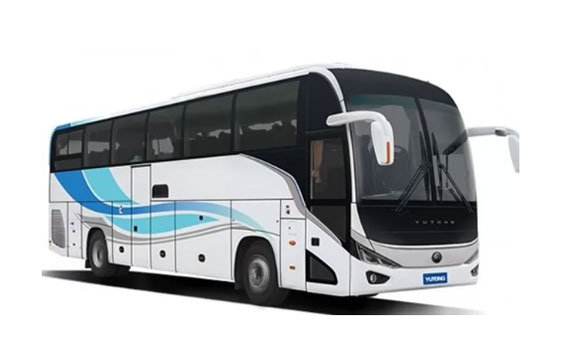
yutong zk 2008-2018 Common Problems & Issues
The Yutong ZK coach series, produced by Zhengzhou Yutong Bus Co., Ltd., represents a line of mid-to-large diesel interurban and highway coaches primarily aimed at export markets. The "early series" designation typically refers to the first generation of these ZK models, introduced around 2008 and continuing with successive updates through 2018. These coaches are not derived from passenger car platforms but are purpose-built for medium to long-distance passenger transport. They commonly feature diesel engines from suppliers like Weichai (WP10/WP12 series) or Yuchai, adhering to Euro 3 to Euro 5 emission standards in earlier models, with Euro 6 becoming more prevalent in later 2014-2018 units depending on market demand. Manual gearboxes were the predominant transmission type in the early series, though some later units might feature automated manual transmissions (AMT). Configurations vary significantly by length (7.2m to 12.3m) and seating capacity (41 to 68 seats), with suspension systems evolving from spring/spring or spring/air to more common air/air setups in later models. These buses compete with other Chinese brands such as BYD and Foton, as well as budget European and Asian alternatives, positioning themselves as cost-effective solutions for public and private transportation operators globally. Data on common issues primarily comes from manufacturer maintenance guides, export recall notices, and operator forums, as mainstream automotive databases often lack coverage for these specialized commercial vehicles.
2
Critical
2
Moderate
0
Minor
Known Issues
Emergency Exit Signage Illumination
MinorA safety-critical issue identified in Australian recalls for various Yutong ZK models between 2012 and 2019, including ZK6129HCA, ZK6131HG1, ZK6760DAA, ZK6938H, and ZK6930H. Symptoms include emergency exit signs that are dim, improperly illuminated, or fail to meet lighting standards. The root cause is often a manufacturing defect in the wiring or the LED modules used in the signage assembly. Diagnosis involves a visual inspection under varying light conditions and comparison against regulatory requirements. While minor wiring fixes might be attempted, replacement of the entire signage assembly and its associated wiring by a qualified technician is the recommended professional repair. This issue poses a medium to high safety risk in emergency situations. The estimated repair cost for replacing the signage and wiring ranges from $200 to $600 USD (approximately ₦320,000 to ₦960,000).
Transmission and Clutch Wear
CriticalHeavy-duty manual gearboxes and associated clutches in Yutong ZK coaches are prone to wear, especially in high-mileage vehicles (150,000–400,000 km) subjected to frequent stop-start operations or aggressive driving. Symptoms manifest as hard shifting, particularly into first and second gears, gear slip under load, or a vibrating or slipping clutch pedal. Causes include lack of timely service, worn clutch plates, insufficient lubrication, or aggressive operation. Basic DIY fixes might involve adjusting clutch pedal free play or changing transmission fluid. However, significant wear necessitates professional repairs such as clutch assembly replacement, which can cost $1,200–$2,500 USD (₦1.92M–₦4.0M), or more extensive transmission internal repairs or replacement, estimated at $3,000–$6,000 USD (₦4.8M–₦9.6M). This problem is classified as widespread in operator fleets and is of high severity due to potential loss of drivability.
Air Suspension and Spring Mount Failures
ModerateCoaches equipped with air suspension systems, particularly those operating in dusty and hot environments, can experience failures in air bags, mounts, and lines. Symptoms include the bus sagging on one side, an uneven ride height, air leaks, or a generally harsh ride. Contributing factors are wear and tear on air bags, corrosion or breakage of spring mounts, and contamination of air lines with dust and moisture. Diagnosis involves visual inspection, air pressure leak tests, and checking ride height. While minor repairs like replacing air lines might be feasible for DIY, professional repair typically involves replacing air bags ($400–$900 USD per side, ₦640,000–₦1.44M) or spring mounts ($600–$1,200 USD per side, ₦960,000–₦1.92M), followed by suspension realignment. This is a widespread issue affecting comfort and load distribution.
Cooling System Leaks and Head Gasket Issues
CriticalDiesel engines in Yutong ZK coaches operating under high load, especially in hot climates, are susceptible to cooling system stresses. Common symptoms include overheating, visible coolant leaks from radiators or hoses, low coolant levels, and signs of internal engine damage like white exhaust smoke or oil contamination in the coolant. Causes range from degraded hoses and radiator leaks to water pump failure and, more critically, head gasket wear due to repeated thermal cycling. Diagnosis involves pressure testing the cooling system and inspecting for leaks or fluid mixing. While replacing hoses or radiator caps can be a DIY task, significant issues like radiator replacement ($800–$1,800 USD, ₦1.28M–₦2.88M) or head gasket replacement ($1,500–$3,500 USD, ₦2.4M–₦5.6M) require professional attention. This is a high-severity issue due to the risk of severe engine damage.
Electrical System Corrosion
ModerateIn humid and tropical environments, such as Nigeria, electrical system corrosion is a frequent problem for Yutong ZK coaches. Symptoms are varied and can include random instrument panel failures, intermittent lighting or warning lights, and issues with starter motor or ECU communication. The primary cause is moisture ingress into wiring harnesses and connectors, leading to corrosion, particularly in the engine bay and undercarriage. Poor grounding can also contribute. Diagnosis involves inspecting connectors for signs of corrosion, checking electrical readings, and using diagnostic tools to read ECU error codes. DIY fixes may include cleaning connectors and applying anti-corrosion spray or replacing individual wires. More severe cases requiring sections of the wiring harness to be replaced can cost $600–$1,500 USD (₦960,000–₦2.4M). This issue is classified as widespread in tropical regions and has medium severity.
What to Check Before Buying
Owning and operating a Yutong ZK coach, particularly the early series models from 2008 to 2018, requires a proactive approach to maintenance and a clear understanding of potential issues, especially in challenging operating environments like those found in many export markets. These buses are designed for durability and cost-effectiveness in medium-to-long distance transport, but their reliability hinges heavily on diligent upkeep. Regular maintenance is not just recommended; it's essential for preventing costly breakdowns and ensuring longevity. For the Yutong ZK6122H9 and Yutong ZK6938H models, adhering to a strict service schedule is paramount. This includes frequent engine oil and filter changes, ideally at 5,000 km intervals in hot and dusty climates, rather than the standard 10,000 km. Use high-quality heavy-duty diesel engine oil and always replace the oil filter concurrently. The air filter also requires more frequent attention; cleaning or replacement should be done more often than in less demanding conditions to prevent dust ingress into the engine. Cooling system maintenance is critical; in high-heat regions, ensure the coolant is always at the correct level and concentration, and regularly inspect hoses for degradation. Water pump and thermostat failures can lead to severe engine damage, so proactive replacement based on mileage or age is wise. Transmission and clutch issues are common, especially on manual gearboxes. Symptoms like hard shifting or clutch slip indicate the need for inspection. Regular checks of clutch free play and transmission fluid condition are advised. If clutch replacement is needed, expect costs around $1,200–$2,500 USD. For transmission repairs, costs can escalate significantly, potentially reaching $3,000–$6,000 USD or more. Air suspension systems, common on many ZK variants, require regular checks for leaks and wear on air bags and mounts. In dusty areas, protecting air lines with filters or dryers can prevent contamination. Suspension repairs, especially for air bags or mounts, can range from $400 to $1,200 USD per side. Electrical systems are vulnerable to corrosion in humid environments. Inspecting connectors and applying protective sprays can mitigate issues like intermittent faults or communication errors. If wiring harnesses need replacement, it can be a substantial expense, from $600 to $1,500 USD. A known recall issue pertains to emergency exit signage illumination; ensure this is checked and compliant for safety. Parts availability can be a challenge; while common consumables like filters and brake pads might be sourced locally or from aftermarket suppliers, specialized components like engine parts, ECUs, or body panels may require importation from China, leading to longer lead times and potentially higher costs. Operators should establish relationships with reliable parts suppliers. The lifespan of major components like the engine (Weichai WP10/WP12) can reach 600,000–900,000 km with meticulous maintenance, and transmissions can last 400,000–600,000 km. However, these figures are highly dependent on adherence to maintenance schedules and operating conditions. Long-term ownership also means budgeting for periodic major overhauls, such as engine or transmission rebuilds, which are significant investments. Documenting all maintenance and repairs is crucial, as it significantly impacts the resale value of the coach. A well-maintained Yutong ZK coach, even an older model like a 2010 Yutong ZK coach, will command a better price and offer greater reliability than one with a neglected history. For diagnostic support, tools like AI Mechanic can help identify issues by symptoms, and VIN checkers are invaluable for verifying vehicle specifications before purchasing parts or a used coach. Comparing different bus models, such as the Yutong ZK coach against competitors like BYD or Foton, can also provide context for expected costs and performance.
Where to Buy Parts
Frequently Asked Questions
Is the 2010 Yutong ZK coach reliable for long-distance transport?+
The 2010 Yutong ZK coach (early series) is generally reliable for long-distance transport if it has been maintained according to the factory schedule and operated within its rated capacity. Early-series ZK coaches use robust diesel engines (commonly Weichai WP10/WP12) that can achieve 600,000–900,000 km with proper care. However, in hot, dusty, or humid environments, owners should shorten oil change intervals, monitor the cooling system closely, and protect electrical harnesses from corrosion. Without disciplined maintenance, issues such as head gasket failures, transmission wear, and suspension leaks become more likely.
What are the most common problems with a 2012 Yutong ZK coach?+
Common problems on 2012 Yutong ZK coaches include transmission and clutch wear due to high mileage, cooling system leaks and head gasket issues from thermal stress, air suspension leaks or spring mount failures, and electrical harness corrosion in humid climates. A specific known issue for certain ZK models (including ZK6129HCA, ZK6938H, etc.) is the emergency exit signage illumination defect, which was subject to a recall in Australia for 2012–2019 vehicles. Owners should inspect exit signs, brake systems, and cooling components regularly to avoid costly failures.
How often should engine oil be changed on a Yutong ZK coach in Nigeria?+
In Nigeria’s hot and dusty climate, engine oil should be changed every 5,000 km rather than the standard 10,000 km recommended for more moderate conditions. Use high-quality heavy-duty diesel oil (CD/CF/CH-4 class) and replace the oil filter each time. This shorter interval reduces the risk of engine wear, overheating, and sludge buildup, which are common in tropical environments. Coupled with frequent air filter cleaning and coolant checks, this practice significantly extends engine life and reliability.
Are Yutong ZK coach parts easily available in Nigeria?+
Yutong-specific parts are not always readily available in local Nigerian auto markets; many components (especially engine, transmission, and body parts) may need to be imported from China or sourced via specialized bus parts suppliers. Common items like filters, brake pads, and basic electrical components are more likely to be found locally or through truck/bus parts dealers. For critical parts (engine, transmission, ECU), it is advisable to maintain a relationship with a supplier who can import Yutong OEM or compatible aftermarket parts, and to plan for longer lead times.
What is the expected lifespan of a Yutong ZK coach with proper maintenance?+
With disciplined maintenance and reasonable operating conditions, a Yutong ZK coach can realistically achieve 600,000–900,000 km on the engine and 400,000–600,000 km on the transmission before major overhaul or replacement is needed. Suspension, brakes, and electrical systems will require periodic repairs and component replacements over this period. In tropical climates, lifespan may be reduced if maintenance intervals are not shortened and if cooling/electrical systems are not adequately protected. Overall, the bus can remain economically viable for 10–15 years if major components are maintained or replaced as needed.