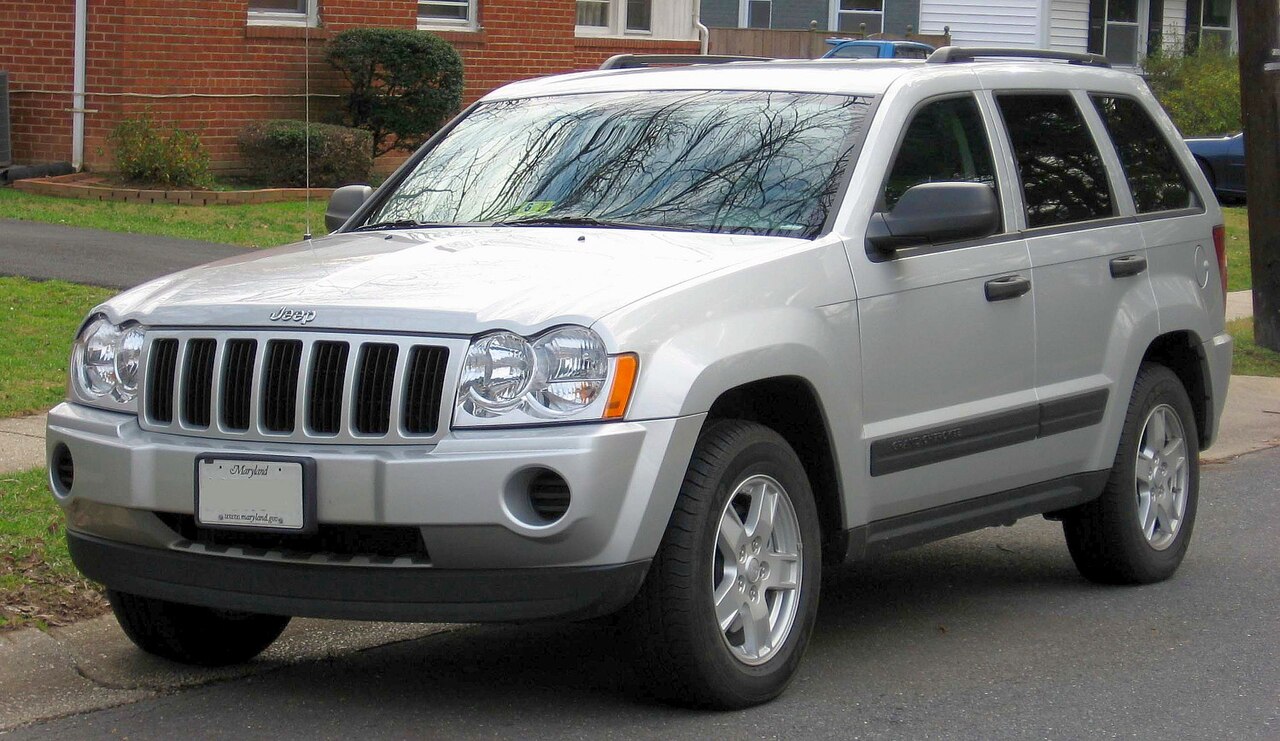
jeep grand 2005-2010 Maintenance Schedule
The Jeep Grand Cherokee WK generation, produced from the 2005 model year through 2010, represents a significant chapter in the Grand Cherokee's evolution. This robust SUV, known for its blend of off-road capability and on-road comfort, offered a diverse range of powertrains to suit various needs and markets. Engine options for the Jeep Grand Cherokee 2005 included the capable 3.7L V6, the more potent 4.7L V8, and the powerful 5.7L HEMI V8. As the years progressed, the lineup expanded to include the high-performance 6.1L SRT8 V8 from the Jeep Grand Cherokee 2006 through the Jeep Grand Cherokee 2010, and for some export markets, the efficient 3.0L Mercedes OM642 diesel. Owners of the Jeep Grand Cherokee 2007 appreciated its independent front suspension, which contributed to a smoother ride compared to previous generations, while key 4x4 systems like Quadra-Trac II and Quadra-Drive II ensured its legendary off-road prowess. This generation of Grand Cherokee shares its architecture and many components with the Jeep Commander (XK), which can be useful for parts sourcing and understanding commonalities. However, despite its strengths, the WK generation is also known for certain common problems. Owners often report electrical no-start issues, especially in the Jeep Grand Cherokee 2008, along with HVAC/heat failures and persistent airbag/SRS warnings. Engine cooling/overheating or gauge-related issues are also frequently cited, highlighting the importance of diligent cooling system health. Miscellaneous drivetrain/brake complaints, such as rotor warpage or worn control arm bushings, are also part of the ownership experience. For instance, the Jeep Grand Cherokee 2009 saw some revisions, particularly for the 5.7L HEMI V8, but the underlying common issues persisted across the model years. The Jeep Grand Cherokee 2010, in particular, showed a concentration of reports related to electrical and engine categories, accumulating thousands of NHTSA complaints throughout its production run. These issues often stem from complex electrical systems, including TIPM-related faults, ignition switch problems, or parasitic draw, which can lead to frustrating intermittent crank or dead accessory behavior. HVAC problems frequently involve the blend door actuator or heater core restriction, while SRS faults often trace back to the occupant restraint sensor or clock spring. Understanding these patterns is crucial for any owner or prospective buyer looking to maintain a 2005-2010 Jeep Grand Cherokee effectively.
Fluids
| Service | Interval | Notes |
|---|---|---|
| Engine Oil & Filter Change Critical | 5,000 km / 6 mo 5,000 km if severe use | Regular engine oil and filter changes are critical for engine longevity. Depending on your driving conditions and oil type, aim for every 5,000-12,000 km or 6-12 months. Neglecting this can lead to accelerated wear, sludge buildup, and potential lifter/cam damage. Listen for ticking noises or observe dark, burnt oil as warning signs. Cost: $45-110 / ₦67,500-165,000. |
Drivetrain
| Service | Interval | Notes |
|---|---|---|
| Transmission Fluid Service Critical | 48,000 km 30,000 km if severe use | Transmission fluid service, including a filter change, is recommended every 48,000-96,000 km, or sooner if towing or off-roading. Delayed service can cause harsh shifts, clutch wear, and heat damage. Warning signs include shuddering, delayed engagement, or a burnt fluid smell. Cost: $155-430 / ₦232,500-645,000. |
| Differential & Transfer Case Fluid Service Critical | 48,000 km 30,000 km if severe use | For models with 4x4 systems like Quadra-Trac II or Quadra-Drive II, differential and transfer case fluids should be serviced every 48,000-96,000 km, especially with towing or off-road use. This prevents premature wear, noise (like whining or chatter), and potential limited-slip differential damage. Cost: $60-180 / ₦90,000-270,000. |
Engine
| Service | Interval | Notes |
|---|---|---|
| Spark Plug Replacement | 96,000 km | Spark plugs typically need replacement every 96,000-160,000 km, depending on the engine type (V6 vs. V8). Worn spark plugs can lead to engine misfires, a rough idle, reduced fuel economy, and stress on ignition coils. A check engine light (CEL) or poor acceleration are common indicators. Cost: $105-320 / ₦157,500-480,000. |
Cooling
| Service | Interval | Notes |
|---|---|---|
| Coolant Flush & Thermostat Inspection Critical | 160,000 km / 60 mo | A coolant flush and thermostat inspection should be performed approximately every 5 years or 160,000 km, more frequently in harsh climates. Neglecting the cooling system can lead to engine overheating, heater failure, and premature wear of the water pump and radiator. Watch for temperature swings or low cabin heat. Cost: $70-220 / ₦105,000-330,000. |
| Coolant Level Check Critical | 5,000 km / 6 mo | Regularly checking the coolant level is a simple but vital task. Low coolant levels can quickly lead to engine cooling/overheating issues, especially in the WK Grand Cherokee. Top up with the correct coolant type as needed and inspect for any visible leaks. This should be done at every oil change. Cost: $5-20 / ₦7,500-30,000 (for fluid top-up if needed). |
Brakes
| Service | Interval | Notes |
|---|---|---|
| Brake Fluid Flush Critical | 24 mo | Brake fluid should be flushed and replaced approximately every two years. Brake fluid absorbs moisture over time, which can lead to corrosion in the brake lines and a spongy pedal feel. This service helps maintain optimal braking performance and system integrity. Cost: $50-120 / ₦75,000-180,000. |
Belts
| Service | Interval | Notes |
|---|---|---|
| Serpentine Belt & Tensioner Inspection/Replacement Critical | 96,000 km | The serpentine belt and its tensioner should be inspected at every service and typically replaced around 96,000-160,000 km. A failing belt can lead to loss of power steering, alternator charging, and engine cooling, resulting in overheating. Listen for chirping or look for cracks and fraying. Cost: $80-250 / ₦120,000-375,000. |
Tyres
| Service | Interval | Notes |
|---|---|---|
| Tire Rotation & Brake Inspection | 5,000 km | Regular tire rotation helps ensure even wear and extends tire life. This service should be combined with a thorough brake inspection to check pad and rotor condition, especially given common brake/steering wear complaints. This is often recommended every 5,000-7,500 km. Cost: $20-60 / ₦30,000-90,000 (labor for rotation and inspection). |
Suspension
| Service | Interval | Notes |
|---|---|---|
| Full Suspension & Steering Inspection | 96,000 km | A comprehensive inspection of the suspension and steering components is vital around 96,000 km. This includes checking control arm bushings, tie rods, wheel bearings, and struts. Early detection of wear can prevent tire wear and steering shake, which are common issues reported by owners. Cost: $180-450 / ₦270,000-675,000 (labor for inspection/minor adjustments). |
Electrical
| Service | Interval | Notes |
|---|---|---|
| Battery & Charging System Test Critical | 24 mo | Given the WK's sensitivity to electrical issues, a battery and charging system test should be part of routine maintenance every two years. This helps identify potential electrical drain or alternator problems before they lead to a random no-start condition. Maintaining voltage quality is crucial for module stability. Cost: $20-60 / ₦30,000-90,000 (labor for test). |
Filters
| Service | Interval | Notes |
|---|---|---|
| Air Filter & Cabin Filter Replacement | 20,000 km / 12 mo | Replacing the engine air filter and cabin air filter annually or every 20,000 km ensures optimal engine performance and cabin air quality. A clogged air filter can reduce fuel economy and engine power, while a dirty cabin filter can impair HVAC system efficiency and air circulation. Cost: $20-60 / ₦30,000-90,000 (parts only for both). |
Upkeep Tips
Owning a 2005-2010 Jeep Grand Cherokee, whether it's the Jeep Grand Cherokee 2005, Jeep Grand Cherokee 2006, Jeep Grand Cherokee 2007, Jeep Grand Cherokee 2008, Jeep Grand Cherokee 2009, or Jeep Grand Cherokee 2010, can be a rewarding experience if you prioritize proactive maintenance. This WK-generation SUV is known for its capability but also for certain sensitivities that, if neglected, can lead to high-cost repairs.
One of the most critical areas to monitor is the cooling system health. WK Grand Cherokees are particularly sensitive to heat management, and neglecting fluids and cooling-system health drives a disproportionate share of expensive failures. Ensure coolant flushes are performed ahead of schedule, especially if you live in a hot climate or frequently encounter stop-go traffic. Always use the correct coolant type to prevent internal corrosion and maintain system efficiency.
Another major area of concern is electrical faults. Do not ignore intermittent electrical faults; minor module or ground issues often escalate into frustrating random no-start problems that can leave you stranded. Issues like a parasitic draw can silently drain your battery. Regular battery maintenance, including cleaning terminals and testing the charging system and alternator, is crucial. The stability of the vehicle's modules is highly sensitive to voltage quality, so a healthy electrical system is paramount.
Front-end wear is also a common complaint. Refresh worn front suspension bushings/control arms early to prevent premature tire wear and persistent steering shake or vibration. Components like tie rods and hub bearings should also be inspected regularly. Addressing these issues proactively will save you money on tires and improve the overall driving experience.
Expected component lifespans provide a good benchmark for planning. With good cooling and oil discipline, the engine can last 150,000-250,000+ miles. However, neglected examples can fail much earlier. The transmission, if serviced regularly, can achieve 120,000-200,000 miles, but overheating or ignored fluid changes drastically reduce this. Suspension components like control arms and bushings often need attention around 60,000-100,000 miles. Batteries typically last 3-5 years in hot climates or with heavy stop-go use. Electronics are highly variable, with voltage health and water intrusion being major predictors of their longevity.
When considering long-term ownership, remember that complete service history materially improves perceived reliability and resale value. Buyers are aware that these vehicles punish deferred maintenance. For owners in regions like Nigeria, the combination of heat, dust, and stop-go traffic makes the WK’s electrical and cooling weaknesses even more visible, emphasizing the importance of a thorough pre-purchase inspection and a budget for routine maintenance. Frequently replaced parts include batteries, alternators, brake pads/rotors, spark plugs, control arms, and various sensors. Being prepared for these common wear items will help ensure a smoother ownership journey.
Add-ons & Upgrades
All-Weather Floor Mats
These mats protect your carpets from mud, rain, and sand, preserving your vehicle's interior. Look for options specifically designed for the WK Grand Cherokee for the best fit.
Shop on AmazonSeat Covers
Protect your vehicle's worn leather or cloth seats, or simply update their look. Both universal and semi-custom options are available for the Jeep Grand Cherokee.
Shop on AmazonDash Cam
A dash cam provides valuable evidence in case of an accident and adds a layer of security. Many universal models are suitable for the Grand Cherokee, offering front and rear recording options.
Shop on AmazonOBD2 Scanner
An OBD2 scanner is essential for reading diagnostic trouble codes and monitoring sensors, especially useful for diagnosing electrical no-start issues. Universal scanners are compatible with all 2005-2010 Jeep Grand Cherokee models.
Shop on AmazonCargo Organizer
Keep your cargo area tidy and secure with a practical organizer. Universal cargo organizers fit well in the SUV layout of the Grand Cherokee.
Shop on AmazonSunshade
A sunshade helps reduce interior temperatures and protect the dashboard from UV damage, particularly beneficial in hot climates. Prefer vehicle-specific dimensions for the best coverage.
Shop on AmazonWhere to Buy Parts
Frequently Asked Questions
Is the 2005 Jeep Grand Cherokee WK reliable?+
The 2005 Jeep Grand Cherokee WK can be reliable with careful maintenance, but it's not a 'set and forget' vehicle. Owners of the Jeep Grand Cherokee 2005 often face electrical issues, cooling-system wear, and front suspension repairs. A comprehensive service history is crucial, as a well-documented example will likely be much more reliable than one that has been neglected, even if they appear similar. Consistent maintenance helps mitigate common problems.
Why does the 2007 Jeep Grand Cherokee WK randomly not start?+
Intermittent no-start behavior in the Jeep Grand Cherokee 2007 typically points to complex electrical or control issues. Common culprits include battery health, poor ground connections, faulty relay circuits, issues with the starter feed, or module-related faults like those involving the TIPM. Since the problem can be sporadic, a thorough diagnostic scan and parasitic-draw test are usually more effective than blindly replacing parts to identify the root cause of the electrical no-start issues.
What should I inspect on a 2010 Jeep Grand Cherokee before buying?+
Before purchasing a Jeep Grand Cherokee 2010, thoroughly check for any electrical warning lights, test the HVAC function (heating and cooling), assess the charging system's health, look for cooling-system leaks, and inspect brake condition and front suspension play. The 2010 model year shows notable complaint clustering in electrical and engine categories. A pre-purchase diagnostic scan, a comprehensive road test, and an under-hood inspection focusing on heat management and coolant health are essential to uncover potential issues.
How much does routine maintenance cost on the WK?+
Routine maintenance for the WK Grand Cherokee is generally moderate if performed on schedule. Services like engine oil changes, filter replacements, brake fluid flushes, and basic wear items are typically affordable. However, costs can escalate quickly if major systems like the transmission, cooling system, or electrical system are neglected. Proactive, regular servicing is significantly more cost-effective than addressing a major no-start or HVAC repair after a component fails.
Is the WK a good choice for global markets, specifically regions with challenging climates?+
The WK Grand Cherokee can be a good choice globally, including regions with challenging climates, provided the buyer prioritizes careful inspection and budget discipline for maintenance. Factors like high heat, dust, and stop-go traffic can exacerbate the WK's known electrical and cooling weaknesses. A strong service history and access to a mechanic familiar with Jeep electrical and cooling diagnosis are major advantages for ensuring long-term reliability and managing ownership costs effectively.