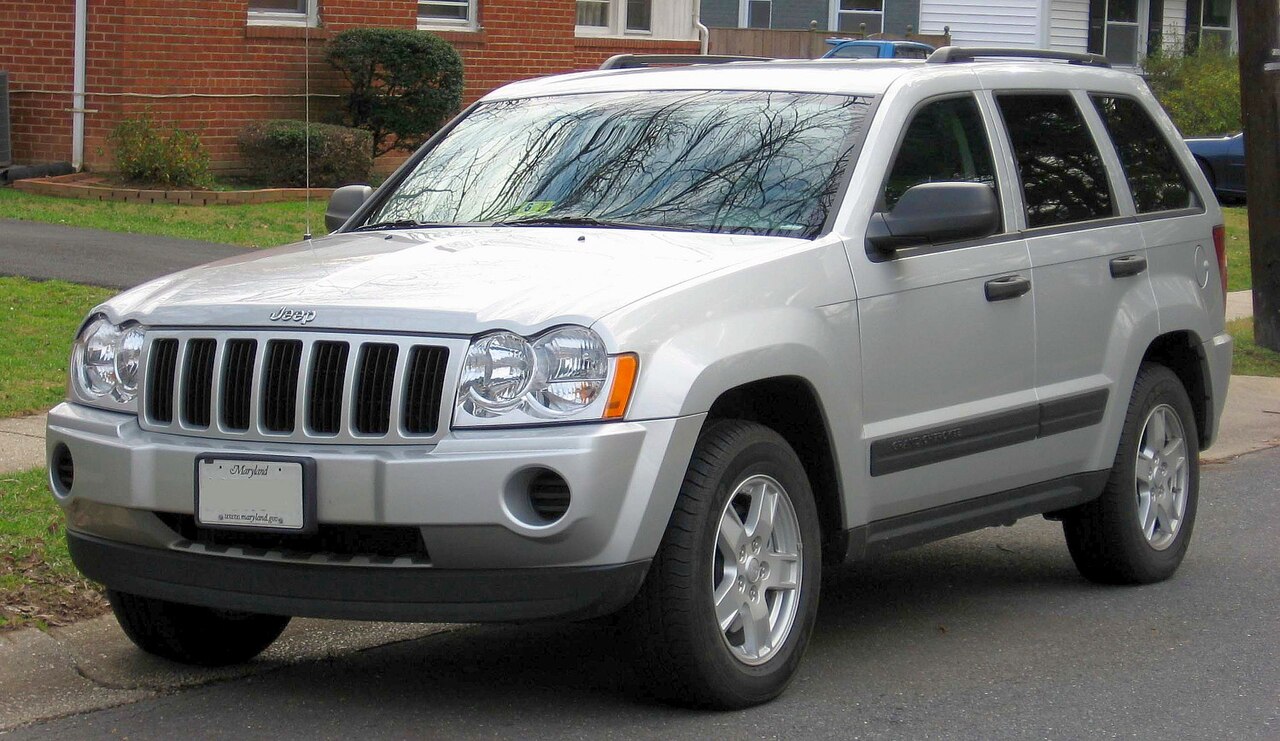
jeep grand 2005-2010 Spare Parts & Pricing
The third-generation Jeep Grand Cherokee, known by its platform code WK, represents a significant chapter in the SUV's history, offering a blend of rugged capability and on-road comfort. Launched for the 2005 model year, this popular vehicle continued its production run through the 2010 model year in most global markets. Owners of the Jeep Grand Cherokee 2005, Jeep Grand Cherokee 2006, Jeep Grand Cherokee 2007, Jeep Grand Cherokee 2008, Jeep Grand Cherokee 2009, and Jeep Grand Cherokee 2010 models will find this guide invaluable for understanding common issues, maintenance, and parts sourcing. Under the hood, the WK Grand Cherokee offered a diverse range of powertrains. Entry-level models, often the Laredo and Laredo X trims, were equipped with the reliable 3.7L V6 engine. For those seeking more power and torque, the 4.7L V8 was a popular mid-level option in the earlier years. The performance-oriented 5.7L HEMI V8 provided substantial output for towing and spirited driving, receiving revisions around the 2009 model year. Enthusiasts could opt for the high-performance 6.1L SRT8 V8, which served as the flagship engine from 2006 through 2010. Additionally, specific export markets benefited from the efficient 3.0L Mercedes OM642 diesel, known for its strong torque delivery. The Jeep Grand Cherokee WK featured a robust front-engined SUV layout, incorporating an independent front suspension for improved ride quality and handling. Depending on the trim level and market, it was available in either an all-wheel-drive or rear-wheel-drive configuration. Key four-wheel-drive systems, such as Quadra-Trac II and Quadra-Drive II, provided advanced off-road capability that Grand Cherokee owners expected. Many components and architectural elements were shared with its sibling, the Jeep Commander (XK), which can be advantageous for cross-referencing parts and understanding shared common problems. This comprehensive guide aims to help owners of any Jeep Grand Cherokee from 2005 to 2010 navigate the complexities of maintenance and repair, ensuring their vehicle remains a dependable companion.
Engine
| Part | Price Range | Availability | Interval |
|---|---|---|---|
| Spark plugs set Replacement interval depends on engine type and usage. Essential for engine performance and fuel economy, often replaced during a major service. Widely available for all Jeep Grand Cherokee WK models. | $25 – $70 | Widely available aftermarket | 60,000–100,000 miles (96,000–160,000 km) |
| Ignition coil pack Commonly replaced when experiencing engine misfires or rough idle. Often stressed by old spark plugs. A critical component in addressing random no-start issues or poor engine performance. | $30 – $110 | Good aftermarket support | As needed (diagnosed by misfire) |
Cooling
| Part | Price Range | Availability | Interval |
|---|---|---|---|
| Thermostat Crucial for regulating engine temperature and proper heater function. A failing thermostat can contribute to engine cooling/overheating or no heat/blows cold air symptoms. Replace with coolant flush. | $12 – $35 | Readily available aftermarket | About every 5 years or 100,000 miles (160,000 km) |
| Radiator A key component of the cooling system. Neglecting cooling-system health can lead to radiator failure. Replacements are common, especially in hotter climates where engine cooling is critical for the Jeep Grand Cherokee. | $110 – $260 | Strong aftermarket presence | As needed (leaks or restriction) |
| Water pump Circulates coolant through the engine. Failure can lead to rapid overheating and severe engine damage. Part of comprehensive cooling-system maintenance, critical for the Jeep Grand Cherokee's longevity. | $35 – $120 | Good aftermarket support | As needed (leaks, noise) |
Brakes
| Part | Price Range | Availability | Interval |
|---|---|---|---|
| Front brake pads Essential wear items for safety. Often replaced as part of a brake job along with rotors. Strong aftermarket availability for the 2005-2010 Jeep Grand Cherokee WK models. | $20 – $60 | Extremely common aftermarket | Varies (30,000–60,000 miles or by wear) |
| Front rotors Prone to rotor warpage, causing brake/steering wear or vibration. Typically replaced in pairs during a brake job. Good selection of aftermarket options for Jeep Grand Cherokee WK. | $60 – $180 | Extremely common aftermarket | Varies (with pads or when warped) |
Steering
| Part | Price Range | Availability | Interval |
|---|---|---|---|
| Outer tie rod Contributes to steering precision. Worn tie rods can cause loose steering feel and require replacement, often alongside an alignment. Important for addressing brake/steering wear or vibration issues. | $18 – $55 | Widely available aftermarket | As needed (inspection-based) |
Suspension
| Part | Price Range | Availability | Interval |
|---|---|---|---|
| Front lower control arm Worn control arm bushings are a common issue for the WK, leading to poor handling and tire wear. Refreshing these components early is recommended to prevent further problems. | $60 – $180 | Good aftermarket support | Around 60,000–100,000 miles (96,000–160,000 km) |
| Strut assembly Contributes to ride comfort and handling stability. Replacement can significantly improve the driving experience, especially when combined with other front suspension refresh items. Available for all WK years. | $90 – $280 | Widely available aftermarket | As needed (often 60,000–100,000 miles) |
Electrical
| Part | Price Range | Availability | Interval |
|---|---|---|---|
| Battery A frequent replacement item, especially in hot climates. Poor battery health can contribute to electrical no-start issues and multiple module faults in the Jeep Grand Cherokee WK. | $80 – $180 | Universally available | 3–5 years (sooner in hot climates) |
| Alternator Generates power for the vehicle's electrical system. A failing alternator can lead to battery drain and random warnings. Critical for stable module operation and preventing electrical drain/multiple module faults. | $120 – $300 | Good aftermarket support | As needed (charging system failure) |
Sensors
| Part | Price Range | Availability | Interval |
|---|---|---|---|
| Crankshaft position sensor A common cause of intermittent no-start or stalling issues. Relatively inexpensive but critical for engine operation. Diagnosis is key as symptoms can overlap with other electrical problems. | $20 – $60 | Common aftermarket availability | As needed (engine no-start or misfire) |
Fuel system
| Part | Price Range | Availability | Interval |
|---|---|---|---|
| Fuel pump module Delivers fuel to the engine. Failure can cause no-start conditions or poor engine performance. Replacement often involves accessing the fuel tank, so labor costs can be significant. | $120 – $350 | Good aftermarket support | As needed (fuel delivery issues) |
Transmission
| Part | Price Range | Availability | Interval |
|---|---|---|---|
| Transmission filter/service kit Essential for transmission longevity. Neglecting transmission service can lead to harsh shifts and premature wear. A critical part of routine maintenance for the Jeep Grand Cherokee WK. | $35 – $110 | Widely available aftermarket | 30,000–60,000 miles (48,000–96,000 km) |
Body
| Part | Price Range | Availability | Interval |
|---|---|---|---|
| Headlight assembly Replaced due to impact damage, excessive hazing, or failed internal components. Aftermarket units offer a cost-effective alternative to OEM for restoring visibility and appearance. | $60 – $220 | Common aftermarket availability | As needed (damage, hazing) |
Service
| Part | Price Range | Availability | Interval |
|---|---|---|---|
| Oil filter + air filter + cabin filter set Fundamental for routine maintenance. Regular replacement ensures engine health, clean cabin air, and optimal engine performance for the Jeep Grand Cherokee WK. Affordable and easy to source. | $20 – $60 | Universally available | Oil: 3,000–7,500 miles; Air/Cabin: 15,000–30,000 miles |
Buying Guide
The 2005-2010 Jeep Grand Cherokee (WK) offers a compelling package of capability and comfort, but prospective buyers and current owners should be aware of its common problems to ensure a positive ownership experience. Across the Jeep Grand Cherokee 2005, Jeep Grand Cherokee 2006, Jeep Grand Cherokee 2007, Jeep Grand Cherokee 2008, Jeep Grand Cherokee 2009, and Jeep Grand Cherokee 2010 model years, several complaint clusters consistently appear in owner reports and aggregator data.
One of the most ownership-disruptive issues is electrical no-start issues, which can manifest as the vehicle intermittently failing to crank or exhibiting dead accessory behavior. These problems often trace back to TIPM-related faults (Totally Integrated Power Module), ignition switch or wiring issues, the starter circuit, or basic battery and ground problems. A thorough diagnosis involving battery load tests, scanning for U-codes, and inspecting ignition feeds and grounds is crucial. Owners of the Jeep Grand Cherokee 2010, in particular, show a concentration of reports in these electrical categories.
Another widespread complaint concerns HVAC/heat failures, where the cabin heater may blow cold air or fluctuate in temperature. This is frequently caused by a faulty blend door actuator, a restricted heater core, coolant bleed issues, or a failing thermostat. Verifying coolant levels, checking heater hose temperature differentials, and scanning for HVAC faults are key diagnostic steps. Neglecting cooling-system health can exacerbate these problems, especially in hot and humid climates.
Airbag/SRS warnings are also common and should always be treated as safety-critical. The warning lamp may stay on continuously or flash intermittently, indicating SRS faults. Likely causes include issues with the occupant restraint sensor, wiring under the seat, a faulty clock spring, or module faults. An SRS scan is required for accurate diagnosis, along with careful inspection of seat connectors and the wiring harness. Even if the root cause is a simple connector, the safety implication demands prompt attention.
Electrical drain and multiple module faults are further electrical gremlins that can plague the WK. Symptoms include the battery going flat, random warning lights, and body electronics misbehaving. This could be due to the TIPM, alternator, a parasitic draw, or module communication issues. Performing a parasitic draw test and a charging-system test is important for pinpointing the source of these problems.
Finally, owners frequently report brake/steering wear or vibration. This manifests as pulsation during braking, the vehicle pulling to one side, or a loose steering feel. Common culprits include rotor warpage, worn control arm bushings, faulty tie rods, or failing hub bearings. A brake runout check, front-end inspection, and wheel-play test are essential for diagnosis. Refreshing worn front suspension bushings/control arms early is highly recommended to prevent premature tire wear and persistent steering shake.
When buying a 2005-2010 Jeep Grand Cherokee, a comprehensive pre-purchase inspection is paramount. This should include checking for any electrical warning lights, verifying proper HVAC function, assessing the charging-system health, inspecting for cooling-system leaks, evaluating brake condition, and checking for front suspension play. Given the WK's sensitivity to heat management and electrical stability, a pre-purchase scan, thorough road test, and under-hood inspection of the coolant system are not just advisable, but essential. Owners should also expect that neglecting fluids and cooling-system health drives a disproportionate share of expensive failures. A strong service history materially improves perceived reliability and resale value because buyers understand these vehicles punish deferred maintenance. For a global audience, especially in regions with hot climates or stop-go traffic, the WK's electrical and cooling weaknesses become even more pronounced, making careful inspection and proactive maintenance even more critical.
Common Accessories
All-weather floor mats
These durable mats protect your vehicle's carpets from mud, rain, sand, and everyday spills, helping to preserve the interior. They are a practical accessory for any climate or lifestyle.
Shop on AmazonSeat covers
Protect your vehicle's original upholstery from wear, tears, and spills, or refresh the look of worn leather or cloth seats. Options are available for both universal and semi-custom fits.
Shop on AmazonPhone mount
A reliable phone mount provides a secure and accessible location for your smartphone, essential for navigation, hands-free calling, and safe use of mobile apps while driving. Many universal options fit the Jeep Grand Cherokee.
Shop on AmazonDash cam
A dash cam offers an extra layer of security and can provide crucial evidence in the event of an accident or incident. Many models offer front and rear recording capabilities for comprehensive coverage.
Shop on AmazonOBD2 scanner
An OBD2 scanner allows you to read diagnostic trouble codes, monitor live sensor data, and perform basic diagnostics. This tool is invaluable for troubleshooting electrical no-start issues and other common problems.
Shop on AmazonCargo organizer
Keep your trunk space tidy and prevent items from shifting during transit with a practical cargo organizer. These versatile accessories enhance utility and storage in your SUV.
Shop on AmazonSunshade
A custom-fit sunshade helps significantly reduce interior temperatures and protect your dashboard from sun damage, especially beneficial in hot climates. Look for vehicle-specific dimensions for optimal coverage.
Shop on AmazonRoof rack accessories
Expand your Grand Cherokee's cargo capacity with various roof rack accessories, perfect for carrying bikes, kayaks, or extra luggage. Ensure cross-compatibility with your specific model year.
Shop on AmazonWhere to Buy Parts
Frequently Asked Questions
Is the 2005 Jeep Grand Cherokee WK reliable?+
The 2005 Jeep Grand Cherokee WK can offer good reliability if it has been meticulously maintained throughout its life. However, it is not a vehicle that tolerates neglect. Owners frequently report common issues such as electrical problems, cooling-system wear, and front-end suspension repairs. Therefore, a comprehensive service history is far more indicative of reliability than just the mileage. A well-documented example of the Jeep Grand Cherokee 2005 will likely be a much better purchase than one with an unknown past.
Why does the 2007 Jeep Grand Cherokee WK randomly not start?+
Intermittent no-start behavior in a Jeep Grand Cherokee 2007 often points to complex electrical or control module issues rather than a single mechanical failure. Common culprits include problems with battery health, poor ground connections, faulty relay circuits, issues in the starter feed, or general module-related faults like those associated with the TIPM. Because the problem can be sporadic, a thorough diagnostic scan, along with parasitic-draw and voltage tests, is usually more effective than blindly replacing parts to address these electrical no-start issues.
What should I inspect on a 2010 Jeep Grand Cherokee before buying?+
Before purchasing a Jeep Grand Cherokee 2010, perform a detailed inspection focusing on key problem areas. Check for any active electrical warning lights, verify proper HVAC function, assess the charging-system health (battery and alternator), inspect for cooling-system leaks, examine brake condition, and check for excessive front suspension play. The 2010 model year shows particular complaint clustering in electrical and engine categories. Therefore, a quick visual inspection is insufficient; insist on a pre-purchase diagnostic scan, a thorough road test, and a careful under-hood inspection of the cooling system and fluids.
How much does routine maintenance cost on the WK?+
Routine maintenance for the Jeep Grand Cherokee WK is generally moderate if performed on schedule. Basic services like oil changes, filter replacements (oil, air, cabin), brake fluid flushes, and other common wear items are typically affordable. However, costs can escalate rapidly if major systems like the transmission, cooling system, or electrical components are neglected. Proactive and regular servicing, including attention to cooling-system health and fluids, is significantly more cost-effective than facing one major repair, such as an extensive no-start diagnosis or HVAC repair.
Is the WK a good choice for global markets with challenging conditions?+
The Jeep Grand Cherokee WK can be a good choice for global markets, even those with challenging conditions like heat, dust, or stop-go traffic, provided the buyer prioritizes careful inspection and budget discipline. These environmental factors can exacerbate the WK's known electrical and cooling weaknesses, making proactive maintenance even more critical. A strong service history, coupled with access to a local mechanic familiar with Jeep's electrical and cooling-system diagnosis, will be a major advantage for ensuring a reliable and long-lasting ownership experience.