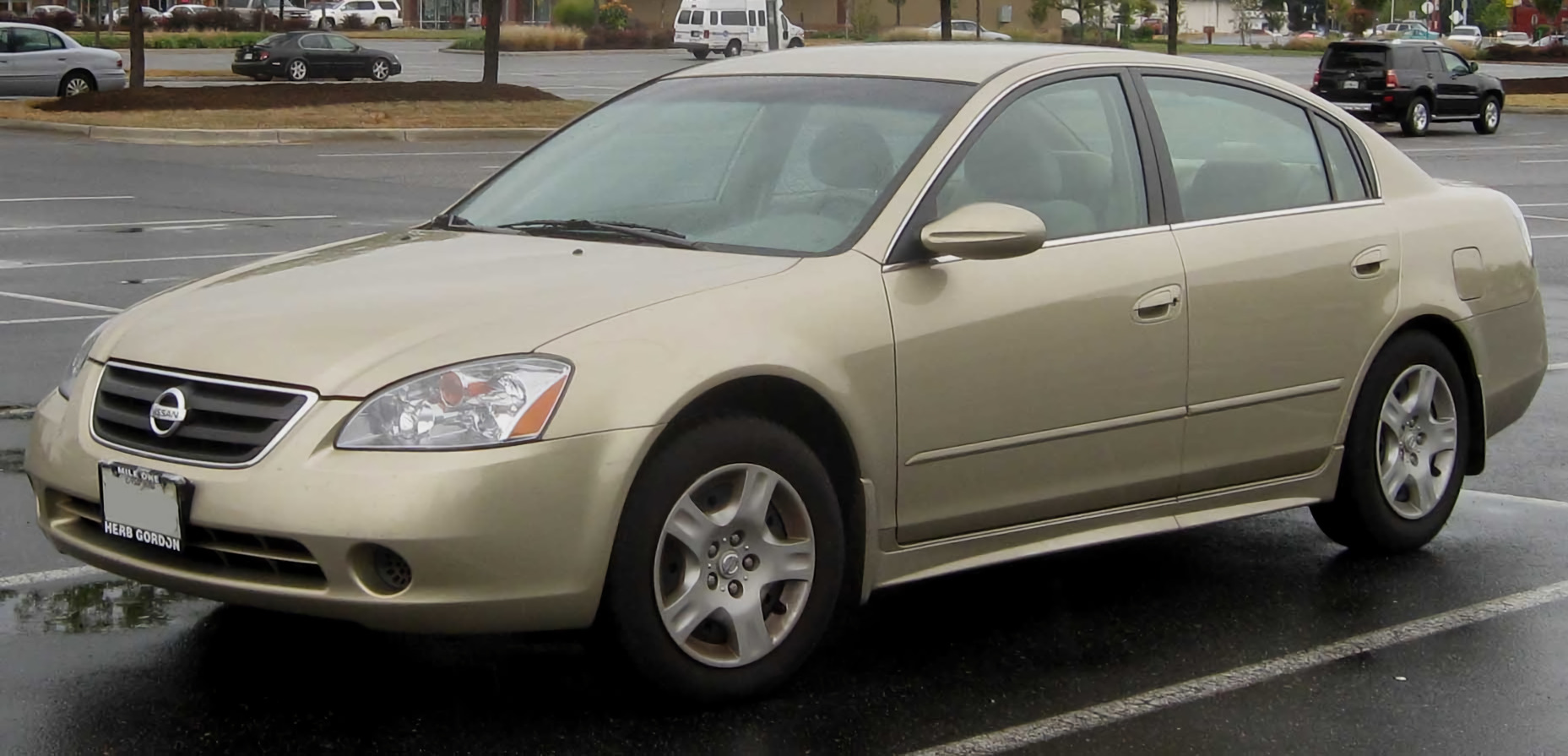
nissan altima 2002-2006 Maintenance Schedule
The 2002–2006 Nissan Altima, specifically the third generation (L31), marked a significant shift for Nissan in the North American midsize sedan market. Built on the new “FF-L” platform, it offered a more spacious interior and an upscale feel compared to its predecessor. This guide provides a comprehensive 2002–2006 Nissan Altima maintenance schedule to help owners keep their vehicles running optimally. Production for these models ran from June 2001 to October 2006, encompassing model years 2002, 2003, 2004, 2005, and 2006. Under the hood, the L31 Altima offered two primary engine options. The 2.5L QR25DE inline-four engine, displacing 2,488 cm³, produced 175 hp and 180 lb-ft of torque, available in 2.5, 2.5 S, and 2.5 SL trims. For those seeking more power, the 3.5L VQ35DE V6 engine provided between 240 hp (2002–04) and 260 hp (3.5 SE-R) with 246–251 lb-ft of torque, found in 3.5 SE and the performance-oriented 3.5 SE-R trims. Transmission choices included a 5-speed manual or 5-speed automatic for the 2.5L, a 5-speed automatic for the non-SE-R 3.5L, and an optional 6-speed manual for the 3.5L SE-R. Understanding your specific engine and transmission is crucial for following the correct Nissan Altima L31 oil change interval and ensuring the longevity of components like the transmission fluid. Regular maintenance is key to prolonging the life of your Altima. For instance, a 2005 Nissan Altima transmission fluid change is a critical service often recommended sooner than factory guidelines, especially under severe driving conditions. Similarly, Altima 2.5L spark plug replacement is a routine task that impacts engine performance. This guide also covers the Nissan Altima coolant flush interval, which is vital for preventing overheating and corrosion. For owners of a 2003 Nissan Altima, this maintenance checklist will outline all necessary inspections and replacements. The FF-L platform was unique to North America, sharing architectural similarities with the Nissan Maxima but without direct global siblings. This North American focus means specific parts and maintenance considerations. For example, the Nissan Altima timing chain inspection is important for both engines, though the factory schedule typically suggests inspection rather than proactive replacement unless noise is present. Understanding the 2002 Nissan Altima oil change interval and the 2004 Nissan Altima transmission fluid replacement mileage are fundamental for preventative care. For those concerned about expenses, this guide will help estimate the 2006 Nissan Altima coolant flush cost and provide insights into the 2003 Nissan Altima spark plug replacement guide. Owners in specific regions, such as those considering Nissan Altima L31 maintenance in Nigeria or other hot climates, will find tailored advice to address environmental factors. This comprehensive approach ensures your Altima receives the attention it needs, regardless of its specific year or driving conditions.
Fluids
| Service | Interval | Notes |
|---|---|---|
| Engine Oil & Filter Change Critical | 8,000 km / 6 mo 6,400 km if severe use | Replace engine oil and oil filter to ensure proper lubrication and filtration, preventing premature engine wear. Skipping this can lead to oil consumption issues, especially in 2.5L engines, and potential engine damage. Warning signs include low oil level, engine noise, or smoke from the exhaust. |
| Fluid Levels Check Critical | 8,000 km / 6 mo | Inspect and top up all essential fluid levels, including power steering fluid, windshield washer fluid, and brake fluid. Ensuring adequate fluid levels prevents system failures and maintains optimal vehicle performance. Low fluid levels can indicate leaks or component wear. |
| Brake Fluid Inspection Critical | 96,000 km | Inspect brake fluid for level and condition. Brake fluid absorbs moisture over time, reducing its effectiveness and potentially leading to corrosion in the brake system. Contaminated fluid can compromise braking performance and safety. |
Brakes
| Service | Interval | Notes |
|---|---|---|
| Brake System Inspection Critical | 8,000 km / 6 mo | Inspect brake pads, rotors, calipers, and fluid levels for wear, damage, or leaks. Proper brake function is crucial for safety. Warning signs include squealing, grinding, a soft brake pedal, or a vibrating steering wheel during braking. |
Tyres
| Service | Interval | Notes |
|---|---|---|
| Tire Inspection & Rotation Critical | 8,000 km / 6 mo | Check tire pressure, tread depth, and overall condition for wear or damage. Rotate tires to promote even wear and extend their lifespan. Proper tire maintenance improves handling, fuel efficiency, and safety. Uneven wear or vibrations can be warning signs. |
Filters
| Service | Interval | Notes |
|---|---|---|
| Engine Air Filter Replacement | 24,000 km / 12 mo | Replace the engine air filter if dirty or clogged. A clean air filter ensures optimal engine breathing, improving fuel efficiency and performance while protecting internal components from contaminants. A dirty filter can lead to reduced power and decreased fuel economy. |
Suspension
| Service | Interval | Notes |
|---|---|---|
| Suspension & Steering Inspection Critical | 24,000 km / 12 mo | Inspect suspension components (struts, shocks, bushings) and steering linkages (tie rods, ball joints) for wear or damage. These components are vital for vehicle handling, ride comfort, and safety. Warning signs include excessive bouncing, clunking noises, or loose steering. |
Inspection
| Service | Interval | Notes |
|---|---|---|
| Exhaust System Inspection | 24,000 km / 12 mo | Check the exhaust system for leaks, corrosion, or damage. A properly functioning exhaust system reduces noise and safely routes harmful fumes away from the cabin. Warning signs include unusual noises from the exhaust or an odor of exhaust fumes in the cabin. |
| Major Vehicle Inspection Critical | 192,000 km | Conduct a comprehensive inspection of major systems including suspension, steering rack, exhaust, and electrical components. This thorough check identifies potential issues before they become critical, ensuring the vehicle's continued safety and reliability in the long term. |
Electrical
| Service | Interval | Notes |
|---|---|---|
| Spark Plugs Replacement Critical | 48,000 km | Replace spark plugs to ensure efficient ignition and combustion. Worn spark plugs can lead to reduced fuel economy, poor engine performance, and misfires. Warning signs include a rough idle, engine hesitation, or difficulty starting the vehicle. |
Drivetrain
| Service | Interval | Notes |
|---|---|---|
| Transmission Fluid Service Critical | 48,000 km 72,000 km if severe use | Inspect and replace transmission fluid, especially under severe driving conditions or in hot climates. Fresh fluid maintains proper lubrication and cooling, preventing premature transmission wear and failure. Warning signs include rough or delayed shifts, slipping, or a whining noise. |
| Transmission Fluid Replacement Critical | 160,000 km 72,000 km if severe use | Replace transmission fluid if not done at earlier intervals due to severe use. This service is crucial for the longevity of the automatic transmission, which is a known weak point for the L31 Altima. Fresh fluid helps prevent slipping and catastrophic failure. |
| Motor & Transmission Mounts Inspection | 160,000 km | Inspect engine and transmission mounts for wear, cracking, or deterioration. Worn mounts can lead to excessive engine movement, vibrations, and noise, potentially causing damage to other components. Replacing them restores ride comfort and stability. |
Cooling
| Service | Interval | Notes |
|---|---|---|
| Coolant Inspection Critical | 48,000 km | Inspect the engine coolant for contamination, proper level, and condition. If contaminated or degraded, it should be replaced. Regular inspection helps prevent overheating and internal engine corrosion. Warning signs include a constantly high temperature gauge or a sweet odor. |
| Coolant Flush & Replacement Critical | 96,000 km 72,000 km if severe use | Perform a complete coolant flush and replacement to remove old, degraded fluid and replenish with fresh coolant. This prevents corrosion, maintains optimal engine temperature, and extends cooling system component life. Overheating is a major risk if neglected. |
| Water Pump Consideration Critical | 192,000 km | Consider replacing the water pump proactively if it is still the original unit. Water pump failures can lead to rapid engine overheating and significant damage. Replacing it as preventative maintenance can save on more costly repairs down the line. |
Belts
| Service | Interval | Notes |
|---|---|---|
| Timing Chain Inspection Critical | 96,000 km | Inspect the timing chain for excessive slack or noise. While typically not a scheduled replacement, unusual noises like a rattle or whine from the engine can indicate wear that requires attention to prevent severe engine damage. Proactive inspection is key. |
Fuel
| Service | Interval | Notes |
|---|---|---|
| Fuel System & EVAP Inspection | 160,000 km | Inspect the fuel system, including lines and the EVAP system, for leaks, clogs, or component wear. This helps ensure proper fuel delivery, emission control, and prevents issues like gas splashback during refueling or inaccurate fuel gauge readings. |
Upkeep Tips
Owning a 2002–2006 Nissan Altima comes with its unique set of challenges and rewards. While the L31 generation offered a comfortable and spacious ride, it is known for certain 2002–2006 Nissan Altima common problems that require diligent attention from owners. One of the most significant issues, and a frequent topic among owners, relates to Nissan Altima L31 transmission problems. Many reports indicate premature automatic transmission failure, often manifesting as rough shifts, slipping, or hesitation between gears. This is particularly prevalent in hotter climates or with a history of deferred maintenance. To mitigate this, frequent transmission fluid changes, ideally every 30,000 to 45,000 miles, are strongly recommended, especially if you drive in demanding conditions. Using high-quality transmission fluid is paramount for extending its lifespan.
Another critical concern, especially for owners of the 2.5L engine, is 2002 Nissan Altima engine oil consumption. Some vehicles, particularly early models, tend to burn oil excessively. It is crucial to monitor your oil level frequently, at least every 1,000 to 2,000 miles, and top up as needed. Ignoring low oil levels can lead to severe engine wear or even failure. Regular oil changes, perhaps at shorter intervals of 3,000 to 4,000 miles, can also help maintain engine health.
The structural integrity of the vehicle can be compromised by 2005 Nissan Altima floor pan rust, a widely reported issue where moisture can become trapped, leading to corrosion and even holes in the floorboards. This is not just an aesthetic problem; it’s a serious safety and structural concern. Annual inspections of the floor pans, particularly under the rear carpet, are advisable, especially if you live in humid environments or areas where road salt is used. Early detection allows for minor rust repair, preventing more extensive and costly 2004 Nissan Altima floor rust repair work, which might involve cutting out and welding new metal sections.
Owners should also be aware of the Altima crankshaft position sensor issue, which can cause the engine to stall unexpectedly, particularly at low speeds or when coming to a stop. This problem was subject to a recall for ECM reprogramming, so ensure your vehicle has had this service performed. If stalling persists, a sensor replacement might be necessary. This is a safety-critical issue, and prompt attention is required to prevent 2006 Nissan Altima engine stalling fix scenarios.
EVAP system clogs, leading to symptoms like inaccurate fuel gauge readings or gas splashback at the pump, represent another common annoyance. This issue, sometimes seen as 2003 Nissan Altima EVAP problems, is typically caused by a clogged vent or purge valve. Keeping the EVAP system clean and avoiding overfilling the fuel tank can help prevent these issues. Addressing these can prevent frustrating refueling experiences and check engine lights related to Nissan Altima L31 EVAP clog symptoms.
Overall Altima reliability 2002–2006 is considered below average compared to many competitors, largely due to these persistent engine and transmission issues. However, with diligent maintenance and proactive repairs, especially concerning the 2002 Nissan Altima transmission failure, owners can still achieve a respectable lifespan. Cooling system components like the radiator and water pump are known to fail around 80,000 to 120,000 miles; proactive replacement if they are original can prevent inconvenient breakdowns and potential engine damage. Suspension components, such as struts and shocks, also typically require replacement by 60,000 to 90,000 miles, particularly if driving on rough roads.
For tropical climates or regions with high dust, additional precautions are advised. Using higher-viscosity oil (e.g., 10W-30 instead of 5W-30) might be beneficial in extreme heat. Increased cooling system inspections are crucial as dust and high temperatures accelerate wear. Furthermore, protecting the underbody from moisture and corrosive elements, coupled with regular floor pan inspections, is vital for long-term structural integrity. By being proactive and addressing these known weak points, you can significantly improve your 2003 Nissan Altima oil consumption solution and overall ownership experience.
Add-ons & Upgrades
Custom Floor Mats
Protect your carpet from dust, water, and rust-causing contaminants. These mats are specifically designed for your Altima's interior.
Shop on AmazonSeat Covers
Protect your upholstery from wear and tear, and potentially improve interior comfort. A full set helps preserve your seats' condition.
Shop on AmazonPhone Mount
Provides a safe and convenient way to use your phone for navigation or hands-free calls. Mounts securely to your dashboard or windshield.
Shop on AmazonDash Cam
Records your journey for accident documentation and added security. A front and back camera system offers comprehensive coverage.
Shop on AmazonCargo Organizer
Helps protect your trunk carpet and keeps items contained and organized. A tray design prevents spills and shifting cargo.
Shop on AmazonSunshades
Reduces interior heat buildup in your vehicle, especially beneficial in tropical climates. A custom-fit windshield sunshade is most effective.
Shop on AmazonOBD2 Scanner
Allows you to diagnose engine and transmission issues by reading diagnostic trouble codes. A Bluetooth model offers convenience with your smartphone.
Shop on AmazonRoof Rack
Adds versatility to your Altima by allowing you to carry extra cargo on the roof. Confirm compatibility for your specific model.
Shop on AmazonWhere to Buy Parts
Frequently Asked Questions
Is the 2002 Nissan Altima reliable long-term?+
The 2002 Nissan Altima presents notable reliability challenges compared to other vehicles in its class. It is particularly known for issues like excessive oil consumption, potential catalytic converter failures, and head gasket concerns, especially with the 2.5L engine. Additionally, transmission problems can emerge early in some units. While consistent and strict maintenance, coupled with early intervention for known issues, can help it reach over 150,000 miles, owners should anticipate higher repair costs and more frequent attention than with more robust midsize sedans of the era.
What is the most expensive repair for a 2004 Nissan Altima?+
For a 2004 Nissan Altima, the most expensive and frequently encountered repair is the automatic transmission replacement. Many L31 Altimas are susceptible to premature transmission failure, often exacerbated by issues with the oil cooler lines and overall cooling efficiency. A used transmission might cost around $770–$910, but a remanufactured unit, including labor, can range from $3,600 to $5,500. This repair significantly outweighs the cost of other common services like suspension work or brake component replacements.
How serious is the floor pan rust issue on 2002–2006 Nissan Altima?+
Floor pan rust on the 2002–2006 Nissan Altima is a severe structural and safety concern. Owners have reported significant corrosion leading to visible holes that can expose the cabin to the road. Although it wasn't subject to a formal NHTSA recall, this issue has been widely documented and even led to class-action lawsuits. Repair costs vary, from $300–$600 for minor rust to over $1,500 for major floor pan reconstruction. Regular underbody inspections and proactive rust prevention are crucial, especially in humid or salt-prone climates.
What maintenance interval is best for a 2006 Nissan Altima in hot climates?+
For a 2006 Nissan Altima operating in hot climates, it is advisable to shorten the factory maintenance intervals for critical components. This includes changing the engine oil every 3,000–4,000 miles, performing a transmission fluid service every 30,000–45,000 miles, and flushing the coolant every 45,000–60,000 miles. Frequent monitoring of oil levels is essential due to the 2.5L engine's propensity for oil consumption. Additionally, consider using higher-viscosity oil if appropriate for extreme heat, and conduct more frequent inspections of the cooling system and suspension due to increased thermal and road stress.
Are 2002–2006 Nissan Altima parts easy to find in Nigeria?+
Common maintenance and wear parts for the 2002–2006 Nissan Altima, such as oil filters, brake pads, struts, and alternators, are generally available in major Nigerian auto markets. However, more specialized components like complete transmission units, specific floor pan sections, or certain sensors might require importation or sourcing from used parts dealers. While availability for common items is good, prices in Nigeria typically reflect import costs and can be higher than U.S. retail prices. Conversely, local labor costs for installation are often more affordable.
Also worth reading
nissan altima 2002-2006 Common Issues