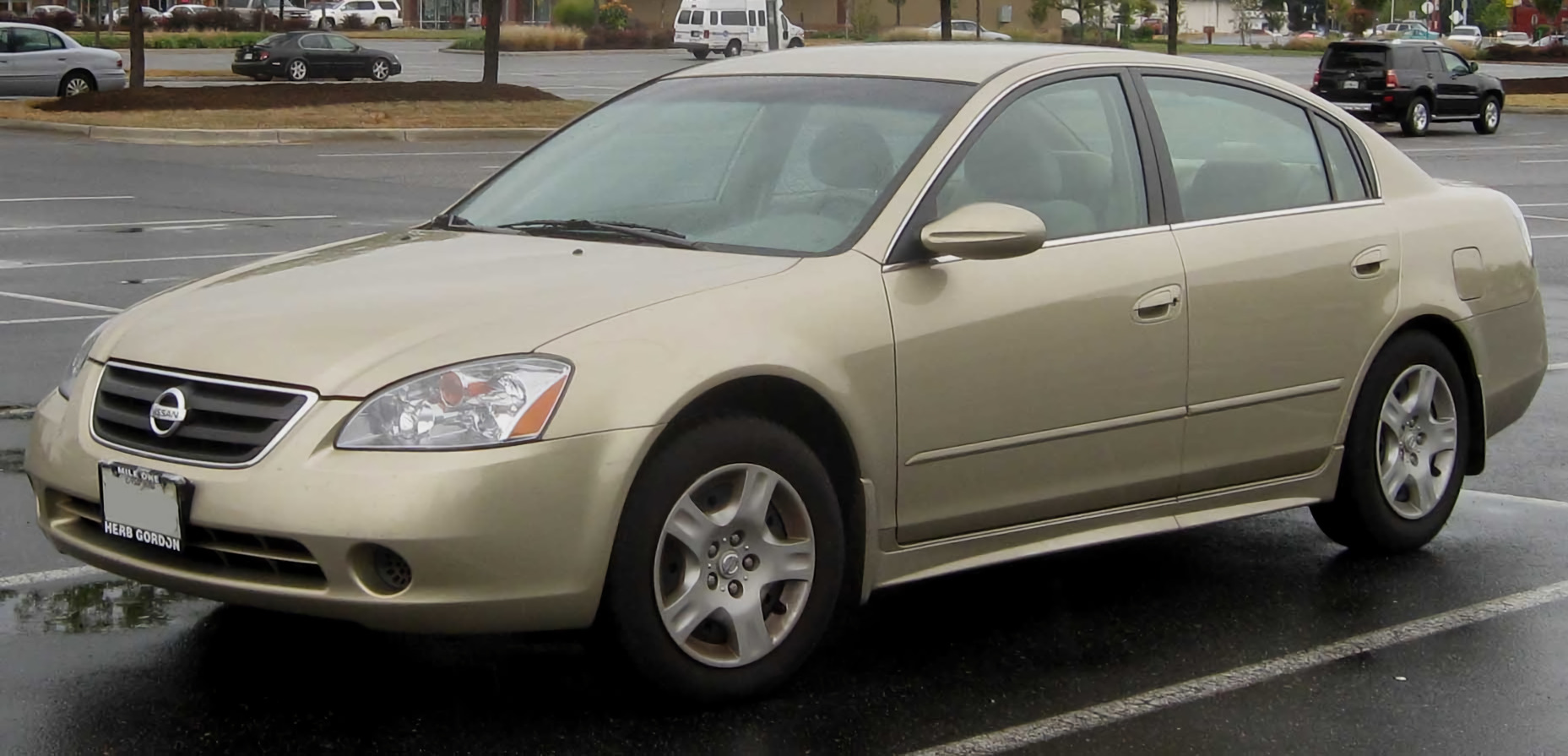
nissan altima 2002-2006 Common Problems & Issues
The 2002–2006 Nissan Altima, specifically the third-generation L31 model, marked a significant era for Nissan's midsize sedan in the North American market. Built on the unique FF-L platform, it aimed to offer more interior space and a premium feel than its predecessors. This guide delves into the common problems associated with the 2002–2006 Nissan Altima, helping current and prospective owners understand its reliability and potential challenges. Owners of the Nissan Altima L31 have reported various issues, with premature automatic transmission failure being a frequently cited concern across all model years, including the 2005 Nissan Altima transmission problems. Another significant issue that impacts vehicle safety and longevity is floor pan rust, particularly noticeable on the 2005 Nissan Altima floor pan rust complaints. Engine performance can also be a point of contention, especially for the 2.5L QR25DE engine, where excessive oil consumption is a known weakness, with many 2002 Nissan Altima engine oil consumption reports. This often leads to reduced engine lifespan if not vigilantly monitored. Drivers might also experience unexpected engine stalling at low speeds or when coming to a stop, often traced back to a faulty Altima crankshaft position sensor issue or related ECM software. This common problem, affecting models like the 2006 Nissan Altima engine stalling fix, was even subject to recall campaigns. Furthermore, issues with the EVAP system, such as those causing gas splashback at the pump, are widespread, with 2003 Nissan Altima EVAP problems being a common complaint. Understanding the reliability of the Altima 2002–2006 involves acknowledging these prevalent issues. While the 3.5L V6 (VQ35DE) engine generally offers robust performance, both engine variants have their specific quirks. This guide aims to provide a comprehensive overview of these challenges, offering insights into symptoms, causes, and estimated repair costs for common issues like the 2002 Nissan Altima transmission failure. By being aware of these potential pitfalls, owners can better maintain their vehicles and make informed decisions, whether addressing a 2004 Nissan Altima floor rust repair or seeking a 2003 Nissan Altima oil consumption solution. Proactive maintenance is key to mitigating the impact of these common problems and ensuring a longer, more predictable ownership experience for the 2002–2006 Nissan Altima.
2
Critical
2
Moderate
1
Minor
Known Issues
Premature Automatic Transmission Failure
CriticalOwners of the 2002-2006 Nissan Altima frequently report symptoms like hesitation between gears, rough or delayed shifting, slipping, whining noises, or a sudden loss of acceleration. In some cases, a transmission overheating warning light may appear. The root cause often lies in weak transmission cooler lines, poor oil cooler integration, internal clutch pack wear, and valve body issues, all contributing to chronic overheating and design flaws. Diagnosing this issue involves checking for a flashing 'AT OIL TEMP' light, inspecting transmission fluid for burnt smell, darkness, or metal particles, and scanning for P07xx series transmission codes. While basic DIY fixes include fluid replacement (if not severely damaged) or installing an auxiliary cooler, professional repairs typically involve a transmission flush, seal replacement, valve body repair, or a full transmission replacement. This is a widespread complaint and known design weakness that can significantly impact the 2002 Nissan Altima transmission failure.
Crankshaft Position Sensor / ECM Reprogram (Engine Stalling)
ModerateA common and potentially dangerous issue for the 2002-2006 Nissan Altima is engine stalling, particularly at low speeds or when coming to a stop. This can lead to unexpected shutdowns without warning, sometimes resulting in a 'no crank, no start' condition until the system resets. The problem is typically caused by the crankshaft position sensor's signal being interrupted due to heat variations, or the Engine Control Module (ECM) software incorrectly interpreting a sensor fault and cutting engine power. Diagnosis usually involves checking for P0335 codes related to the crankshaft position sensor and verifying coverage under recall campaigns 07V527 or 06V223. There are no safe DIY fixes, as this issue requires professional ECM reprogramming under recall or sensor replacement if it's an independent failure. This is a common safety risk, often requiring a 2006 Nissan Altima engine stalling fix.
Floor Pan Rust / Rusted Floorboards
CriticalOwners of 2002-2006 Nissan Altimas, particularly those in humid or salt-prone regions, frequently encounter floor pan rust. Symptoms include damp or wet rear footwells, visible rust holes under the carpet, and in severe cases, the road being visible through the floor. This structural issue is attributed to poor water drainage design in the floor pan, which traps moisture and road salt, accelerating internal corrosion. Diagnosing involves removing the rear carpet to inspect the floor pans for rust holes, especially near the rear subframe. Minor DIY fixes include cleaning, drying, applying rust inhibitor, and sealing small holes, but these are often temporary. Professional repairs involve cutting out and welding new metal sections, or even full floor pan replacement in extreme cases. This is a widespread defect, often necessitating a 2004 Nissan Altima floor rust repair.
Excessive Oil Consumption / Blown Head Gasket (2.5L)
ModerateMany 2.5L engine (QR25DE) Altima owners, particularly from 2002-2003 models, report excessive oil consumption, requiring frequent top-ups between changes. This issue, a significant 2002 Nissan Altima engine oil consumption problem, is primarily caused by piston ring design flaws and premature wear, leading to oil burning. In more severe cases, a blown head gasket can occur, evidenced by white smoke from the exhaust or oil contaminating the coolant. Diagnosis includes checking for oil in coolant, performing a compression test, and conducting a leak-down test to pinpoint the source of the problem. While a temporary DIY fix might involve using a higher viscosity oil and diligently monitoring levels, professional repairs often require head gasket replacement. In extreme circumstances, piston ring service or even a full engine replacement may be necessary, making a 2003 Nissan Altima oil consumption solution a critical aspect of maintenance.
EVAP System Clogs / Gas Splashback at Pump
MinorThe 2002-2006 Nissan Altima can suffer from issues with its Evaporative Emission Control (EVAP) system, manifesting as an inaccurate fuel gauge, difficulty filling the fuel tank, or fuel splashing back during refueling. These symptoms are often accompanied by a check engine light illuminating with P04xx series EVAP codes. The underlying cause is typically a clogged EVAP vent valve, purge valve, or restrictions within the fuel tank vapor lines. Diagnosing involves scanning for EVAP codes and performing a smoke test on the system to locate leaks or blockages. DIY fixes can include replacing the vent or purge valve and clearing any visible line restrictions. Professional repairs will involve comprehensive EVAP system cleaning and component replacement to restore proper function. This is a widespread complaint, with 2003 Nissan Altima EVAP problems being particularly noted, requiring a Nissan Altima L31 EVAP clog symptoms check.
What to Check Before Buying
Long-term ownership of a 2002–2006 Nissan Altima requires a proactive approach, particularly given its mixed Altima reliability 2002–2006 reputation. The L31 Altima generation, while offering a spacious interior and a comfortable ride, is unfortunately known for several high-cost repairs. Foremost among these is automatic transmission replacement, which is the most common and expensive issue owners face. Regular monitoring of transmission health, including checking for unusual shifting behavior or fluid conditions, is critical. Another significant concern is floor pan rust, which can be labor-intensive to repair and compromise structural integrity. Owners should regularly inspect their floor pans, especially in humid or dusty environments, to catch any signs of corrosion early. Engine issues, such as head gasket failure and excessive oil consumption, particularly in the 2.5L engine, also contribute to higher ownership costs if neglected.
To extend the lifespan of your Altima, adhering to a diligent maintenance schedule is paramount. Many owners report premature transmission wear, making it advisable to flush or replace transmission fluid more frequently than factory recommendations, ideally every 30,000 to 45,000 miles, especially in hot climates or under severe use. For the 2.5L engines prone to oil consumption, like the 2002 Nissan Altima oil change interval, careful owners often shorten oil change intervals to 3,000–4,000 miles and regularly monitor oil levels, topping up as needed. The cooling system is another area needing attention; radiator and water pump failures are common around 80,000 to 120,000 miles. Proactive replacement of these components can prevent costly overheating damage. Suspension components, such as struts and shocks, frequently require replacement by 60,000–90,000 miles, particularly if the vehicle is driven on rough roads. Furthermore, if you experience inaccurate fuel gauge readings or gas splashback at the pump, it's wise to inspect and potentially flush the EVAP system components. This addresses common 2003 Nissan Altima EVAP problems and others across the generation.
Preventive tips are essential for known weak points. Always use high-quality transmission fluid and change it frequently to combat the inherent design weaknesses. Vigilantly monitor oil levels on 2.5L models to prevent engine damage from oil starvation. Annual inspections of the floor pans for rust, especially in regions with high humidity, road salt, or dusty conditions, are crucial. Consider replacing cooling system components proactively if they are original and the vehicle is approaching 100,000 miles. Keeping the EVAP system clean and avoiding overfilling the fuel tank can prevent future issues. For a 2006 Nissan Altima maintenance interval in a hot climate, consider using a slightly higher-viscosity oil (e.g., shifting from 5W-30 to 10W-30 if suitable for your engine and climate) and increasing the frequency of cooling system inspections, as dust and heat accelerate wear. Protecting the underbody from moisture and contaminants is also vital. The 2004 Nissan Altima transmission fluid replacement mileage is a key service point to prevent expensive repairs. The Altima 2.5L spark plug replacement should be done every 30,000 miles, and the Nissan Altima coolant flush interval should not be ignored. A comprehensive 2003 Nissan Altima maintenance checklist should include regular checks of all fluids, belts, hoses, and suspension components. While specific parts like the Nissan Altima timing chain are not usually scheduled for replacement, inspection at 60,000-90,000 miles for noise or wear is prudent. Following these guidelines will significantly improve the long-term reliability and enjoyment of your Nissan Altima L31.
Where to Buy Parts
Frequently Asked Questions
Is the 2002 Nissan Altima reliable long-term?+
The 2002 Nissan Altima faces significant reliability challenges compared to other vehicles in its class. It is particularly known for excessive oil consumption, potential catalytic converter failures, and head gasket issues. Transmission problems also tend to emerge prematurely in some vehicles. While diligent maintenance and timely repairs can help it reach over 150,000 miles, owners should anticipate higher repair costs and more frequent attention than with more dependable midsize sedans.
What is the most expensive repair for a 2004 Nissan Altima?+
For a 2004 Nissan Altima, the most expensive common repair is typically the automatic transmission replacement. Many L31 Altimas experience premature transmission failure, often due to issues with cooler lines and overall cooling. A used transmission can cost around $770–$910, but a remanufactured unit, including labor, might total $3,600–$5,500. This is considerably more costly than other standard repairs like suspension or brake work.
How serious is the floor pan rust issue on 2002–2006 Nissan Altima?+
The floor pan rust issue on 2002–2006 Nissan Altimas is a serious structural and safety concern. Owners have reported the development of rust holes that can eventually expose the road beneath the interior carpet. Although it wasn't subject to a formal recall, this widespread issue has led to class-action lawsuits. Repair costs can range from $300–$600 for minor rust to over $800–$1,500 for major floor pan repairs. Regular underbody inspections and rust prevention are crucial, particularly in humid or salty environments.
What maintenance interval is best for a 2006 Nissan Altima in hot climates?+
For a 2006 Nissan Altima operating in hot climates, it's advisable to follow the factory service schedule but shorten critical intervals. This means oil changes every 3,000–4,000 miles, transmission fluid replacements every 30,000–45,000 miles, and coolant flushes every 45,000–60,000 miles. Due to the 2.5L engine's tendency for oil consumption, frequently monitor oil levels. Additionally, inspect cooling and suspension components more often, as high temperatures and road conditions accelerate wear.
Are 2002–2006 Nissan Altima parts easy to find globally?+
Common maintenance and wear parts for the 2002–2006 Nissan Altima, such as oil filters, brake pads, struts, and alternators, are generally widely available through global online retailers and local auto parts stores. However, more specialized items like complete transmission units, specific floor pan sections, or certain sensors might require sourcing from larger suppliers or utilizing used parts from salvage yards. While parts costs can vary by region due to import duties and local market dynamics, availability for routine items is typically good.
Also worth reading
nissan altima 2002-2006 Maintenance Schedule