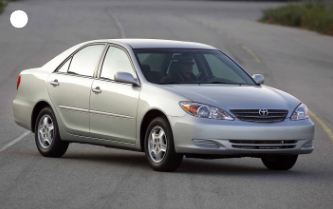
toyota camry 2002-2006 Spare Parts & Pricing
The fifth-generation Toyota Camry, internally known as the XV30, was manufactured from 2001 through 2006. This period saw the North American market receive models for the 2002 through 2006 model years. This generation marked a pivotal moment for Toyota, as its design and engineering were heavily influenced by global consumer preferences, particularly in North America, leading to one of the most successful mid-size sedan platforms in automotive history. Built on an extended version of the Toyota KC platform, the XV30 was notably larger, more refined, and significantly more powerful than its predecessor, the XV20. While marketed globally, engine offerings varied by region. In North America, the Camry was typically available with a 2.4-liter 4-cylinder (2AZ-FE) or a 3.0-liter V6 (1MZ-FE). Other markets, such as Australia and parts of Asia, also received a 3.3-liter V6 (3MZ-FE) in later years. Production for the XV30 Camry spanned from late 2001 to mid-2006. A minor refresh was introduced in 2004 for the North American market, bringing modest styling changes and updated interior features. This updated version is sometimes referred to as the XV30.2. Australian production continued until 2006 before being replaced by the XV40. For owners and those seeking parts, it is useful to distinguish between the Early XV30 (2002–2003) with its original interior and exterior design, and the Refreshed XV30 (2004–2006) which featured revised grilles, taillights, and interior trim. This guide addresses common issues and parts across the entire XV30 generation, highlighting any year-specific concerns.
Engine Components
| Part | Price Range | Availability | Interval |
|---|---|---|---|
| Valve cover gasket A common source of oil leaks on both 2.4L and 3.0L engines due to gasket hardening over time. Replacement is a moderate DIY job. OEM or quality aftermarket gaskets are recommended. | $60 – $100 | Widely available (OEM, aftermarket, used) | Inspected every 10,000 miles |
| Head gasket Specifically problematic on the 2.4L 2AZ-FE engine, leading to coolant loss and overheating. Repair can be complex, especially if cylinder head bolt threads are stripped. OEM quality is crucial for reliability. | $120 – $200 | Widely available (OEM, aftermarket) | As needed (critical failure) |
| Timing belt Applicable to V6 engines only. This is a critical maintenance item; failure can cause severe engine damage. Always use high-quality OEM or reputable aftermarket parts. | $120 – $180 | Widely available (OEM, aftermarket) | 60,000 miles (V6) |
| Water pump Part of the cooling system, often replaced when the timing belt is serviced on V6 models. A failing water pump can lead to overheating. OEM or high-quality aftermarket is recommended. | $150 – $250 | Widely available (OEM, aftermarket) | Typically with timing belt (V6), or as needed |
| Serpentine belt Also known as the accessory drive belt. Squealing noises, especially on cold starts, often indicate a worn belt or tensioner. Relatively inexpensive and straightforward to replace. | $60 – $100 | Widely available (OEM, aftermarket) | Inspected every 60,000 miles |
Sensors
| Part | Price Range | Availability | Interval |
|---|---|---|---|
| Oxygen sensor Essential for emission control and fuel efficiency. A failing oxygen sensor can cause a check engine light and poor fuel economy. OEM or reputable aftermarket brands are preferred. | $120 – $200 | Widely available (OEM, aftermarket) | As needed (check engine light) |
Suspension
| Part | Price Range | Availability | Interval |
|---|---|---|---|
| Front strut Affects ride comfort, handling, and tire wear. Worn struts can lead to a bouncy ride and reduced control. Aftermarket options often provide good value. | $150 – $250 | Widely available (OEM, aftermarket) | 100,000-150,000 miles |
| Rear strut Similar to front struts, worn rear struts impact ride quality and stability. Replacing them can significantly improve the vehicle's feel and handling. | $120 – $200 | Widely available (OEM, aftermarket) | 100,000-150,000 miles |
| Control arm (front) Critical for wheel alignment and steering stability. Worn bushings or ball joints in the control arm can cause clunking noises and uneven tire wear. | $150 – $250 | Widely available (OEM, aftermarket) | As needed (wear/damage) |
| Coil spring (rear) Supports the vehicle's weight. Some 2006 Camry models have reported coil spring breakage. Replacing a broken spring is essential for safety and ride height. | $100 – $180 | Widely available (OEM, aftermarket) | As needed (breakage/sagging) |
| Sway bar link Connects the sway bar to the suspension. Worn links can cause clunking noises over bumps and reduced handling stability. Relatively inexpensive to replace. | $40 – $80 | Widely available (OEM, aftermarket) | As needed (noise/looseness) |
Brakes
| Part | Price Range | Availability | Interval |
|---|---|---|---|
| Front brake pads Wear item crucial for stopping power. Regular inspection and replacement are vital for safety. Quality aftermarket pads often offer good performance and value. | $60 – $100 | Widely available (OEM, aftermarket) | 30,000-70,000 miles |
| Front brake rotor Should be inspected with every pad replacement. Can be resurfaced if within minimum thickness, but often replaced for optimal braking performance. Aftermarket options are plentiful. | $80 – $150 | Widely available (OEM, aftermarket) | 70,000-100,000+ miles |
Electrical Parts
| Part | Price Range | Availability | Interval |
|---|---|---|---|
| Headlamp switch Known issue with corrosion causing flickering or intermittent headlight operation. An Australian recall addressed this. Replacing the switch is the recommended fix for safety. | $80 – $150 | Widely available (OEM, aftermarket) | As needed (flickering/failure) |
| Alternator Responsible for charging the battery and powering the vehicle's electrical systems when the engine is running. A failing alternator can lead to battery drain and electrical issues. OEM or quality rebuilt units are best. | $250 – $400 | Widely available (OEM, aftermarket, rebuilt) | As needed (charging system failure) |
Cooling System
| Part | Price Range | Availability | Interval |
|---|---|---|---|
| Radiator Key component in the cooling system, dissipating heat from the engine coolant. Leaks or blockages can lead to overheating. OEM or high-quality aftermarket radiators are recommended. | $200 – $350 | Widely available (OEM, aftermarket) | As needed (leakage/damage) |
Fuel System
| Part | Price Range | Availability | Interval |
|---|---|---|---|
| Fuel pump Delivers fuel from the tank to the engine. A failing fuel pump can cause starting difficulties or engine stalling. OEM or high-quality aftermarket units are recommended for reliability. | $250 – $400 | Widely available (OEM, aftermarket) | As needed (starting/fuel delivery issues) |
Transmission
| Part | Price Range | Availability | Interval |
|---|---|---|---|
| Transmission fluid (4L) Crucial for transmission lubrication and operation. Using the correct type of fluid (Toyota Type IV or equivalent) and adhering to change intervals is vital for transmission longevity. | $60 – $100 | Widely available (OEM, aftermarket) | 60,000-100,000 miles |
Service Items
| Part | Price Range | Availability | Interval |
|---|---|---|---|
| Engine oil (5L) Regular oil changes are the most critical maintenance item for engine longevity. Use recommended viscosity and quality oil. More frequent changes may be advisable in harsh conditions. | $40 – $70 | Widely available (OEM, aftermarket) | 5,000 miles (8,000 km) or 6 months |
| Oil filter Filters contaminants from engine oil. Always replace with every oil change to maintain engine health. OEM or reputable aftermarket filters are recommended. | $15 – $30 | Widely available (OEM, aftermarket) | With every oil change |
Buying Guide
The 2002-2006 Toyota Camry (XV30) stands as a testament to Toyota's reputation for reliability, offering a comfortable and efficient mid-size sedan experience. Understanding its various configurations and common issues is key to informed ownership.
Engine Options: The XV30 Camry was primarily available with two robust engine choices for most markets. The 2.4-liter 2AZ-FE 4-cylinder engine, producing 152–157 hp, was the most common due to its balance of performance and fuel economy. It features DOHC and VVT-i technology, providing a smooth driving experience. However, it is known for potential head gasket failure and cylinder head bolt thread stripping, particularly in 2002–2006 models. The 3.0-liter 1MZ-FE V6 engine, offering 186–210 hp, provided significantly more power and refinement. This V6 is generally reliable but can experience oil leaks, valve cover gasket degradation, and requires diligent timing belt maintenance. A less common 3.3-liter 3MZ-FE V6, with 225 hp, was available in select markets later in the production run, offering even higher performance.
Transmission Options: Most XV30 Camrys were equipped with a 4-speed automatic transmission (U140E/U151E), especially the 2.4L and 3.0L models in various regions. A 5-speed manual transmission was offered in some markets, though it was less prevalent. Later V6 models in specific regions introduced a more refined 5-speed automatic (U760E), which improved fuel economy and shift quality.
Trim Levels: Trim levels varied by region but generally offered a range from basic to luxurious. Common North American trims included the CE (base model), LE (mid-level with more comfort features), SE (sport-oriented with firmer suspension and styling), and XLE (premium with leather and advanced features). Regardless of trim, the underlying mechanical components were largely consistent.
Shared Platforms: The XV30 Camry's platform was also used for the Lexus ES300 (though with unique tuning and components) and the Toyota Windom (a luxury sedan for Japan), showcasing its robust and adaptable design. This shared lineage often means good parts availability for many common components.
Common Problems: While highly reliable, the XV30 does have a few known issues. The most significant is the head gasket failure and cylinder head bolt thread stripping on the 2.4L 2AZ-FE engine, which can lead to coolant loss and overheating. Repair costs for this can be substantial, ranging from $2,500–$4,500 USD. Oil leaks from the valve cover gasket are very common on both 2.4L and 3.0L engines, usually a medium-severity issue with repair costs around $200–$500 USD. Early 2.4L models (2002–2004) may also experience accessory drive belt squeal or tensioner rattle, a low-severity issue costing $150–$300 USD to fix. Automatic transmission shifting issues, such as harsh or delayed shifts, were noted in early models (2002–2004), potentially requiring ECM updates or internal repairs costing $500–$2,500+ USD. Finally, headlamp switch corrosion, leading to flickering headlights, was a moderate-severity safety concern, subject to a recall in some markets, with repairs typically costing $100–$250 USD.
Maintenance: Regular maintenance is crucial for the XV30 Camry's longevity. Toyota recommends oil and filter changes every 5,000 miles (8,000 km) or 6 months, along with tire rotations and basic inspections. Cabin air filters should be replaced every 10,000 miles, and engine air filters every 30,000 miles. Spark plugs are typically replaced at 60,000 miles for V6 engines and 120,000 miles for 4-cylinders. Coolant and transmission fluid replacement intervals vary, but proactive replacement, especially under severe driving conditions, can prevent costly repairs. In regions with challenging road conditions or high temperatures, more frequent oil changes (every 3,000–4,000 miles) and cooling system checks are advisable.
Ownership Insights: The XV30 Camry enjoys a strong reliability reputation, with many vehicles exceeding 200,000 miles. Owners should pay close attention to coolant levels on 2.4L models, proactively address any oil leaks, and use high-quality fluids and filters. While the 3.0L V6 offers more performance, it also requires diligent timing belt maintenance. Maintaining detailed service records is highly beneficial for both resale value and troubleshooting. Expected lifespan for the engine is 200,000–300,000+ miles, automatic transmissions 150,000–250,000+ miles, and suspension components around 100,000–150,000 miles before significant wear. The most frequently replaced parts include valve cover gaskets, oil filters, brake pads and rotors, struts, and oxygen sensors.
Where to Buy Parts
Frequently Asked Questions
1. Is the 2002 Toyota Camry reliable?+
The 2002 Toyota Camry (XV30) is largely considered reliable, with many owners achieving over 200,000 miles with regular maintenance. However, the 2.4-liter 2AZ-FE engine has a known issue with head gasket failure and stripped cylinder head bolt threads, which can lead to coolant loss and overheating. The 3.0-liter V6 is generally more robust but may develop oil leaks and requires timing belt maintenance. With proper care and attention to these specific areas, the 2002 Camry can be a dependable long-term vehicle, offering a strong balance of comfort and durability.
2. What are the most common problems with the 2004 Toyota Camry?+
The 2004 Toyota Camry (XV30) shares common issues with other years in its generation. These include head gasket failure and stripped head bolt threads on 2.4L engines, as well as valve cover gasket oil leaks for both 2.4L and 3.0L engines. Owners might also encounter accessory drive belt squeal and tensioner rattle, particularly on cold starts. Early automatic transmissions in some 2004 models could exhibit harsh or delayed shifts. Headlamp flicker due to switch contact corrosion is another documented concern. Regular monitoring of coolant levels and prompt attention to oil leaks and transmission fluid condition are recommended.
3. Is the 2006 Toyota Camry reliable?+
The 2006 Toyota Camry, the final year of the XV30 generation, is generally reliable, with many vehicles proving durable well beyond 200,000 miles. However, the 2.4L 2AZ-FE engine still carries the risk of head gasket failure and stripped head bolt threads, making coolant monitoring essential. The 3.0L V6 remains robust but requires attention to potential oil leaks and timing belt service. Some 2006 models have reported issues like coil spring breaks or minor interior accessory malfunctions, though these are typically less severe than major engine or transmission concerns. With proper maintenance, the 2006 Camry remains a dependable choice.
4. How much does it cost to fix a head gasket on a 2002–2006 Camry?+
The cost to fix a head gasket on a 2002–2006 Camry with the 2.4L 2AZ-FE engine varies significantly. If only the head gasket needs replacement, costs typically range from $1,500 to $2,500 USD. However, if the cylinder head bolt threads are stripped and require specialized Time Sert thread inserts, the repair cost usually increases to $2,500–$3,500 USD. In severe cases where front or rear head bolts are damaged, necessitating a cylinder block replacement, costs can exceed $3,500–$5,000+ USD. Early detection of coolant loss or temperature anomalies can help mitigate the most expensive repairs.
5. Where can I buy 2002–2006 Toyota Camry parts?+
For 2002–2006 Toyota Camry parts, owners can find a wide range of options through various channels globally. Major automotive parts hubs in many countries often stock numerous shops specializing in Japanese vehicles, including Camry parts. Many parts are available as used imports, particularly from Japan and the U.S., alongside new aftermarket options from international suppliers. For critical components such as head gaskets, valve cover gaskets, and transmission parts, it is highly recommended to source OEM or high-quality aftermarket brands to ensure reliability and proper function. Always verify part compatibility with your specific model year and engine before purchasing.
Also worth reading
toyota camry 2002-2006 Common Issues