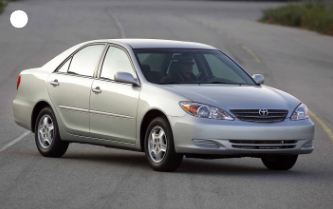
toyota camry 2002-2006 Common Problems & Issues
The fifth-generation Toyota Camry, known internally as the XV30, was produced from 2001 through 2006 and represents one of the most successful mid-size sedan platforms in automotive history. Built on an extended version of the Toyota KC platform, the XV30 was larger, more refined, and significantly more powerful than its predecessor, the XV20. This generation marked a strategic shift for Toyota in the North American market, with design and engineering heavily influenced by consumer preferences in that region. The XV30 was marketed globally, with significant variations in engine offerings depending on the region. In the United States, the Camry was available with a 2.4-liter 4-cylinder (2AZ-FE) or a 3.0-liter V6 (1MZ-FE). Australian and some Asian markets also received a 3.3-liter V6 (3MZ-FE) in later years. In many African markets, including Nigeria, the 2.4-liter and 3.0-liter variants were commonly available through official and parallel imports, with the 2.4-liter being the most popular due to its fuel economy. The XV30 Camry was manufactured from late 2001 through mid-2006, with models for the North American market spanning 2002 through 2006 model years. A minor refresh occurred in 2004 for the North American market, introducing modest styling changes and updated interior features, sometimes referred to as the XV30.2. For ownership and parts purposes, it is useful to distinguish between the early XV30 (2002–2003) with its original interior and exterior design, and the refreshed XV30 (2004–2006) which featured revised grilles, taillights, and interior trim, and in some markets, the introduction of the 3.3L V6. This guide addresses issues across the full XV30 generation, highlighting year-specific concerns where relevant. Engine options included the 2.4-liter 2AZ-FE (4-cylinder), known for 152–157 hp and 162–165 lb·ft of torque, featuring DOHC and VVT-i. This was the most common engine, particularly valued for fuel economy, but it has well-documented issues with head gasket failure and cylinder head bolt thread stripping. The 3.0-liter 1MZ-FE (V6) offered 186–210 hp and 210–220 lb·ft of torque, providing more power and smoothness. It is generally reliable but can suffer from oil leaks, valve cover gasket degradation, and timing belt issues if not maintained. A less common 3.3-liter 3MZ-FE (V6) offered 225 hp and 240 lb·ft of torque in specific markets from 2004–2006. Transmission options included a 4-speed automatic (U140E/U151E), standard on most 2.4L and 3.0L models, and a 5-speed manual, primarily offered in Asian and European markets. A 5-speed automatic (U760E) was introduced on some 2004–2006 V6 models. Trim levels varied by region, but commonly included CE (base), LE (mid-level), SE (sport-oriented), and XLE (premium). The XV30 Camry was built on an evolution of the Toyota KC platform, sharing its underpinnings with the Toyota Windom (Japan) and Toyota Altis (Asian markets), as well as the Lexus ES300, although the Lexus model featured different tuning and unique components. This platform was specifically designed for front-wheel drive mid-size sedans.
2
Critical
4
Moderate
1
Minor
Known Issues
2002–2006 Camry Head Gasket Failure / Stripped Head Bolt Threads (2AZ-FE)
CriticalThis critical issue, primarily affecting 2.4L 2AZ-FE engines, manifests as gradual or rapid coolant loss without visible external leaks, engine overheating, and potentially milky residue in the engine oil. The root cause is documented in Toyota TSB 0015-11, identifying a design weakness where three cylinder head bolt threads on the intake side of the block, located at the thinnest section, can strip. This is often exacerbated by heat trapped by insulating foam around the air intake and stress from thermal cycling. Diagnosis involves monitoring coolant levels, inspecting oil, and checking for loose head bolts. DIY repair is limited; if threads are stripped, professional repair involves installing Time Sert thread inserts or, in severe cases, replacing the entire cylinder block. This is a known design weakness, particularly common in 2002–2004 models, and can lead to catastrophic engine damage if ignored.
2002–2006 Camry Valve Cover Gasket Oil Leak
ModerateOil leaks from the valve cover gasket are a very common issue across both 2.4L and 3.0L engines in the XV30 Camry. Symptoms include visible oil residue on top of the engine, particularly around the valve cover, a burning oil smell if oil drips onto the exhaust manifold, and a gradual reduction in oil level. The primary causes are the natural aging and hardening of the gasket material over time, or potential damage during previous oil service or improper installation. Diagnosis is typically a visual inspection of the valve cover area. This is a moderate DIY job involving replacing the gasket, inspecting the oil baffle, cleaning mating surfaces, and torquing bolts to specification. Professional repair involves gasket replacement and inspection for warped valve covers. If ignored, persistent leaks can lead to low oil levels and potential engine damage.
2002–2004 Camry Belt Squeal and Tensioner Rattle (2AZ-FE)
MinorOwners of 2002–2004 2.4L 2AZ-FE Camrys often report a squealing noise from the engine compartment, especially on cold starts, which may last a few seconds. This can be accompanied by a rattling or chirping sound from the belt tensioner area, often diminishing as the engine warms up. The cause is typically a worn or glazed accessory drive belt and/or a failing belt tensioner assembly. Toyota addressed this with TSB EG040-04, releasing a revised tensioner part (16620-28011) to replace the original prone-to-noise design (16620-28010). Diagnosis involves inspecting the belt for wear and checking the tensioner's operation. DIY replacement of both the belt and tensioner is feasible. This issue is primarily a nuisance noise and does not usually lead to critical failure, but it indicates components are due for replacement.
2002–2004 Camry Automatic Transmission Harsh or Delayed Shifts
ModerateEarly models of the XV30 Camry, particularly from 2002–2004, can exhibit automatic transmission shifting issues such as harsh or clunky shifts (especially 1st to 2nd gear), delayed engagement from Park to Drive, or occasional slipping/flaring between gears. In some cases, a transmission or check engine light may illuminate. These problems are often attributed to early engine control module (ECM) programming that wasn't fully optimized for the transmission, or simply worn internal transmission components and degraded fluid over time. Diagnosis involves checking fluid level and condition, scanning for diagnostic codes, and test driving. DIY fixes are limited to fluid and filter replacement. Professional repair may involve an ECM update or replacement, or more extensive transmission repair if internal damage has occurred. This issue can affect drivability and potentially lead to transmission failure if neglected.
2002–2006 Camry Headlamp Flicker / Switch Corrosion
ModerateOwners of 2002–2006 Camry models may experience headlamps that flicker intermittently or extinguish momentarily without warning. In some instances, interior dash lights may also flicker. This issue is caused by insufficient current flow through the headlamp switch contact points, often due to corrosion that builds up over time. This problem was significant enough to prompt an Australian recall (PRA 2007/9300) for XV30 Camrys from these model years. Diagnosis involves inspecting the headlamp switch for corrosion and testing electrical continuity. While cleaning contacts might offer a temporary fix, replacement of the entire headlamp switch with an OEM part is the recommended permanent solution. As sudden loss of headlights is a safety hazard, especially when driving at night, this issue should be addressed promptly.
V6 Engine Timing Belt Replacement and Water Pump Failure (3.0L 1MZ-FE)
CriticalThe 3.0L 1MZ-FE V6 engine in the Camry utilizes a timing belt, which is a critical maintenance item. If not replaced at recommended intervals (typically around 60,000 to 90,000 miles), the belt can wear, crack, or even break, leading to severe engine damage. Symptoms of a failing timing belt can include ticking noises from the engine or, if it breaks, a complete engine shutdown. The water pump, often replaced concurrently with the timing belt due to shared labor, can also fail due to worn bearings or leaks, causing engine overheating. Diagnosis involves checking mileage, visual inspection of the belt, and listening for water pump noises. The fix requires professional replacement of the timing belt, tensioners, idlers, and water pump as a comprehensive kit. Neglecting this service can lead to catastrophic engine failure.
Rear Coil Spring Breakage (2006 models)
ModerateSome 2006 Toyota Camry owners have reported issues with rear coil spring breakage. Symptoms typically include a noticeable sag in the rear of the vehicle, an uneven ride height, a clunking or banging noise from the rear suspension, and potentially compromised handling or ride quality. The primary causes are often attributed to metal fatigue over time, corrosion, or in some instances, a manufacturing defect in certain batches of springs from that model year. Diagnosis usually involves a visual inspection of the rear suspension components to identify a broken or fractured coil spring. The recommended fix is to replace the broken coil springs, ideally in pairs, to ensure balanced suspension performance and prevent future issues on the opposing side. This problem affects vehicle safety and should be addressed promptly.
What to Check Before Buying
The 2002–2006 Toyota Camry (XV30) is widely regarded as one of the most reliable mid-size sedans of its era. It consistently ranks high in long-term reliability studies and owner satisfaction surveys, with many examples reaching 200,000 miles or more with basic maintenance. However, owners should be aware of specific recurring issues to ensure long-term dependability. The 2.4-liter 2AZ-FE engine’s head gasket and cylinder head bolt thread issue is a notable weakness that requires diligent monitoring of coolant levels. The 3.0-liter V6 is generally more robust but requires attention to potential oil leaks and strict adherence to timing belt maintenance schedules.
To maximize the lifespan and reliability of your XV30 Camry, proactive preventive maintenance is key. Regularly monitor coolant levels, especially on 2.4-liter models, to detect any signs of head gasket issues early. Any unexplained coolant loss or rising engine temperatures should be addressed immediately. It is also crucial to routinely check for oil leaks, particularly around the valve cover gaskets, and replace them proactively if any seepage is detected. Using the correct type and quality of transmission fluid, and adhering to recommended fluid change intervals, is vital to prevent shifting issues and extend the life of the automatic transmission. For vehicles used on rough roads, regular inspection of suspension components like struts, control arms, and coil springs for wear or damage is important for safety and ride quality. Always maintain brake pad thickness and rotor condition, replacing worn components promptly to ensure effective stopping power.
Owners should be prepared for potential high-cost repairs, primarily the head gasket and thread repair on 2.4-liter engines, which can range from $2,500 to $4,500 USD. Transmission repair or replacement, if necessary, can cost $1,000 to $2,500 USD or more. Other significant expenses might include engine coolant system components like the radiator or water pump, typically $300 to $600 USD, or a complete suspension overhaul including struts and control arms, which could be $500 to $1,000 USD or more. In many markets, these costs can be substantial relative to the vehicle’s value, underscoring the importance of preventive maintenance.
The most frequently replaced parts on the XV30 Camry, outside of routine service items, often include valve cover gaskets, brake pads and rotors, front and rear struts, oxygen sensors, alternators, and starter motors.
For long-term ownership, consider these points: always monitor coolant levels closely on 2.4-liter models to catch head gasket problems early. Invest in high-quality fluids and filters to prolong engine and transmission life. Regular inspections for oil leaks, especially around the valve cover, are a good habit. If you prioritize performance, the 3.0-liter V6 is a great choice, but be prepared for slightly higher fuel consumption and the specific timing belt maintenance. Finally, maintaining a comprehensive service record is invaluable; it not only helps mechanics diagnose future issues but also supports the resale value of your vehicle.
Where to Buy Parts
Frequently Asked Questions
Is the 2002 Toyota Camry reliable?+
The 2002 Toyota Camry (XV30) is generally considered reliable, with many owners reporting 200,000+ miles of service with routine maintenance. However, the 2.4-liter 2AZ-FE engine has a known issue with head gasket failure and stripped cylinder head bolt threads, which can lead to coolant loss and overheating if not monitored. The 3.0-liter V6 is more robust but can develop oil leaks from the valve cover gasket and requires timing belt maintenance. Overall, with proper care and attention to cooling system and oil leak issues, the 2002 Camry can be a dependable long-term vehicle.
What are the most common problems with the 2004 Toyota Camry?+
The 2004 Toyota Camry (XV30) shares many of the same issues as other years in the generation. Common problems include head gasket failure and stripped head bolt threads on 2.4L engines, valve cover gasket oil leaks on both 2.4L and 3.0L engines, accessory drive belt squeal and tensioner rattle (especially on cold starts), automatic transmission shifting harshness or delayed engagement in early models, and headlamp flicker due to switch contact corrosion. While the 2004 model received minor styling updates and some ECM improvements, the underlying mechanical issues remain similar to 2002–2003 models.
Is the 2006 Toyota Camry reliable?+
The 2006 Toyota Camry is generally reliable and represents the final year of the XV30 generation. Many owners report strong long-term durability, with vehicles reaching 200,000+ miles. However, the 2.4L 2AZ-FE engine still carries the risk of head gasket failure and stripped head bolt threads, so coolant monitoring is essential. The 3.0L V6 is more robust but can develop oil leaks and requires timing belt service. Some 2006 models have reported coil spring breaks and interior accessory issues, but these are less critical than engine or transmission problems. With proper maintenance, the 2006 Camry can be a dependable choice.
How much does it cost to fix a head gasket on a 2002–2006 Camry?+
Fixing a head gasket on a 2002–2006 Camry with a 2.4L 2AZ-FE engine can range from $1,500 to $2,500 USD if only the gasket needs replacement. If the cylinder head bolt threads are stripped and require Time Sert thread inserts, the cost typically increases to $2,500–$3,500 USD. In cases where the front or rear head bolts are damaged, the entire cylinder block may need replacement, pushing costs to $3,500–$5,000+ USD. In many regions, labor rates vary, but specialized repair work may still be substantial depending on the shop and parts availability. Early detection of coolant loss and temperature anomalies can help avoid more expensive repairs.
Where can I source parts for a 2002–2006 Toyota Camry?+
Parts for the 2002–2006 Toyota Camry can be sourced from various channels globally. These include authorized Toyota dealerships for OEM parts, independent automotive parts stores for aftermarket alternatives, and online retailers. Used parts are also often available through salvage yards or specialized importers. For example, in markets like Nigeria, major automotive hubs in cities such as Lagos (Ikeja, Oshodi), Abuja, and Port Harcourt specialize in Japanese vehicle parts, offering both new imports and used components. For critical components like head gaskets or transmission parts, it's always recommended to opt for OEM or high-quality aftermarket brands to ensure reliability and proper fitment. Always verify compatibility with your specific model year and engine.
What were the main engine options available for the XV30 Toyota Camry?+
The fifth-generation Toyota Camry (XV30) primarily offered two main engine options. The most common was the 2.4-liter 2AZ-FE 4-cylinder engine, which delivered between 152–157 horsepower. It was popular for its fuel efficiency. The other significant option was the 3.0-liter 1MZ-FE V6 engine, providing 186–210 horsepower, known for its smoother operation and greater power output. In some limited markets, a larger 3.3-liter 3MZ-FE V6 engine, producing 225 horsepower, was also available in later model years (2004–2006). These engines were paired with either a 4-speed automatic or, less commonly, a 5-speed manual transmission.
What are the recommended maintenance intervals for a 2002–2006 Toyota Camry?+
Toyota generally recommends maintenance every 5,000 miles (8,000 km) or 6 months, whichever comes first. This typically includes an engine oil and filter change, tire rotation, and inspections of brakes and fluids. Every 10,000 miles (16,000 km), the cabin air filter should be replaced. At 30,000 miles (48,000 km), it's advisable to replace the engine air filter and inspect coolant and transmission fluid. Critical items like V6 timing belts are typically due around 60,000 miles (96,000 km), while 4-cylinder spark plugs last longer, often to 120,000 miles. Under severe conditions or in hotter climates, more frequent oil changes and cooling system checks may be beneficial.
Also worth reading
toyota camry 2002-2006 Spare Parts & Pricing