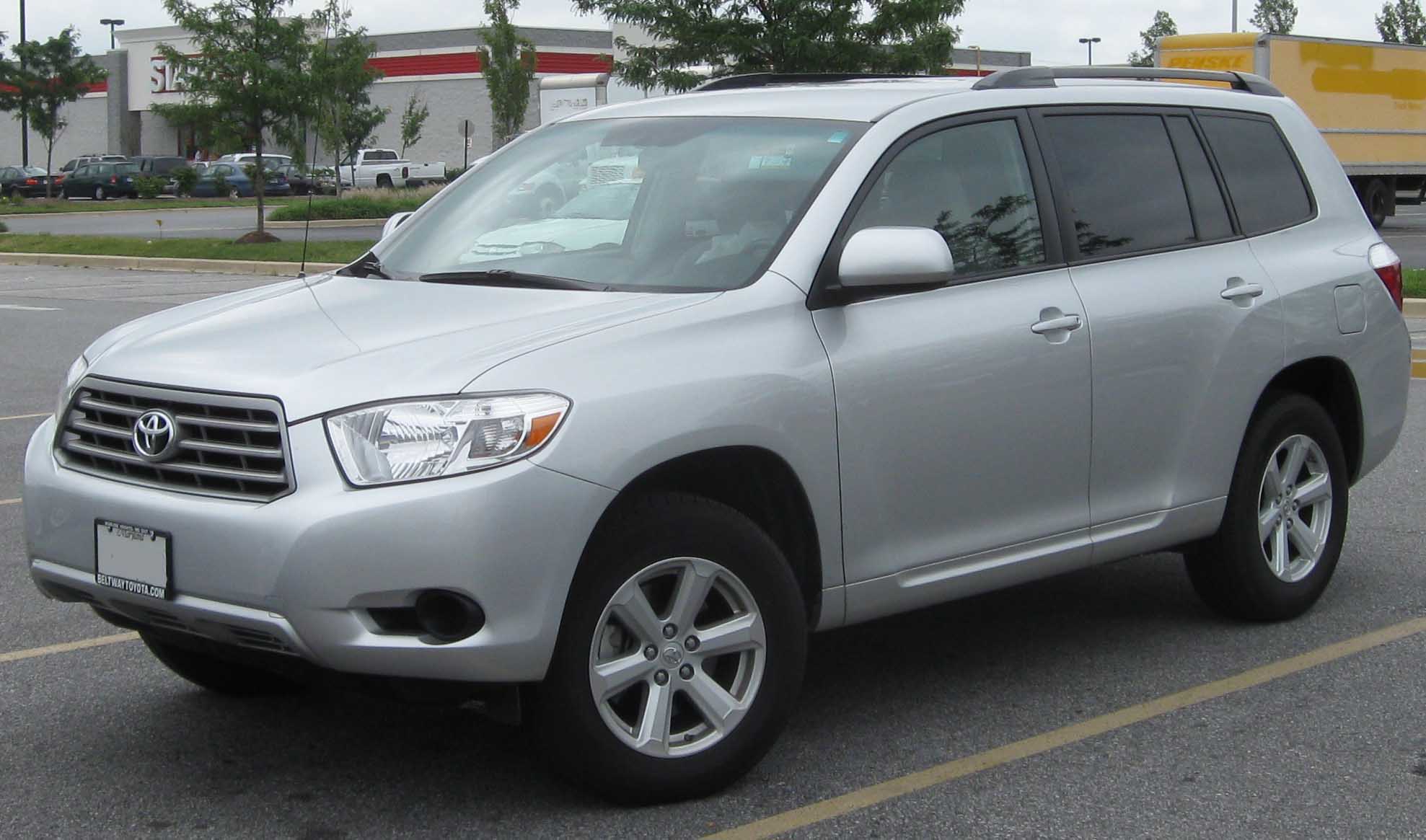
toyota highlander 2008-2013 Maintenance Schedule
The second-generation Toyota Highlander, known by its internal code XU40, marked a significant evolution for Toyota's mid-size SUV segment. Launched in late 2007 for the 2008 model year, this generation was produced through 2013, offering a blend of family-friendly utility and comfortable driving dynamics. It was built on the versatile Toyota K platform, sharing engineering commonalities with vehicles like the Toyota Sienna and even some components with the Lexus RX350. The XU40 Highlander moved towards a more car-like handling experience compared to its predecessor, appealing to a broad global audience looking for a reliable and spacious crossover. Its refined ride, quiet cabin, and ample cargo capacity quickly established its position in the competitive SUV market. Globally, the Highlander XU40 was available with a range of robust powertrains designed for efficiency and performance. The base engine option was a 2.7-liter 2AR-FE four-cylinder DOHC unit, producing approximately 188 horsepower and 252 Nm of torque. This engine was typically paired with a 4-speed automatic transmission and front-wheel drive, offering a fuel-efficient choice for daily commuting. For those desiring more power and capability, the popular 3.5-liter 2GR-FE V6 DOHC engine delivered a robust output, ranging between 249 and 273 horsepower and 337 Nm of torque. This V6 was mated to a smooth 5-speed automatic transmission and was available in both two-wheel drive and all-wheel drive configurations, providing versatility for various driving conditions. A hybrid variant was also offered, combining a 3.3-liter V6 engine with electric motors to achieve a combined output of around 273 horsepower, utilizing a specialized 5-speed automatic hybrid transmission and intelligent all-wheel drive (4WD-i) for enhanced traction and fuel economy. Trim levels, while varying by market, commonly included Base, LE, XLE, and Limited, with the Hybrid models often aligning with higher trim features. The Highlander's design emphasized interior space and comfort, featuring a third-row seat option that made it a strong contender for larger families. Its reputation for durability, safety, and relatively low running costs has made it a highly sought-after vehicle in both new and used car markets worldwide, including regions where many units are imported as used vehicles. The enduring appeal of the XU40 Highlander lies in its balanced approach to utility, comfort, and Toyota's renowned reliability. This comprehensive guide provides an in-depth look into its essential maintenance schedule, common issues that may arise with age, and practical ownership advice to help current and prospective owners maximize the longevity and performance of their 2008-2013 Toyota Highlander. Understanding these critical aspects of care is paramount to ensuring the vehicle remains a dependable and enjoyable mode of transport for many years to come, minimizing unexpected repair costs and maximizing its operational life.
Tyres
| Service | Interval | Notes |
|---|---|---|
| Tire Rotation & Inspection Critical | 8,000 km / 6 mo | Rotating tires evenly distributes wear, extending tire life and maintaining balanced handling. Inspection checks for proper inflation, tread depth, and damage, which are vital for safety and fuel efficiency. Uneven wear patterns or vibrations can indicate a need for rotation or alignment, ensuring optimal road contact and stability. |
Fluids
| Service | Interval | Notes |
|---|---|---|
| Fluid Levels Check & Top-Up Critical | 8,000 km / 6 mo | Regularly checking brake fluid, coolant, power steering fluid (if applicable), and transmission fluid ensures optimal system performance and prevents component damage. Low fluid levels can lead to overheating, poor braking, or steering issues. Top up with the manufacturer-recommended fluid type as needed to maintain proper operation and safety. |
| Brake Fluid Flush Critical | 48,000 km / 24 mo 48,000 km if severe use | Brake fluid absorbs moisture over time, which can reduce braking performance and corrode internal brake components. Flushing and replacing the fluid ensures consistent pedal feel, prevents brake fade, and extends the life of the brake system, a critical safety component. This service maintains the integrity of your braking system. |
Inspection
| Service | Interval | Notes |
|---|---|---|
| General Vehicle Inspection Critical | 8,000 km / 6 mo | A comprehensive inspection of brakes, suspension components, steering system, exhaust system, and fuel lines helps identify potential issues early. This proactive check can prevent minor problems from escalating into costly repairs and ensures the vehicle remains safe and reliable on the road. It provides an overall health assessment of the vehicle. |
Filters
| Service | Interval | Notes |
|---|---|---|
| Engine Air Filter Replacement | 16,000 km / 12 mo 16,000 km if severe use | A clean engine air filter is essential for optimal engine performance and fuel economy by ensuring a steady supply of clean air. A clogged filter can reduce horsepower, increase fuel consumption, and lead to premature engine wear. Replace it more frequently in dusty environments to protect the engine and maintain efficiency. |
| Cabin Air Filter Replacement | 24,000 km | Replacing the cabin air filter ensures clean, fresh air inside the vehicle, filtering out dust, pollen, and pollutants. A dirty filter can reduce airflow from the HVAC system and introduce allergens into the cabin. This service is important for passenger comfort, health, and maintaining HVAC system efficiency. |
Belts
| Service | Interval | Notes |
|---|---|---|
| Drive Belts & Hoses Inspection Critical | 16,000 km / 12 mo | Inspecting drive belts for cracks, fraying, or proper tension, and hoses for leaks or bulges, is vital for the proper functioning of accessories like the alternator, power steering, and cooling system. A failing belt can lead to loss of power, overheating, or a dead battery, impacting vehicle operation and safety. |
| Timing Chain Inspection Critical | 144,000 km | The 2GR-FE engine uses a timing chain, which typically does not require scheduled replacement. However, inspection for unusual noise or rattle at higher mileages is important. Addressing chain stretch or tensioner issues early prevents catastrophic engine damage, ensuring the engine's long-term mechanical integrity and performance. |
Drivetrain
| Service | Interval | Notes |
|---|---|---|
| CV Joints & Boots Inspection Critical | 16,000 km / 12 mo | CV (Constant Velocity) joints and their protective rubber boots are critical for transferring power to the wheels. Inspecting them for tears or damage prevents dirt and moisture from contaminating the joint, which can lead to expensive CV joint replacement if ignored. Clicking noises during turns are a common warning sign of wear or damage. |
| Transmission Fluid Replacement Critical | 96,000 km 48,000 km if severe use | Transmission fluid lubricates and cools the transmission. In hot climates or under severe driving conditions like towing or heavy city traffic, it degrades faster. Regular replacement prevents premature transmission wear, slipping, harsh shifts, and costly transmission failure, ensuring smooth and reliable gear changes. Consult your owner's manual for specifics. |
| Fuel System Inspection Critical | 144,000 km | Inspecting the fuel system, including injectors, fuel lines, and the fuel pump, for leaks, clogs, or proper operation ensures efficient fuel delivery to the engine. This prevents issues like poor engine performance, reduced fuel economy, and potential fire hazards, maintaining both vehicle efficiency and safety. This is a crucial safety and performance check. |
Electrical
| Service | Interval | Notes |
|---|---|---|
| Spark Plug Replacement Critical | 96,000 km | Spark plugs ignite the fuel-air mixture in the engine. Worn plugs can lead to misfires, reduced fuel economy, and decreased engine performance. Replacing them at the recommended interval restores engine efficiency, ensures smooth operation, and prevents damage to other ignition components, contributing to overall engine health. |
| VVT-i System Inspection & Service Critical | 144,000 km | The Variable Valve Timing with intelligence (VVT-i) system optimizes engine performance. Inspecting actuators and solenoids for leaks or rattles, especially on cold starts, can prevent timing issues, rough idle, and potential engine damage. Proactive replacement can mitigate widespread issues and maintain optimal engine efficiency and responsiveness. |
Cooling
| Service | Interval | Notes |
|---|---|---|
| Engine Coolant Replacement Critical | 96,000 km | Engine coolant prevents overheating and protects against corrosion and freezing. Over time, its protective additives degrade, reducing its effectiveness. Replacing it at the specified interval maintains cooling system efficiency, prevents engine damage from extreme temperatures, and prolongs the life of cooling components like the radiator and hoses. |
| Water Pump & Thermostat Inspection Critical | 96,000 km | The water pump circulates coolant, and the thermostat regulates engine temperature. Inspecting these components for leaks, unusual noises, or malfunctions during coolant replacement is crucial for preventing overheating and maintaining engine health. Early detection of issues can save costly repairs and ensure consistent engine operating temperatures. |
Suspension
| Service | Interval | Notes |
|---|---|---|
| Suspension Components Inspection Critical | 96,000 km | Inspecting struts, control arms, bushings, and other suspension components for wear, damage, or leaks ensures proper handling, ride comfort, and tire longevity. Worn suspension parts can lead to poor steering control, vibrations, and accelerated tire wear, compromising both safety and driving experience. This check maintains vehicle stability. |
Upkeep Tips
The 2008-2013 Toyota Highlander, while generally reliable, benefits significantly from informed ownership and proactive maintenance. Understanding specific quirks and common wear points for this generation can greatly extend its lifespan and minimize unexpected repair costs.
A critical area to monitor, particularly for V6 models with the 3.5L 2GR-FE engine, is oil consumption. Many owners have reported elevated oil consumption, often starting around 80,000 to 100,000 miles. This is typically due to worn piston rings. The best practice is to check your engine oil level every one to two weeks, or every couple of fuel fill-ups. It is highly recommended to use high-quality synthetic oil and shorten your oil change intervals to every 5,000 miles (8,000 km) to help mitigate this issue and ensure adequate lubrication. Ignoring low oil levels can lead to severe engine damage.
Another common issue is rattling or ticking noises on cold starts, often originating from the VVT-i (Variable Valve Timing with intelligence) actuators or solenoids, especially after 100,000 miles. These components can develop internal oil leaks, affecting valve timing control. If this noise appears, proactive inspection and replacement can prevent larger timing-related issues and maintain engine smoothness.
Ignition coil failures are also observed, typically between 80,000 and 120,000 miles. If you experience misfires, a rough idle, or your Check Engine Light illuminates with misfire codes, it is often due to a failing ignition coil. When one coil fails, it's often a sign that others are nearing the end of their service life. Replacing them in sets, or at least inspecting all of them, can save future diagnostic time.
The brake system is a safety-critical component. Regularly rotate your tires and monitor your brake rotors for signs of warping, such as pedal pulsation during braking. Brake fluid should be flushed and replaced every two to three years, especially in hot and humid climates, to prevent moisture absorption and corrosion within the braking system.
While the official service schedule for transmission fluid might state "inspect only" or longer intervals, many experienced mechanics and Highlander owners recommend changing the transmission fluid every 60,000 miles (96,000 km). This is particularly important if you frequently drive in high-heat conditions, engage in towing, or primarily drive in stop-and-go city traffic, as these conditions accelerate fluid degradation. Regular fluid changes are key to the longevity of the robust 5-speed automatic transmission.
For owners in challenging environments, such as those with dusty roads or high temperatures, certain maintenance practices become even more crucial. Shorter oil change intervals, as mentioned, are paramount. Frequent checks and flushes of coolant and brake fluid are essential to combat heat-related degradation and corrosion. Regular underbody cleaning helps remove accumulated dust and salt that can accelerate wear on suspension and chassis components. Heat also accelerates battery degradation, so expect a typical lifespan of two to four years and consider upgraded heat-resistant batteries if available. Furthermore, moisture and heat can lead to electrical corrosion, so inspecting wiring and using dielectric grease where appropriate can prevent sensor and electrical issues.
The 2GR-FE V6 and 2.7L 2AR-FE engines are known for reaching impressive mileages of 250,000 miles (400,000 km) or more with diligent care. The 5-speed automatic transmission is also a strong point. However, suspension components like struts and control arms may wear faster on rough roads, necessitating inspection every 20,000-30,000 miles (32,000-48,000 km).
When considering a used Highlander, a complete service history is invaluable. Documentation of oil changes, transmission fluid services, brake work, and any addressed recalls significantly enhances resale value and provides peace of mind. Units with known VVT-i or oil consumption issues that have not been addressed should be approached with caution or factored into the purchase price. By adhering to these practical ownership tips, your 2008-2013 Toyota Highlander can continue to be a reliable and comfortable vehicle for many years and miles.
Where to Buy Parts
Frequently Asked Questions
Is the 2008 Toyota Highlander reliable compared to later XU40 years?+
The 2008 Highlander, as the first year of the XU40 generation, tends to have more documented complaints than models from 2009–2013. Data indicates higher complaint numbers for 2008, with issues often related to engine performance, brakes, and airbags. While many early units are still reliable if well-maintained, prospective buyers should be cautious about potential early-production quirks. It is advisable to prioritize examples with a comprehensive service history and evidence of completed recalls. Later model years, specifically 2010–2013, generally exhibit fewer reported problems and are often perceived as more reliable choices.
What is the main problem with the 2010 Toyota Highlander V6 engine?+
The most significant concern for the 2010 Highlander equipped with the 3.5L 2GR-FE V6 engine is elevated oil consumption. This issue typically becomes noticeable between 80,000 and 120,000 miles, often stemming from worn piston rings. If not regularly monitored, low oil levels can lead to severe engine damage. Owners are advised to check oil levels frequently, use high-quality synthetic oil, and consider shortening oil change intervals. While not subject to a formal recall, this is a widely recognized issue for this engine. Other concerns include VVT-i actuator rattles and ignition coil failures.
What are the estimated repair costs for common Highlander XU40 problems?+
Repair costs for common Highlander XU40 issues vary based on parts (OEM vs. aftermarket) and labor rates. For example, a routine oil change might cost $100–$150 USD (₦150,000–₦225,000 NGN). A full brake service including pads and rotors can range from $550–$950 USD (₦825,000–₦1,425,000 NGN). Replacing a VVT-i actuator and solenoid may cost $450–$900 USD (₦675,000–₦1,350,000 NGN). A single ignition coil replacement is around $160–$280 USD (₦240,000–₦420,000 NGN). A major engine overhaul for severe oil consumption can be substantially higher, potentially $2,900–$5,300 USD (₦4,350,000–₦7,950,000 NGN).
Is the 2013 Toyota Highlander better than 2008–2010 models?+
The 2013 Highlander is generally considered a more refined and reliable option compared to the earlier 2008–2010 models. As the final year of the XU40 generation, it benefited from accumulated production improvements and resolved some initial quirks. Complaint data for 2013 models is typically lower than for 2008, indicating a more stable production run. While common issues like oil consumption and VVT-i rattles can still occur, they are often less prevalent or severe in later builds. The 2013 model also may feature updated safety features and electronics, making it a stronger choice for long-term ownership if budget permits.
What maintenance is critical for a Highlander XU40 in hot or challenging conditions?+
In hot climates or under challenging driving conditions, certain maintenance items become especially critical. This includes more frequent engine oil changes, ideally every 5,000 miles (8,000 km) using synthetic oil, to combat heat-related degradation and potential oil consumption. Regular coolant and brake fluid flushes are essential to prevent overheating and internal system corrosion. Transmission fluid changes every 60,000 miles are highly recommended for high-load or city driving. Additionally, frequent inspections of VVT-i components, ignition coils, and suspension wear parts are crucial, as heat and rough roads can accelerate their degradation. Battery checks and replacements every 2-4 years are also important due to heat's impact on battery life.
Also worth reading
toyota highlander 2008-2013 Common Issues