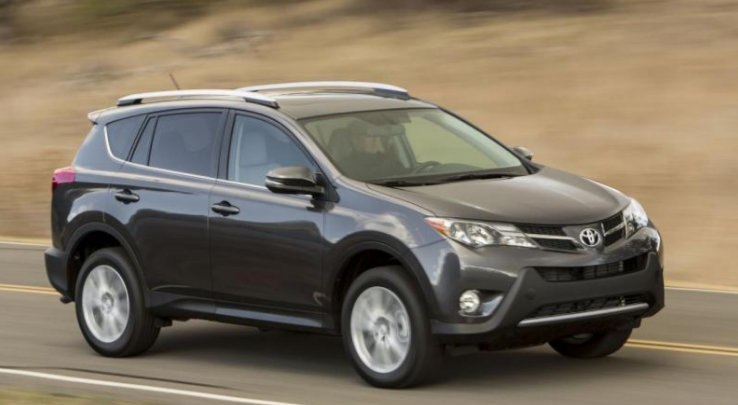
toyota rav4 2013-2018 Spare Parts & Pricing
The 2013-2018 Toyota RAV4, internally known by its XA40 chassis code, represents the fourth generation of this popular compact SUV. It was introduced globally between 2012 and 2013, with sales spanning major markets including North America, Europe, Asia, and Africa. Positioned in Toyota's lineup between the Corolla and Highlander, the RAV4 XA40 was engineered with a strong emphasis on practicality, fuel economy, and renowned Toyota reliability, rather than extensive off-road capabilities. This generation saw global production from 2012 to 2018, encompassing model years 2013 through 2018. During its production run, the XA40 was available alongside specialized variants, such as the RAV4 EV (2012–2014), which featured Tesla-derived technology, and later, highly efficient hybrid models from 2016 to 2018. In the United States market, the primary gasoline engine was the robust 2.5L 2AR-FE I4, delivering 176 horsepower and 172 lb-ft of torque. Some markets also received a 2.0L 3ZR-FAE I4 engine, particularly in early models. For those seeking enhanced fuel efficiency, the 2016-2018 hybrid models combined a 2.5L 2AR-FXE I4 engine with electric motors, achieving a total system output of 194-197 horsepower, paired with an e-CVT and an intelligent all-wheel-drive system (AWD-i) that utilized a rear electric motor. Transmission options varied by market and engine, including a 6-speed manual for some early 2.0L variants in limited regions, a widely available 6-speed automatic transmission for the 2.5L gasoline engine, and the e-CVT for hybrid models. Drivetrain configurations included front-wheel drive (FWD) as standard on base models, with Dynamic Torque Control All-Wheel Drive (AWD) available, capable of sending up to 50% of power to the rear wheels when needed. Common trim levels in the U.S. included LE, XLE, and Limited for gasoline models, with corresponding Hybrid LE, XLE, and Limited trims available from 2016 onwards. European and Asian markets also offered additional engine choices, such as 2.0L petrol and 2.2D diesel options, catering to diverse regional preferences. The RAV4 XA40 is built on Toyota's global compact SUV architecture, a dedicated platform designed for its segment.
Engine
| Part | Price Range | Availability | Interval |
|---|---|---|---|
| Oil filter Essential for maintaining engine health by filtering contaminants from the engine oil. Regularly replacing the oil filter along with the engine oil is crucial for the longevity of the 2.5L engine. | $4 – $12 | Widely available globally | Every 5,000 miles / 6 months |
| Air filter Ensures clean air supply to the engine, preventing dust and debris from entering. Critical for optimal combustion and fuel efficiency. Inspect more frequently in dusty environments. | $12 – $40 | Widely available globally | Every 30,000 miles / 2 years |
Ignition
| Part | Price Range | Availability | Interval |
|---|---|---|---|
| Spark plugs (set of 4) Provides the spark necessary to ignite the air-fuel mixture in the engine. Worn spark plugs can lead to misfires, reduced power, and decreased fuel economy. Replace as a set. | $10 – $35 | Widely available globally | Every 60,000 miles |
Cooling
| Part | Price Range | Availability | Interval |
|---|---|---|---|
| Water pump Circulates coolant through the engine to regulate temperature. A failing water pump can cause engine overheating. Listen for grinding noises or look for coolant leaks as warning signs. | $70 – $180 | Commonly available | As needed, typically 100,000+ miles |
| Radiator Dissipates heat from the engine coolant. A damaged or clogged radiator can lead to engine overheating. Inspect for leaks or bent fins regularly, especially after impacts. | $80 – $250 | Commonly available | As needed, typically 100,000+ miles |
| Thermostat Regulates engine temperature by controlling coolant flow. A faulty thermostat can cause the engine to run too hot or too cold, impacting performance and fuel economy. | $20 – $70 | Commonly available | As needed, often with coolant flush or water pump replacement |
Suspension
| Part | Price Range | Availability | Interval |
|---|---|---|---|
| Front strut (single) Key component of the front suspension, combining a shock absorber and coil spring. Absorbs road impacts and maintains tire contact for stability and comfort. Replace in pairs for balanced handling. | $80 – $250 | Commonly available | Every 100,000–150,000 miles |
| Front control arm Connects the wheel hub to the chassis, allowing for vertical movement while maintaining alignment. Worn bushings or ball joints can cause clunking noises, uneven tire wear, and poor handling. | $80 – $250 | Commonly available | As needed, typically 150,000+ miles |
Brakes
| Part | Price Range | Availability | Interval |
|---|---|---|---|
| Front brake pads (set) Friction material that presses against the rotors to slow and stop the vehicle. Regular inspection and replacement are vital for safety. Wear can be accelerated by driving style or conditions. | $40 – $90 | Widely available globally | Every 30,000–50,000 miles, inspect regularly |
| Front rotor (pair) The disc component that brake pads clamp onto. Warped or excessively worn rotors can cause vibrations during braking and reduced stopping power. Always replace in pairs. | $70 – $180 | Widely available globally | Every 60,000–80,000 miles, or with every other pad change |
Electrical
| Part | Price Range | Availability | Interval |
|---|---|---|---|
| 12V battery (standard) Powers the vehicle's electrical systems and provides starting power. Common electrical gremlins often trace back to a weak or failing 12V battery. Regular checks are recommended. | $90 – $200 | Widely available globally | Every 5–7 years, or as needed |
| Alternator Generates electricity to power the car's electrical components and recharge the 12V battery while the engine is running. Failure leads to battery drain and eventual vehicle shutdown. | $150 – $450 | Commonly available | As needed, typically 100,000–150,000 miles |
Fuel System
| Part | Price Range | Availability | Interval |
|---|---|---|---|
| Fuel pump (non-hybrid) Delivers fuel from the tank to the engine. Symptoms of failure include difficulty starting, sputtering, or complete engine shutdown. Important for proper fuel delivery and engine operation. | $150 – $500 | Commonly available | As needed, typically 100,000–150,000 miles |
Sensors
| Part | Price Range | Availability | Interval |
|---|---|---|---|
| O2 sensor (upstream) Measures oxygen levels in the exhaust gases, providing data to the engine control unit to optimize the air-fuel mixture. A faulty sensor can reduce fuel efficiency and increase emissions. | $40 – $120 | Commonly available | As needed, typically 80,000–100,000 miles |
Drivetrain
| Part | Price Range | Availability | Interval |
|---|---|---|---|
| Transmission fluid (1L, 6-speed) Lubricates and cools transmission components. Regular fluid changes are crucial for the longevity and smooth operation of the 6-speed automatic transmission, even if some manuals suggest 'sealed for life'. | $6 – $20 | Widely available globally | Every 60,000–90,000 miles for flush |
Steering
| Part | Price Range | Availability | Interval |
|---|---|---|---|
| Tie rod end A crucial component in the steering system that connects the steering rack to the wheel hub. Worn tie rod ends can cause loose steering, uneven tire wear, and clunking noises. | $20 – $70 | Commonly available | As needed, inspect regularly after 50,000 miles |
Buying Guide
The 2013-2018 Toyota RAV4 (XA40) is widely praised for its reliability, but potential buyers should be aware of a few common issues and critical maintenance points to ensure a wise purchase and long-term satisfaction. This guide will help you navigate the buying process and prepare for ownership.
One of the most frequently reported concerns across this generation involves the electrical system. Owners have reported various random electrical gremlins, including dashboard warning lights, infotainment system malfunctions, intermittent starting problems, and auxiliary battery drain. For hybrid models, specific warnings like "Check EV System" or reduced power messages can occur. These issues are often traced to a weak 12V auxiliary battery, poor connections, or faults in wiring and sensors within control modules. When inspecting a used RAV4, always check the 12V battery's health and terminals. A professional diagnostic scan can reveal any stored trouble codes. If buying a hybrid, pay close attention to the hybrid system's performance and ensure all cooling vents are clear.
A significant safety recall (NHTSA 23V734000) addresses a risk of 12V battery short-circuit, potentially leading to under-hood smoke or fire. This occurs if a replacement battery with different dimensions is not properly secured, allowing it to contact the metal hold-down bracket. Always verify that this recall has been completed by a Toyota dealer, which involves replacing the battery hold-down clamp, tray, and positive terminal cover with improved parts at no cost.
Another important safety recall (NHTSA 17V-526) concerns the seatbelt webbing, which could be cut by interior trim during a side-impact collision, compromising occupant safety. Ensure this recall has also been completed; the dealer typically replaces the seatbelt assembly and may add protective covers.
For 2016-2018 hybrid models, some owners have reported hybrid system overheating or reduced power warnings, particularly during hot weather or demanding driving conditions. This can be due to thermal stress on the inverter or electric motor components. It is crucial to check for any related diagnostic codes and ensure the hybrid cooling system is clean and functioning correctly. Some inverter issues may be covered by specific recalls or service campaigns, so verify the vehicle's history.
Brake system wear is normal for any vehicle, but some 2016 models were subject to a recall (NHTSA 16V198000) for an ABS actuator issue. This defect could cause improper brake fluid pressure control during ABS or stability control activation. When test driving, pay attention to any unusual brake behavior or stability control warnings. A pre-purchase inspection should include a thorough check of the brake system, including pads, rotors, and fluid, and verification of any outstanding recalls.
Routine maintenance is key to the RAV4's longevity. Toyota's standard schedule for the 2.5L gasoline engine typically calls for oil and filter changes every 5,000 miles or 6 months, and tire rotations every 10,000 miles. Engine air filters should be replaced around 30,000 miles, and spark plugs for the 2.5L engine around 60,000 miles. Coolant flushes are recommended at 60,000 miles or 5 years. While some automatic transmissions are labeled "sealed for life," many independent mechanics and owners recommend a transmission fluid flush at 60,000 to 90,000 miles to ensure optimal performance, especially under heavy city driving or in hot climates.
When buying, look for a vehicle with a complete service history. Documentation of regular oil changes, fluid flushes, and completed recalls significantly enhances resale value and indicates a well-cared-for vehicle. Unaddressed safety recalls can pose risks and make the vehicle harder to sell or insure.
The 2013-2018 RAV4 is known for its durable engine and transmission, with many units exceeding 250,000 miles with proper care. However, be prepared for potential high-cost repairs such as transmission replacement (if neglected), hybrid inverter issues, or major electrical module failures, though these are not common for well-maintained vehicles.
Always perform a comprehensive pre-purchase inspection by a trusted mechanic. Check the vehicle's VIN for recall status and accident history. Test drive the vehicle extensively, paying attention to any unusual noises, vibrations, or warning lights. A well-maintained RAV4 from this generation offers excellent value and reliable transportation for years to come.
Where to Buy Parts
Frequently Asked Questions
Is the 2014 Toyota RAV4 reliable compared to other years in the 2013–2018 generation?+
The 2014 RAV4 is generally as reliable as other gasoline models in its generation, known for its robust 2.5L 2AR-FE engine. Electrical system issues, primarily related to the 12V battery, are the most common complaints across all years. Key safety recalls, such as for the battery hold-down and seatbelt webbing, apply to 2013-2018 models. Ensure these recalls are completed. A 2014 model with low mileage and a comprehensive service history represents a strong value, maintaining Toyota's reputation for durability.
What are the most common problems on a 2016 Toyota RAV4, especially the hybrid?+
The 2016 RAV4, particularly the hybrid variant, can experience hybrid system overheating warnings during hot weather or demanding driving. Other common issues include 12V battery weaknesses and general electrical gremlins, similar to gasoline models. A specific recall (16V198000) addressed ABS actuator defects in some 2016 models, which should be verified as completed. For hybrids, ensure the cooling vents are clean. Overall, the 2016 model is reliable if recalls are addressed and hybrid system maintenance is observed.
What is the expected lifespan of a 2013–2018 Toyota RAV4 with proper maintenance?+
With consistent and proper maintenance, a 2.5L gasoline RAV4 from 2013-2018 can reliably achieve 250,000 to 350,000 miles. Hybrid models often surpass 250,000 miles if the hybrid system is well-maintained and not subjected to abuse. The transmission typically lasts 200,000 to 300,000 miles, especially if fluid is flushed at 60k–90k. Factors like road conditions and driving habits can influence these figures, but Toyota's reputation for longevity generally holds true for this generation.
How do safety recalls like 23V734000 (battery) and 17V-526 (seatbelt) affect buying a used 2013–2018 RAV4?+
Safety recalls 23V734000 (battery short-circuit risk) and 17V-526 (seatbelt webbing damage) are critical. If unaddressed, they pose significant safety risks and can deter potential buyers. For any used 2013-2018 RAV4, it is essential to check the VIN on the manufacturer's or national safety agency's recall website to confirm these and any other applicable recalls have been completed. A vehicle with completed recall repairs offers greater peace of mind and typically commands a higher value.
What should I consider when buying a used 2013–2018 Toyota RAV4?+
When buying a used 2013-2018 Toyota RAV4, prioritize a comprehensive pre-purchase inspection by a trusted mechanic. Verify the vehicle's history, including accident reports and maintenance records. Crucially, check for completion of all safety recalls, such as the battery hold-down (23V734000) and seatbelt (17V-526) issues. Pay attention to the electrical system, especially the 12V battery, and for hybrids, inspect the hybrid system for any warnings. A well-maintained unit with documented service history will offer the best long-term reliability.