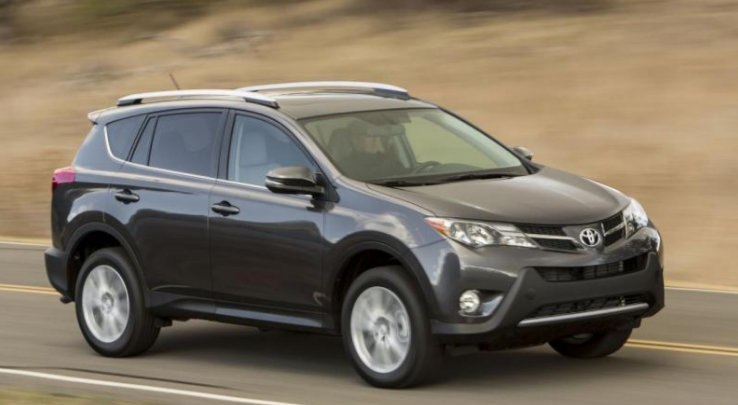
toyota rav4 2013-2018 Common Problems & Issues
The 2013-2018 Toyota RAV4, designated by its international chassis code XA40, represents the fourth generation of this highly popular compact SUV. Launched globally between 2012 and 2013, it quickly established itself across diverse markets including North America, Europe, Asia, and Africa. Positioned strategically within Toyota's SUV lineup, typically between the smaller Corolla and the larger Highlander, the XA40 RAV4 was engineered with a clear emphasis on practicality, outstanding fuel economy, and the hallmark Toyota reliability, rather than extensive off-road prowess. This focus on everyday usability and long-term dependability has cemented its status as a favored choice for families and individuals seeking a versatile and efficient vehicle. Throughout its production run from 2012 to 2018, covering model years 2013 to 2018, the RAV4 XA40 offered a range of powertrain options to cater to different global preferences. In the crucial U.S. market, the primary gasoline engine was the robust 2.5L 2AR-FE I4, delivering 176 horsepower and 172 lb-ft of torque, known for its balance of power and efficiency. Some markets also saw the 2.0L 3ZR-FAE I4, providing 146–151 horsepower, particularly in earlier model years. A significant addition came in 2016 with the introduction of the hybrid variant, featuring a 2.5L 2AR-FXE I4 engine coupled with electric motors, achieving a total system output of 194–197 horsepower. This hybrid model utilized an e-CVT transmission and offered an intelligent all-wheel-drive system (AWD-i) with a rear electric motor. Transmission choices primarily included a smooth 6-speed automatic for gasoline models and the efficient e-CVT for hybrids. A 6-speed manual transmission was available in limited markets, typically paired with the 2.0L engine. Drivetrain options encompassed front-wheel drive (FWD) as standard on base models, with an available Dynamic Torque Control AWD system capable of sending up to 50% of power to the rear wheels for enhanced traction. Common trim levels in the U.S. included LE, XLE, and Limited for both gasoline and hybrid models, with other regions offering additional diesel and specific petrol configurations. Built on Toyota’s global compact SUV architecture, the RAV4 XA40 did not share its platform directly with a single passenger car model but was related to Toyota’s broader "DA" family of compact platforms. This dedicated SUV platform contributed to its distinctive ride and handling characteristics. This guide delves into the common issues, potential repair costs, and essential maintenance advice for owners and prospective buyers of the 2013-2018 Toyota RAV4, aiming to provide a comprehensive resource for understanding and maintaining this reliable compact SUV.
2
Critical
4
Moderate
2
Minor
Known Issues
Electrical System Failures
ModerateOwners of the 2013-2018 Toyota RAV4 frequently report a range of random electrical issues, which can manifest as flickering dash lights, unexpected warning lamps appearing on the instrument cluster, problems with the infotainment system, and intermittent battery drain leading to starting difficulties. In hybrid models, these issues can escalate to specific hybrid system warnings, reduced power output, or the illumination of 'Check EV System' messages. The root causes often include a weakened or aging 12V auxiliary battery, poor electrical connections, or faults within wiring harnesses and various sensors connected to the engine or hybrid control modules. For the RAV4 EV, specific traction motor or ECU software issues were also identified, leading to a recall (15V143000). Diagnosing these problems typically involves checking the 12V battery's health and terminal connections, as well as performing a diagnostic scan for powertrain (P-codes) and communication (U-codes) trouble codes. For hybrids, further inspection of the hybrid control module, inverter, and DC-DC converter is often necessary. While minor glitches might be resolved by replacing an old or weak 12V battery, cleaning terminals, or resetting the infotainment system, more complex issues may require professional replacement of faulty sensors, repair of wiring harness sections, or even replacement of ECU modules or hybrid inverter components.
12V Battery Hold-Down Short-Circuit Risk
CriticalA significant safety concern for certain 2013-2018 RAV4 models involves a defect in the 12V battery hold-down system, identified under NHTSA recall 23V734000. This issue can lead to serious consequences such as under-hood smoke or fire, sometimes preceded by an engine stall. The problem arises when a replacement 12V battery, which may have slightly different top dimensions than the original, is not properly secured by the factory hold-down clamp. If the battery is able to move, its positive terminal can come into contact with the metal hold-down bracket, causing a short circuit. Owners might not observe any prior symptoms before a thermal event occurs. Diagnosis involves a visual inspection of the battery's fit, the tightness of the hold-down clamp, and checking for any signs of corrosion, terminal contact with metal, or arcing. It is crucial to verify the vehicle's recall completion status via its VIN. The professional repair, covered by Toyota under recall, involves replacing the battery hold-down clamp, battery tray, and positive terminal cover with improved parts at no charge. Owners should not attempt DIY modifications if a fire risk is suspected. If fire damage has already occurred, the cost of repairs for wiring, fuse boxes, and engine bay components can be substantial, ranging from $1,500 to over $5,000.
Seatbelt Webbing Cut by Interior Trim
CriticalA critical safety recall (NHTSA 17V-526) affects approximately 1.3 million 2013-2018 RAV4 vehicles, addressing a potential issue where the seatbelt webbing can be cut by interior trim components during a side-impact collision. Many owners may not be aware of this problem until a comprehensive inspection, often following a minor impact, reveals damage to the seatbelt webbing. Some individuals have reported noticing rough edges or fraying on the seatbelt near the trim, even without an accident. The design flaw lies in the geometry of certain interior trim pieces, which, under specific forces experienced during a side-impact event, can make contact with and sever the seatbelt webbing, compromising its ability to properly restrain an occupant. Diagnosis involves a thorough inspection of the seatbelt webbing for any cuts, fraying, or unusual wear patterns, particularly where it interacts with the interior trim. It is essential to check the vehicle's recall status for 17V-526 using its VIN. There are no safe DIY fixes for this issue, as it involves a fundamental safety system. The professional repair is performed by a Toyota dealer at no cost to the owner under the recall. This typically involves replacing the affected seatbelt assembly and may include modifications to the trim or the addition of a protective cover to prevent future contact.
Hybrid System Overheating and Power Reduction
ModerateOwners of 2016-2018 RAV4 hybrid models may encounter issues with the hybrid system overheating, particularly during hot weather conditions or when driving in mountainous terrain. This problem typically manifests as 'Hybrid system overheated' or 'Reduced output power' warnings displayed on the dashboard. When these warnings appear, the vehicle may struggle to maintain speed, compelling the driver to pull over and allow the system to cool down. The underlying causes are often attributed to thermal stress on critical hybrid components such as the inverter, electric motor, or the hybrid transaxle. There might also be specific software logic that limits power output under elevated temperatures to protect the system. Diagnosing this issue involves checking for specific hybrid system diagnostic codes and inspecting coolant levels within the dedicated hybrid cooling system. It is also important to verify if recall 21V-064, which addresses certain inverter module issues, applies to the specific VIN, although similar problems have been noted in earlier 2016-2018 models not directly covered by that particular recall. While owners can help by ensuring hybrid cooling vents are clean and avoiding prolonged high-load driving in extreme heat, professional repairs might involve an inverter intelligent power module replacement or a software update if covered by a recall. If a mechanical failure is confirmed in the hybrid transaxle or motor, more extensive service would be required. The cost for inverter/module replacement can range from $1,200 to $2,500, including labor, while software updates under recall are free.
Brake System Wear and ABS Actuator Issues
ModerateThe 2013-2018 Toyota RAV4 can experience both standard brake system wear and specific issues related to the ABS actuator, particularly in some 2016 models. Normal brake wear is characterized by symptoms such as squealing or grinding noises, vibrations during braking, and a longer brake pedal travel. These are typical wear items that require periodic replacement of pads and rotors. More concerning is a specific recall (16V198000) for certain 2016 models, which involves an ABS actuator with a damaged O-ring. This defect can lead to improper brake fluid pressure control during events that activate the ABS, traction control, or stability control systems, potentially compromising vehicle safety. Diagnosis for general brake wear includes inspecting the brake pads, rotors, and brake fluid levels. For ABS-related issues, scanning for ABS diagnostic codes and checking the recall status for 16V198000 is crucial. While replacing pads and rotors can be a DIY task for experienced individuals, ABS actuator repair should only be performed by professionals. Standard brake service for pads and rotors typically costs $150-$300 per axle. If the ABS actuator needs replacement under the recall, it is covered at no charge by Toyota. However, if the ABS actuator needs replacement outside of a recall, costs can range from $800 to $1,500, including labor.
Auxiliary 12V Battery Weakness and Drain
MinorBeyond the specific hold-down recall, a common issue for 2013-2018 Toyota RAV4 owners is the general weakness or premature failure of the 12V auxiliary battery, often leading to parasitic drains. Symptoms include slow engine cranking, a complete no-start condition, or various random electrical gremlins such as flickering dash lights, infotainment system resets, and inconsistent operation of accessories. The primary cause is the natural degradation of the battery over its typical lifespan, which is usually 5-7 years, but can be accelerated by extreme temperatures or frequent short trips. Less commonly, a parasitic drain, where electrical components continue to draw power even when the vehicle is off, can rapidly deplete a healthy battery. Diagnosis involves performing a load test on the 12V battery to assess its remaining capacity and health. If a drain is suspected, a parasitic draw test can identify components that are excessively consuming power. Inspecting and cleaning battery terminals and ensuring secure connections are also crucial steps. The most common fix is to replace the aging 12V battery with a new, high-quality unit. If a parasitic drain is identified, isolating and repairing the faulty circuit or component is necessary. Replacing the 12V battery typically costs between $90 and $200, including parts and labor, depending on whether an OEM or aftermarket battery is chosen.
Infotainment System Glitches
MinorOwners of the 2013-2018 Toyota RAV4, particularly those with higher trim levels featuring advanced infotainment systems, occasionally report various glitches and malfunctions. Common symptoms include the touchscreen becoming unresponsive, the system freezing entirely, navigation errors, frequent Bluetooth connectivity issues, and random reboots of the head unit. These problems are often attributed to software bugs within the infotainment system's firmware, minor electrical fluctuations that can disrupt the unit's operation, or the natural aging of the hardware components over time. Diagnosing these glitches typically begins with checking the current software version of the infotainment system to see if updates are available. Performing a hard reset of the system, often by disconnecting the battery or pulling a specific fuse, can resolve temporary freezes. In some cases, inspecting relevant fuses for power supply issues is also a necessary step. For minor issues, a simple fuse pull or system reset might provide a temporary or permanent fix. However, if the problems persist, a dealer may need to perform a software update. In more severe or persistent cases, the entire infotainment head unit might require replacement. The cost for these repairs can vary widely; a software update or fuse pull is often free or low-cost, while replacing the head unit can range from $400 to $800 for parts and labor.
Premature Suspension Component Wear
ModerateWhile the 2013-2018 Toyota RAV4 is generally known for its robust build, some owners, especially those driving on rougher roads or in areas with frequent potholes, may experience premature wear of suspension components. Symptoms of this issue include noticeable clunking or rattling noises when driving over bumps, a general reduction in ride comfort, uneven or accelerated tire wear, and a feeling of looseness or vagueness in the steering. The primary causes are the cumulative stress from poor road conditions and impacts from potholes, which can degrade components faster than typical wear. Although the factory struts and control arms are designed to be durable, their bushings and joints are susceptible to wear over time. Diagnosis involves a thorough visual inspection by a mechanic, who will check the condition of the struts, shock absorbers, control arm bushings, ball joints, and sway bar end links for signs of wear, cracks, or excessive play. The fix for this problem involves replacing the specific worn components. For example, replacing a single front strut can cost between $150 and $250 for OEM parts plus labor, while a front control arm replacement can be similar. Depending on which components are affected, the total repair cost can range from $150 for a single sway bar link to over $500 per corner if multiple major components like struts and control arms need replacement.
What to Check Before Buying
The 2013-2018 Toyota RAV4 (XA40) continues Toyota's legacy of reliability and practicality, making it an excellent choice for long-term ownership. However, like any vehicle, understanding its specific characteristics and potential weak points is crucial for maximizing its lifespan and ensuring a smooth ownership experience. This generation is widely regarded as one of the most dependable compact SUVs, a reputation earned through its straightforward mechanical design and proven engine technology. Despite its strong foundation, a proactive approach to maintenance is key.
One of the most frequently reported categories of issues revolves around the electrical system. Owners should be vigilant about the health of their 12V auxiliary battery, inspecting its terminals and grounding points every two to three years. It is a good practice to replace the battery every 5-7 years, even if no symptoms are apparent, as a weak battery can lead to a cascade of seemingly unrelated electrical gremlins. For hybrid models, specific attention should be paid to the hybrid cooling system. Ensure that hybrid cooling vents remain clean and unobstructed, and try to avoid prolonged periods of high-load driving in extremely hot climates. If a 'hybrid system overheated' warning appears, it is advisable to stop the vehicle and allow it to cool down to prevent potential damage to critical components.
Routine maintenance is the backbone of RAV4 longevity. Adhering to the factory service schedule, which typically includes oil and filter changes every 5,000 miles or 6 months, is paramount for engine health. Tire rotations, fluid checks, and brake inspections should also be performed at these intervals. At around 30,000 miles or 2 years, consider replacing the engine air filter and inspecting the brake fluid. More significant milestones, like the 60,000-mile mark, call for replacing spark plugs, flushing the coolant, and inspecting or replacing transmission fluid (Automatic Transmission Fluid for 6-speed automatics, and transfer case/rear differential fluid for AWD models). Even if Toyota specifies 'sealed for life' transmissions, many independent shops and experienced owners recommend an ATF flush between 60,000-90,000 miles, especially under heavy city driving or challenging road conditions, to preserve longevity.
Suspension components, while generally robust, can experience accelerated wear, particularly in regions with rough roads or frequent potholes. After any significant impact, a visual inspection of struts, control arms, and bushings is highly recommended. Listen for unusual clunking noises over bumps, which could indicate worn components. Brake pads and rotors are standard wear items, but their lifespan can be shorter in hot, dusty environments. Inspect these components every 15,000-20,000 miles, rather than waiting for the standard 30,000-mile interval, to ensure optimal braking performance and safety.
Crucially, always verify the completion of any open safety recalls for a used RAV4. The 12V battery hold-down recall (23V734000) addresses a significant fire risk, and the seatbelt webbing recall (17V-526) is vital for occupant safety during a collision. Unaddressed recalls not only pose safety hazards but can also significantly impact the vehicle's resale value and trustworthiness. Using high-quality engine oil (0W-20 for the 2.5L engine) and replacing all filters regularly are simple yet effective ways to combat dust and heat in challenging environments. Parking in shaded areas can help reduce heat stress on electronics and the battery, extending their life. Finally, combining short trips with longer drives allows the engine to reach optimal operating temperature, which is beneficial for overall engine health and efficiency. By following these guidelines, a 2013-2018 Toyota RAV4 can easily provide many years and hundreds of thousands of miles of dependable service.
Where to Buy Parts
Frequently Asked Questions
Is the 2014 Toyota RAV4 reliable compared to other years in the 2013–2018 generation?+
The 2014 RAV4 is broadly as reliable as other gasoline models in its generation, with the 2.5L 2AR-FE engine being particularly robust. Electrical system issues are the most common complaint across all years, not isolated to 2014. Key concerns for any 2013-2018 model are recalls: the 17V-526 seatbelt recall and the 23V734000 battery hold-down recall. For a 2014, ensure both recalls are completed and confirm a strong maintenance history. A well-maintained 2014 with low mileage and full service records is a dependable choice.
What are the most common problems on a 2016 Toyota RAV4, especially the hybrid?+
The 2016 RAV4 introduced the hybrid. Common issues for hybrids include system overheating warnings during hot or mountain driving, 12V battery weaknesses, and general electrical gremlins. Gasoline 2016 models mainly show standard brake wear, 12V battery issues, and occasional sensor failures. A specific 2016 recall (16V198000) addresses ABS actuator O-ring defects; verify its completion. For hybrids, inspect for 'Hybrid system overheated' messages and ensure cooling vents are clean. Overall, the 2016 is reliable if recalls are done and hybrid cooling is maintained.
What is the expected lifespan of a 2013–2018 Toyota RAV4 with proper maintenance?+
With consistent maintenance, a 2.5L gasoline RAV4 from 2013–2018 can reliably reach 250,000–350,000 miles (approximately 400,000–560,000 kilometers). Hybrid models often exceed 250,000 miles if the hybrid system is well-maintained and not abused. Transmission life is typically 200,000–300,000 miles, especially if fluid is flushed at 60,000–90,000 miles. Regular oil changes, fluid flushes, and timely component replacements are crucial for achieving these high mileage figures and maximizing the vehicle's longevity.
How do recalls like 23V734000 (battery) and 17V-526 (seatbelt) affect buying a used 2013–2018 RAV4?+
Recalls 23V734000 (battery short-circuit risk) and 17V-526 (seatbelt webbing cut) are safety-critical. The battery recall prevents under-hood fires, while the seatbelt recall ensures proper restraint in a side impact. If these are not completed, the vehicle carries tangible risks and may be harder to sell. For a used buyer, always check the VIN on official recall sites (like NHTSA) and confirm completion receipts. Completed recalls increase buyer confidence and can support a higher market value for the vehicle.
Where can I buy a used 2013–2018 Toyota RAV4, and what price range should I expect?+
Globally, used 2013-2018 Toyota RAV4s are available through online platforms, dealerships, and private sellers. Prices vary significantly based on mileage, condition, year, and region. For example, in some markets, high-mileage 2013 models might start from $8,000-$12,000 USD, while low-mileage 2017-2018 models or hybrids could range from $15,000-$22,000+ USD. Always verify recall completion, service history, and conduct a thorough physical inspection before purchasing to ensure the best value and safety.
What are the best preventive tips for the RAV4's known weak points?+
To mitigate known weak points, regularly monitor the 12V battery's health and replace it every 5-7 years. Ensure that safety recalls 23V734000 (battery hold-down) and 17V-526 (seatbelt) are completed. For hybrid models, keep the cooling system and vents clean, and avoid prolonged high-load driving in extreme heat. In challenging environments, use quality oil, replace filters regularly, and inspect suspension components after impacts with potholes or rough roads to catch issues early.
What routine maintenance is most crucial for the RAV4's longevity?+
For the RAV4's longevity, adherence to a consistent maintenance schedule is crucial. This includes regular oil and filter changes every 5,000 miles or 6 months. Tire rotations, brake inspections, and fluid checks are also vital. At 60,000-mile intervals, ensure spark plugs are replaced, coolant is flushed, and transmission/transfer case/differential fluids are changed, even if specified as 'sealed for life' by the manufacturer. These proactive measures prevent premature wear and maintain optimal vehicle performance.
How does the 2013-2018 RAV4's reliability compare to its rivals?+
The 2013-2018 Toyota RAV4 is widely considered one of the most reliable compact SUVs of its generation, often outperforming many rivals in long-term durability. Its proven 2.5L gasoline engine and robust platform contribute to its strong reputation. While it shares some common issues like electrical gremlins and specific recalls with other vehicles, its overall frequency and severity of problems are generally lower. Compared to competitors like the Honda CR-V or Nissan Rogue, the RAV4 typically offers lower ownership costs and a higher likelihood of reaching high mileage without major mechanical failures, making it a highly dependable choice.