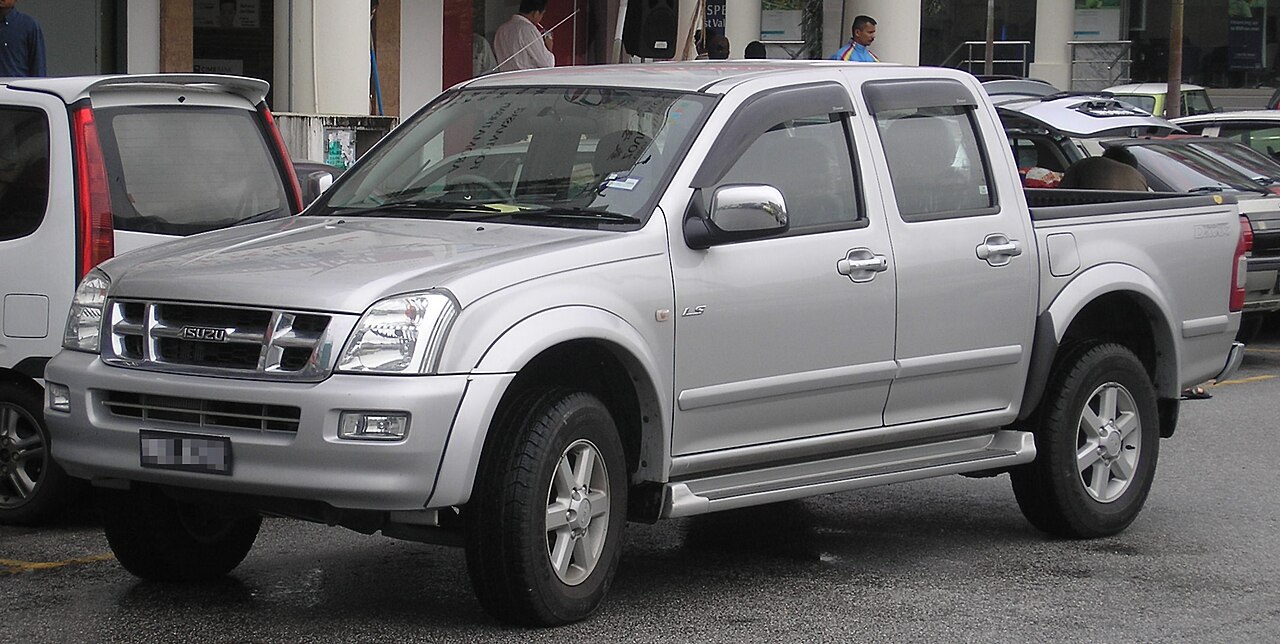
isuzu d-max 2002-2013 Maintenance Schedule
The Isuzu D-Max is a global workhorse, renowned for its durability and straightforward engineering, particularly in its first-generation iteration which spanned roughly from 2002 to 2013. This guide focuses on the Isuzu D-Max 2005, Isuzu D-Max 2006, Isuzu D-Max 2007, Isuzu D-Max 2008, Isuzu D-Max 2009, Isuzu D-Max 2010, Isuzu D-Max 2011, Isuzu D-Max 2012, and Isuzu D-Max 2013 models, providing a comprehensive look at their maintenance schedules, common issues, and parts availability. Developed as a successor to Isuzu's Faster/Fuego line, the first-gen D-Max was built on a robust commercial pickup architecture, available in various cab configurations including single, extended, and crew cabs, with both 4x2 and 4x4 options. Global markets predominantly saw Isuzu's reliable 2.5L and 3.0L diesel engines, often the 4JH1/4JJ1 variants, delivering outputs around 130-136 horsepower. These were typically paired with a 5-speed manual or a 4-speed automatic transmission. The chassis setup commonly featured double-wishbone front suspension, rear leaf springs, front ventilated disc brakes, and rear drum brakes, forming a dependable foundation for a work truck. In regions like Nigeria, the Isuzu D-Max 2002, Isuzu D-Max 2003, and Isuzu D-Max 2004 were also popular, treated as robust utility vehicles. The shared platform with other Isuzu commercial vehicles and regional variants means parts sourcing can be advantageous, though availability can vary significantly based on engine type and specific configuration. Understanding the maintenance needs of your Isuzu D-Max 2011 or Isuzu D-Max 2012 is key to unlocking its full lifespan and avoiding costly repairs. This guide aims to equip owners with the knowledge to keep their trucks running optimally.
Fluids
| Service | Interval | Notes |
|---|---|---|
| Engine Oil and Oil Filter Replacement Critical | 16,000 km / 12 mo 8,000 km if severe use | Regular replacement of engine oil and filter is crucial to remove contaminants and maintain lubrication. Neglecting this can lead to accelerated engine wear, turbo stress, and sludge buildup. Warning signs include a noisy valvetrain, dark and thick oil, or a low oil level. This service is vital for the longevity of your Isuzu D-Max 2008. |
| Brake Fluid Replacement Critical | 24 mo | Brake fluid absorbs moisture over time, reducing its boiling point and potentially causing a spongy pedal feel or internal corrosion. Replacing it every two years ensures consistent braking performance and system integrity. Dark or cloudy fluid is a sign it needs changing for your Isuzu D-Max 2006. |
| Transmission Fluid Service | 100,000 km 60,000 km if severe use | Transmission fluid lubricates and cools internal components. Neglecting its service can lead to slipping, harsh shifts, and premature wear. Check for delayed shifts or a burnt smell. This service is important for the Isuzu D-Max 2007, especially for automatic transmissions. |
| Differential Oil Change | 96,000 km 64,000 km if severe use | Differential oil lubricates the gears in the axle housing. Old or contaminated oil can lead to gear wear, noise, and bearing failure. Listen for whining or clunking sounds, and check for leaks. This is a key maintenance item for the Isuzu D-Max 2011, particularly for 4x4 models. |
Filters
| Service | Interval | Notes |
|---|---|---|
| Fuel Filter Replacement Critical | 32,000 km / 12 mo 16,000 km if severe use | Replacing the fuel filter prevents dirt and water from reaching the sensitive fuel injection system, which is especially important in diesel engines. Clogged filters can cause hard starting, injector damage, and power loss. Look for hesitation, surging, or a warning light as indicators. For the Isuzu D-Max 2009, timely fuel filter changes are paramount. |
| Air Filter Replacement | 24,000 km 16,000 km if severe use | A clean air filter ensures the engine receives adequate air for combustion, optimizing fuel economy and reducing emissions. A dirty filter can lead to increased exhaust smoke and reduced acceleration. Check for dust buildup in the intake system. Frequent replacement is recommended in dusty environments for your Isuzu D-Max 2010. |
Cooling
| Service | Interval | Notes |
|---|---|---|
| Coolant Flush and Replacement Critical | 64,000 km / 24 mo 48,000 km if severe use | Coolant prevents overheating and corrosion within the cooling system. Old coolant loses its effectiveness, leading to overheating, pump damage, or radiator issues. Signs include coolant loss, temperature spikes, or rust in the system. Maintaining coolant is critical for the Isuzu D-Max 2005. |
| Inspect Hoses and Belts | 48,000 km | Rubber hoses and drive belts can crack, fray, or degrade over time, especially in hot climates. Inspect them for signs of wear during other services. A failed belt or hose can lead to overheating or loss of power. This is a key check for the Isuzu D-Max 2013. |
Belts
| Service | Interval | Notes |
|---|---|---|
| Timing Belt Service Critical | 160,000 km 100,000 km if severe use | The timing belt synchronizes the engine's camshaft and crankshaft. Failure can cause catastrophic engine damage. This service typically includes replacing the belt, tensioners, and often the water pump. A squealing noise or unknown service history warrants immediate attention for your Isuzu D-Max 2012. |
Suspension
| Service | Interval | Notes |
|---|---|---|
| Front Suspension Inspection | — | Regular inspection of suspension components like ball joints, tie rods, and bushings is vital for safe handling and even tire wear. Clunks, wandering, or uneven tire wear are signs of wear. This check is recommended at every service for the Isuzu D-Max 2013. |
Drivetrain
| Service | Interval | Notes |
|---|---|---|
| Clutch System Check | — | For manual transmission models, checking clutch pedal feel, engagement point, and for fluid leaks is important. Clutch wear is accelerated by heavy use, towing, or stop-start driving. A high biting point or slipping under load indicates the need for service on your Isuzu D-Max 2005. |
Inspection
| Service | Interval | Notes |
|---|---|---|
| EGR and Intake System Cleaning | — | Diesel engines can accumulate soot in the EGR valve and intake manifold, leading to black smoke, reduced boost, and rough idling. Cleaning these components can restore performance. This is a common maintenance task for diesel variants like the Isuzu D-Max 2007. |
Electrical
| Service | Interval | Notes |
|---|---|---|
| Battery Test | — | Regularly testing the battery ensures reliable starting, especially in extreme climates. A battery typically lasts 2-4 years. Weak cranking or intermittent electrical issues can point to a failing battery. This is a standard check for all Isuzu D-Max models, including the Isuzu D-Max 2010. |
Consumables
| Service | Interval | Notes |
|---|---|---|
| Wiper Blade Replacement | — | Wiper blades degrade over time, reducing visibility in wet conditions. Replace them when they streak, chatter, or leave spots. This is a simple, inexpensive maintenance item that significantly improves safety, important for any Isuzu D-Max 2012. |
Upkeep Tips
Owning a first-generation Isuzu D-Max, whether it's an Isuzu D-Max 2005 or an Isuzu D-Max 2013, means embracing its reputation for ruggedness while being mindful of its specific maintenance needs. The diesel engines, particularly the 4JH1 and 4JJ1 variants, are generally robust but demand diligent care, especially concerning the fuel system. In regions where fuel quality can be inconsistent, such as Nigeria, it is absolutely critical to pay close attention to the fuel filter and pre-filter. Consider shortening the recommended replacement intervals significantly from the standard 16,000-32,000 km. Water contamination and particulate matter are the primary enemies of diesel injectors and high-pressure fuel pumps. Regularly draining the water separator, if equipped, is a simple but vital step. For owners of an Isuzu D-Max 2007 or an Isuzu D-Max 2010, paying attention to the EGR and intake system is also paramount. Soot buildup is a common issue that can lead to reduced power, black smoke, and rough idling. Regular cleaning of the intake manifold and EGR valve, perhaps every 40,000-60,000 km or sooner if symptoms arise, can prevent more serious problems and maintain optimal engine performance. Short trips and prolonged idling exacerbate soot accumulation, so try to incorporate longer drives at highway speeds when possible to allow the system to clear itself. The cooling system is another area that warrants conservative maintenance. Overheating in diesel engines, especially those with cast-iron blocks and aluminum heads, can quickly lead to expensive repairs like head gasket failure or warped cylinder heads. Adhere strictly to the coolant flush intervals, typically every 24 months or 48,000-64,000 km, and use the correct type of coolant. Inspect hoses for any signs of swelling, cracking, or hardness, and check the radiator for leaks or corrosion. The suspension on these trucks is designed for durability but will wear, especially on rough roads. Regular inspections for clunks, excessive play in steering, or uneven tire wear are essential. Addressing worn ball joints, tie rod ends, and bushings promptly will not only improve handling and safety but also prevent premature tire replacement and potential damage to other components. For manual transmission models, monitor clutch pedal feel. A high biting point or slipping under load signifies impending wear. While clutch replacement is a significant expense, its lifespan can be extended with smoother driving habits and avoiding excessive strain, particularly when towing or carrying heavy loads. The Isuzu D-Max 2002, Isuzu D-Max 2003, and Isuzu D-Max 2004, like their successors, benefit immensely from a documented maintenance history. When buying or selling, a clean record of oil changes, filter replacements, and coolant services adds considerable value and reduces the risk of unexpected repair bills. For fleet operators or heavy-duty users, consider shortening all service intervals by 25-50% depending on operating conditions. This proactive approach is the most effective way to ensure the longevity and reliability of your Isuzu D-Max 2008, Isuzu D-Max 2009, Isuzu D-Max 2011, Isuzu D-Max 2012, or Isuzu D-Max 2013.
Add-ons & Upgrades
All-weather Floor Mats
These mats protect your truck's carpet from mud, dirt, water, and worksite debris, making cleanup easier and preserving the interior. They are essential for maintaining the condition of your Isuzu D-Max 2005.
Shop on AmazonSeat Covers
Protect your original seats from wear, spills, and sun damage. Seat covers are a cost-effective way to maintain the interior's appearance and comfort, especially for a work truck like the Isuzu D-Max 2007.
Shop on AmazonOBD2 Scanner
A diagnostic tool that reads engine trouble codes and live data, helping you understand potential issues before they become major problems. Essential for troubleshooting your Isuzu D-Max 2010.
Shop on AmazonDash Cam
Records your driving, providing evidence in case of accidents and acting as a theft deterrent. A valuable accessory for any vehicle, including your Isuzu D-Max 2012.
Shop on AmazonPhone Mount
Allows for safe, hands-free use of your smartphone for navigation and calls. Keeps your device accessible without distracting from driving. Useful for all Isuzu D-Max models.
Shop on AmazonCargo Organizer
Helps keep tools, gear, and other items secure and organized in the truck bed or cabin. Prevents items from shifting during transit, suitable for the Isuzu D-Max 2013.
Shop on AmazonSunshade
Reduces cabin temperature by blocking direct sunlight, protecting the interior from UV damage and making the vehicle more comfortable upon entry. Recommended for all Isuzu D-Max variants.
Shop on AmazonWhere to Buy Parts
Frequently Asked Questions
Is the 2005–2013 Isuzu D-Max reliable for long-term use?+
Yes, the first-generation Isuzu D-Max is generally regarded as a durable work pickup when it is maintained properly, especially around fuel filtration, cooling, and suspension wear. Its reliability is strongest on trucks with documented service history and weak-point prevention rather than reactive repairs. The main risks come from neglected diesel maintenance, overheating, and hard commercial use, not from a fundamentally fragile platform. Proper care ensures models like the Isuzu D-Max 2008 and Isuzu D-Max 2011 can last for many years.
What are the most common Isuzu D-Max 2007 problems?+
For 2007-era trucks, the common issues are usually fuel restriction, intake soot buildup, clutch wear, and suspension noise on rough roads. These problems often show up as hesitation, black smoke, rough idle, or clunks over bumps. On imported used vehicles, the real condition matters more than the year alone, because maintenance quality varies heavily. Regular fuel filter changes are key for the Isuzu D-Max 2007.
Does the Isuzu D-Max 2010 need a timing belt service?+
On diesel variants in this generation, timing service planning is important because belt-driven diesel layouts can become expensive if neglected. The exact interval depends on engine code and market specification, but a cautious owner should verify service records and assume timing work is a priority if the belt age is unknown. This is especially important on used imports where odometer accuracy may be uncertain for your Isuzu D-Max 2010.
Why do some Isuzu D-Max trucks regenerate too often?+
Later first-gen and region-specific diesel variants may have emissions hardware that becomes sensitive to short trips, poor fuel quality, or excessive soot loading. When regeneration happens too often, owners often notice repeated warning lights, power reduction, or unusual fan/idle behavior. The best prevention is clean fuel, long enough drives for full operating temperature, and periodic intake/exhaust diagnostics. This can affect models like the Isuzu D-Max 2014.
What should a buyer check before purchasing a used Isuzu D-Max?+
Check cold start behavior, smoke level, coolant condition, clutch feel, steering play, and underbody corrosion. Also inspect whether the vehicle has evidence of frequent oil and fuel-filter changes, because that is often the difference between a dependable work truck and an expensive diesel project. If possible, do a pre-purchase scan and verify VIN-based recall status before payment. This advice is crucial for any model, including the Isuzu D-Max 2005 and Isuzu D-Max 2012.
How often should the fuel filter be replaced on an Isuzu D-Max diesel?+
The recommended interval for fuel filter replacement on a diesel Isuzu D-Max is typically every 16,000-32,000 km or 12 months. However, in environments with questionable fuel quality, it is highly advisable to shorten this interval considerably, perhaps to 10,000 km or even less, to prevent potential damage to the fuel injection system. This proactive approach is vital for models like the Isuzu D-Max 2006 and Isuzu D-Max 2009.
What are the common suspension issues for the Isuzu D-Max?+
Common suspension issues for the Isuzu D-Max include wear in ball joints, tie rod ends, and bushings. These can manifest as clunking noises over bumps, wandering steering, or uneven tire wear. Rough road conditions accelerate this wear. Regular inspections, especially for models like the Isuzu D-Max 2007, 2011, and 2013, are important to maintain safe handling and prevent further damage.