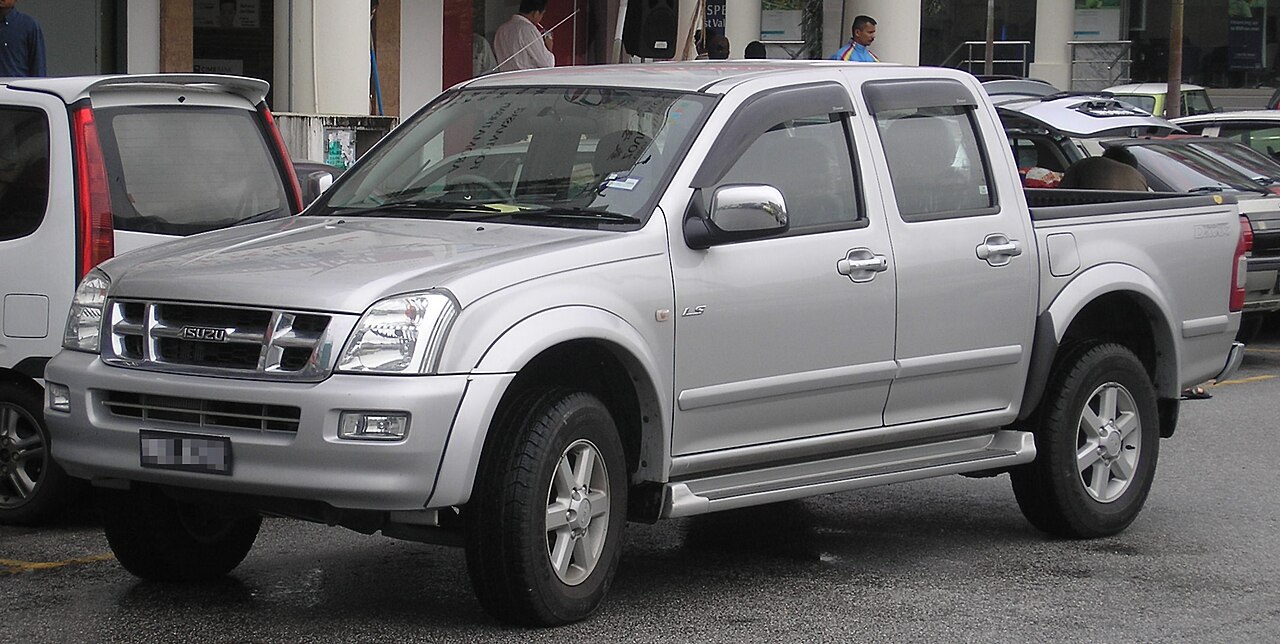
isuzu d-max 2002-2013 Spare Parts & Pricing
The Isuzu D-Max, particularly the first generation produced from 2005 to 2015, has carved out a reputation as a robust and dependable workhorse in the global midsize pickup truck segment. Developed as a successor to Isuzu's Faster/Fuego line, this generation was built on a strong commercial-pickup architecture, offering a range of body styles including single cab, extended cab, and crew cab configurations. Buyers could choose between 4x2 and 4x4 drivetrains, paired with either manual or automatic transmissions, depending on specific market offerings and trim levels. For the 2002 D-Max, the initial models set the stage for a vehicle designed for utility and durability. Globally, the heart of the first-generation D-Max was often found in its reliable diesel engines, primarily the 2.5L and 3.0L Isuzu diesel families. Engines like the 4JH1 and 4JJ1 were common in many export markets, typically producing around 130-136 horsepower with torque figures in the range of 279-300 Nm. These engines were usually mated to a 5-speed manual or a 4-speed automatic transmission. The truck's underpinnings featured a double-wishbone front suspension and rear leaf springs, complemented by front ventilated disc brakes and rear drum brakes. The Isuzu D-Max 2003 continued this robust mechanical setup. Recognizing its shared platform with other Isuzu commercial vehicles and regional variants, the D-Max benefits from a degree of parts interchangeability, which is particularly advantageous in markets with diverse vehicle populations. In regions like Nigeria, the Isuzu D-Max 2004 is often regarded as a tough work truck, though the availability of specific aftermarket and used parts can fluctuate based on engine type and configuration. The 2005 D-Max, marking a significant portion of this generation, embodies these characteristics. The 2006 facelift brought minor updates, but the core strengths of the first generation remained. Owners of the Isuzu D-Max 2007 often appreciate its straightforward mechanicals and the availability of parts, though specific needs might vary. This generation's broad appeal stems from its utilitarian design and the expectation of long service life when properly maintained. For potential buyers, understanding the common issues and maintenance needs is crucial. The Isuzu D-Max 2008, for instance, might start showing signs of wear on suspension components if driven on rough roads. Owners looking at the Isuzu D-Max 2009 will find a truck known for its resilience. Similarly, the Isuzu D-Max 2010 continues this legacy. The Isuzu D-Max 2011 and Isuzu D-Max 2012 also benefit from the established platform, offering dependable service. Even the later models like the Isuzu D-Max 2013 maintain the core attributes that made this generation popular. This guide aims to provide comprehensive information on parts, maintenance, common problems, and ownership insights for this enduring pickup truck.
Engine
| Part | Price Range | Availability | Interval |
|---|---|---|---|
| Timing Belt Kit Includes timing belt, tensioners, and sometimes idler pulleys. Essential for preventing catastrophic engine damage if the belt breaks. Recommended replacement interval varies by specific engine and operating conditions, especially critical for diesel variants. | $90 – $650 | Widely available | 60,000–100,000 miles |
| Water Pump Often replaced concurrently with the timing belt to save on labor costs, as access requires similar disassembly. A failing water pump can lead to overheating and related engine damage. | $30 – $180 | Widely available | Recommended with timing belt service |
| Valve Cover Gasket Prevents oil leaks from the top of the engine. Leaks can lead to low oil levels, oil burning, and potential fire hazards if oil drips onto hot exhaust components. | $15 – $70 | Widely available | As needed |
Suspension
| Part | Price Range | Availability | Interval |
|---|---|---|---|
| Shocks (Front) Crucial for ride comfort and handling. Worn shocks can cause a bouncy ride, poor tire wear, and reduced vehicle stability, especially on rough terrain. | $35 – $220 | Widely available | 40,000–100,000 miles, or by wear |
| Ball Joints Key components in the front suspension allowing for steering and wheel articulation. Worn ball joints can cause clunking noises, steering wander, and uneven tire wear. | $20 – $120 | Widely available | Inspect regularly, replace by wear |
| Bushings (Control Arm, etc.) Rubber or polyurethane components that absorb vibration and allow suspension movement. Deteriorated bushings lead to noise, poor alignment, and compromised handling. | $15 – $90 | Widely available | Inspect regularly, replace by wear |
Brakes
| Part | Price Range | Availability | Interval |
|---|---|---|---|
| Brake Pads (Front) Essential for stopping power. Worn pads can cause noise, reduced braking effectiveness, and damage to the brake discs. | $20 – $160 | Widely available | 20,000–50,000 miles, or by wear |
| Brake Discs (Rotors) Work in conjunction with brake pads to slow the vehicle. Warped or excessively worn discs can lead to pulsating brakes and reduced stopping distance. | $40 – $280 | Widely available | Inspect with pads, replace when worn or warped |
Steering
| Part | Price Range | Availability | Interval |
|---|---|---|---|
| Tie Rod Ends Connect the steering rack to the steering knuckles. Worn tie rods cause steering looseness, uneven tire wear, and alignment issues. | $25 – $240 | Widely available | Inspect regularly, replace by wear |
Electrical
| Part | Price Range | Availability | Interval |
|---|---|---|---|
| Alternator Provides electrical power to the vehicle's systems and charges the battery. A failing alternator can lead to battery drain, electrical issues, and stalling. | $35 – $380 | Widely available | 8–15 years, or by failure |
Cooling System
| Part | Price Range | Availability | Interval |
|---|---|---|---|
| Radiator Dissipates heat from the engine coolant. Leaks or blockages can cause severe overheating, leading to engine damage. | $45 – $420 | Widely available | Inspect regularly, replace by condition or failure |
| Thermostat Regulates engine coolant temperature. A stuck thermostat can cause overheating or prevent the engine from reaching optimal operating temperature. | $20 – $260 | Widely available | Every 24 months, or by condition |
Fuel System
| Part | Price Range | Availability | Interval |
|---|---|---|---|
| Fuel Filter Crucial for diesel engines to prevent injector damage from contaminated fuel. Regular replacement is vital, especially in markets with variable fuel quality. | $20 – $90 | Widely available | 10,000–20,000 miles, or by warning light |
Drivetrain
| Part | Price Range | Availability | Interval |
|---|---|---|---|
| Clutch Kit Includes clutch disc, pressure plate, and release bearing. Wear is accelerated by heavy load, towing, and stop-start driving. | $90 – $1.2k | Widely available | As needed, depending on use |
| Slave Cylinder Part of the clutch hydraulic system. Often replaced simultaneously with the clutch kit to ensure complete repair and prevent future issues. | $45 – $650 | Widely available | Recommended with clutch kit |
Sensors
| Part | Price Range | Availability | Interval |
|---|---|---|---|
| Mass Air Flow (MAF) Sensor Measures the amount of air entering the engine, critical for fuel mixture calculation. A faulty MAF sensor can cause poor performance, rough idle, and check engine lights. | $20 – $220 | Widely available | As needed |
Body
| Part | Price Range | Availability | Interval |
|---|---|---|---|
| Headlamps Essential for visibility and safety. Replacement may be needed due to cracks, condensation, or fading from UV exposure. | $25 – $700 | Widely available | As needed due to damage or age |
Service Items
| Part | Price Range | Availability | Interval |
|---|---|---|---|
| Wiper Blades The cheapest routine maintenance item. Ensures clear visibility in rain and poor weather conditions. Regular replacement is recommended for optimal performance. | $8 – $90 | Widely available | 6–12 months, or by performance |
Buying Guide
When considering a used first-generation Isuzu D-Max, particularly models spanning from 2005 to 2015, a thorough inspection focusing on its core strengths and potential weaknesses is paramount. These trucks are built for utility, and their condition often reflects their service history. The Isuzu D-Max 2005 models set a precedent for durability.
Engine and Drivetrain: The Isuzu D-Max is renowned for its diesel engines, typically the 2.5L and 3.0L variants. Listen for any unusual noises, excessive smoke (especially black smoke, indicating rich fuel mixture or incomplete combustion, or blue smoke, indicating oil burning), or hesitation during acceleration. Check for leaks around the engine, transmission, and differentials. The 4JH1 and 4JJ1 engines are generally robust, but fuel system integrity is key. For the Isuzu D-Max 2006, pay attention to any signs of wear from its facelifted status.
Pay close attention to the fuel system, as diesel contamination or clogged filters are common issues. The fuel filter and pre-filter should be checked for service history. If the truck exhibits hard starting, rough idling, or power loss, these are strong indicators of fuel system problems. The Isuzu D-Max 2007 might present these symptoms if maintenance has been deferred.
Transmission: Whether manual or automatic, test both thoroughly. For manual transmissions, check for smooth gear engagement, clutch pedal feel (not too high or too low biting point), and any signs of slipping under load. A worn clutch is a common issue, especially on heavily used trucks. For automatic transmissions, ensure shifts are smooth and without hesitation or harshness. The Isuzu D-Max 2008, like other models, requires a functional transmission for reliable operation.
Suspension and Steering: The double-wishbone front suspension and rear leaf springs are generally durable but can wear out, especially on rough roads. Listen for clunks or rattles over bumps, which can indicate worn ball joints, bushings, or tie rods. Check for uneven tire wear, which points to alignment issues or suspension component wear. Test the steering for looseness or excessive play. The Isuzu D-Max 2009 often needs attention in this area if used extensively off-road or on poor surfaces.
Brakes: Inspect the brake pads and discs for wear. Test the brakes for any pulsations, grinding noises, or a spongy pedal, which could indicate worn pads, rotors, or issues with the hydraulic system. The Isuzu D-Max 2010 should have responsive braking.
Cooling System: Overheating is a significant concern for diesel engines. Check the radiator for leaks or corrosion, inspect hoses for cracks or swelling, and ensure the coolant level is appropriate and clean. A failed water pump or thermostat can quickly lead to expensive engine damage. The Isuzu D-Max 2011, if poorly maintained, could be susceptible to cooling issues.
Electrical Systems: Test all lights, indicators, wipers, horn, and dashboard instruments. Check the battery condition and the alternator's output if possible. While generally reliable, age can affect sensors and wiring harnesses. The Isuzu D-Max 2012 should have all its electrical components functioning correctly.
Body and Chassis: Inspect for rust, especially on the frame, wheel arches, and door sills. Check the condition of the paintwork and look for signs of past accident damage. The Isuzu D-Max 2013, being one of the later models of this generation, should ideally show less wear, but a thorough check is still necessary.
Documentation and History: Always ask for maintenance records. A truck with a documented history of regular oil changes, filter replacements, and coolant flushes is a much safer bet. For trucks imported into markets like Nigeria, verify any recall status through the VIN. The overall maintenance history is often a better indicator of a truck's longevity than its mileage alone. A well-maintained Isuzu D-Max 2005–2015 will offer years of service.
Common Accessories
All-weather Floor Mats
These mats protect the vehicle's carpet from dirt, mud, water, and debris, making cleanup easier and preserving the interior condition. They are particularly useful for work trucks or in areas with inclement weather.
Shop on AmazonSeat Covers
Seat covers offer protection against wear, spills, and UV damage, helping to maintain the condition of the original upholstery. They can also provide a comfort upgrade or cover existing damage.
Shop on AmazonOBD2 Scanner
An OBD2 scanner allows owners to read diagnostic trouble codes (DTCs) from the vehicle's computer, helping to identify potential issues and guide troubleshooting efforts. Essential for DIY diagnostics.
Shop on AmazonDash Cam
A dash camera records video footage of the road ahead, serving as evidence in case of accidents, providing security against theft, and offering accountability for fleet vehicles.
Shop on AmazonPhone Mount
A secure mount for a smartphone provides convenient access to navigation and hands-free calling, improving safety and ease of use while driving.
Shop on AmazonCargo Organizer
These organizers help secure tools, equipment, and other items in the truck bed or cabin, preventing them from shifting during transit and keeping the cargo area tidy.
Shop on AmazonSunshade
A windshield sunshade helps reduce interior cabin temperature by blocking direct sunlight, protecting the dashboard and interior components from UV damage and heat buildup.
Shop on AmazonRoof Rack / Bed Rack
These accessories expand cargo-carrying capacity, allowing for the transport of bulky items, recreational gear, or additional equipment, enhancing the utility of the pickup.
Shop on AmazonWhere to Buy Parts
Frequently Asked Questions
Is the 2005–2015 Isuzu D-Max reliable for long-term use?+
Yes, the first-gen D-Max is generally regarded as a durable work pickup when it is maintained properly, especially around fuel filtration, cooling, and suspension wear. Its reliability is strongest on trucks with documented service history and weak-point prevention rather than reactive repairs. The main risks come from neglected diesel maintenance, overheating, and hard commercial use, not from a fundamentally fragile platform.
What are the most common 2007 Isuzu D-Max problems?+
For 2007-era trucks, the common issues are usually fuel restriction, intake soot buildup, clutch wear, and suspension noise on rough roads. These problems often show up as hesitation, black smoke, rough idle, or clunks over bumps. On imported used vehicles, the real condition matters more than the year alone, because maintenance quality varies heavily.
Does the 2010 Isuzu D-Max need a timing belt service?+
On diesel variants in this generation, timing service planning is important because belt-driven diesel layouts can become expensive if neglected. The exact interval depends on engine code and market specification, but a cautious owner should verify service records and assume timing work is a priority if the belt age is unknown. This is especially important on used imports where odometer accuracy may be uncertain.
Why do some 2014 Isuzu D-Max trucks regenerate too often?+
Later first-gen and region-specific diesel variants may have emissions hardware that becomes sensitive to short trips, poor fuel quality, or excessive soot loading. When regeneration happens too often, owners often notice repeated warning lights, power reduction, or unusual fan/idle behavior. The best prevention is clean fuel, long enough drives for full operating temperature, and periodic intake/exhaust diagnostics.
What should a buyer check before buying a used D-Max in Nigeria?+
Check cold start behavior, smoke level, coolant condition, clutch feel, steering play, and underbody corrosion. Also inspect whether the vehicle has evidence of frequent oil and fuel-filter changes, because that is often the difference between a dependable work truck and an expensive diesel project. If possible, do a pre-purchase scan and verify VIN-based recall status before payment.
What are the most expensive repairs for a first-gen Isuzu D-Max?+
The most expensive repairs typically involve major engine work due to overheating (like head gasket failure), transmission overhauls from heavy use, or complex fuel system issues if contaminated diesel has damaged injectors or the high-pressure pump. Clutch replacement on manual transmissions can also be costly due to labor involved.
How does maintenance differ for diesel vs. petrol D-Max models?+
Diesel models require more diligent attention to fuel filtration and quality, as contaminated fuel can quickly damage expensive injectors and pumps. They may also have EGR systems that need regular cleaning to prevent soot buildup. Petrol variants generally have simpler fuel systems but may require spark plug and ignition system maintenance more frequently.
Can I find parts for an Isuzu D-Max 2012 easily in most markets?+
Yes, parts for the first-generation Isuzu D-Max, including the 2012 model, are generally widely available globally through OEM dealers and the aftermarket. In regions like Nigeria, common parts are accessible through major spare parts markets, though specific engine variants might require more specialized sourcing.