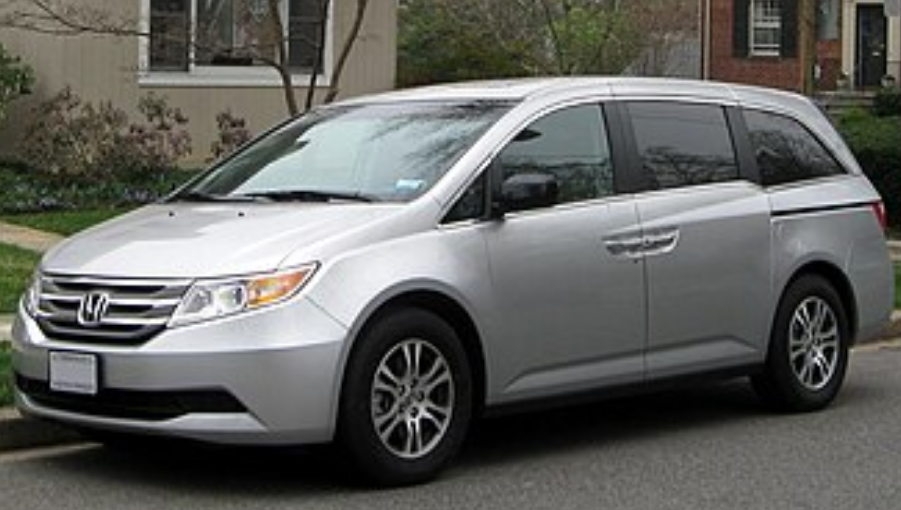
honda odyssey 2011-2017 Common Problems & Issues
The fourth-generation Honda Odyssey, chassis code RL5 for the North American market, was introduced as a full-size family minivan for the 2011 model year and continued through the 2017 model year. This popular minivan, known for its spacious interior and family-friendly features, saw production for the Honda Odyssey 2011, Honda Odyssey 2012, Honda Odyssey 2013, Honda Odyssey 2014, Honda Odyssey 2015, Honda Odyssey 2016, and Honda Odyssey 2017 models. Owners and prospective buyers often seek information regarding common issues such as Honda Odyssey transmission problems and Honda Odyssey oil consumption VCM concerns, which are frequently reported across various model years. Under the hood, all models in this generation were equipped with a 3.5 L V6 J35-series engine, producing approximately 248–251 horsepower. Early volume trims of the Honda Odyssey 2011 and some Touring trims initially featured a 5-speed automatic transmission, while later and other trims, including the Honda Odyssey 2012, Honda Odyssey 2013, and subsequent years, primarily utilized a 6-speed automatic transmission. The Touring and Touring Elite trims, for instance, often came with the 6-speed automatic. These transmissions are known to use DW-1 compatible ATF, as specified in various Technical Service Bulletins (TSBs). Drive was exclusively front-wheel drive (FWD) for the North American RL5 series, with no all-wheel drive option available. Common trim levels included LX, EX, EX-L, Touring, and Touring Elite, with features like navigation, rear-entertainment systems, and power sliding doors escalating with higher trims. The RL5 platform is dedicated to the Odyssey minivan, though it shares some component commonality, particularly powertrain components, with other Honda models like the Pilot, which also uses the J35 engine. This guide delves into common issues, such as specific 2011 Odyssey problems, Odyssey transmission problems, Odyssey oil consumption VCM, and Odyssey sliding door issues, providing detailed insights for owners of any Honda Odyssey 2011-2017 model.
1
Critical
3
Moderate
0
Minor
Known Issues
Transmission Judder or Hesitation on Upshifts
ModerateOwners of the Honda Odyssey 2011, Honda Odyssey 2012, and Honda Odyssey 2013 models have particularly reported experiencing a surge, hesitation, or judder sensation after shifts into 2nd, 3rd, or 4th gear, often accompanied by rough or harsh shift sensations. This widespread complaint is primarily linked to software calibration issues within the 6-speed automatic transmissions and can also be exacerbated by degraded ATF (automatic transmission fluid). In some cases, mechanical wear may also contribute to the problem. Honda issued a TSB recommending a software update and ATF replacement for customer-owned vehicles to address this. Diagnosis typically involves a road test to reproduce the judder, reading transmission diagnostics, confirming the software revision against the latest TSB, and inspecting the ATF condition and level. For minor judder, some owners report temporary improvement with a full ATF drain and refill, which can be a DIY task for competent individuals. However, a software reflash requires a dealer or specialized scan tool. Professional repairs involve the dealer performing the software update and ATF replacement as per the TSB. If internal damage is present, a partial or full transmission rebuild or replacement may be necessary. The cost for a TSB-recommended software update and ATF drain/refill at a dealer ranges from $200 to $450, while a full transmission rebuild or replacement can cost $2,500 to $5,500, depending on whether a used or remanufactured unit is installed.
VCM-Related Oil Consumption and Piston Ring Issues
CriticalA significant concern for early-to-mid generation Honda Odyssey models, including the Honda Odyssey 2011, Honda Odyssey 2012, Honda Odyssey 2013, and even some Honda Odyssey 2014, Honda Odyssey 2015, and Honda Odyssey 2016 vehicles, is elevated oil consumption linked to the Variable Cylinder Management (VCM) system. Symptoms include needing frequent oil top-ups, fouled spark plugs, misfire codes, and sometimes a rough idle. Owners have reported consuming 1-2 or more quarts of oil between changes. The root cause is attributed to VCM operation, which can lead to piston ring glazing and wear in some J35-series VCM engines during low-load cylinder deactivation. Manufacturing and compound issues with the piston rings and their oil control behavior are implicated, though later model years saw improvements in ring design. Diagnosis involves monitoring the oil consumption rate, performing compression and leakdown tests, inspecting for spark plug fouling, and checking for VCM-related diagnostic codes. It's also important to rule out external oil leaks from components like the valve cover gasket or oil filter housing gasket. DIY fixes include frequent oil level monitoring, using high-quality oil, and replacing leaking valve cover gaskets or oil filter housing gaskets. Professional repairs often involve piston ring replacement, which constitutes a partial engine rebuild, or warranty repairs if covered. The cost for valve cover gasket and oil filter housing gasket replacement is typically $200–$600. A full engine piston ring job or partial engine rebuild can range from $2,500 to $6,000 or more.
Power Sliding Door Faults and Mechanical Failures
ModerateMany Honda Odyssey owners, across model years like the Honda Odyssey 2011, Honda Odyssey 2012, Honda Odyssey 2013, and later, have reported issues with the power sliding doors. Common symptoms include doors failing to open or close, slow operation, doors coming off their tracks, unusual noises, and complete motor failures. These problems are typically caused by wear in the power door motor, track hardware, misalignment, or electrical faults. Occasional failures of modules or actuators can also contribute. Diagnosis involves a visual inspection of the tracks, a motor current draw test, verification of actuator and limit switch functionality, and scanning for door motor diagnostic codes. Simple DIY fixes can sometimes resolve issues, such as lubricating the tracks, cleaning debris, adjusting roller or track hardware, or reseating electrical connectors. Owners can sometimes clear a jam to restore operation. However, professional repairs may be necessary, including replacing the door motor or actuator, rollers, or the entire sliding door assembly. Calibration of the power door module might also be required. While DIY lubrication or fuse checks might cost $0-$50, a power sliding door motor or regulator replacement typically costs $600–$1,400, including parts and labor.
Brake System Vibration and Pulsation
ModerateA common complaint, particularly noted in the Honda Odyssey 2011 and Honda Odyssey 2012 models, is strong vibration or pulsation felt under moderate to hard braking. This judder can be felt through both the brake pedal and the steering wheel. The primary causes for this brake system vibration are often warped front rotors, uneven pad deposits creating hot spots on the rotors, issues with the brake calipers, or excessive wheel/hub runout. Diagnosis typically involves measuring brake rotor runout, visually inspecting the brake pad condition, and checking for any play in the wheel bearings or hub assembly. DIY fixes can include resurfacing the rotors (if they are within specification for thickness), replacing the brake pads and rotors, and cleaning the caliper slides to ensure smooth operation. For professional repairs, replacing the rotors and pads is a standard procedure, costing $300–$700 per axle. If hub replacement or machining is required, the cost can increase to $500–$1,000. Addressing this issue promptly is important for safety, as it directly impacts braking performance.
What to Check Before Buying
Maintaining your Honda Odyssey 2011-2017 models, including the Honda Odyssey 2011, Honda Odyssey 2012, Honda Odyssey 2013, Honda Odyssey 2014, Honda Odyssey 2015, Honda Odyssey 2016, and Honda Odyssey 2017, is crucial for ensuring its longevity and reliability. While the Odyssey generally has a strong reputation for family use, specific issues like VCM oil consumption and transmission judder in certain early-model 6-speed automatic units can temper this view. Many owners, however, successfully achieve 200,000+ miles with diligent maintenance.
One of the most critical preventive tips specific to the RL5 generation is frequent oil checks. Due to the Variable Cylinder Management (VCM) system, owners should proactively monitor oil consumption between changes and top up as needed. It's recommended to use OEM or high-quality 0W-20/5W-20 oil, as Honda specifies, unless local hot or dusty climates necessitate a slightly thicker oil. Shorter oil change intervals, perhaps every 5,000 miles instead of the factory 7,500-10,000 miles, are also advisable in challenging environments to mitigate VCM-related wear and the risk of piston ring issues.
Transmission fluid service is another high-priority item. Owners should monitor ATF condition and adhere to any Technical Service Bulletins (TSBs) regarding transmission software updates. For vehicles experiencing transmission judder or for those purchased used, it's particularly important to consider an ATF replacement. Keeping detailed records of ATF service is vital, not only for maintenance tracking but also for enhancing resale value, as documented transmission maintenance can alleviate buyer concerns about Honda Odyssey transmission problems.
Proactively addressing small oil leaks is also important. If you notice symptoms of a leaking valve cover gasket or oil filter housing gasket, replacing these components promptly can prevent significant oil loss, fouled spark plugs, and potential engine damage. These parts are among the most frequently replaced, along with brake pads and rotors, spark plugs, and suspension shocks/struts.
For routine maintenance, the factory schedule typically recommends oil and filter changes every 7,500–10,000 miles, with tire rotations at similar intervals. Iridium spark plugs are usually rated for around 100,000 miles, but inspection and replacement at 60,000-100,000 miles might be prudent if misfires or oil fouling are present, especially in models like the Honda Odyssey 2011 or Honda Odyssey 2012 which are more prone to VCM issues. Brake fluid should be flushed approximately every two years, and coolant every 60,000-100,000 miles. The J35-series engine uses a timing chain, which typically lasts the life of the engine, but it should be inspected as per the manual at higher mileages. Air and cabin filters should be inspected with each oil change and replaced every 15,000–30,000 miles, more frequently in dusty conditions.
In hot, humid, or dusty climates, such as those found in many regions globally, including specific markets where the Honda Odyssey is popular, owners should shorten oil change intervals to 5,000 miles and use high-quality filters and OEM-spec oil. Frequent checks for oil leaks are essential. To protect electronics and infotainment systems, parking in shaded areas and ensuring cabin drain channels are clear to prevent water intrusion are good practices. Frequent air filter replacements and undercarriage washes can help remove dust and other corrosive elements. Overall, a comprehensive maintenance history, especially one detailing TSB services like transmission software updates and consistent oil changes, significantly improves the resale value and reduces the perceived risk associated with VCM and transmission issues for any Honda Odyssey 2011-2017 model.
Where to Buy Parts
Frequently Asked Questions
Is the 2011 Honda Odyssey reliable long-term?+
Many owners find the 2011 Honda Odyssey reliable when properly maintained. However, the 2011-2013 period has elevated incidents of transmission judder and higher oil consumption linked to VCM in some units. Consistent oil checks, following TSB ATF/firmware service, and prompt gasket repairs significantly reduce long-term risk and contribute to its overall durability.
Do 2014 or 2016 Odyssey models still have VCM oil consumption problems?+
Reports indicate improvements in later model years, but VCM oil consumption problems are not universally eliminated. Some 2014-2016 Honda Odyssey owners still report oil-use issues, while others experience none. It is advisable to inspect service history for any piston-ring or VCM-related repairs and diligently monitor oil consumption early in ownership to catch potential issues.
How much will a transmission judder fix cost for a 2011–2013 Odyssey?+
For a 2011-2013 Honda Odyssey with transmission judder, per the TSB, dealers should apply a software update and, for customer-owned vehicles, replace the ATF. This service typically costs around $200–$450. However, if internal damage is present, a transmission rebuild or a remanufactured unit could cost $2,500–$5,500, making it a significantly more expensive repair.
What routine maintenance items should I prioritize in a hot/dusty climate?+
In hot or dusty climates, prioritize shortening oil change intervals to approximately 5,000 miles and replacing air and cabin filters more frequently. Regularly check for oil leaks, especially from the valve cover and oil filter housing gaskets, and ensure the cooling system is clean. These actions help reduce VCM-related wear and prolong engine life.
Are power sliding door repairs expensive for 2011 and 2012 Odyssey?+
Replacing a failed power sliding door motor or actuator on a 2011 or 2012 Honda Odyssey can be one of the pricier door repairs, costing $600–$1,400 installed. However, many issues are resolved with cheaper solutions like lubrication, track cleaning, or actuator refurbishment. Factor this potential repair into pre-purchase inspections for used vehicles.
What are the most expensive repairs for a Honda Odyssey RL5?+
The most expensive repairs for a Honda Odyssey RL5, particularly models like the Honda Odyssey 2011 to 2017, typically involve major drivetrain components. An engine piston ring job or partial engine rebuild due to VCM-related oil consumption can cost $2,500–$6,000+. A full transmission replacement or rebuild, often associated with transmission judder, can also range from $2,500–$5,500.
How can I improve the longevity of my Honda Odyssey in challenging climates?+
To improve longevity, especially in hot, humid, or dusty climates, shorten oil change intervals to 5,000 miles, use high-quality filters, and frequently check for oil leaks. Regularly replace air and cabin filters, park in shaded areas to protect electronics, and ensure drain channels are clear to prevent water intrusion. Consistent maintenance is key for models like the Honda Odyssey 2017.