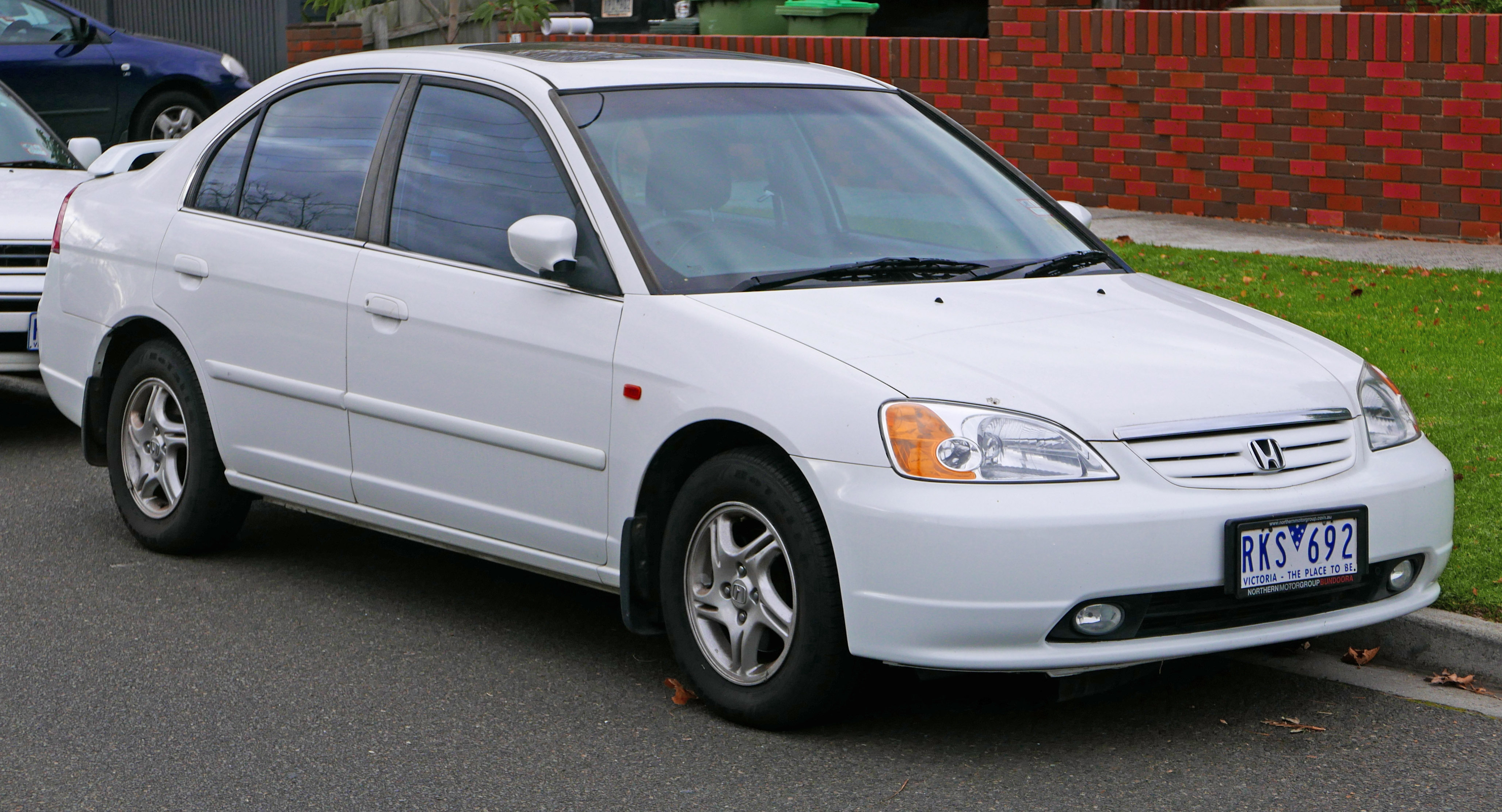
honda civic 2001-2005 Maintenance Schedule
The seventh-generation Honda Civic, produced from 2001 to 2005, remains a popular choice for its reliability and fuel efficiency. This generation was available in various global body styles, including sedans, coupes, hatchbacks, featuring common D-series gasoline engines (1.4L, 1.6L, 1.7L) and, in some markets, the performance-oriented 2.0L DOHC K20 engine for models like the Type R. Transmission options typically included 5-speed manuals and 4-speed automatics, with some markets offering CVT-like options for hybrid variants. The Civic's compact platform was shared across its body styles and even with some CR-V components, contributing to parts commonality and availability. While generally considered a durable vehicle, owners of the 2001-2005 Honda Civic should be aware of specific maintenance considerations to ensure its longevity. This guide provides a comprehensive 2001-2005 Honda Civic maintenance schedule, detailing the essential service intervals and tasks. Understanding the 7th gen Civic service intervals is crucial for preventing common issues and maintaining performance. For instance, the 2001 model year, in particular, has a higher reported incidence of transmission and power steering problems, making diligent maintenance even more important for these early units. High-cost repairs that owners might encounter include automatic transmission rebuilds or replacements, and steering rack replacements. Proactive maintenance, such as adhering to the specified Civic 60k maintenance 2003 checklist, can significantly mitigate the risk of these expensive failures. Regularly checking and replacing fluids, filters, and inspecting critical components like the power steering system and brakes are fundamental to extending the vehicle's lifespan. For example, specific attention to Civic transmission service 2001 models can help address known vulnerabilities. A well-documented maintenance history not only ensures the vehicle operates safely and efficiently but also significantly enhances its resale value. Buyers are often willing to pay more for vehicles with clear records of regular service, especially for critical items like the Honda Civic oil change 2002 records and evidence of completed Takata airbag recalls. Long-term ownership considerations should always include budgeting for potential suspension wear, particularly if the car has been driven on rough roads, and verifying the transmission service history. Paying attention to the Civic coolant change interval is also vital to prevent overheating and potential engine damage. This guide aims to equip owners with the knowledge to keep their 7th-generation Civic running smoothly for years to come.
Fluids
| Service | Interval | Notes |
|---|---|---|
| Engine Oil & Filter Change Critical | 8,000 km / 6 mo 5,000 km if severe use | Regularly changing the engine oil and filter is crucial for engine health. Skipping this service leads to accelerated engine wear, reduced lubrication, and potential gumming of internal components like VTEC/VTEC-E. Always use the manufacturer-recommended oil type and filter for optimal performance. |
Electrical
| Service | Interval | Notes |
|---|---|---|
| Spark Plugs Replacement | 100,000 km | Spark plugs ignite the air-fuel mixture in your engine. Over time, they wear out, leading to misfires, reduced fuel economy, and decreased engine performance. Replacing them at the recommended interval ensures efficient combustion and smooth engine operation. |
| Airbag System Recall Check Critical | — | Verify your vehicle's VIN against official recall databases for the Takata airbag inflator status. This is a critical safety recall due to a defective inflator propellant that can spray metal fragments upon deployment. This replacement must be performed by a dealer at no cost if covered by the recall. |
| Battery Inspection & Terminal Cleaning | 12 mo | Inspect battery terminals for corrosion and clean them as needed to ensure good electrical contact. Test the battery's voltage and cold cranking amps. A well-maintained battery ensures reliable starting and powers the vehicle's electrical systems, especially important in extreme climates. |
Drivetrain
| Service | Interval | Notes |
|---|---|---|
| Automatic Transmission Fluid Service Critical | 90,000 km 65,000 km if severe use | Inspect transmission fluid every 48,000 km (30,000 miles) and replace proactively, especially for 2001 models which have higher reported failure rates. Frequent fluid checks and early flushes can delay valve-body wear and prevent costly transmission failure. Skipping this service is a major risk. |
Cooling
| Service | Interval | Notes |
|---|---|---|
| Coolant Flush & Hoses Inspection Critical | 96,561 km / 12 mo 48,280 km if severe use | A coolant flush removes old, contaminated fluid and replenishes it with fresh coolant, preventing corrosion and maintaining engine temperature. The first flush is typically at 96,561 km (60,000 miles), then every 48,280 km (30,000 miles) thereafter. Skipping risks overheating and potential head gasket issues. Inspect hoses annually for cracks or leaks. |
Brakes
| Service | Interval | Notes |
|---|---|---|
| Brake Fluid Replacement Critical | 24 mo | Brake fluid absorbs moisture over time, which can lead to corrosion in the braking system and a 'spongy' pedal feel. Replacing it every two years ensures optimal braking performance and prevents damage to ABS components. This is a critical safety item. |
| Brake System Inspection Critical | 48,280 km | Inspect brake pads, rotors, calipers, and lines for wear, damage, or sticking. Routine cleaning and lubrication of caliper slide-pins reduces sticking and uneven wear. Skipping inspections can lead to reduced stopping power, uneven pad wear, and pulling under braking. |
Belts
| Service | Interval | Notes |
|---|---|---|
| Timing Chain/Tensioner Inspection Critical | 145,000 km | Many D-series engines in this Civic generation use a timing chain. While not requiring frequent replacement like a belt, it's crucial to inspect the timing chain, tensioners, and guides for wear or noise at longer intervals, especially around 145,000 km (90,000 miles). Ignoring wear can lead to catastrophic engine damage. |
| Serpentine Belt Inspection/Replacement | 48,280 km | Inspect the serpentine belt for cracks, fraying, or excessive wear. This belt drives critical accessories like the alternator, power steering pump, and A/C compressor. A failing belt can lead to loss of these functions. Replace proactively if signs of wear are visible, typically every 96,000 to 160,000 km (60,000 to 100,000 miles). |
Steering
| Service | Interval | Notes |
|---|---|---|
| Power Steering System Inspection Critical | 48,280 km | Inspect power steering fluid level, color, and condition. Check hoses and rack bellows for leaks or damage. Listen for pump whine during idle or turning. Early replacement of worn hoses reduces the risk of expensive pump or rack failure, which can lead to heavy steering or loss of assist. |
Suspension
| Service | Interval | Notes |
|---|---|---|
| Suspension Component Inspection | 48,280 km | Inspect struts, shocks, control arms, and bushings for wear, leaks, or damage. Worn suspension components impact ride comfort, handling, and tire wear, potentially affecting vehicle stability. Struts typically last 128,000 to 193,000 km (80,000 to 120,000 miles) under normal conditions. |
| Wheel Bearings Inspection Critical | 96,561 km | Check wheel bearings for play or unusual noise during wheel rotation. Worn wheel bearings can cause humming or grinding sounds, affect vehicle stability, and, if left unaddressed, can lead to dangerous wheel separation. Regular inspection helps ensure safe operation. |
Inspection
| Service | Interval | Notes |
|---|---|---|
| General Vehicle Inspection | 48,280 km | A comprehensive inspection includes checking for fluid leaks, exhaust system integrity, lighting, wiper blades, and general condition of the vehicle's underside and engine bay. Early detection of minor issues prevents them from escalating into major, costly repairs. |
Filters
| Service | Interval | Notes |
|---|---|---|
| Engine Air Filter Replacement | 24,000 km / 12 mo | A clean engine air filter is essential for optimal engine performance and fuel efficiency by ensuring proper airflow and preventing contaminants from entering the engine. Replace more frequently if driving in dusty or polluted environments. |
| Cabin Air Filter Replacement | 24,000 km / 12 mo | The cabin air filter cleans the air that circulates through your vehicle's heating, ventilation, and air conditioning (HVAC) system. Replacing it regularly improves interior air quality and HVAC system efficiency, which is particularly beneficial for allergy sufferers. |
Tyres
| Service | Interval | Notes |
|---|---|---|
| Tire Rotation & Inspection Critical | 8,000 km / 6 mo | Regular tire rotation ensures even tread wear across all four tires, extending their lifespan and maintaining balanced handling characteristics. During inspection, check for proper inflation, tread depth, and any signs of damage or uneven wear, which are crucial for driving safety. |
Upkeep Tips
Owning a 2001-2005 Honda Civic can be a rewarding experience, provided you adhere to a diligent maintenance regimen. These vehicles are known for their economy and durability, but proactive care can prevent common issues from becoming costly repairs.
One of the most critical areas to monitor, especially for early 2001 models, is the automatic transmission. Many owners ask how often to change transmission fluid on a 2001 Honda Civic. It is highly recommended to perform fluid checks frequently and consider earlier fluid flushes, perhaps every 40,000 to 70,000 kilometers (25,000 to 45,000 miles), rather than waiting for the factory-recommended 96,000 to 160,000 kilometers (60,000 to 100,000 miles) interval. This proactive approach can significantly delay valve-body wear and prevent premature transmission failure, a known vulnerability for this specific model year. For later models like the 2003 Civic, while transmission issues are less frequent, verifying the fluid service history is still vital.
Another area requiring vigilance is the power steering system. Owners should inspect hoses and steering rack bellows at regular intervals, ideally every 80,000 kilometers (50,000 miles). Early replacement of worn hoses can prevent more severe and expensive power steering pump or steering rack failures. Listen for any whining noises from the pump or a heavy steering feel, which are early indicators of trouble.
Brake maintenance extends beyond just pads and rotors. Routine cleaning and lubrication of brake caliper slide-pins, coupled with regular brake fluid replacement (every two years), are essential. This practice significantly reduces the risk of caliper seizure, which can lead to uneven pad wear, pulling under braking, and compromised safety.
For electrical components, especially in humid or corrosive environments, it is wise to clean and apply dielectric grease to critical connectors, such as those for the alternator and engine grounds. This helps to prevent intermittent electrical faults and ensures reliable operation of vital systems.
Regarding engine longevity, the D-series engines found in many of these Civics are renowned for their durability, often reaching 320,000 to 480,000 kilometers (200,000 to 300,000 miles) with proper oil changes and general maintenance. Pay attention to the 2005 Civic spark plug replacement interval, typically between 96,000 and 160,000 kilometers (60,000 and 100,000 miles), to maintain optimal fuel economy and prevent misfires. While many engines in this generation use a timing chain, which generally doesn't require fixed short-interval replacement like a belt, it's still prudent to incorporate a 2003 Civic timing chain inspection into your 145,000-kilometer (90,000-mile) service, especially if you hear any unusual noises from that area.
Finally, a critical safety check for all 2001-2005 Civic owners is to verify the status of the Takata airbag inflator recall. This is a deadly defect, and owners should use their Vehicle Identification Number (VIN) to check against official recall databases. If the recall is outstanding, prioritize having the replacement done by a dealer at no cost. This is particularly important in regions with high humidity, which can exacerbate the defect. By following these practical tips and adhering to a comprehensive maintenance schedule, your 7th-generation Honda Civic can continue to be a dependable vehicle for many years.
Add-ons & Upgrades
OBD2 Bluetooth Scanner
An essential diagnostic tool that connects to your smartphone to read and clear engine error codes, providing live data for troubleshooting. Perfect for pre-purchase checks and identifying issues early.
Shop on AmazonCustom-Fit Floor Mats
Protect your vehicle's interior carpets from dirt, wear, and spills. Choose model-year-specific mats for a perfect fit, enhancing the longevity and appearance of your Civic's cabin.
Shop on AmazonDual-Channel Dash Cam
Record both front and rear views of your journeys, providing crucial evidence in case of an accident or for security purposes. A reliable dash cam offers peace of mind on the road.
Shop on AmazonHigh-Quality Replacement Headlight Assemblies
Upgrade or replace aged headlight assemblies to improve night visibility and modernize your Civic's appearance. Ensure correct fitment for your specific sedan, coupe, or hatchback model.
Shop on AmazonAll-Weather Custom Floor Liners
Provide superior protection against mud, rain, snow, and spills. These custom-fit liners are especially useful in challenging climates, keeping your Civic's footwells clean and well-preserved.
Shop on AmazonReplacement Serpentine Belt Kit and Tensioner
A proactive replacement kit to prevent breakdowns caused by belt failure. This kit ensures your engine's accessories, like the alternator and power steering pump, continue to function reliably.
Shop on AmazonWhere to Buy Parts
Frequently Asked Questions
Is the 2001 Honda Civic reliable compared with later 7th-gen years?+
Many owners report that the 2001 model year has a higher incidence of transmission and steering complaints compared to later model years in the 2001–2005 range. Prospective buyers should always check for service records and carefully inspect the transmission's operation and the steering system for any leaks or whining noises before making a purchase. Proactive maintenance is key for these early models to ensure longevity and mitigate common issues.
What common repairs should I expect on a 2003 Honda Civic?+
For 2003 Civics, you can generally expect routine wear items such as brake pads and rotors, struts, and possibly power steering pump or hose replacements. Alternator replacement is also a common item. While transmission issues are less frequent than in the 2001 model year, verifying the transmission fluid service history remains critical for long-term reliability. Regular inspections can help identify these common repair needs early.
Has there been an airbag recall for 2001–2005 Civics and how do I check?+
Yes, many early-2000s Hondas, including the 2001–2005 Civics, were affected by the multi-year Takata inflator recalls. Owners should use their Vehicle Identification Number (VIN) through official government safety websites or a Honda dealer's VIN check tool to confirm the replacement status. If the recall is outstanding, it is crucial to schedule a dealer replacement at no cost to address this critical safety defect.
How often should automatic transmission fluid be changed on these Civics?+
Owner and repair data suggest inspecting the automatic transmission fluid at 48,000 kilometers (30,000 miles) and proactively servicing or replacing the fluid between 60,000 to 100,000 kilometers (40,000 to 60,000 miles). Earlier service, particularly for 2001 models, can significantly reduce the risk of valve-body wear and premature transmission failure, especially under severe driving conditions like heavy traffic or hot climates.
What should buyers check when sourcing a 2001–2005 Civic in challenging environments?+
Buyers in regions with high humidity or rough roads should check the VIN for Takata recall completion. Inspect the underbody and suspension for corrosion and wear. Confirm documented transmission service history and test the steering for any whine or leaks. A comprehensive pre-purchase inspection including a compression test and a thorough test drive is highly recommended to identify potential issues before purchase and ensure the vehicle's suitability.
What is the typical lifespan of a 7th-generation Honda Civic engine and transmission?+
With proper and consistent maintenance, the D-series engines in these Civics are known to achieve 320,000 to 480,000 kilometers (200,000 to 300,000 miles). Automatic transmissions, however, typically last 160,000 to 320,000 kilometers (100,000 to 200,000 miles), with known failures accelerating if not serviced proactively. Regular fluid changes are critical for transmission longevity, as are timely engine oil changes for the engine's long-term health.