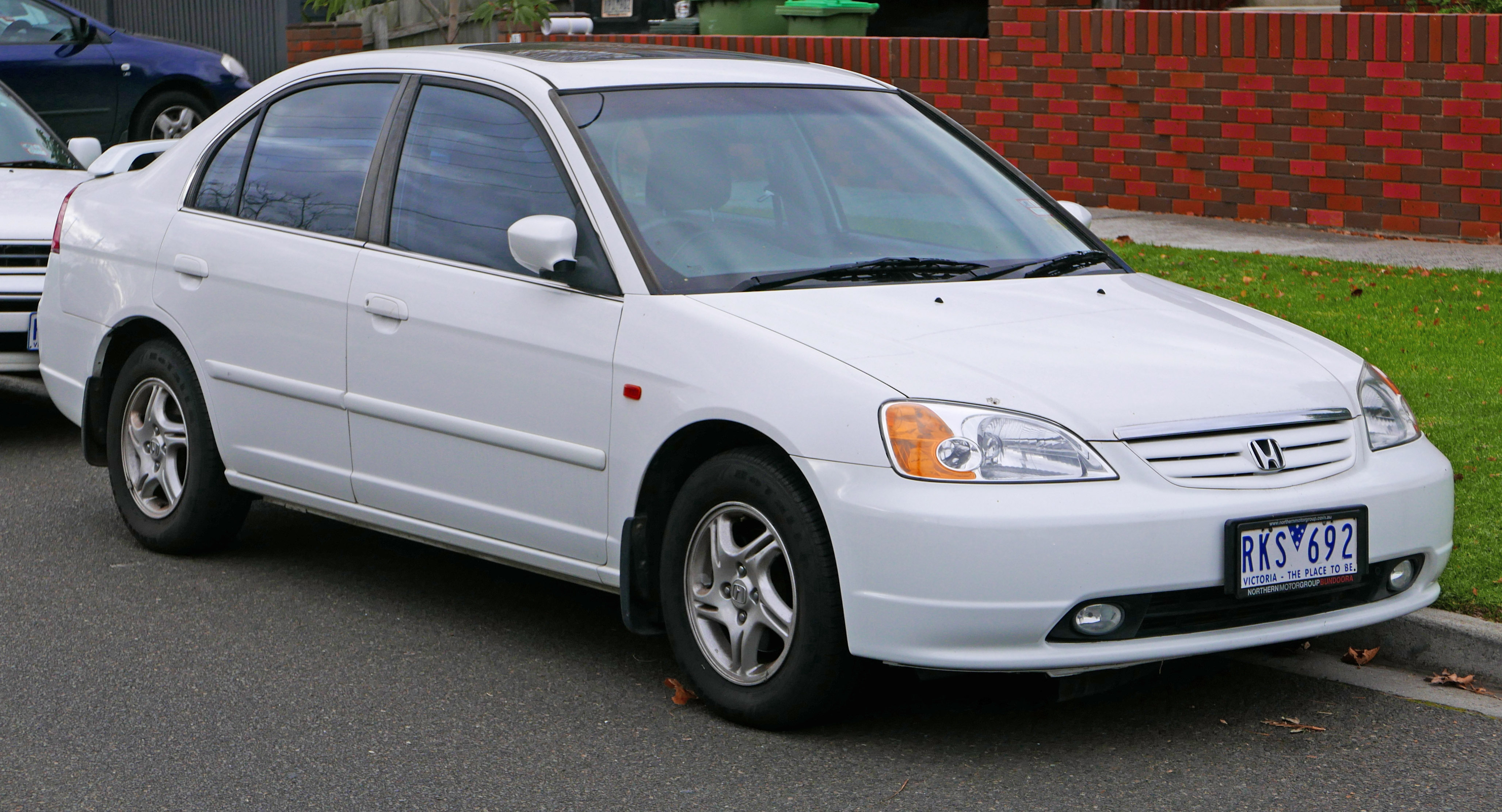
honda civic 2001-2005 Spare Parts & Pricing
The 2001-2005 Honda Civic, representing the seventh generation of this globally popular compact car, is renowned for its fuel efficiency, reliability, and practical design. Available in various body styles including sedan, coupe, and hatchback in different markets, it offered a versatile choice for a wide range of drivers. This generation was powered by common D-series gasoline engines (1.4L, 1.6L, 1.7L) and, in some regions, a more performance-oriented 2.0L DOHC K20 engine for the Type R variant. Transmission options included reliable 5-speed manuals, 4-speed automatics, and even CVT-like systems for hybrid-focused trims like the HX. Understanding the specific 2001-2005 Honda Civic parts and their maintenance is crucial for owners looking to maximize the lifespan and performance of their vehicle. This guide aims to provide a comprehensive resource for owners and prospective buyers, detailing common issues, essential spare 7th gen Civic parts, and a practical maintenance schedule. While these vehicles are generally durable, certain model years, particularly the 2001, have specific known concerns that warrant attention. We will explore key components like the engine, suspension, and electrical systems, offering insights into pricing and availability for both OEM and aftermarket options. Whether you're seeking a Civic 2001 parts list for a repair project or researching the longevity of a Civic 2003 OEM parts for routine upkeep, this resource will equip you with vital information. The seventh-generation Civic's platform sharing across its body styles and with other Honda models like the CR-V means there's a degree of commonality in components, which can sometimes simplify parts sourcing. Owners often appreciate the straightforward design, making many repairs accessible to skilled DIY enthusiasts. However, for more complex issues, professional assistance is recommended. Key components such as the Civic D17 parts (referring to the common 1.7L engine) are widely available, ensuring that maintaining this vehicle remains feasible and cost-effective. For those considering a purchase, a thorough understanding of potential high-cost repairs, such as automatic transmission rebuilds or steering rack replacements, is essential. Regular maintenance, including fluid changes and inspections, significantly contributes to the longevity of these vehicles. This guide will help you navigate the world of Civic power steering pump 2002 replacements or sourcing a new Honda Civic alternator 2004, providing clarity on typical costs and replacement intervals. By being proactive with maintenance and informed about common issues, owners can ensure their 2001-2005 Honda Civic continues to be a dependable mode of transport for years to come.
Engine components
| Part | Price Range | Availability | Interval |
|---|---|---|---|
| Complete cylinder head gasket set Essential for major engine overhauls or head gasket failures. Includes all necessary gaskets and seals for cylinder head removal and reinstallation. Quality is crucial for proper sealing. | $40 – $120 | OEM, Aftermarket | As needed (major engine repair) |
| Head/valve cover gasket Prevents oil leaks from the top of the engine. A common wear item that can become brittle over time. Relatively easy to replace for DIYers. | $8 – $25 | OEM, Aftermarket | Inspect periodically, replace if leaking |
| Timing chain kit Many D-series engines in this generation use a timing chain, which is designed for the life of the engine but tensioners and guides can wear. Kits include chain, tensioner, and guides. | $80 – $320 | OEM, Aftermarket | Inspect at long intervals, replace tensioners/guides as wear indicated |
Suspension parts
| Part | Price Range | Availability | Interval |
|---|---|---|---|
| Front strut assembly (complete) A complete unit including spring, strut, and mount, simplifying installation. Crucial for ride comfort and handling. Lifespan can be shorter in harsh road conditions. | $90 – $350 | OEM, Aftermarket, Used | 80,000-120,000 miles or as needed |
| Front lower control arm with ball joint Connects the wheel hub to the vehicle frame, allowing suspension movement. Bushings and ball joints wear out over time, leading to clunking noises or poor alignment. | $30 – $200 | OEM, Aftermarket, Used | Inspect periodically, replace if worn or damaged |
Brake components
| Part | Price Range | Availability | Interval |
|---|---|---|---|
| Front brake pads (set) Friction material that presses against the rotor to stop the vehicle. Lifespan varies greatly with driving style. Always replace as a set for even braking. | $18 – $60 | OEM, Aftermarket | 30,000-70,000 miles or as needed |
| Front rotor The disc component that brake pads clamp onto. Can be resurfaced if within minimum thickness, but often replaced with new pads for optimal performance. | $20 – $120 | OEM, Aftermarket, Used | Replace with pads or every 60,000-100,000 miles |
Steering components
| Part | Price Range | Availability | Interval |
|---|---|---|---|
| Power steering pump Generates hydraulic pressure for power-assisted steering. Common failure point, especially in earlier 7th-gen Civics. Whining noise is a typical symptom of failure. | $40 – $320 | OEM, Aftermarket, Reman, Used | Inspect periodically, replace if whining or leaking |
| Rack & pinion assembly The core component of the steering system. Leaks or excessive play can indicate internal failure, requiring replacement. A labor-intensive repair. | $120 – $850 | OEM, Aftermarket, Used | Inspect periodically, replace if leaking or excessive play |
Electrical parts
| Part | Price Range | Availability | Interval |
|---|---|---|---|
| Alternator Charges the battery and powers the vehicle's electrical system when the engine is running. Failure often leads to battery drain and warning lights on the dashboard. | $50 – $320 | OEM, Aftermarket, Reman, Used | Inspect periodically, replace if not charging |
| Starter motor Engages the flywheel to crank the engine for starting. Common symptoms of failure include a clicking sound or no crank when turning the key. | $40 – $260 | OEM, Aftermarket, Used | As needed |
Cooling system
| Part | Price Range | Availability | Interval |
|---|---|---|---|
| Radiator Dissipates heat from the engine coolant. Leaks or blockages can lead to engine overheating. Often replaced with hoses during major cooling system service. | $60 – $420 | OEM, Aftermarket, Used | Inspect periodically, replace if leaking or clogged |
| Water pump Circulates coolant through the engine and radiator. A failing pump can cause overheating or a squealing noise from the drive belt. | $15 – $140 | OEM, Aftermarket, Used | Inspect periodically, replace if leaking or noisy |
Fuel system
| Part | Price Range | Availability | Interval |
|---|---|---|---|
| Fuel pump Delivers fuel from the tank to the engine. Symptoms of failure include engine sputtering, difficulty starting, or complete no-start condition. | $40 – $260 | OEM, Aftermarket, Used | As needed (typically over 100,000 miles) |
Transmission components
| Part | Price Range | Availability | Interval |
|---|---|---|---|
| Transmission fluid & filter kit Essential for maintaining automatic transmission health, especially for 2001 models. Regular changes can prevent premature wear and shifting issues. | $15 – $80 | OEM, Aftermarket | Fluid inspect 30,000 miles, change 60,000-100,000 miles |
| Torque converter Transfers engine power to the transmission. Failure can cause slipping, shuddering, or overheating of the transmission. Often replaced during a transmission rebuild. | $150 – $900 | OEM, Aftermarket, Reman, Used | As needed (part of transmission overhaul) |
Sensors
| Part | Price Range | Availability | Interval |
|---|---|---|---|
| O2 sensor Monitors oxygen levels in exhaust gas to optimize fuel mixture. A faulty sensor can lead to decreased fuel economy and increased emissions. | $10 – $140 | OEM, Aftermarket, Used | 60,000-100,000 miles or if check engine light is on |
Service items
| Part | Price Range | Availability | Interval |
|---|---|---|---|
| Spark plugs (set) Ignite the air-fuel mixture in the cylinders. Using the correct type (platinum/iridium) is important for longevity and engine performance. Replace as a set. | $10 – $45 | OEM, Aftermarket | 60,000-100,000 miles |
| Serpentine belt Drives accessories like the alternator, power steering pump, and A/C compressor. Cracks or fraying indicate it's time for replacement to prevent sudden breakdown. | $10 – $45 | OEM, Aftermarket | Inspect annually, replace every 60,000-100,000 miles |
Body components
| Part | Price Range | Availability | Interval |
|---|---|---|---|
| Headlight assembly Complete unit including housing and lens. Can become hazy over time, reducing light output. Replacement improves visibility and vehicle appearance. | $25 – $220 | OEM, Aftermarket, Used | As needed (damage or severe hazing) |
Buying Guide
The 2001-2005 Honda Civic, while generally reliable and economical, has several key considerations for prospective buyers and current owners. Understanding these specific points can help mitigate potential high-cost repairs and ensure a more satisfying ownership experience. This guide will walk you through the most common 2001-2005 Honda Civic problems, maintenance insights, and what to look for when buying.
One of the most frequently reported issues, particularly for the 2001 model year, involves automatic transmission failure or premature wear. Owners often experience harsh shifting, slipping, delayed engagement, or even a complete failure to move in drive. These issues are typically linked to internal transmission wear, valve-body problems, or torque converter failure. If you're considering a 2001 model, a thorough inspection of the transmission's performance and service history is paramount. Checking the fluid for proper level, color, and smell can offer clues, but a professional diagnostic scan for error codes and a road test are highly recommended. While a fluid and filter service can cost around $120-$250, a full rebuild can range from $2,000-$3,800, making this a significant potential expense. This highlights why the 7th gen Civic transmission problems are a primary concern for this generation.
Another widespread concern is related to the power steering system, encompassing rack and pump problems, including leaks, pump failure, and steering lock-ups. Symptoms often include a whining or buzzing sound from the pump, heavy steering, intermittent loss of assist, or fluid leaks visible around hoses or the steering rack bellows. These issues can stem from a failing power steering pump, cracked hoses, or internal rack seals. For a 2001 Honda Civic steering issues are particularly noted. Diagnosis involves inspecting fluid levels, locating leaks, and listening for pump noises. Repairs can range from $200-$450 for a pump replacement to $600-$1,500 for a steering rack replacement, which is a more labor-intensive job. Always ensure power steering fluid is at the correct level and regularly inspect for leaks.
A critical safety recall that affects many early 2000s Hondas, including the 7th-generation Civic, is the Takata airbag inflator defect. This issue poses a severe risk, as defective inflators can rupture during deployment, spraying metal fragments. There are no prior symptoms, making it a latent danger. It is absolutely essential for any owner or buyer to perform a VIN check against national recall databases or directly with Honda to confirm if the Civic airbag recall 2001 (and other years in the range) has been completed. If the recall is outstanding, the replacement is performed free of charge by a Honda dealer. This is a non-negotiable safety item.
Beyond these major concerns, owners might also encounter other Civic common faults 2003 and other years, such as brake caliper seizure and parking brake problems, or clutch master/slave cylinder leaks in manual transmission models. Symptoms like pulling under braking, uneven pad wear, or a soft clutch pedal indicate these issues. Routine maintenance, including caliper slide-pin cleaning and regular brake fluid replacement, can help prevent caliper seizure. For clutch issues, checking fluid levels and inspecting for leaks around the master and slave cylinders is important. These repairs are generally less costly than transmission or steering rack replacements, with calipers costing $120-$350 each and clutch hydraulic components $150-$450.
When evaluating a used 2001-2005 Civic, a comprehensive pre-purchase inspection is highly recommended. Pay close attention to the transmission's behavior during a test drive, listen for any power steering pump whine, and scrutinize the engine bay for fluid leaks. Always perform that crucial VIN check for the Takata airbag recall. The maintenance history is a strong indicator of a vehicle's health; a clean, documented service record, especially regarding transmission fluid changes and resolution of any steering issues, significantly enhances the vehicle's value and reduces future risks. For those in humid environments, consider that the risk associated with the Takata inflators can increase with humidity and age, making recall completion even more vital. Also, be mindful of potential corrosion on underbody components and electrical connectors.
In summary, while the Honda Civic complaints 2004 are fewer than for the 2001 models, proactive maintenance and a thorough inspection are key for any year in this generation. Budgeting for potential suspension wear, particularly if the vehicle has been driven on rough roads, is also wise. By being informed about these common issues and diligent with maintenance, a 7th-generation Honda Civic can continue to be a reliable and economical vehicle.
Common Accessories
OBD-II Bluetooth Scanner
This essential tool connects to your smartphone to read and clear diagnostic trouble codes, and view live engine data. It is invaluable for troubleshooting issues and performing pre-purchase checks on any 2001-2005 Civic.
Shop on AmazonCustom-Fit Floor Mats
Protect your Civic's interior carpets from dirt, wear, and spills with custom-fit floor mats. Available for sedan, coupe, or hatchback variants, they help maintain the vehicle's resale value and cleanliness.
Shop on AmazonDual-Channel Dash Cam
Enhance your driving safety and security with a dash cam that records both front and rear views. It provides crucial evidence in case of an accident and acts as a deterrent against theft or vandalism.
Shop on AmazonReplacement Headlight Assemblies
Improve night visibility and the aesthetic of your Civic with new headlight assemblies. Over time, original headlights can haze and dim, so a quality replacement significantly enhances safety and appearance.
Shop on AmazonAll-Weather Custom Floor Liners
For superior protection against mud, rain, and debris, especially in challenging climates, all-weather floor liners are an excellent investment. They are custom-molded to fit your Civic's footwells perfectly.
Shop on AmazonSerpentine Belt Kit with Tensioner
A vital maintenance item, this kit includes a new serpentine belt and tensioner to ensure proper function of engine accessories. Replacing it proactively prevents unexpected breakdowns due to belt failure.
Shop on AmazonUniversal Phone Mount
Keep your smartphone securely in view for navigation or hands-free calls with a reliable phone mount. Various styles are available, including vent, dash, or windshield mounts, to suit your preference.
Shop on AmazonWhere to Buy Parts
Frequently Asked Questions
Is the 2001 Honda Civic reliable compared with later 7th-gen years?+
Many owners report that the 2001 model year has a higher incidence of transmission and power steering complaints compared to later models in the 2001-2005 range. Prospective buyers should always perform a VIN check for service records and meticulously inspect the transmission's operation and steering system for any leaks or unusual noises before making a purchase. While later years improved, the 2001 stands out for these specific concerns.
What common repairs should I expect on a 2003 Honda Civic?+
For a 2003 Honda Civic, you should anticipate routine wear items such as brake pads and rotors, struts, and possibly an alternator replacement. Power steering pump or hose replacements might also be needed. While transmission issues are less frequent than in the 2001 model year, verifying the transmission fluid service history remains critical for long-term reliability. These are typical maintenance points for a vehicle of this age.
Has there been an airbag recall for 2001-2005 Civics and how do I check?+
Yes, many early-2000s Hondas, including the 2001-2005 Civics, were affected by the widespread Takata airbag inflator recalls. Owners should immediately run their vehicle's VIN through official safety recall tools, such as the NHTSA website or Honda's recall lookup, or visit a dealer to confirm the replacement status. If the recall is outstanding, schedule the dealer replacement promptly, as it is performed at no cost to the owner.
How often should automatic transmission fluid be changed on these Civics?+
Owner and repair data suggest inspecting the automatic transmission fluid every 30,000 miles. Proactive service and fluid replacement are recommended between 60,000 to 100,000 miles. For optimal longevity, especially for 2001 vehicles, an earlier service interval of every 40,000-60,000 miles can significantly reduce the risk of valve-body wear and premature transmission failure. This is a critical maintenance step.
What should a buyer check when sourcing a 2001-2005 Civic in challenging environments?+
Buyers in humid or challenging environments should prioritize a VIN check for Takata recall completion. Inspect the underbody and suspension for corrosion, which can be exacerbated by humidity. Confirm documented transmission service history and test the power steering for any whine or leaks. Request a pre-purchase inspection including a compression test and a thorough test drive. Budget for potential localized repair markups and ensure parts are sourced from reputable suppliers to avoid counterfeits.
What are the key engine maintenance intervals for the 2001-2005 Honda Civic?+
Routine engine maintenance is vital. For spark plugs, the 2005 Civic spark plug replacement interval (and other years) is typically every 60,000 to 100,000 miles, depending on the plug type. Many D-series engines in this generation use a timing chain, which generally lasts the life of the engine. However, during a 2003 Civic timing chain inspection, it's important to check tensioners and guides for wear or noise, replacing them as indicated to prevent major engine issues. Regular oil changes are also paramount.