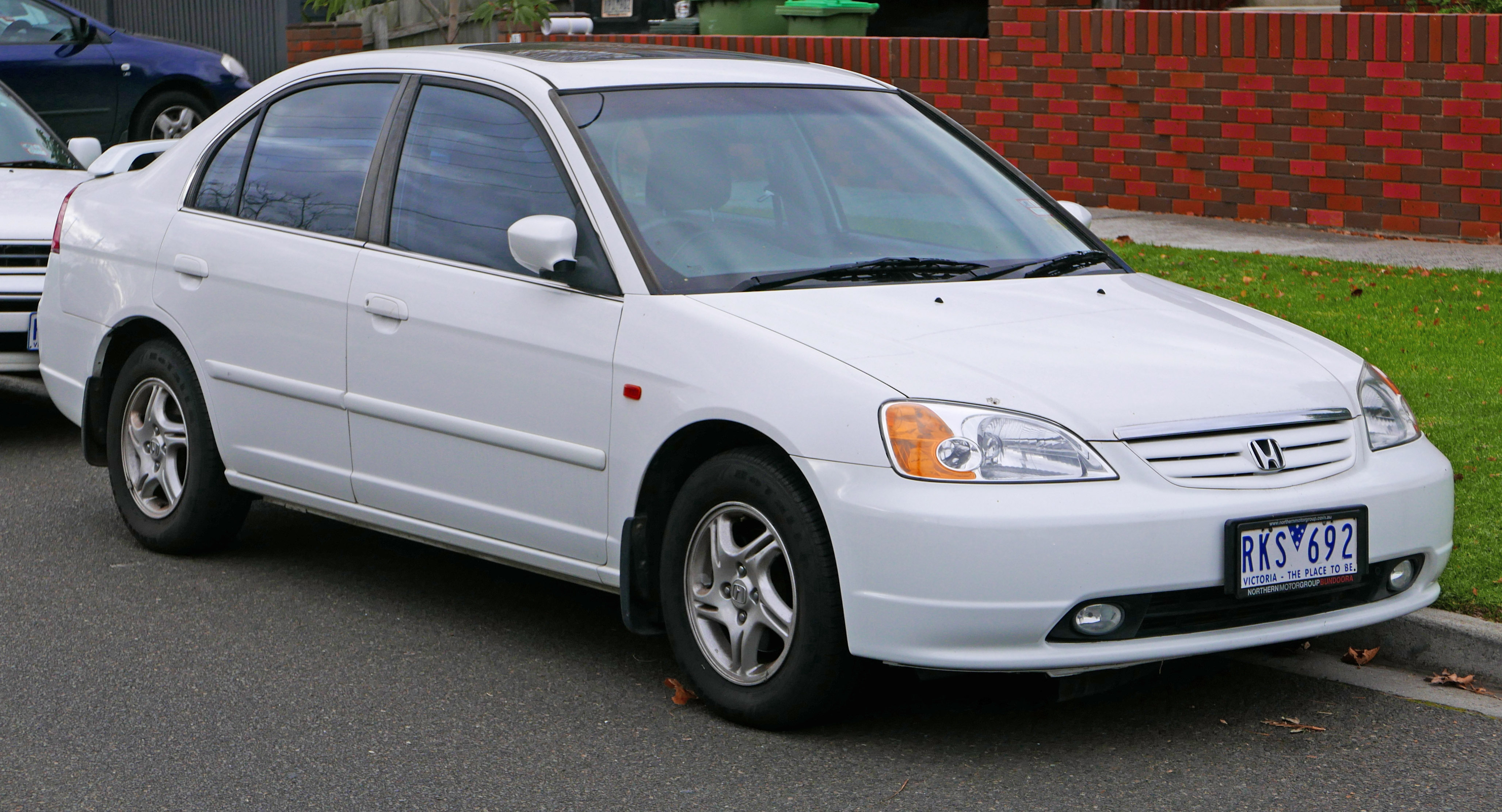
honda civic 2001-2005 Common Problems & Issues
The seventh-generation Honda Civic, produced from 2001 to 2005, offered a range of body styles including sedans, coupes, and hatchbacks in various markets. It utilized Honda's compact platform, sharing components with regional variants and even some CR-V parts. This generation was available with several gasoline engines, most commonly 1.4L, 1.6L, and 1.7L D-series engines, with some markets receiving a 2.0L DOHC engine, notably the Type R variant. Transmission options were diverse, including 5-speed manuals, 4-speed automatics, CVT-like systems for hybrid variants, and later 5-speed automatics. Common trims included DX, LX, HX, EX, and the performance-oriented Si/Type-R. While generally regarded as a durable and economical choice, the 7th-gen Civic is not without its common issues, particularly noted in the earlier model years. Owners and prospective buyers should be aware of potential transmission wear, power steering problems, and the critical Takata airbag inflator recall. Understanding these common problems, their symptoms, causes, and repair costs is crucial for maintaining this generation of Honda Civic and ensuring its longevity. This guide provides a comprehensive overview of the verified common issues, parts pricing, maintenance schedules, and ownership insights specific to the 2001–2005 Honda Civic, aiming to equip owners with the knowledge to keep their vehicles running smoothly and safely.
2
Critical
5
Moderate
0
Minor
Known Issues
Automatic Transmission Failure or Premature Wear
CriticalSymptoms include harsh shifting, slipping gears, delayed engagement, inability to move in 'Drive', and unusual noises from the transmission. Causes range from internal wear and valve-body issues to torque converter failure or contaminated fluid. Early 2001 models are particularly noted for potential factory or design susceptibilities. Diagnosis involves scanning for OBD-II codes, a road test, checking transmission fluid level and condition, and professional pressure tests or valve body inspection. DIY fixes are limited to fluid and filter changes or adaptive reset procedures. Professional repairs may involve valve body rebuilds, torque converter replacement, or a full transmission rebuild or replacement. Repair costs can range from $120-$250 for fluid/filter service to $2,000-$4,500 for a full rebuild or dealer-replaced remanufactured unit. This is a widespread issue, often rendering the vehicle inoperable.
Power Steering System Problems
ModerateOwners may experience power steering fluid leaks, whining or buzzing noises from the pump, heavy or intermittent loss of steering assist, and steering that doesn't self-center properly. Common causes include a failing power steering pump, cracked hoses, or internal seals in the steering rack failing. Some model years have reported repeated failures. Diagnosis involves checking fluid levels, locating leaks, listening for pump noise, and performing pressure tests. DIY fixes can include replacing hoses or the pump for mechanically inclined owners, as well as topping off fluid. Professional repairs often involve replacing the steering rack, pump, hoses, and require a subsequent fluid flush and wheel alignment. Costs typically range from $200-$450 for pump replacement to $600-$1,500 for a steering rack replacement, with labor being a significant factor. This issue poses a medium to high safety risk due to compromised steering control.
Takata Airbag Inflator Recall
CriticalA critical safety defect affecting numerous Honda vehicles, including the 2001-2005 Civic, involves the Takata airbag inflators. The primary symptom is the risk of the inflator rupturing and sending metal fragments into the cabin upon deployment, posing a severe risk of injury or fatality. This is caused by a defective propellant that degrades over time, especially in humid conditions. Diagnosis is straightforward: check the vehicle's VIN against recall databases provided by NHTSA or Honda. There are no DIY fixes; this issue must be addressed by an authorized dealer through a recall campaign. Professional repairs under recall are free of charge to the owner. If a recall is not covered, replacing an airbag module can cost between $400-$1,200. This is a widespread recall issue classified as very high severity due to the direct safety risk.
Brake Caliper Seize and Parking Brake Issues
ModerateSymptoms include a vehicle pulling to one side under braking, uneven brake pad wear, or a caliper becoming stuck. For manual transmissions, clutch master or slave cylinder leaks can cause a soft clutch pedal or clutch slipping. These issues are often caused by corrosion, seized caliper pistons or slide pins, or failed seals in the clutch hydraulics. Diagnosis involves a road test, checking pedal feel, visual inspection of calipers and brake fluid level, and checking for leaks. DIY fixes may include cleaning and lubricating caliper slide pins, or replacing calipers and clutch hydraulics if the owner has mechanical experience. Professional repairs involve caliper rebuilds or replacements, brake fluid flushes, and clutch hydraulic line repairs. Estimated costs are $120-$350 per caliper installed, or $150-$450 for clutch master/slave cylinder replacement. This is a medium severity issue affecting braking and clutch performance.
Alternator Failure
ModerateSymptoms of alternator failure include a battery warning light illuminating on the dashboard, dimming headlights or interior lights, and eventual battery drain leading to the vehicle stalling. The root cause is typically internal wear within the alternator, such as worn brushes, bearing failure, or voltage regulator issues. Diagnosis involves checking the battery voltage with the engine running; a healthy alternator should output around 13.5-14.5 volts. A professional can perform a load test on the alternator. DIY replacement is feasible for those with basic mechanical skills, involving disconnecting the battery, removing the serpentine belt, and unbolting the old alternator. Professional replacement is also common. Repair costs typically range from $300-$400 for a new alternator and labor, with aftermarket parts being more affordable. This is a common and moderately severe issue that will eventually leave the car unable to run.
Suspension Component Wear (Struts and Control Arms)
ModerateCommon symptoms of worn suspension components include excessive bouncing after hitting bumps, clunking or rattling noises from the front or rear suspension, uneven tire wear, and a general feeling of looseness or instability in the steering. The primary causes are the natural wear and tear of shock absorbers (struts), bushings, and ball joints over time, exacerbated by rough road conditions. Diagnosis involves a visual inspection for leaks from struts, checking bushings for cracks or deterioration, and assessing ball joint play. A professional suspension inspection can identify worn parts. DIY replacement of strut assemblies and control arms is possible for those with adequate tools and mechanical knowledge. Professional replacement of front strut assemblies can cost between $350-$600, including parts and labor. This is a common wear-and-tear item that affects ride quality and handling.
Exhaust System Corrosion and Leaks
ModerateSymptoms of exhaust system issues include loud noises, particularly a rattling or hissing sound from under the vehicle, a noticeable decrease in engine power, and potentially a carbon monoxide odor inside the cabin. The primary cause is corrosion, especially in areas with high humidity or exposure to road salt, leading to rust-through in mufflers, pipes, or catalytic converters. Diagnosis involves visually inspecting the exhaust system for rust, holes, or loose connections, and listening for leaks. DIY fixes can include temporary patching of small holes or replacing clamps. However, significant corrosion usually requires professional replacement of rusted sections or components. Repair costs vary widely depending on the part replaced, but replacing a muffler or section of pipe can range from $150-$500. Catalytic converter replacement is significantly more expensive. This is a common issue that affects emissions, noise levels, and performance.
What to Check Before Buying
The 2001–2005 Honda Civic (7th generation) is a capable and economical compact car, but like any vehicle, it has its common issues that owners should be aware of. The earlier 2001 model year, in particular, has a higher frequency of reported problems, especially concerning the automatic transmission and power steering system. Addressing these issues proactively can save significant costs and prevent major failures.
Regular maintenance is paramount. For the automatic transmission, diligent fluid checks and timely changes are crucial. While Honda's schedule might suggest longer intervals, many owners and mechanics recommend changing the transmission fluid and filter every 40,000 to 60,000 miles, especially if the car is driven in demanding conditions or if you want to mitigate the risk of premature wear seen in some units. Early 2001 models benefit greatly from this vigilance.
The power steering system is another area to monitor. Regularly inspect hoses and the steering rack for leaks. Replacing worn hoses early can prevent the power steering pump from being damaged due to low fluid levels or contamination. If you hear whining noises or experience stiff steering, have the system checked promptly. Steering rack replacement is a significant expense, so preventative measures are key.
One of the most critical aspects for owners of this generation is the Takata airbag inflator recall. This is a serious safety defect that requires immediate attention. Always check your vehicle's VIN through official channels like NHTSA or Honda's recall lookup tool. If your car is affected, schedule an appointment with a dealer for replacement as soon as possible. This recall is critical regardless of the vehicle's age or mileage, and the repair is free of charge.
Brake system maintenance should not be overlooked. Caliper seizure and parking brake issues can lead to uneven tire wear and reduced braking performance. Regular cleaning and lubrication of caliper slide pins during brake pad changes can prevent seizing. Clutch components on manual transmission models also require attention; watch for a soft pedal or slipping, which indicates potential master or slave cylinder issues.
Suspension components like struts and control arms are wear items. Listen for clunks or rattles, and observe how the car handles bumps. Replacing worn suspension parts improves ride comfort, handling, and tire longevity. Budget for these replacements around the 80,000–120,000-mile mark, though rough roads can shorten their lifespan.
Electrical components can be susceptible to corrosion, particularly in humid climates. Keeping the engine bay clean and applying dielectric grease to critical electrical connectors, such as those for the alternator and grounds, can help prevent intermittent faults and electrical gremlins. The alternator itself is a common replacement item; be aware of the warning signs like dimming lights or a battery warning light.
For those in tropical or high-humidity regions, additional care is recommended. Increased frequency for oil and transmission fluid changes is advisable. Protecting the underbody from rust and frequently inspecting brake lines and calipers is also beneficial.
When purchasing a used 7th-gen Civic, pay close attention to maintenance records. A documented history of regular service, especially for the transmission and power steering, is a strong indicator of a well-cared-for vehicle. Always perform a thorough pre-purchase inspection, including checking for recalls, and consider having a trusted mechanic evaluate the vehicle's condition, focusing on the common problem areas.
Long-term ownership of a 2001–2005 Civic can be rewarding if you stay on top of its specific needs. By understanding the common issues, performing diligent maintenance, and addressing recalls promptly, you can ensure your Civic remains a reliable and economical mode of transportation for years to come.
Where to Buy Parts
Frequently Asked Questions
Is the 2001 Honda Civic reliable compared with later 7th‑gen years?+
Many owners report that the 2001 model has a higher incidence of transmission and steering complaints compared to later model years in the 2001–2005 range. Prospective buyers should VIN-check for service records and thoroughly inspect transmission operation and steering for leaks or whining before purchase to mitigate these risks.
What common repairs should I expect on a 2003 Honda Civic?+
For a 2003 Civic, expect routine wear items such as brake pads and rotors, struts, and possibly power steering pump or hose replacements. While transmission issues are generally less frequent than in the 2001 model, verifying its fluid service history remains critical for long-term reliability.
Has there been an airbag recall for 2001–2005 Civics and how do I check?+
Yes, many early 2000s Hondas, including the 2001-2005 Civic, were affected by the multi-year Takata inflator recalls. Owners should run their vehicle's VIN through NHTSA or Honda's official recall lookup tools or contact a dealer to confirm replacement status and schedule the necessary dealer replacement if it's outstanding.
How often should automatic transmission fluid be changed on these Civics?+
Owner and repair data suggest inspecting automatic transmission fluid at 30,000 miles and performing a service/replacement between 60,000–100,000 miles. However, for increased longevity and to reduce the risk of valve-body wear, earlier service (every 40,000–60,000 miles) is highly recommended, especially for 2001 models.
What should Nigerian buyers check when sourcing a 2001–2005 Civic in Lagos?+
When buying a 2001-2005 Civic in Lagos, check the VIN for Takata recall completion, inspect the underbody and suspension for corrosion from humidity, confirm documented transmission service history, test the steering for whine or leaks, and request a compression and test drive inspection. Budget for potential markups on imported parts like alternators or pumps.