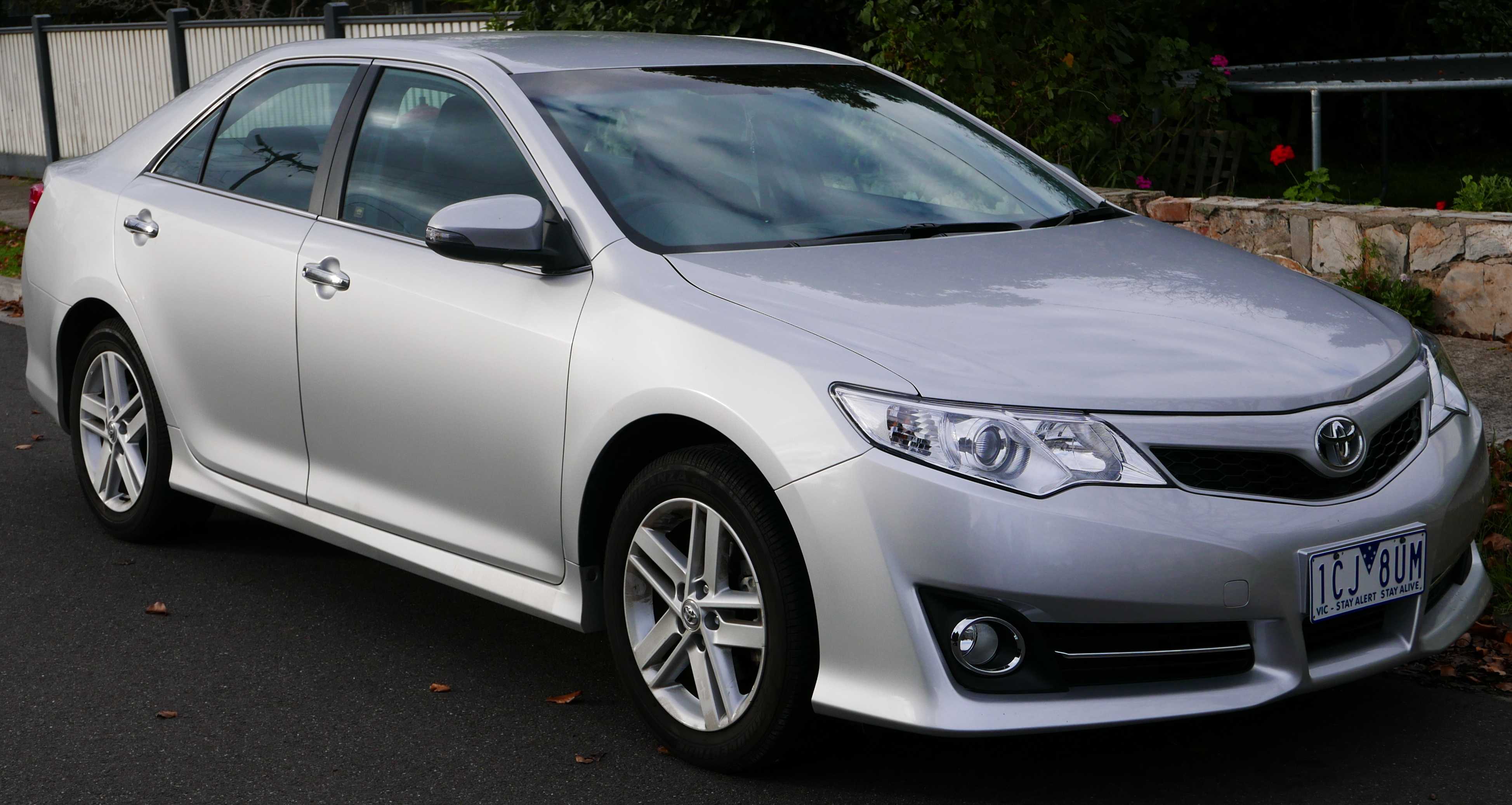
toyota camry 2012-2017 Maintenance Schedule
The 2012–2017 Toyota Camry, known as the XV50 generation, represents a significant chapter in the lineage of one of the world's most popular mid-size sedans. Introduced globally in late 2011 for the 2012 model year, this generation was engineered to build upon the Camry's established reputation for reliability, comfort, and value, while enhancing refinement, fuel efficiency, and safety features. It served a diverse global market, with specific trims and engine options tailored for regions like North America, Europe, and Australia. The XV50 received a mid-cycle refresh for the 2015 model year, which brought updated styling, improved interior materials, and enhanced safety technologies, further solidifying its appeal. Under the hood, the XV50 typically offered a choice between a 2.5-liter four-cylinder engine (2AR-FE, later updated with D-4S injection on some models) and a more potent 3.5-liter V6 (2GR-FKS). For the environmentally conscious or those seeking maximum fuel economy, a highly efficient 2.5-liter hybrid powertrain was also available. These engines were paired with either a 6-speed automatic transmission or an eCVT for hybrid variants, providing smooth and efficient power delivery. The Camry's platform, the Toyota K-platform, was also shared with other Toyota models, contributing to its widespread availability and parts commonality. Despite its overall strong reliability, the XV50 generation is not without its common issues. Owners have frequently reported concerns such as excessive oil consumption, particularly in earlier 2.5L four-cylinder models, transmission shudder in the 6-speed automatic, and a noticeable moldy smell from the HVAC system due to clogged drain tubes. Other issues include wear on interior components and, in some specific early model years, problems with the vehicle speed control system. Understanding these potential pitfalls, alongside a proactive maintenance schedule, is crucial for maximizing the longevity and ownership experience of a 2012–2017 Toyota Camry.
Fluids
| Service | Interval | Notes |
|---|---|---|
| Engine Oil and Filter Change Critical | 8,000 km / 6 mo 5,000 km if severe use | Replace engine oil and oil filter to remove contaminants and ensure proper engine lubrication. This is the most frequent and critical maintenance task for engine health and longevity. Signs of overdue oil changes include darker oil, engine knocking, and decreased performance. |
| Brake Fluid Replacement Critical | 36 mo | Replace brake fluid, which absorbs moisture over time, reducing braking performance and potentially causing corrosion. A spongy brake pedal or reduced stopping power indicates the fluid needs replacement. This is a time-based service, crucial for safety. |
Tyres
| Service | Interval | Notes |
|---|---|---|
| Tire Rotation | 8,000 km / 6 mo 5,000 km if severe use | Rotate tires to ensure even wear, prolonging their lifespan and maintaining balanced handling. Uneven tire wear can lead to reduced fuel efficiency, poor traction, and premature tire replacement. Listen for unusual tire noise or observe uneven tread wear patterns. |
Filters
| Service | Interval | Notes |
|---|---|---|
| Cabin Air Filter Replacement | 16,000 km / 12 mo 10,000 km if severe use | Replace the cabin air filter to ensure clean air enters the passenger compartment. A clogged filter reduces airflow from the HVAC system, decreases air quality, and can cause the system to work harder. Symptoms include reduced AC/heater performance and musty odors. |
| Engine Air Filter Replacement | 48,000 km / 36 mo 30,000 km if severe use | Replace the engine air filter to allow optimal airflow to the engine. A dirty filter restricts airflow, leading to reduced power, decreased fuel economy, and increased emissions. Check for dirt accumulation and replace if visibly soiled. |
Brakes
| Service | Interval | Notes |
|---|---|---|
| Brake System Inspection Critical | 8,000 km / 6 mo 5,000 km if severe use | Inspect brake pads, rotors, lines, and hoses for wear and damage. Ensuring the braking system is in good condition is crucial for safety. Squealing or grinding noises, a soft brake pedal, or longer stopping distances are warning signs. |
Cooling
| Service | Interval | Notes |
|---|---|---|
| Coolant Replacement | 160,000 km / 120 mo | Replace engine coolant to maintain its corrosion-inhibiting properties and optimal heat transfer. Old coolant can lead to overheating, corrosion, and damage to cooling system components. Monitor coolant level and condition; replace first at 160,000 km (10 years), then every 80,000 km (5 years). |
Electrical
| Service | Interval | Notes |
|---|---|---|
| Spark Plug Replacement (4-Cyl) | 192,000 km / 144 mo | Replace spark plugs on 2.5L 4-cylinder engines for optimal combustion, fuel efficiency, and performance. Worn plugs can cause misfires, rough idling, and reduced power. Listen for engine misfires or notice a decrease in acceleration. |
| Spark Plug Replacement (V6) | 96,000 km / 72 mo | Replace spark plugs on 3.5L V6 engines to maintain smooth operation, power delivery, and fuel economy. Worn plugs can lead to misfires and reduced engine performance. Noticeable issues include rough idling or a decrease in acceleration. |
Drivetrain
| Service | Interval | Notes |
|---|---|---|
| Transmission Fluid Service | 120,000 km 96,000 km if severe use | Perform a drain-and-fill or flush of the automatic transmission fluid to ensure smooth shifting and prevent wear. Degraded fluid can lead to shuddering and long-term transmission damage. While not always in the factory schedule, recommended by many mechanics. |
Belts
| Service | Interval | Notes |
|---|---|---|
| Drive Belt Inspection | 96,000 km / 72 mo | Inspect drive belts for cracks, fraying, or excessive wear. A broken belt can disable power steering, charging system, and A/C. Listen for squealing noises, especially on startup or when accessories are engaged. |
Suspension
| Service | Interval | Notes |
|---|---|---|
| Suspension and Steering Inspection | 48,000 km 30,000 km if severe use | Inspect components like ball joints, control arms, tie rods, struts, and shocks for wear or damage. Worn suspension or steering parts affect ride quality, handling, tire wear, and safety. Clunking noises over bumps or vague steering are common symptoms. |
Upkeep Tips
Maintaining a 2012–2017 Toyota Camry (XV50) effectively involves understanding its specific needs and common issues, especially when considering longevity and reliability. Proactive maintenance is key to preventing costly repairs and ensuring the vehicle continues to perform as reliably as expected.
Regular fluid checks and changes are paramount. Engine oil and filter should be replaced every 5,000 miles (8,000 km) or 6 months, with more frequent changes recommended for severe driving conditions like heavy traffic, short trips, or dusty environments. Pay close attention to oil consumption, particularly on the 2.5L 4-cylinder engine (2AR-FE) found in earlier models (2012–2014). If you notice the oil level dropping faster than usual, it’s crucial to monitor it closely and address it promptly, potentially with slightly higher viscosity oil if appropriate for your climate and engine condition. This helps mitigate long-term engine wear.
The transmission fluid in the 6-speed automatic should be serviced periodically. While Toyota's official schedule might not mandate a fixed interval, many mechanics and experienced owners recommend a drain-and-fill service every 60,000 to 120,000 miles (96,000–192,000 km), especially if the vehicle experiences shuddering. Using the correct Toyota Genuine ATF WS fluid is essential. Addressing transmission shudder, often characterized by vibrations under light acceleration, through fluid changes and potential software updates can prevent more serious and expensive repairs down the line.
Cooling system maintenance is vital. The engine coolant should be replaced every 100,000 miles (160,000 km) or 10 years for the first service, and then every 50,000 miles (80,000 km) or 5 years thereafter. This prevents overheating and corrosion. Similarly, brake fluid is hygroscopic and absorbs moisture over time, degrading its performance. It should be replaced every 3 years, regardless of mileage, to ensure optimal braking safety.
Air filters are critical, especially in dusty climates. The engine air filter should be inspected regularly and replaced every 30,000 miles (48,000 km) or sooner if it appears dirty. The cabin air filter, responsible for the air quality inside the car, typically needs replacement every 10,000–15,000 miles (16,000–24,000 km), particularly if you notice reduced airflow from the HVAC system or a musty smell. This is especially relevant given the common AC drain issue on 2012–2014 models, which can lead to mold growth.
To combat the common AC mold smell, ensure the AC drain tube under the vehicle is clear and free of debris. Running the AC on a dry mode or simply turning off the AC a few minutes before reaching your destination can help minimize moisture buildup in the evaporator case. Replacing the cabin air filter regularly also helps manage odors.
Spark plugs need attention according to engine type: V6 models typically require replacement around 60,000 miles (96,000 km), while the 4-cylinder engines usually last until 120,000 miles (192,000 km). Using the correct type of spark plugs is important for engine performance and efficiency.
Suspension and steering components, such as struts, shocks, control arms, and tie rod ends, generally have a lifespan of 100,000–180,000 miles (160,000–290,000 km), depending on road conditions and driving habits. Regular inspections during routine services can catch wear early, preventing potential safety issues and more costly repairs.
Finally, for owners in tropical or humid regions, pay extra attention to rust prevention on the underbody and body panels. Regular washing and waxing can protect the paint and metal components. Ensure electrical connections are clean and protected, as humidity can sometimes contribute to corrosion.
By adhering to these maintenance practices and being aware of the XV50 Camry’s specific characteristics, owners can ensure a reliable, comfortable, and long-lasting ownership experience.
Where to Buy Parts
Frequently Asked Questions
Is the 2012 Toyota Camry reliable despite its oil consumption issues?+
The 2012 Camry remains one of the more reliable models in the XV50 generation, but the 2.5L 4-cylinder (2AR-FE) has a documented tendency for excessive oil consumption in early production units. Many owners report losing 1 quart of oil every 1,000–1,500 miles, which can lead to engine wear if not managed. With frequent oil changes (every 5,000 miles / 6 months), careful monitoring of oil level, and possibly using a slightly higher-viscosity oil, most 2012 Camrys can still reach 250,000+ miles without major engine issues. Buyers should prioritize vehicles with clear maintenance records and evidence of oil level monitoring.
How serious is the AC drain problem on the 2014 Camry?+
The AC drain issue is common on 2012–2014 Camrys and often manifests as a foul mold smell when the AC is turned on, sometimes accompanied by dampness under the passenger footwell. In some cases, water accumulation in the evaporator case can cause electrical issues or even affect airbag systems, which led to a specific NHTSA recall for 'Clogged A/C Drain May Cause Air Bags To Deploy.' For most owners, the problem is manageable: clearing the drain tube, replacing the cabin air filter, and occasional HVAC cleaning can resolve the smell. However, if left untreated, prolonged moisture can lead to corrosion and more expensive HVAC repairs.
What should I expect in terms of repair costs for a used 2016 Camry in Nigeria?+
For a 2016 Camry in Nigeria, routine maintenance (oil, filters, brake fluid) is relatively affordable, with oil changes costing around ₦60k–₦120k including parts and basic labor. More significant repairs like brake pad and rotor replacement per side typically range from ₦200k–₦450k, while transmission fluid changes are around ₦150k–₦300k. Major components such as alternators, fuel pumps, or water pumps can range from ₦400k to over ₦1M depending on whether OEM or aftermarket parts are used and the supplier location (e.g., Lagos mainland vs. island). Overall, the Camry’s parts availability and mechanical simplicity make it one of the easier non-LCV cars to maintain in Nigeria, but imported part prices and labor variations mean budgets should be flexible.
Is the transmission shudder on XV50 Camrys a dealbreaker for long-term ownership?+
Transmission shudder, especially under light acceleration between 40–60 mph, is a known issue on many 2012–2015 XV50 Camrys with the 6-speed automatic. It is usually caused by torque converter clutch behavior, degraded transmission fluid, or TCU logic. In most cases, a drain-and-fill with Toyota Genuine ATF WS, combined with a TCU software update, significantly reduces or eliminates the shudder. While chronic shudder can accelerate transmission wear, it is not typically a dealbreaker if addressed early. Buyers should test-drive at various speeds and loads, and if shudder is present, negotiate for a transmission fluid change and software update before purchase.
How does maintenance history affect the reliability and resale value of a 2012–2017 Camry?+
Maintenance history is critical for XV50 Camrys, especially for addressing known weak points like oil consumption (2.5L 4-cyl), AC drain issues, and transmission shudder. Vehicles with documented oil changes, transmission fluid service, and AC maintenance tend to have fewer major issues and command higher resale prices. In markets like Nigeria, where theft and accident risks are concerns, a clear service record also helps verify that the car is not a heavily used or poorly maintained import. For buyers, prioritizing Camrys with full service logs, especially those showing regular oil level checks and timely fluid changes, significantly improves long-term reliability and value retention.