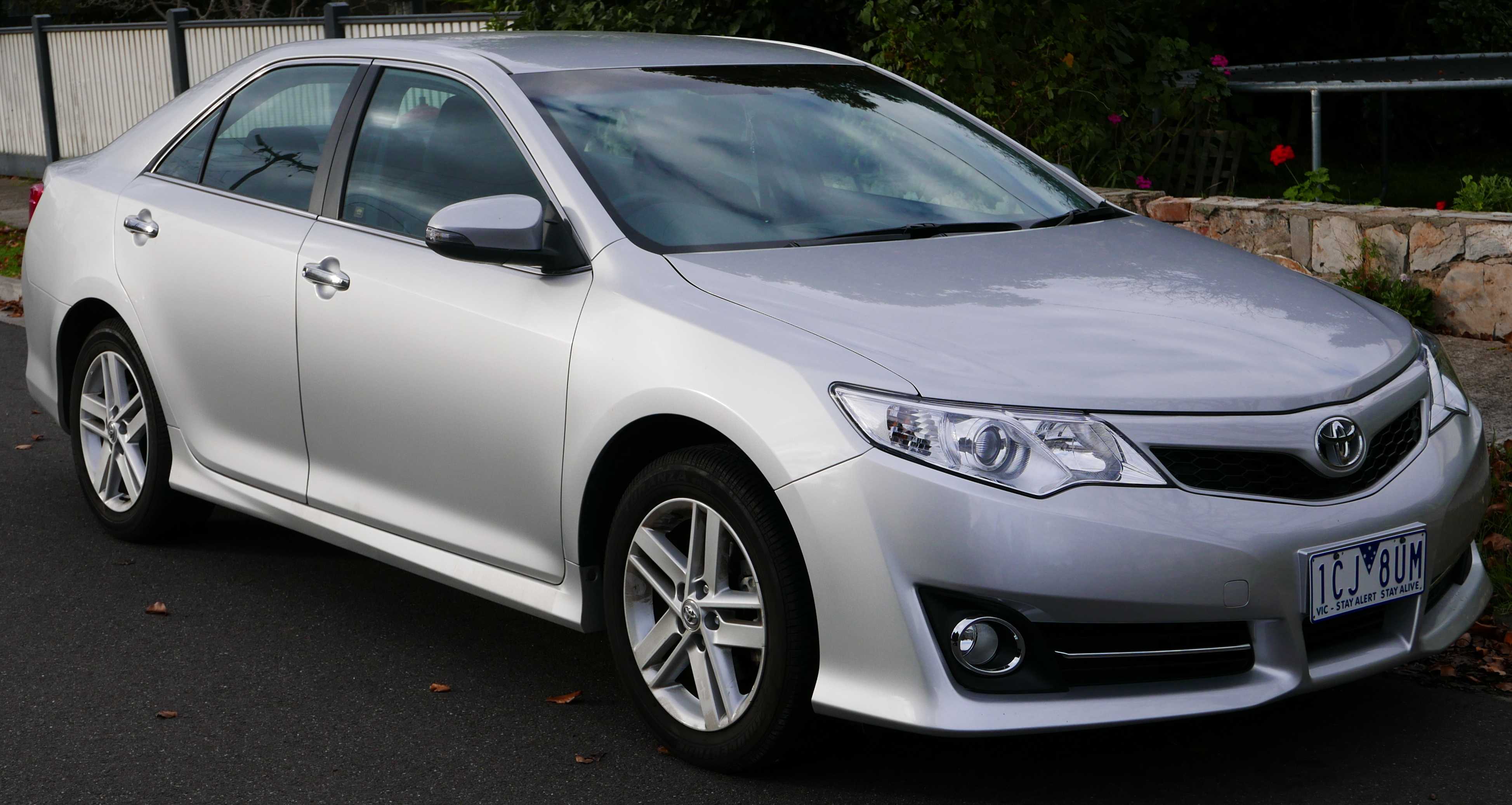
toyota camry 2012-2017 Common Problems & Issues
The 2012–2017 Toyota Camry, known as the XV50 generation, represents the seventh iteration of Toyota's highly popular mid-size sedan. Introduced globally in late 2011 for the 2012 model year, this generation was engineered to enhance refinement, fuel efficiency, and safety while upholding the Camry's long-standing reputation for dependability, comfort, and cost-effective ownership. A significant mid-cycle refresh occurred for the 2015 model year, bringing updated styling, improved safety technologies, and revised trim levels. Toyota offered a range of powertrain options to cater to diverse market needs and driver preferences. In the United States, primary engine choices included a 2.5-liter four-cylinder (2AR-FE, later updated to A25A-FKS with direct injection) producing between 168 to 178 horsepower, and a more potent 3.5-liter V6 (2GR-FKS) delivering around 268 horsepower. A fuel-efficient hybrid variant combined a 2.5-liter Atkinson-cycle engine with an electric motor, offering a system output of approximately 200-207 horsepower. These engines were paired with either a 6-speed automatic transmission for gasoline models or an electronically controlled continuously variable transmission (eCVT) for the hybrid. Across various global markets, different engine options, such as a 2.0-liter unit, were also available. The XV50 Camry shares its platform with other Toyota models like the Avalon, underscoring its robust engineering. Despite its strong reliability credentials, like any vehicle, the XV50 generation has specific common issues that owners and prospective buyers should be aware of, ranging from powertrain concerns to accessory-related problems. Understanding these potential pitfalls is crucial for maintaining the vehicle's longevity and ensuring a satisfactory ownership experience.
1
Critical
3
Moderate
0
Minor
Known Issues
Vehicle Speed Control / Unintended Acceleration
CriticalDrivers may experience sudden, unexpected surges in acceleration without pressing the throttle pedal, accompanied by a jump in engine RPM. This alarming symptom is typically caused by a faulty accelerator pedal assembly, specifically issues with its potentiometer or sensor. Wiring problems within the pedal's signal circuit or glitches in the Engine Control Module (ECM) software on early models can also contribute. Diagnosis involves checking for relevant NHTSA recalls, scanning for diagnostic trouble codes related to the accelerator pedal position sensor (such as P2135 or P2122–P2127), and inspecting the pedal assembly's wiring harness for damage or corrosion. While ECM software updates might be available through a dealer, fixing the pedal assembly itself is paramount. This is a safety-critical system, and professional repair, including replacing the accelerator pedal assembly and repairing any affected wiring, is strongly recommended. Estimated costs for replacing the pedal assembly range from $150 to $400 for parts, plus $60 to $120 for labor, leading to a total of $210 to $520.
Excessive Oil Consumption
ModerateModels equipped with the 2.5L 4-cylinder engine (2AR-FE), particularly those from 2012–2014, are prone to consuming oil at an accelerated rate, sometimes a quart every 1,000 to 1,500 miles. This can lead to low oil warning lights and, in severe cases, blue smoke from the exhaust. The root causes are often attributed to piston ring design or stiction, preventing proper sealing, wear in the valve guide seals, and carbon buildup on the rings, especially in engines with Exhaust Gas Recirculation (EGR) systems. Diagnosis involves closely monitoring oil levels over a set mileage, checking for exhaust smoke, and ruling out external oil leaks. While DIY fixes like using a slightly higher viscosity oil (if permitted by the manufacturer) and adhering to regular oil changes (every 5,000 miles) can help manage the issue, significant internal engine problems like worn piston rings or valve seals require professional intervention. Major repairs such as a piston ring replacement or engine overhaul can cost between $1,500 and $3,000 or more. This issue is considered a widespread complaint and a known design characteristic of early 2AR-FE engines.
AC / Heater Mold Smell & Drain Issues
ModerateA persistent moldy or foul odor when the air conditioning or heater is activated is a common complaint, particularly on 2012–2014 models. This is often caused by a clogged AC drain tube, leading to water accumulation within the evaporator case. The stagnant moisture promotes mold and mildew growth, which then circulates through the cabin. Symptoms can also include dampness under the passenger footwell or water pooling near the firewall. Diagnosis involves checking the AC drain tube for blockages and inspecting the cabin air filter for signs of moisture or mold. Simple DIY fixes include clearing the drain tube using compressed air or a flexible wire, replacing the cabin air filter, and occasionally running the AC in a dry mode. If the issue is more severe, professional cleaning or replacement of the HVAC evaporator case may be necessary. The estimated cost for clearing the drain and replacing the cabin filter is typically $150 to $400, covering parts and labor.
Transmission Shudder / Powertrain Shudder
ModerateOwners of 2012–2015 Camrys with the 6-speed automatic transmission may experience a vibration or shudder, particularly during light acceleration between 40 and 60 mph. This can also manifest as a generally rough feeling while cruising or occasional hesitation when shifting gears. The primary causes are often related to the torque converter clutch system, degraded transmission fluid, or issues with the transmission control module (TCM) logic. Initial diagnostic steps include checking the transmission fluid level and condition, scanning for relevant TCM error codes (like P0740 or P0741), and performing a road test to pinpoint the shudder. A simple DIY or professional fix involves changing the transmission fluid with the correct Toyota ATF WS specification. Sometimes, a TCM software update is also beneficial. If the shudder is severe and persistent, replacement of the torque converter might be necessary, which is a more costly repair, potentially ranging from $700 to $1,300 for parts and labor.
Body / Paint & Interior Accessories Wear
MinorSome XV50 Camrys, particularly those in darker paint colors, may exhibit issues with paint peeling or blistering, especially on certain panels like the roof or hood, often due to paint formulation or adhesion problems. Additionally, interior components like power window and climate control switches can show premature wear, and door handles or trim pieces might crack over time. These issues can be exacerbated by prolonged exposure to UV radiation and high temperatures in tropical climates. Diagnosis is primarily visual. While some minor interior wear can be addressed with DIY cleaning and lubrication, more significant paint defects often require professional repainting or touch-up work. Replacement of worn switches or cracked trim pieces is also common. Cosmetic repairs can range from $150 for minor touch-ups to $600 or more for panel repainting or multiple component replacements. While not a mechanical failure, these aesthetic issues can negatively impact the vehicle's resale value.
What to Check Before Buying
The 2012–2017 Toyota Camry (XV50) is renowned for its reliability and comfort, making it a strong contender in the used car market globally. However, like any vehicle, it has its quirks and potential issues that owners should be aware of to ensure long-term satisfaction and minimize unexpected repair costs. Proactive maintenance and understanding common problems are key to enjoying this dependable sedan. One of the most frequently discussed issues, particularly for the 2.5L 4-cylinder engine (2AR-FE) in early models (2012-2014), is excessive oil consumption. This can manifest as needing to add a quart of oil every 1,000 to 1,500 miles. The underlying causes often relate to piston ring stiction, valve seal wear, or carbon buildup. To manage this, regular oil level checks are essential – ideally, check weekly or before long trips. Adhering to a strict oil change schedule, such as every 5,000 miles or six months using quality oil, is crucial. Some owners have found that using a slightly higher viscosity oil (e.g., 5W-30 instead of 0W-20, if approved by Toyota for their specific climate and driving conditions) can help mitigate consumption. While catastrophic engine failure due to oil consumption is rare if managed, it can lead to significant wear over time. If the consumption is severe, professional diagnosis for piston ring or valve seal replacement might be necessary, which can be costly, ranging from $800 to over $3,000. Another common issue, especially in humid climates, is a moldy smell from the HVAC system, often linked to a clogged AC drain tube. Water backs up into the evaporator case, promoting mold growth. Regularly clearing the AC drain tube (often accessible from underneath the vehicle) and replacing the cabin air filter every 10,000-15,000 miles can prevent this. If the smell persists, professional cleaning of the HVAC system might be required. For models equipped with the 6-speed automatic transmission (2012-2015), a shudder or vibration during light acceleration is sometimes reported. This is frequently tied to the torque converter clutch operation or degraded transmission fluid. A drain-and-fill service using the correct Toyota ATF WS fluid, along with a possible TCM software update, often resolves or significantly reduces this issue. Neglecting transmission fluid maintenance can lead to accelerated wear, so regular fluid changes (recommended every 60,000 miles, though not always explicitly stated in the manual) are advisable. Body and interior wear are also points to consider. Paint issues like peeling or blistering can occur, particularly on darker colors, and interior switches or trim pieces may wear prematurely due to material quality or environmental factors. While these are primarily cosmetic, they can affect resale value. Regular washing, waxing, and using paint protection products can help preserve the exterior finish. For interior wear, careful handling of frequently used controls is recommended. When purchasing a used XV50 Camry, always inspect the maintenance history. Look for evidence of regular oil changes, transmission fluid services, and checks for the AC drain. Test drive the vehicle thoroughly, paying attention to any unusual noises, vibrations, or performance issues, especially during acceleration and at various speeds. Checking for recalls, particularly the Vehicle Speed Control issue on 2012-2013 models and the AC drain recall on 2012-2013 models, is also vital. For owners in regions like Nigeria, consider the local conditions: dusty environments necessitate more frequent engine and cabin air filter changes, while high humidity requires diligent AC drain maintenance. The availability and cost of parts should also be factored in; while Toyota parts are generally accessible, prices can vary significantly. Overall, the XV50 Camry is a solid choice, but staying on top of maintenance and being aware of these common issues will ensure a more reliable and enjoyable ownership experience. With proper care, these vehicles can easily surpass 250,000 to 300,000 miles.
Where to Buy Parts
Frequently Asked Questions
Is the 2012 Toyota Camry reliable despite its oil consumption issues?+
The 2012 Camry remains one of the more reliable models in the XV50 generation, but the 2.5L 4-cylinder (2AR-FE) has a documented tendency for excessive oil consumption in early production units. Many owners report losing 1 quart of oil every 1,000–1,500 miles, which can lead to engine wear if not managed. With frequent oil changes (every 5,000 miles / 6 months), careful monitoring of oil level, and possibly using a slightly higher-viscosity oil, most 2012 Camrys can still reach 250,000+ miles without major engine issues. Buyers should prioritize vehicles with clear maintenance records and evidence of oil level monitoring.
How serious is the AC drain problem on the 2014 Camry?+
The AC drain issue is common on 2012–2014 Camrys and often manifests as a foul mold smell when the AC is turned on, sometimes accompanied by dampness under the passenger footwell. In some cases, water accumulation in the evaporator case can cause electrical issues or even affect airbag systems, which led to a specific NHTSA recall for 'Clogged A/C Drain May Cause Air Bags To Deploy.' For most owners, the problem is manageable: clearing the drain tube, replacing the cabin air filter, and occasional HVAC cleaning can resolve the smell. However, if left untreated, prolonged moisture can lead to corrosion and more expensive HVAC repairs.
What should I expect in terms of repair costs for a used 2016 Camry in Nigeria?+
For a 2016 Camry in Nigeria, routine maintenance (oil, filters, brake fluid) is relatively affordable, with oil changes costing around ₦60k–₦120k including parts and basic labor. More significant repairs like brake pad and rotor replacement per side typically range from ₦200k–₦450k, while transmission fluid changes are around ₦150k–₦300k. Major components such as alternators, fuel pumps, or water pumps can range from ₦400k to over ₦1M depending on whether OEM or aftermarket parts are used and the supplier location (e.g., Lagos mainland vs. island). Overall, the Camry’s parts availability and mechanical simplicity make it one of the easier non-LCV cars to maintain in Nigeria, but imported part prices and labor variations mean budgets should be flexible.
Is the transmission shudder on XV50 Camrys a dealbreaker for long-term ownership?+
Transmission shudder, especially under light acceleration between 40–60 mph, is a known issue on many 2012–2015 XV50 Camrys with the 6-speed automatic. It is usually caused by torque converter clutch behavior, degraded transmission fluid, or TCU logic. In most cases, a drain-and-fill with Toyota Genuine ATF WS, combined with a TCU software update, significantly reduces or eliminates the shudder. While chronic shudder can accelerate transmission wear, it is not typically a dealbreaker if addressed early. Buyers should test-drive at various speeds and loads, and if shudder is present, negotiate for a transmission fluid change and software update before purchase.
How does maintenance history affect the reliability and resale value of a 2012–2017 Camry?+
Maintenance history is critical for XV50 Camrys, especially for addressing known weak points like oil consumption (2.5L 4-cyl), AC drain issues, and transmission shudder. Vehicles with documented oil changes, transmission fluid service, and AC maintenance tend to have fewer major issues and command higher resale prices. In markets like Nigeria, where theft and accident risks are concerns, a clear service record also helps verify that the car is not a heavily used or poorly maintained import. For buyers, prioritizing Camrys with full service logs, especially those showing regular oil level checks and timely fluid changes, significantly improves long-term reliability and value retention.