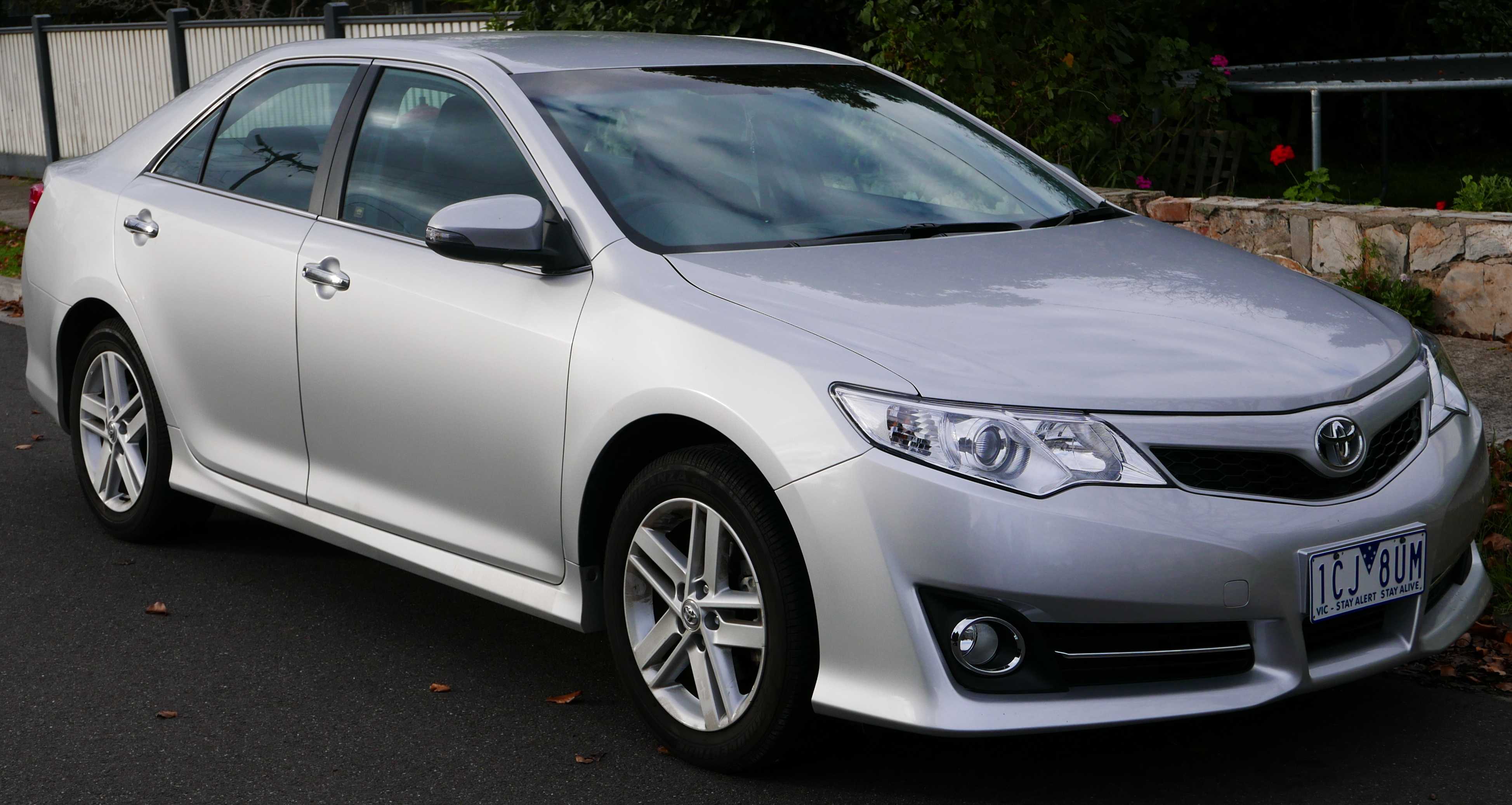
toyota camry 2012-2017 Spare Parts & Pricing
The 2012–2017 Toyota Camry, known as the XV50 generation, represents a significant chapter in the model's history, offering a blend of comfort, reliability, and efficiency that cemented its status as a global bestseller. Introduced globally in late 2011 as a 2012 model, this generation was designed with a focus on enhancing refinement, improving fuel economy, and incorporating advanced safety features, all while upholding the Camry's core promise of low cost of ownership and dependable service. The XV50 received a mid-cycle refresh for the 2015 model year, which brought updated styling, revised trim levels, and enhanced safety technologies, further extending its appeal. Globally, the XV50 was produced from 2011 to 2017, with model years spanning from 2012 to 2017. This generation was built on Toyota's K-platform, a versatile architecture that also underpinned other mid-size Toyota vehicles like the Avalon. This shared platform contributed to economies of scale in production and component sharing, although specific body styles and features varied significantly across markets. Engine options were diverse, catering to different performance and efficiency demands. In North America, common choices included the 2.5L 4-cylinder (2AR-FE, later updated with D-4S injection on the A25A-FKS in 2015+ models) producing around 168-178 horsepower, and a more potent 3.5L V6 (2GR-FKS) delivering 268-272 horsepower. For those prioritizing fuel savings, a 2.5L hybrid powertrain (2AR-FXE) combined with an electric motor offered a system output of 200-207 horsepower. Transmissions typically included a 6-speed automatic for 4-cylinder and V6 models, while the hybrid variant utilized an eCVT system. Trim levels varied, with common designations like LE, SE, XLE, and XSE (introduced in 2015+). While the US market saw specific configurations, other regions, such as the Middle East and Australia, often featured different engine displacements and power outputs, including 2.0L and different tunes of the 2.5L and 3.5L engines. This adaptability allowed the Camry to meet a wide range of local regulations and consumer preferences. The XV50's blend of established Toyota reliability with modern amenities made it a compelling choice for families and commuters seeking a sensible and durable vehicle.
Electrical/Sensors
| Part | Price Range | Availability | Interval |
|---|---|---|---|
| Accelerator Pedal Assembly This part is associated with unintended acceleration issues in early models (2012-2013). Replacement is recommended if symptoms arise. OEM parts are pricier but may offer better long-term reliability. Aftermarket options are common and more affordable. | $150 – $400 | Widely available | As needed |
Engine
| Part | Price Range | Availability | Interval |
|---|---|---|---|
| Piston Rings Required for addressing excessive oil consumption in the 2.5L 4-cylinder engine, particularly early models. This is a major engine repair, often involving an engine overhaul. Frequent oil changes are a temporary management strategy. | $1.5k – $3.0k | Available | As needed (for oil consumption) |
| Valve Guide Seals Another component related to oil consumption issues on the 2.5L 4-cylinder engine. Replacement involves significant engine labor. Often addressed in conjunction with piston rings if oil consumption is severe. | $800 – $1.5k | Available | As needed (for oil consumption) |
HVAC
| Part | Price Range | Availability | Interval |
|---|---|---|---|
| AC Evaporator Case Addressing the common moldy smell often requires cleaning or replacing the AC evaporator case and clearing the drain tube. Regular maintenance of the cabin air filter and drain tube can prevent this issue. | $200 – $600 | Available | As needed (for mold smell/drain issues) |
Drivetrain
| Part | Price Range | Availability | Interval |
|---|---|---|---|
| Torque Converter A common cause of transmission shudder in 6-speed automatic transmissions. Replacement, along with transmission fluid service and potential TCU updates, can resolve this issue. Costs can escalate significantly with labor. | $300 – $800 | Available | As needed (for transmission shudder) |
Filters & Fluids
| Part | Price Range | Availability | Interval |
|---|---|---|---|
| Transmission Fluid (ATF WS) Crucial for managing transmission shudder. Using genuine Toyota ATF WS is recommended. Regular fluid changes, even if not explicitly scheduled by Toyota, are often beneficial for longevity and smooth operation. | $10 – $25 | Widely available | Every 60,000-120,000 miles (recommended) |
| Cabin Air Filter Crucial for maintaining cabin air quality and preventing moldy smells from the AC system. Easy to replace and relatively inexpensive. More frequent changes are advised in dusty climates. | $10 – $30 | Widely available | Every 10,000–15,000 miles |
| Engine Air Filter Ensures clean air enters the engine for optimal combustion. A clogged filter can reduce performance and fuel economy. More frequent changes are recommended in dusty environments. | $15 – $45 | Widely available | Every 30,000 miles |
Ignition
| Part | Price Range | Availability | Interval |
|---|---|---|---|
| Spark Plugs (4-cyl) Standard replacement item for the 4-cylinder 2AR-FE and A25A-FKS engines. Replacing them at the recommended interval ensures optimal combustion and fuel efficiency. | $20 – $60 | Widely available | Every 120,000 miles |
| Spark Plugs (V6) For V6 models, spark plugs require replacement at a lower mileage interval compared to the 4-cylinder. Using quality plugs ensures smooth V6 performance. | $30 – $90 | Widely available | Every 60,000 miles |
Sensors
| Part | Price Range | Availability | Interval |
|---|---|---|---|
| Oxygen Sensor (Front) Oxygen sensors are critical for fuel mixture control and emissions. Failure can impact fuel economy and engine performance. Front sensor (upstream) is most critical for engine management. | $60 – $180 | Widely available | As needed (typically after 100k miles) |
| Camshaft Position Sensor A failing camshaft position sensor can cause rough idling, stalling, and starting issues. It's an important sensor for engine timing. | $45 – $140 | Widely available | As needed (typically after 100k miles) |
| Crankshaft Position Sensor Similar to the camshaft sensor, a faulty crankshaft position sensor can prevent the engine from starting or cause it to stall unexpectedly. Essential for engine timing. | $50 – $150 | Widely available | As needed (typically after 100k miles) |
Cooling System
| Part | Price Range | Availability | Interval |
|---|---|---|---|
| Water Pump A failing water pump can lead to overheating. It's often recommended to replace it preventatively when doing other major cooling system work or around the 100,000-mile mark. | $70 – $180 | Widely available | As needed (typically 100k+ miles) |
| Radiator The radiator is crucial for engine cooling. Leaks or blockages can cause overheating. Replacement is usually done when damage occurs or as part of a comprehensive cooling system overhaul. | $100 – $300 | Widely available | As needed (typically 100k+ miles) |
Suspension
| Part | Price Range | Availability | Interval |
|---|---|---|---|
| Front Strut Assembly Worn struts affect ride quality and handling. Replacement is typically done in pairs (front or rear) for balanced performance. Aftermarket options offer significant cost savings. | $100 – $260 | Widely available | Every 100,000–150,000 miles |
Brakes
| Part | Price Range | Availability | Interval |
|---|---|---|---|
| Front Brake Pad Set Routine wear item. Performance and longevity vary greatly between OEM and aftermarket brands. Consider ceramic pads for less dust and quieter operation. | $40 – $130 | Widely available | Every 30,000–50,000 miles |
| Front Rotor Often replaced along with brake pads. Quality rotors are essential for consistent braking performance and preventing vibration. Vented rotors are common on front axles. | $50 – $140 | Widely available | Every 60,000–100,000 miles (or as needed) |
Electrical
| Part | Price Range | Availability | Interval |
|---|---|---|---|
| Alternator The alternator charges the battery and powers the electrical system. Failure leads to battery drain and potential stalling. Rebuilt units are a cost-effective alternative. | $150 – $400 | Widely available | As needed (typically after 100k miles) |
| Starter Motor Responsible for starting the engine. Symptoms of failure include slow cranking or no crank at all. Rebuilt starters are a common and affordable option. | $130 – $350 | Widely available | As needed (typically after 100k miles) |
Buying Guide
The 2012–2017 Toyota Camry XV50 remains a compelling option in the used car market, renowned for its reliability and comfort. However, like any vehicle, it has specific areas to inspect before purchase. Understanding these common issues and maintenance needs will help ensure you acquire a well-maintained example and avoid costly surprises.
Engine and Oil Consumption: The most frequently cited issue, particularly on the 2.5L 4-cylinder engine (2AR-FE) in earlier models (2012-2014), is excessive oil consumption. This can manifest as losing a quart of oil every 1,000-1,500 miles. While not always a catastrophic failure, it requires diligent oil level monitoring and more frequent oil changes. When inspecting a potential purchase, check the oil level. If it's low, inquire about the owner's oil consumption habits. Ask if they use a specific oil viscosity or if they've had any engine work done related to piston rings or valve seals. A vehicle with a history of regular oil changes (every 5,000 miles or 6 months) and consistent top-ups is preferable. Some later models (2015+) with the updated A25A-FKS engine may exhibit less oil consumption. For V6 models, oil consumption is generally not a significant concern.
Transmission Health: The 6-speed automatic transmission is generally robust, but some models (2012-2015) are prone to a shudder or vibration under light acceleration, typically between 40-60 mph. This is often related to the torque converter clutch or transmission fluid degradation. During your test drive, pay close attention to how the transmission shifts and if any shuddering occurs. A test drive on highways and varied speeds is essential. If shudder is present, inquire about recent transmission fluid changes. A drain-and-fill with the correct Toyota ATF WS fluid, and possibly a TCU software update, can often resolve this. A complete transmission replacement is a major expense, so any signs of severe internal wear or hesitation should be a red flag.
HVAC System: The air conditioning system can develop a moldy or musty smell, especially in humid climates or on models from 2012-2014. This is usually due to a clogged AC drain tube, causing water to back up in the evaporator case and promote mold growth. Check for any dampness under the passenger footwell. Ask the owner if they've experienced this smell or had the drain tube cleared. Replacing the cabin air filter regularly (every 10,000-15,000 miles) is crucial for both air quality and preventing drain issues. If the smell is persistent, it might indicate a need for professional HVAC cleaning or evaporator case service.
Brakes and Suspension: These are standard wear items. Inspect brake pads and rotors for thickness and signs of uneven wear. Listen for grinding or squealing noises during braking. For suspension, check for clunks or rattles over bumps, which could indicate worn ball joints, sway bar links, or strut mounts. Test drive over uneven surfaces to listen for any unusual noises. While replacement parts are readily available for both systems, significant wear might indicate a lack of regular maintenance.
Electrical Components: Sensors like the oxygen sensor, camshaft position sensor, and crankshaft position sensor can fail, typically after 100,000 miles. Symptoms include check engine lights, rough idling, or starting problems. While generally not prohibitively expensive to replace, a cluster of electrical issues could signal underlying problems. Check for any illuminated warning lights on the dashboard.
Body and Paint: The XV50 Camry generally holds up well, but some reports mention paint peeling or blistering on certain panels, especially in warmer climates or on darker colors. Inspect the paintwork carefully, particularly around edges, the hood, roof, and trunk, for any signs of delamination or bubbling. Interior trim pieces, such as switchgear and door handles, can also show wear over time. Check that all buttons and handles function correctly.
Maintenance Records are Key: The single most important factor when buying a used XV50 Camry is its maintenance history. Look for evidence of regular oil changes, transmission fluid services, brake checks, and filter replacements. A car with a comprehensive service record, especially one that addresses the known potential issues like oil consumption and transmission shudder, is far more likely to be reliable long-term. In regions like Nigeria, where parts can be expensive and sourcing reliable mechanics is crucial, a well-maintained vehicle significantly reduces future headaches and costs.
Pricing and Value: Prices will vary based on mileage, condition, trim level, and location. Be aware that while the Camry is generally reliable, repairs for major components like engines, transmissions, or steering racks can be substantial. Factor in potential repair costs when negotiating the price. Consider the trade-off between a slightly higher price for a meticulously maintained example versus a lower price for a car that may require immediate attention.
By focusing on these key areas during your inspection and prioritizing vehicles with solid maintenance histories, you can confidently select a 2012–2017 Toyota Camry that offers excellent value and dependable transportation.
Where to Buy Parts
Frequently Asked Questions
Is the 2012 Toyota Camry reliable despite its oil consumption issues?+
The 2012 Camry remains one of the more reliable models in the XV50 generation, but the 2.5L 4-cylinder (2AR-FE) has a documented tendency for excessive oil consumption in early production units. Many owners report losing 1 quart of oil every 1,000–1,500 miles, which can lead to engine wear if not managed. With frequent oil changes (every 5,000 miles / 6 months), careful monitoring of oil level, and possibly using a slightly higher-viscosity oil, most 2012 Camrys can still reach 250,000+ miles without major engine issues. Buyers should prioritize vehicles with clear maintenance records and evidence of oil level monitoring.
How serious is the AC drain problem on the 2014 Camry?+
The AC drain issue is common on 2012–2014 Camrys and often manifests as a foul mold smell when the AC is turned on, sometimes accompanied by dampness under the passenger footwell. In some cases, water accumulation in the evaporator case can cause electrical issues or even affect airbag systems, which led to a specific NHTSA recall for “Clogged A/C Drain May Cause Air Bags To Deploy.” For most owners, the problem is manageable: clearing the drain tube, replacing the cabin air filter, and occasional HVAC cleaning can resolve the smell. However, if left untreated, prolonged moisture can lead to corrosion and more expensive HVAC repairs.
What should I expect in terms of repair costs for a used 2016 Camry in Nigeria?+
For a 2016 Camry in Nigeria, routine maintenance (oil, filters, brake fluid) is relatively affordable, with oil changes costing around ₦60k–₦120k including parts and basic labor. More significant repairs like brake pad and rotor replacement per side typically range from ₦200k–₦450k, while transmission fluid changes are around ₦150k–₦300k. Major components such as alternators, fuel pumps, or water pumps can range from ₦400k to over ₦1M depending on whether OEM or aftermarket parts are used and the supplier location (e.g., Lagos mainland vs. island). Overall, the Camry’s parts availability and mechanical simplicity make it one of the easier non-LCV cars to maintain in Nigeria, but imported part prices and labor variations mean budgets should be flexible.
Is the transmission shudder on XV50 Camrys a dealbreaker for long-term ownership?+
Transmission shudder, especially under light acceleration between 40–60 mph, is a known issue on many 2012–2015 XV50 Camrys with the 6-speed automatic. It is usually caused by torque converter clutch behavior, degraded transmission fluid, or TCU logic. In most cases, a drain-and-fill with Toyota Genuine ATF WS, combined with a TCU software update, significantly reduces or eliminates the shudder. While chronic shudder can accelerate transmission wear, it is not typically a dealbreaker if addressed early. Buyers should test-drive at various speeds and loads, and if shudder is present, negotiate for a transmission fluid change and software update before purchase.
How does maintenance history affect the reliability and resale value of a 2012–2017 Camry?+
Maintenance history is critical for XV50 Camrys, especially for addressing known weak points like oil consumption (2.5L 4-cyl), AC drain issues, and transmission shudder. Vehicles with documented oil changes, transmission fluid service, and AC maintenance tend to have fewer major issues and command higher resale prices. In markets like Nigeria, where theft and accident risks are concerns, a clear service record also helps verify that the car is not a heavily used or poorly maintained import. For buyers, prioritizing Camrys with full service logs, especially those showing regular oil level checks and timely fluid changes, significantly improves long-term reliability and value retention.